Can You Still Make Pour-Over Coffee with "Expired" Coffee? - How to Brew "Expired" Coffee?
Professional Coffee Knowledge Exchange: For more coffee bean information, follow Coffee Workshop (WeChat official account: cafe_style)
What Is "Expired" Coffee?
The "expired" coffee we mean here is coffee that has passed its best-flavor window.
What Is Coffee's "Shelf Life"?
Coffee "shelf life," also called the flavor period, refers to the window in which coffee tastes best -- not the food-safety shelf life (manufacturers usually print a shelf life of one year). Coffee should be stored as roasted whole beans in sealed, light-proof, cool conditions. Without those basics, even the most skilled barista cannot save it.
How Long Is Coffee's Best Flavor Period?
Our recommendation: 15-30 days from the moment coffee is roasted. Some coffees can stretch to about 45 days under proper storage. That is why the "expiration" we refer to is generally set at 30 days. By then the beans have essentially finished degassing, and medium-dark to dark roasted beans will show a light sheen of oil. But if poor storage has caused heavy oiling, or the coffee smells of nothing but wood, the beans are no longer worth drinking. For your health, it is better to discard them.
Everyone has faced this: coffee has been sitting a long time -- do you throw it out, or use it anyway and reluctantly drink a cup that is bland and flat? Is expired coffee beyond saving? Below, we share today's topic: how to make pour-over coffee with "expired" coffee.
How to Handle Coffee That's Been Stored Well but Is No Longer Fresh?
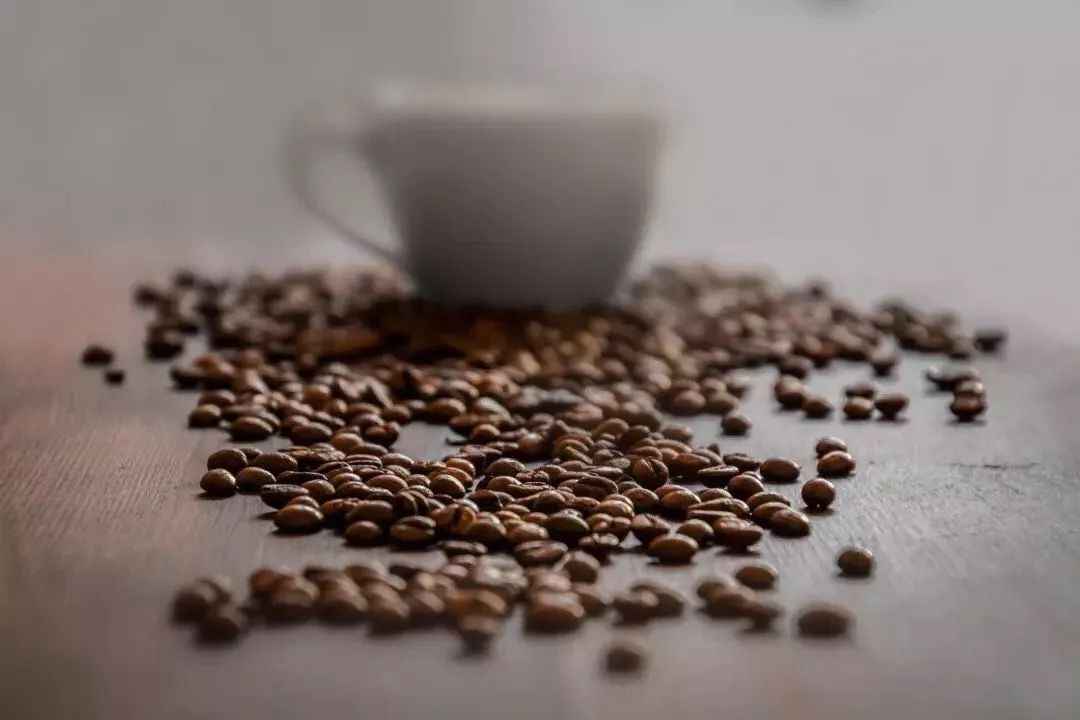
First, understand that coffee's flavor peaks 7-14 days after roasting, then gradually fades, eventually leaving only woody notes.
The first compounds to disappear are mainly floral and fruity aromas, volatile acids, spices, and herbal notes, while nutty, chocolate, and caramel flavors are relatively less volatile. Ground coffee also loses flavor faster than whole beans. This is the fundamental reason we want coffee fresh, ground fresh, and brewed fresh.
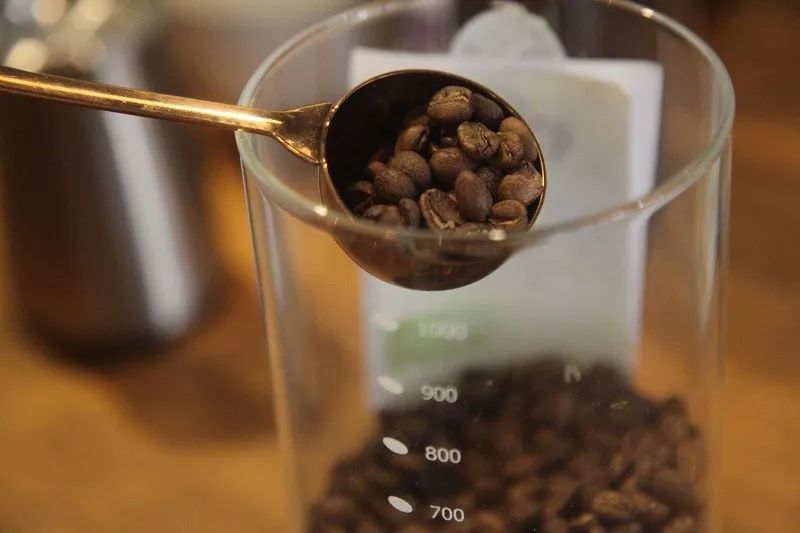
So if you are hoping that expired coffee will still deliver rich floral and fruity notes with bright, lively acidity, that is basically impossible. However, some of coffee's basic tastes, such as chocolate and nut flavors, will become more prominent, and the mouthfeel will tend toward balance. The complex chemical changes in the beans may even develop some unexpected flavors, or bring forward flavors that were not obvious before. The important thing is knowing how to brew it.
Basic Methods
Here are a few basic methods to work with:
1. Change the extraction time;
2. Change the water temperature;
3. Change the grind size.
This is a dynamic balance. For example, if you choose a long time and a coarse grind, then lower the water temperature; if you choose a fine grind, then shorten the extraction time and lower the water temperature. However you adjust, the goal is a delicious cup. Try several times to find the method that best rescues your coffee.
The approach we recommend most is a coarser grind, a lower water temperature, and a longer extraction time.
Example: 50-Day-Old "Flower Queen" Coffee
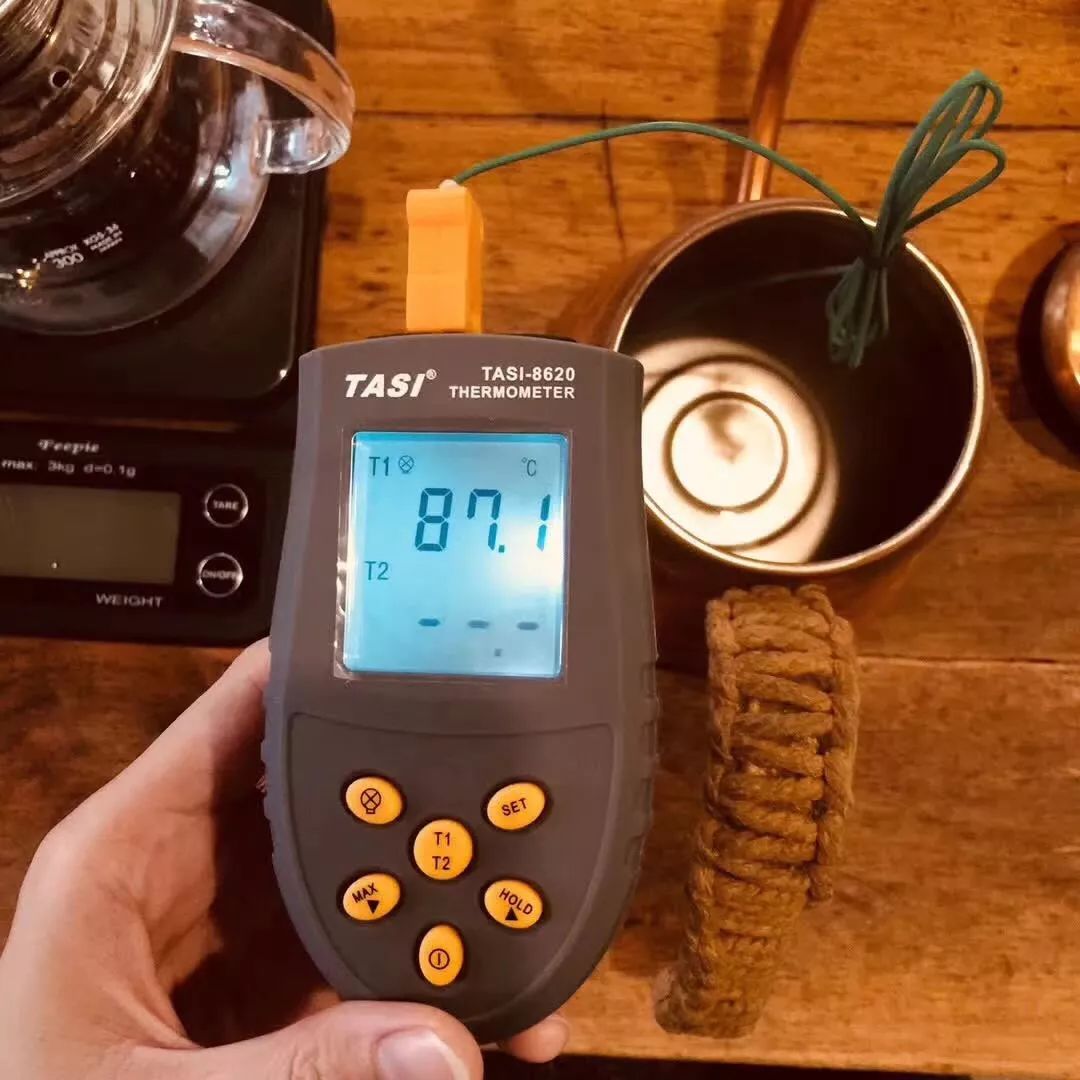
Below, we use Flower Queen coffee that has been stored for 50 days in a light-proof, moisture-proof, cool place as an example. Use a V60 dripper, water at 87-88°C (90-91°C when the coffee is fresh), and a water-to-coffee ratio of 1:15.
Step-by-Step Brewing Process
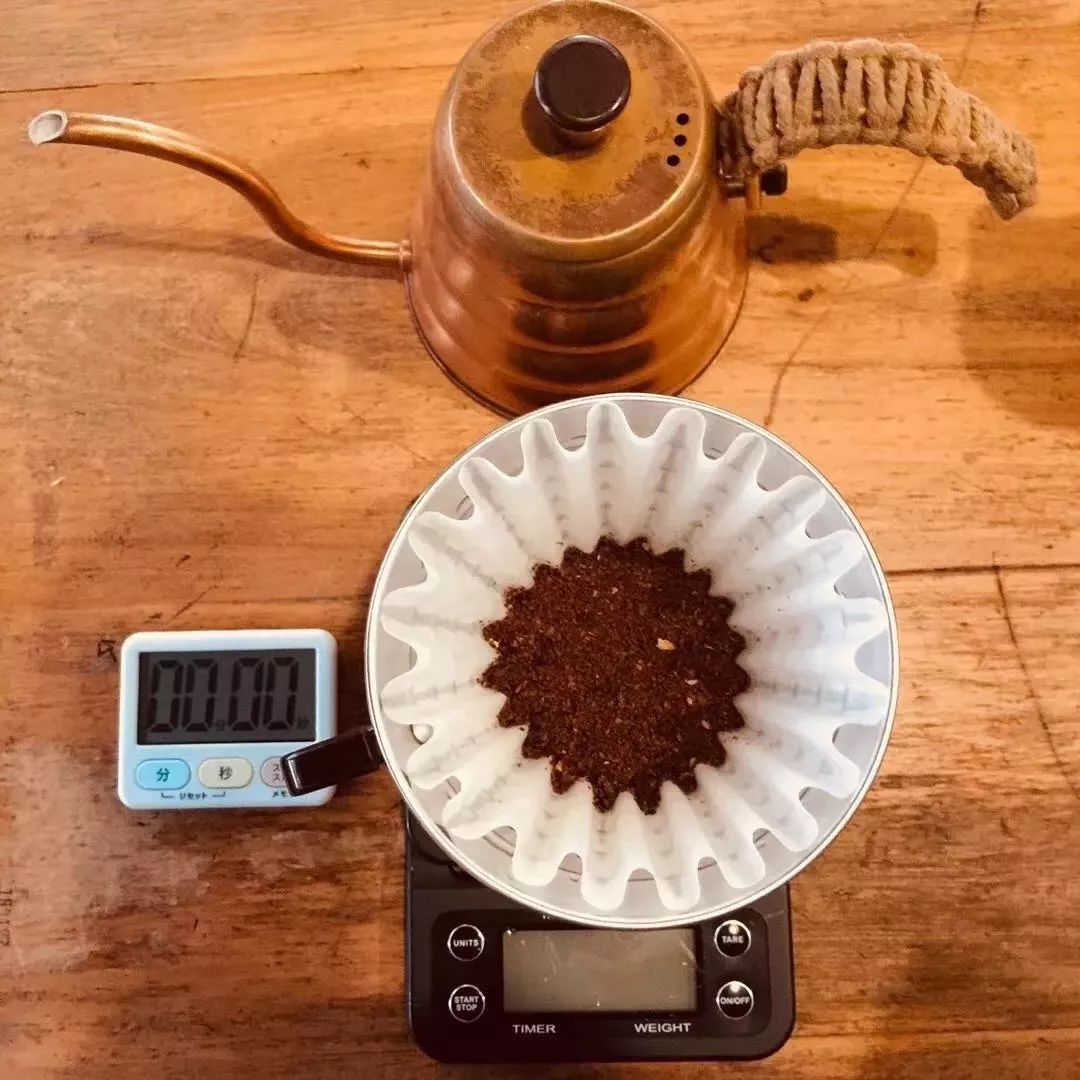
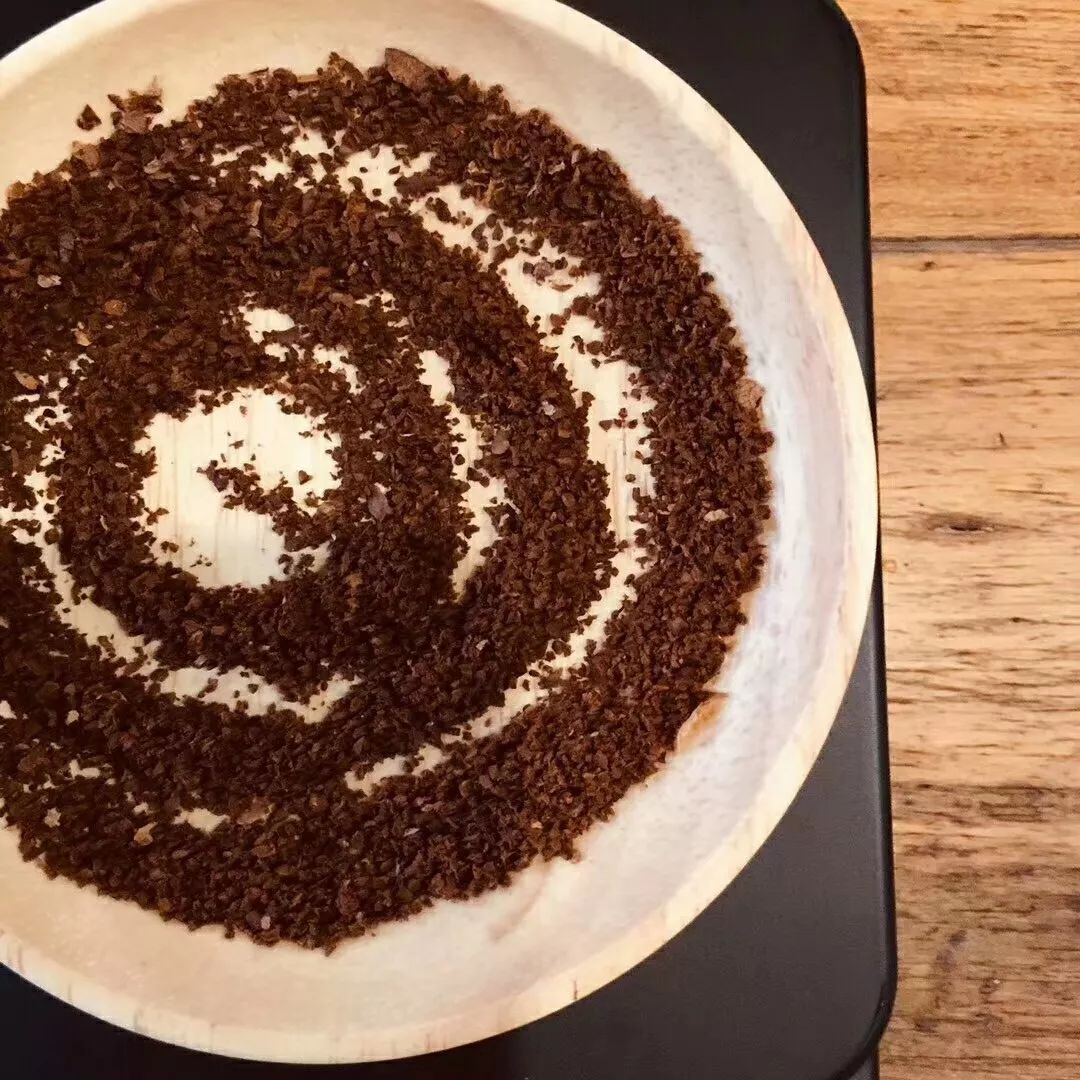
1. Coarse Grind
Since the volatile aromatic compounds have essentially disappeared, a fine grind will bring out bitterness and astringency more easily. Choosing a coarser grind size effectively avoids over-extraction.
2. Shorten the Bloom Time
The carbon dioxide in the coffee is also gone, so there will be no "hamburger" bloom. Water penetrates every particle easily, so there is no need for a long bloom to release gas. Over-blooming would only cause over-extraction.
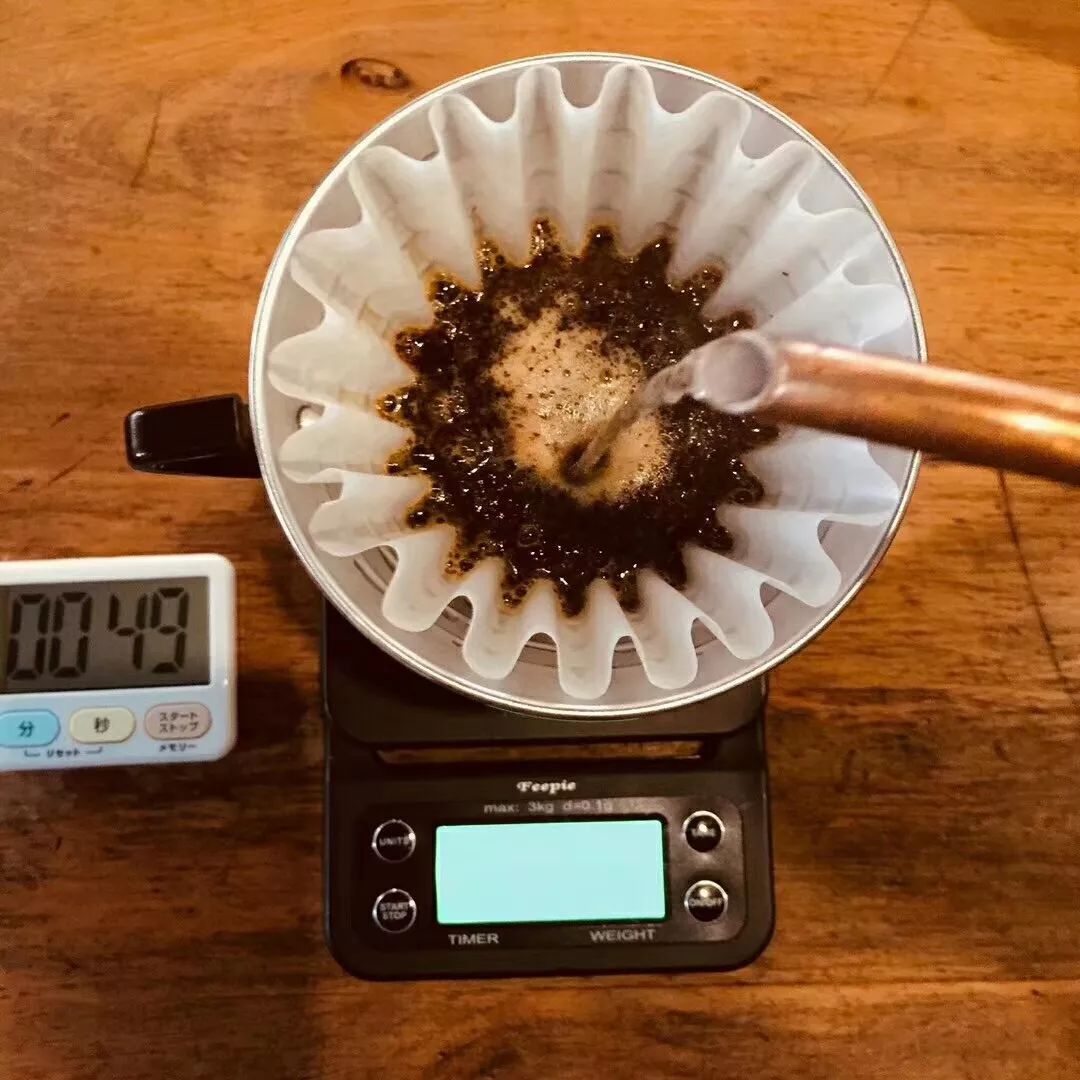
3. Brew in 2-3 Stages
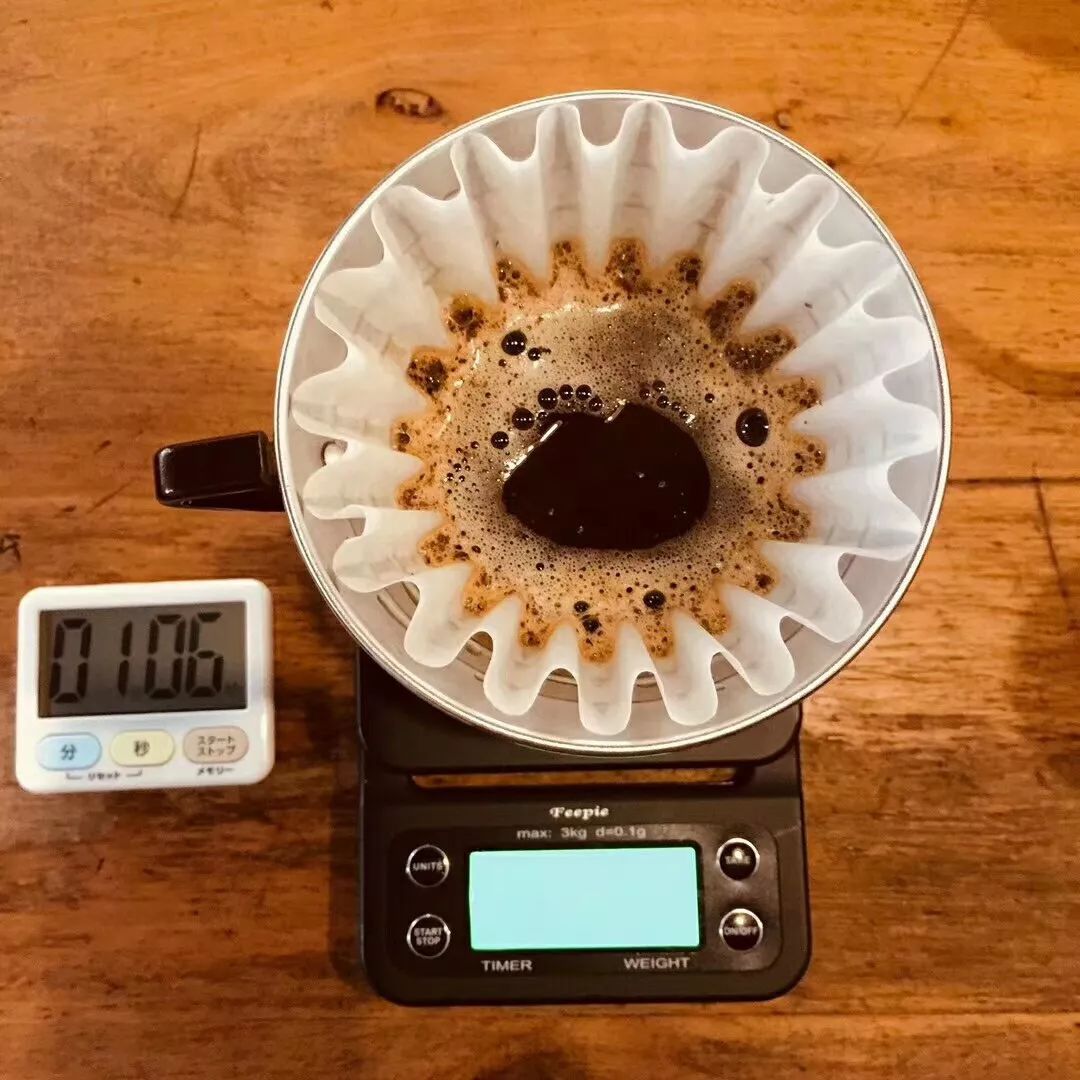
Keep the pour height low to avoid over-stirring. Gently circle around the center within the size of a small coin, using a method of brewing-while-blooming to force out flavor compounds. You can see the foam being slowly pressed out.
4. Control the Water Level
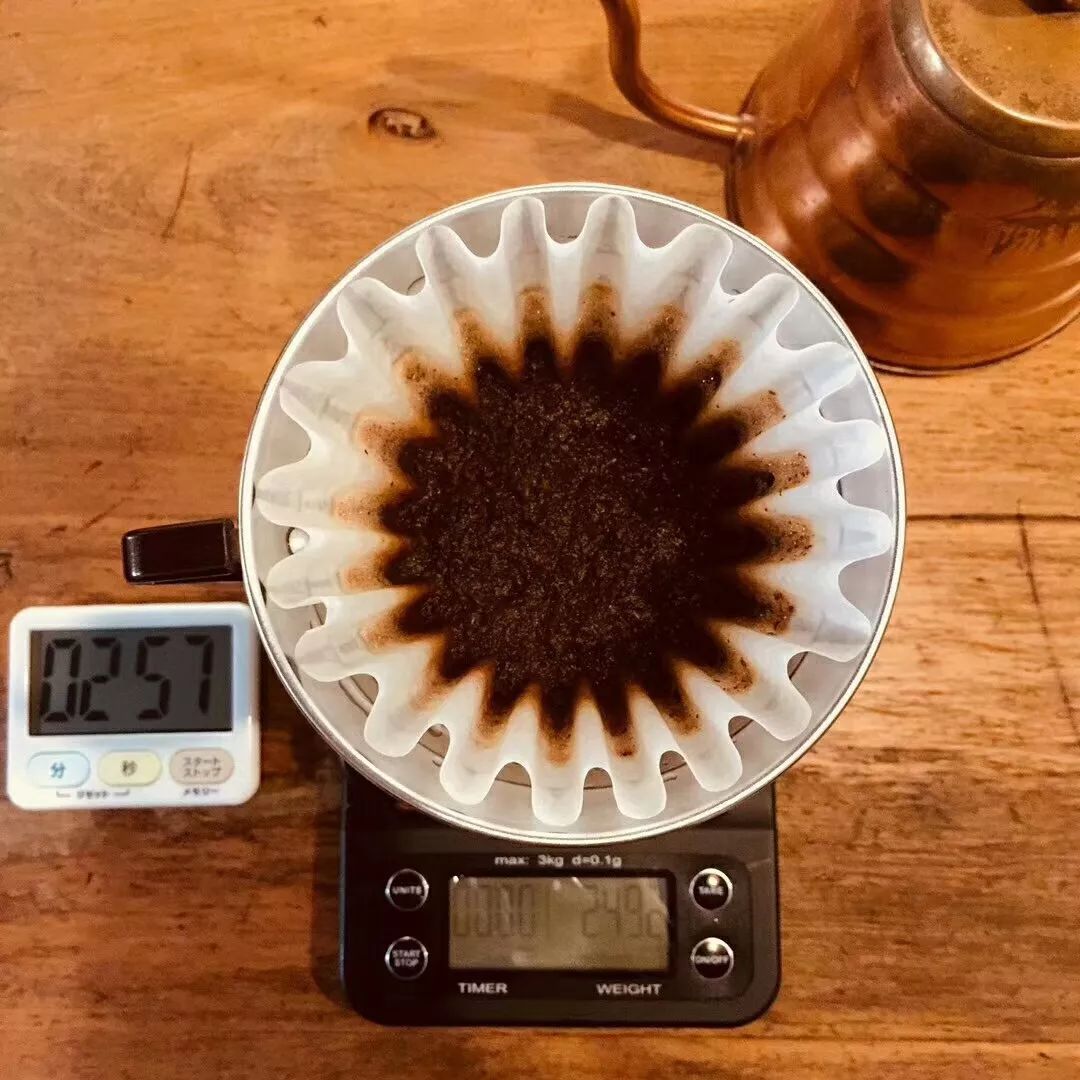
Stop pouring when the water level rises to level, then wait for it to drop by about one third before pouring again. At this point you can widen the pour, but not onto the filter paper. Lower the water flow and be very gentle. The whole extraction time should be slightly extended to bring out more sweetness.
Results
Brewed this way, the Flower Queen has lost its floral and fruity aromas, but brings out a wine-like fragrance and is smooth on entry with rounded acidity and caramel sweetness, plus a walnut-like aftertaste.
In the future, when you run into "expired" coffee, you won't have to worry. Still, it is always best to drink coffee while it is fresh.
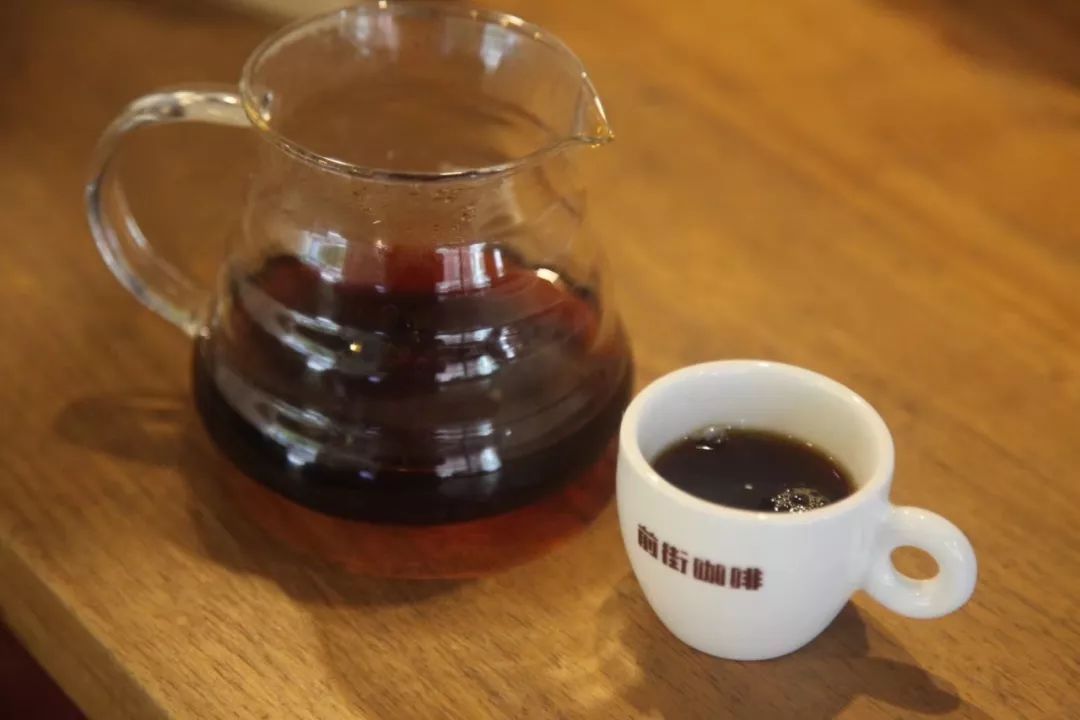
Image source: FrontStreet Coffee (FrontStreet Coffee)
FrontStreet Coffee Recommendation
The bean used in the example above, FrontStreet's Flower Queen, is one worth keeping on hand. It is a natural Ethiopian from the Hambella area of Guji Sidamo with an especially bold tropical fruit aroma -- strawberry, passion fruit, jackfruit, even lychee -- plus pronounced sweetness and very little bitterness, so it drinks smooth and juicy.
If you would rather build your pour-over routine around a bean that stays vivid when fresh, FrontStreet's washed Yirgacheffe Gedeb cooperative coffee is a reliable choice: vivid citrus, berry, and floral notes with a tea-like aftertaste, and the kind of clean, bright acidity that shows at its best within the first weeks after roasting. That is exactly why the storage and freshness advice above matters.
For anyone who wants the fruit-forward side of the V60, FrontStreet also points to its Strawberry Candy, which carries a Geisha-like flavor, and its Mozart, which has a distinctive raisin character. Both are the kind of floral, fruit-sweet coffee that a fast-extracting V60 shows well -- which is precisely why they are worth drinking within their freshness window, while the floral and fruit notes are still there.
Important Notice :
FrontStreet Coffee is a long-established specialty coffee roaster in Guangzhou China, selling freshly roasted beans from its own farm in Yunnan as well as dozens of carefully selected single-origin beans from around the world for both pour-over and espresso. The products deliver consistently excellent quality and great value, with shipping within 24 hours. Guangzhou's FrontStreet Coffee shop is recommended by many coffee lovers, and the beans are now available online at the Tmall 。
FrontStreet Coffee has moved to a new address:
FrontStreet Coffee Address: 315,Donghua East Road,GuangZhou
Tel:020 38364473
 Scan and follow the En Gafei WeChat official account. Please indicate that the reprint comes from "En Gafei".