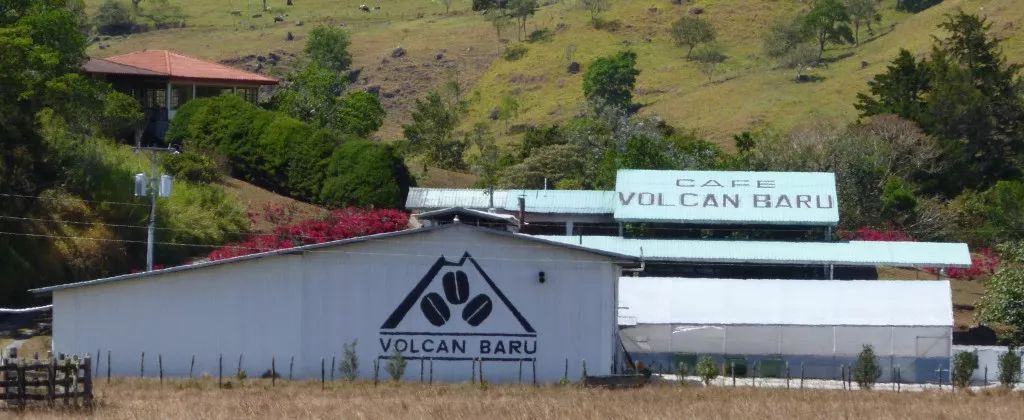
The Legendary Story of Janson Estate Geisha - Karl Jenson's Coffee World Champagne
Professional coffee knowledge exchange. For more coffee bean information, please follow Coffee Workshop (WeChat public account: cafe_style).
Panama Janson Estate Geisha
Estate: Janson Estate
Region: Volcán Region
Variety: Geisha
Processing: Natural
Altitude: 1750m
Annual Rainfall: 3000mm
Average Temperature: 20°C
Soil: Volcanic soil
Harvest: Hand-picked
Flavor: Delicate berry notes, clean mouthfeel, honey, lychee flavors
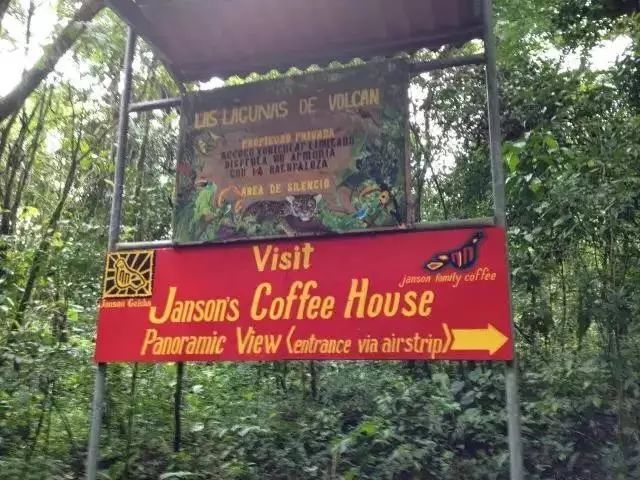
About Janson Estate
In 2004, Panama's Peterson family first introduced the Geisha variety to the world, and the international coffee community has been captivated by it ever since, dubbing it the "champagne of coffee." In 2013, when the Specialty Coffee Association of Panama (SCAP) handed out its Best of Panama awards, a new contender appeared: the Geisha from Carl Janson's Janson Estate.
A Unique Microclimate
The microclimate of Panama's highlands is the single most important resource behind the country's exceptional coffee. Panama's east-west orientation allows cold air currents to flow through the central mountain range and converge above 6,500 feet, creating a patchwork of microclimates across the Boquete and Volcán-Candela regions, which are the main production areas for Panama's distinctive coffees. These coffees grow in the nutrient-rich, balanced soils of the Barú Volcano area. The right mix of microclimate, soil, temperature, and altitude in these highlands suits the sowing, planting, and harvesting of a wide range of specialty coffees.
Estate owner Mr. Janson (Carl Janson) was originally from Switzerland.
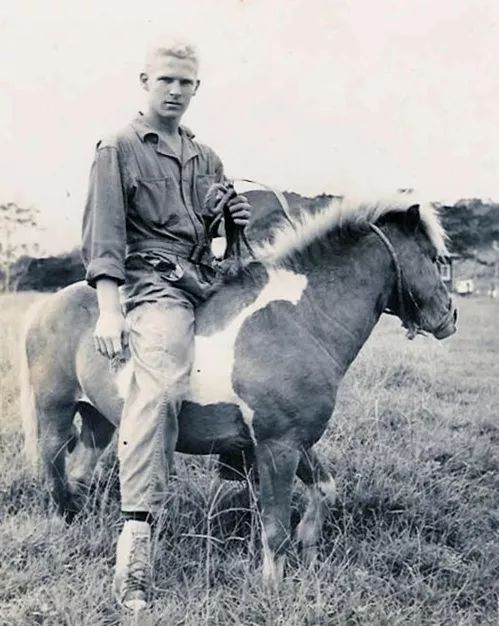
When he arrived in Panama, he fell deeply in love with the Volcán area, a place ringed by mountains much like his homeland. After marrying his wife Margaret, he bought this estate in 1940. An enthusiastic rancher, Carl Janson was also the first person to breed Angus cattle in Panama.

Janson Estate Geisha
| Geisha, also spelled Gesha
"Geisha" sounds much like the Japanese word for geisha, hence the name Geisha coffee. Because the tree grows taller than typical coffee trees, it was first planted in a small patch of the estate and used as a windbreak.
| Geisha is a variety
The Geisha variety was first discovered in 1931 in the Geisha Forest of Ethiopia and later sent to the Coffee Research Institute in Kenya. In 1936 it reached Uganda and Tanzania; in 1953 it was introduced to Costa Rica.
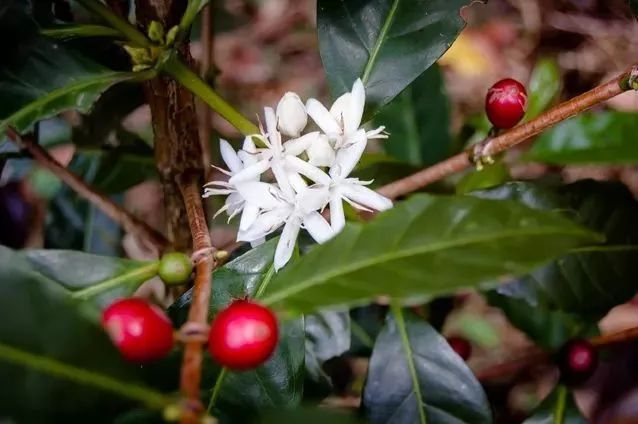
For a long time, few people paid attention to Geisha. Then one day Don Pachi brought it from the small town of Gesha in southwestern Ethiopia to Costa Rica, and from there it traveled south into Panama. Panama's Hacienda La Esmeralda separated it from other varieties and won the national coffee competition, officially bringing Geisha into the spotlight.

Geisha coffee is especially demanding about its growing environment: it needs high altitude, cloud cover and shade, fertile soil, and sufficient accumulated heat.
In 2013, when SCAP awarded the Best of Panama coffee prize, there was a new contender: the Geisha variety from Carl Janson's Janson Estate. Also known as the "champagne of coffee," it offers a rich jasmine floral aroma and delicate berry notes, a clean mouthfeel, and honey and lychee flavors.
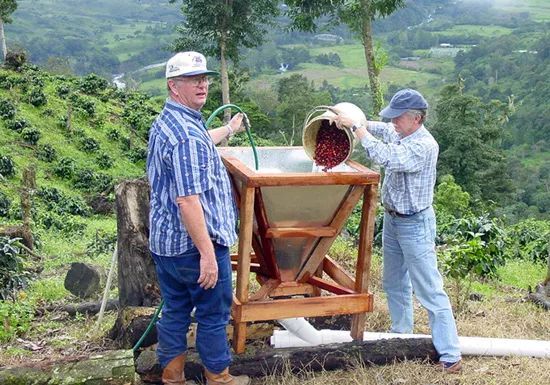
Geisha has a rich sweetness, an extremely clean mouthfeel, and abundant aromas that range from berries and citrus to mango, papaya, and peach. A very distinct bergamot-like aftertaste is also one of its typical cupping characteristics. To this day, Geisha remains the champion among coffee varieties.
Janson Geisha is relatively unknown in China, because Janson Estate concentrates on domestic sales rather than exports.
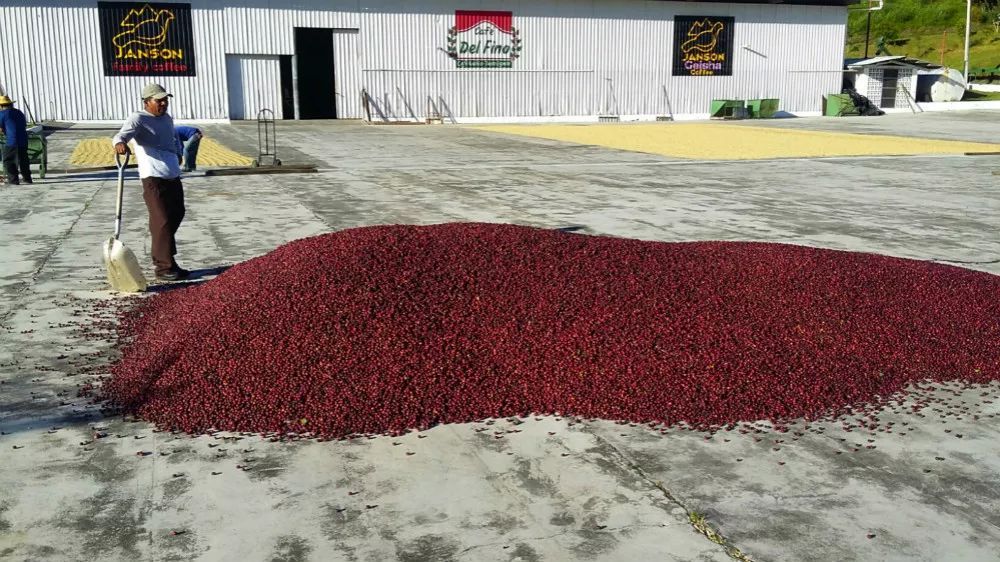
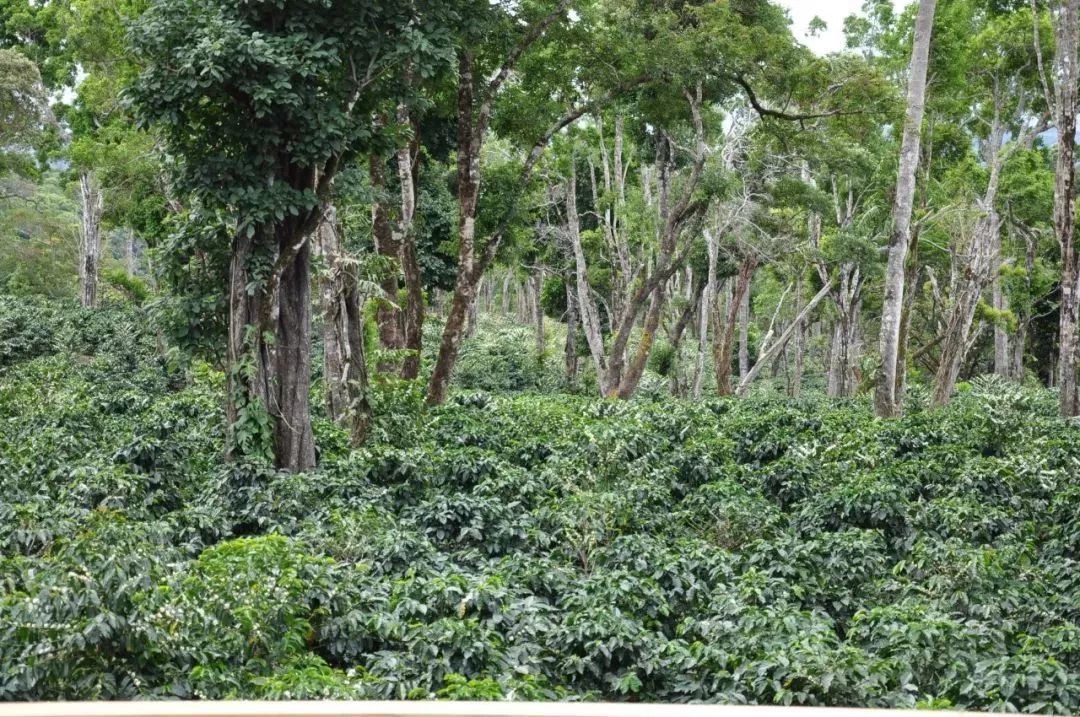
Under these conditions of high altitude, nutrient-rich volcanic soil, abundant rainfall, and suitable temperature, Janson Estate has gradually become the second-largest Geisha producer among Panama's estates, with 50% of the estate planted to Geisha trees.
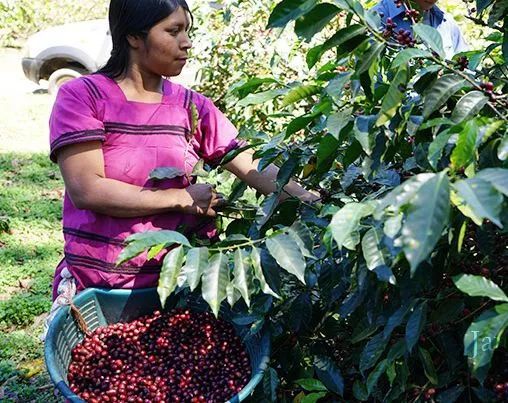
The harvested cherries are known as "ox blood coffee cherries" and carry particularly high sweetness.
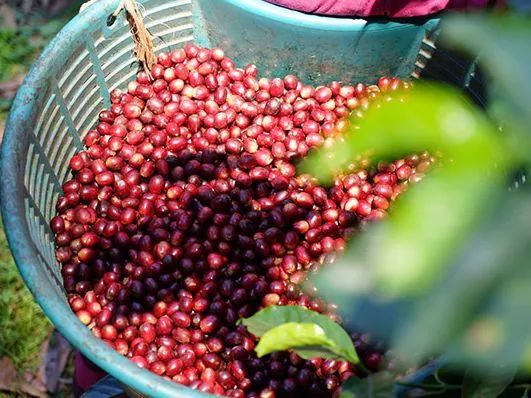
To maintain environmental balance, Janson Estate runs both livestock farming and coffee cultivation, with three generations of the family managing the estate together today. Carl's four sons now run the farm: Carl, Michael, Richie, and Peter. Carl oversees the Janson Family coffee roasting facilities, Michael manages part of the coffee farm, and Richie and Peter assist with overall management.
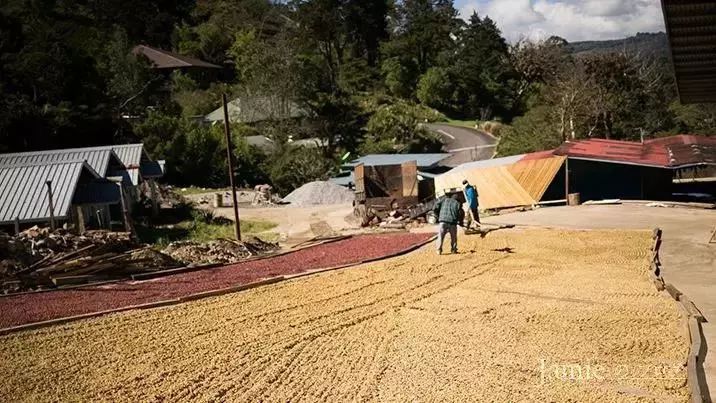
With an average altitude of about 1,700 meters, the estate is covered with nutrient-rich volcanic soil, abundant rainfall, and suitable temperatures. The Janson family follows environmentally friendly operating principles and 100% sustainable cultivation methods, and has built dedicated processing plants that turn processed coffee cherries into farm fertilizer.

Only 2,000 Geisha plants are planted per hectare to keep enough soil between plants. Half the estate is planted to Geisha, ranking it second in Panama for Geisha production. Every lot of green beans carries a highly recognizable batch number and is 100% traceable.
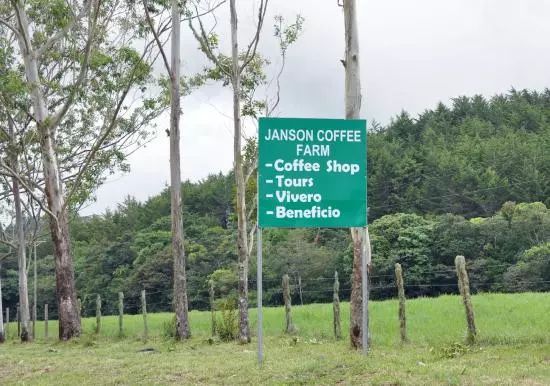
The estate not only has its own processing plant to handle its cherries but also puts considerable effort into roasting to raise the reference value of its cupping results.
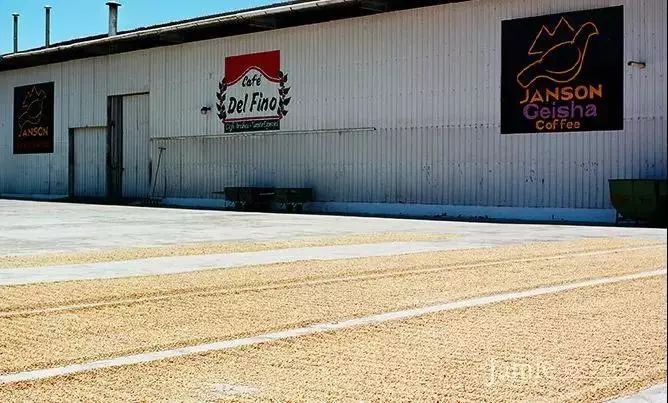
These efforts have steadily improved the quality of Janson Estate's beans, and the results enabled its Geisha to finish as runner-up in the Panama (BOP) competition.
In recent years, coffees from the Volcán region have emerged in the specialty market, with quite a few estates entering the Best of Panama competition and some even winning championships. Volcán generally receives less annual rainfall than Boquete, and its position on the west side of Barú Volcano gives its coffees more intense dried-fruit flavors, sweetness, and aroma than those from Boquete.
In the early days, the Volcán area mostly grew economic crops such as fruits and vegetables, with only a few farmers cultivating coffee. Among the pioneers of coffee cultivation there were the well-known Hartmann family and the Janson family.
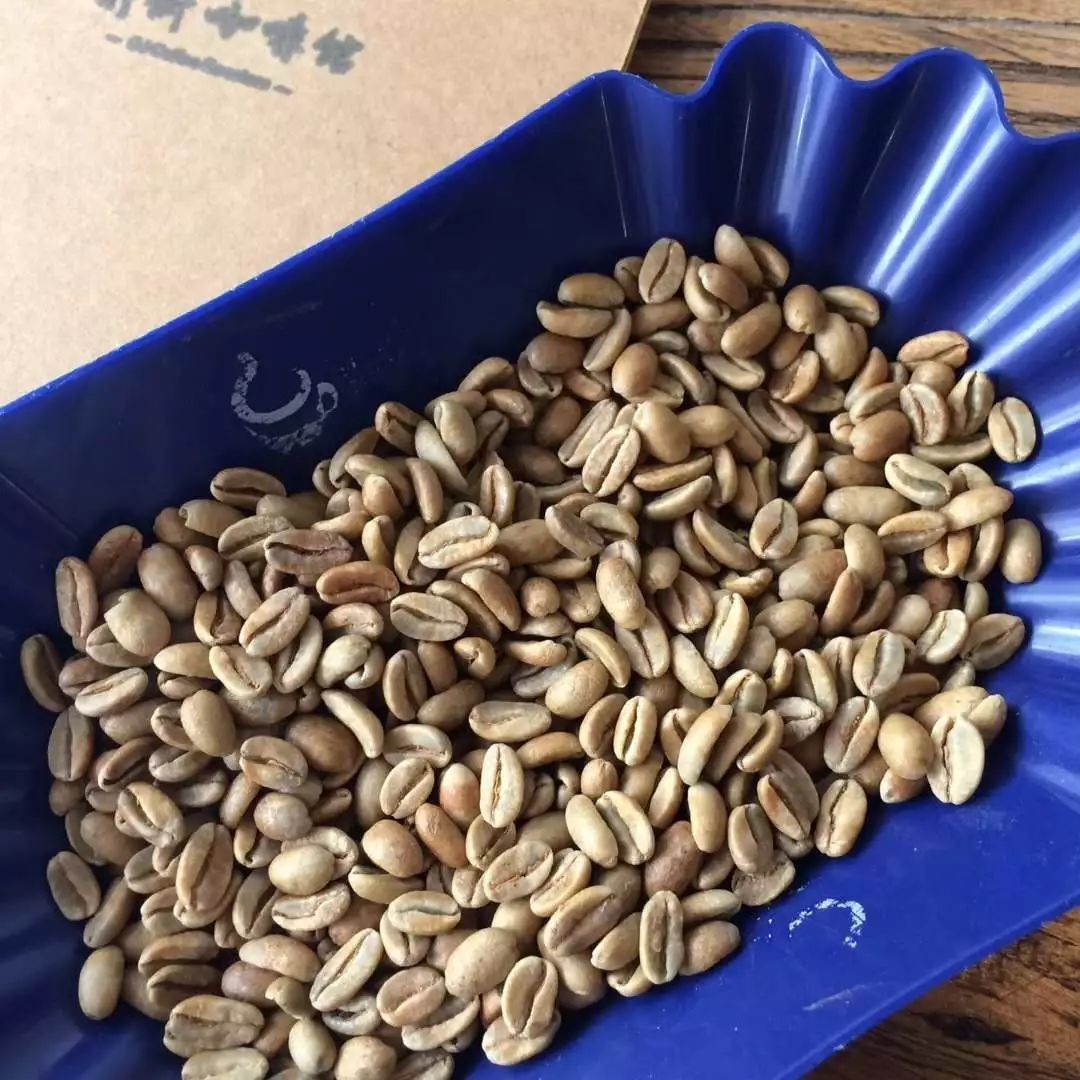
FrontStreet Coffee Green Bean Analysis
Geisha green beans have a very beautiful blue-green color and are relatively slender with pointed ends.
They have a jade-like, warm texture, smelling of fresh grass, peach, and berries, with a unique milky sweetness characteristic of oolong tea that most coffee beans lack. Aroma and flavor often call for associative thinking, but the faint tea note is something we can clearly perceive.
FrontStreet Coffee Roasting Analysis
These beans are relatively large and dense, absorbing more heat during roasting, and the Maillard reaction proceeds quite quickly. In the first batch, I used a higher dropping temperature of 200°C and kept applying heat before the beans dehydrated and turned yellow, making sure enough heat would carry through to the end of the roast.
In the end I settled on an entering temperature of 200°C with relatively reduced heat, increasing it gradually as needed during the roast. Under this approach, dehydration took longer than in the first batch, with the temperature rising 6-8 degrees every thirty seconds.
| FrontStreet Coffee's Geisha, Roasting
To highlight this bean's character and aroma, FrontStreet Coffee uses a light roast, which brings out the bean's inherent qualities. Too dark would damage the floral aromas and fruit acidity. Of course, this must be adjusted to the bean's characteristics and the roaster's understanding of it.
FrontStreet Coffee uses a smaller starting heat of 140°C and a slower roasting rhythm to express this coffee's multi-layered flavors.
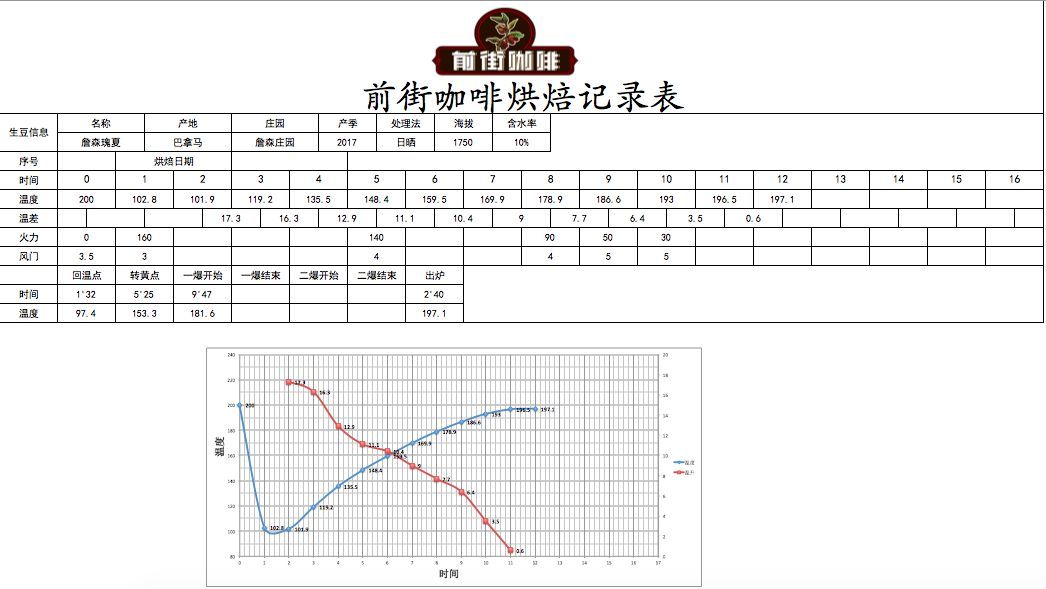
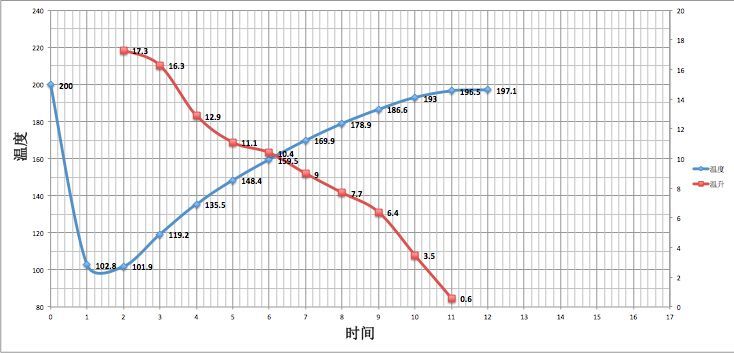
FrontStreet Coffee uses a Yangjia 600g semi-direct heat roaster.
Preheat the roaster to 200°C, set the damper to 3.5, then after 30 seconds adjust the heat to 160°C and the damper to 3. The temperature recovery point came at 1'32''; once the bean surface turned yellow, the grass aroma had completely disappeared, and dehydration was complete at 153.3°C, adjust the heat once, to 140°C with the damper at 4.
At 9'00'', the bean surface shows ugly wrinkles and black spots, and the toast aroma clearly turns to coffee aroma, which can be defined as the prelude to first crack. Listen carefully for the sound of first crack. First crack begins at 9'47''; reduce the heat to 50°C and open the damper fully to 5 (adjust the heat very carefully, not so low that the crackling stops). Develop for 2'40'' after first crack, then drop at 197.1°C.
FrontStreet Coffee Cupping Results
Flavor: maple, lemon citrus, apple, rose aroma, dark chocolate fruit notes, pomegranate, ripe grapes, peach, and dark berry flavors, with multi-layered sweet and sour notes.
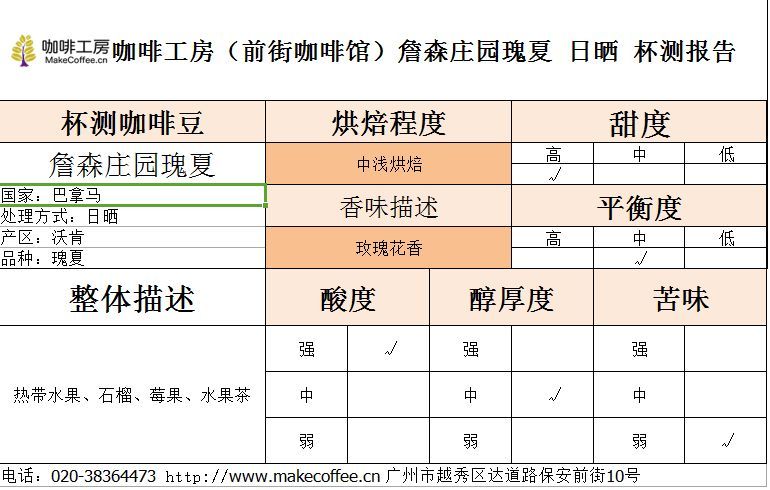
FrontStreet Coffee Recommended Brewing Method: Pour-Over
Grind size: 3.5 (Japan Fuji R440)
Water temperature: 91°C
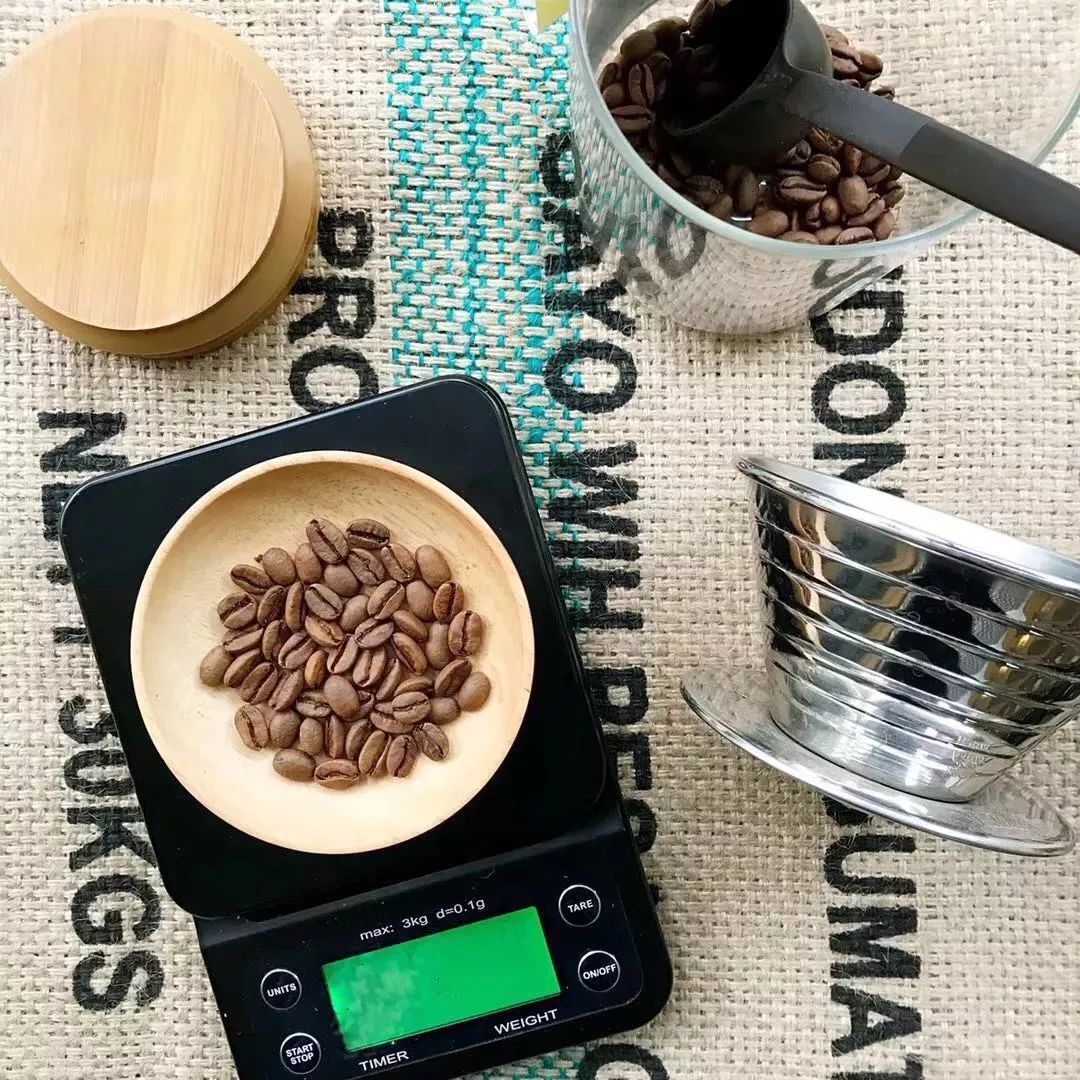
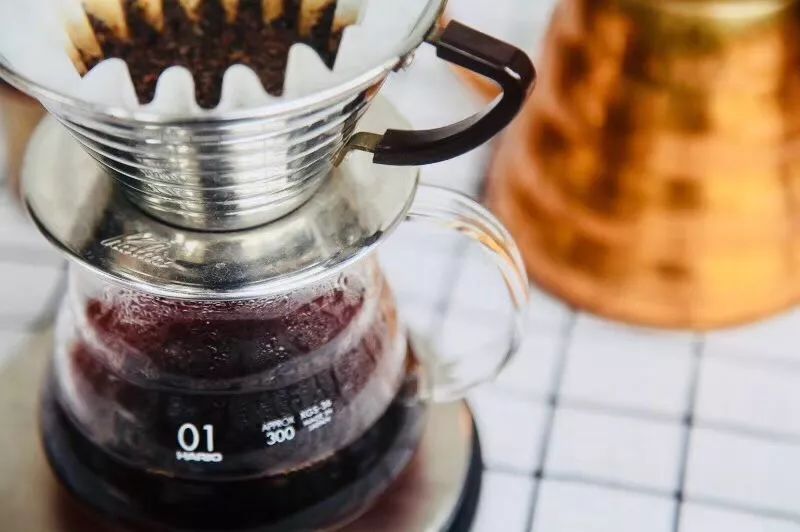
Cake cup, 15g coffee, water temperature 91°C
Grind 3.5, water-to-coffee ratio close to 1:15
30g water for bloom, bloom time 30s
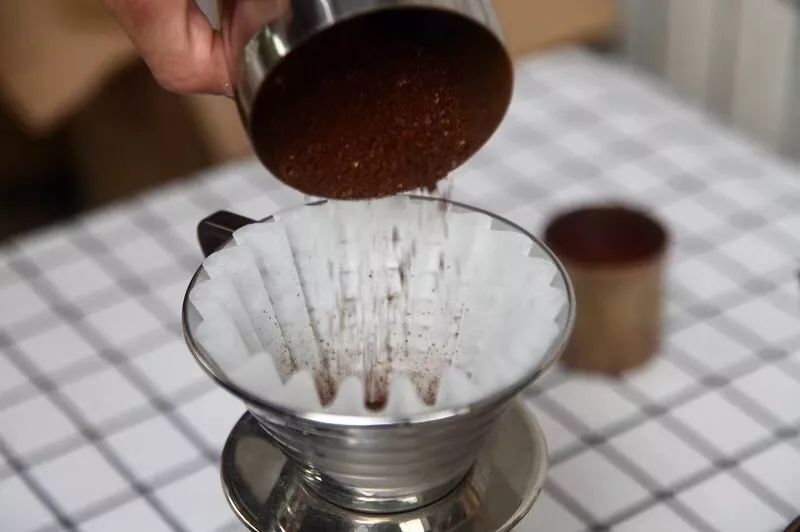
Water from the pour-over kettle moves in clockwise circles centered on the middle of the filter cup. Start timing when brewing begins, pour to 30g, then stop and wait 35 seconds for the second pour.
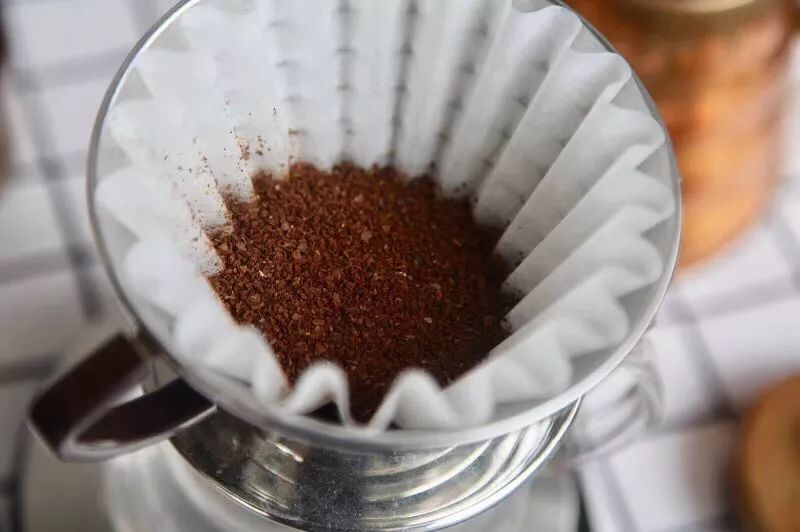
For the second pour, again move in clockwise circles centered on the middle of the filter cup. Avoid pouring water directly onto the area where the coffee grounds meet the filter paper, to prevent channeling. The cake cup is an immersion-style brewer, so 91°C water effectively draws out Geisha's flavors.

Segmented: pour to 120ml, pause, then slowly pour to 225ml
That is: 30-120-95
| Unique Geisha Flavor
What makes Geisha special is its obvious, distinct floral and citrus flavors, extremely high clarity, soft and elegant acidity, lasting cotton-soft sweetness, and premium black tea mouthfeel.
Across many coffees, floral aroma and intense tropical fruit sweetness are consistent Geisha hallmarks.
Sweetness: 4 out of 5
FrontStreet Coffee Recommendation
Geisha earned its fame through the Esmeralda Estate, and FrontStreet Coffee's Esmeralda line comes in two tiers. The Red Label, officially "Esmeralda Special," grows at 1,600-1,800 meters, must cup above 90 points, and carries an independent number for every lot, each drawn from a single small plot, so buyers can pick a batch that matches their flavor preferences. The Green Label, originally "Private Collection," is a blend of lots from several plots rather than a single terroir, expressing the estate's signature high-altitude Geisha character at a friendlier price, which makes it excellent value.
For a first taste of the Geisha flavor everyone talks about, FrontStreet Coffee usually points beginners to its Panama Boquete Geisha. This entry-level Geisha lets you enjoy the classic orange-blossom-honey charm of high-quality Panama Geisha at an affordable price, with an oolong-tea mouthfeel, delicate fruit acidity, and clearly defined layers.
Ethiopia, coffee's birthplace, also has estates known for Geisha, such as Gesha Village. Its Gold Label belongs to the Gesha 1931 variety and accounts for 10% of village production, a top-tier coffee often chosen by competitors on the international stage and processed with a refined natural method for complex, layered flavors. FrontStreet Coffee's Grana Estate Geisha comes from a Gesha farm near Yirgacheffe, one of the rare estates growing a single variety, and is suited to a light-medium roast that shows bright citrus acidity, elegant ginger-lily aroma, and a delicate, silky Geisha finish.
Important Notice :
FrontStreet Coffee is a long-established specialty coffee roaster in Guangzhou China, selling freshly roasted beans from its own farm in Yunnan as well as dozens of carefully selected single-origin beans from around the world for both pour-over and espresso. The products deliver consistently excellent quality and great value, with shipping within 24 hours. Guangzhou's FrontStreet Coffee shop is recommended by many coffee lovers, and the beans are now available online at the Tmall 。
FrontStreet Coffee has moved to a new address:
FrontStreet Coffee Address: 315,Donghua East Road,GuangZhou
Tel:020 38364473
 Scan and follow the En Gafei WeChat official account. Please indicate that the reprint comes from "En Gafei".