Coffee Tasting | Bourbon Varieties with Different Flavors
For professional coffee knowledge exchange and more coffee bean information, please follow Coffee Workshop.
In the earliest days of coffee history, Typica was transplanted to Yemen, and its beans gradually changed from slender and pointed to round. In 1715, France carried those round beans from Yemen's Mocha to Bourbon Island (renamed Réunion after the French Revolution) off the east coast of Africa, and the variety took the name Bourbon. The round Bourbon beans then passed to Brazil and Central and South America in 1727. In 1732, Britain transplanted Yemen's Mocha to St. Helena Island (where Napoleon would later be imprisoned), which likewise produced round Bourbon beans.
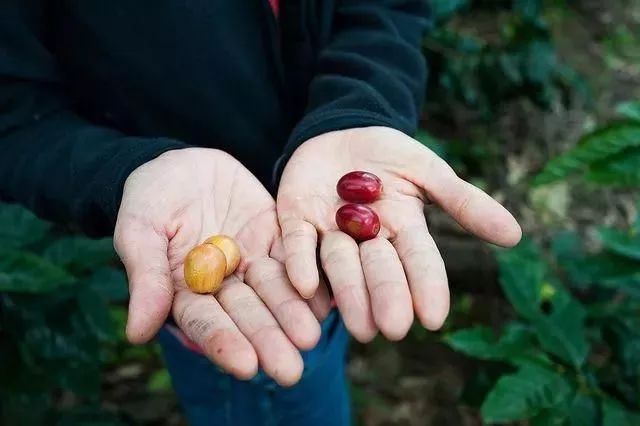
Simply put, Bourbon is a coffee variety belonging to a branch of the Arabica species. It typically bears red fruit — the classic Red Bourbon — but there are also Yellow Bourbon and Orange Bourbon. Yellow Bourbon yields less, yet its quality is higher.

Bourbon is a sub-species that mutated from Typica, and together with Typica it counts among the oldest coffee varieties still in cultivation. Its green cherries turn bright red as they mature.
Compared with Typica, Bourbon has broader leaves and grows more densely. Although its yield exceeds Typica's, it still takes about 2 years to reach its harvest cycle, so it remains a low-yield variety. What it offers in return is superb flavor: wine-like acidity and a sweet aftertaste. The beans are relatively large, uniform in size, and evenly colored with a healthy luster. To make harvesting easier, farmers prune the trees to no more than 150 centimeters.
The Spread of the Bourbon Variety
Because the Typica introduced to Brazil in 1727 yielded poorly and was prone to disease, Bourbon was brought to Brazil around 1860 via Campinas in the south and spread quickly northward through other parts of South and Central America. Across Latin America today, most Bourbon has been displaced by its own derivatives (especially Caturra, Catuai, and Mundo Novo), but it is still cultivated in countries such as El Salvador, Guatemala, Costa Rica, and Peru.
Red Bourbon
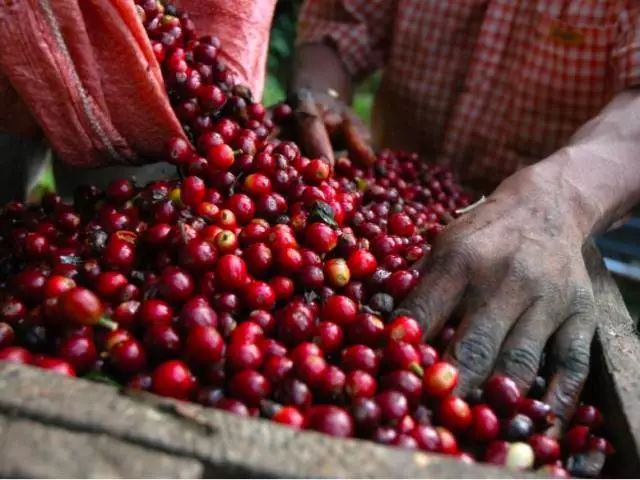
After Red Bourbon trees flower and set fruit, the cherries change color in sequence: green > light yellow > light orange > mature red > a darker red at full ripeness — hence the name "Red Bourbon." In fact, Red Bourbon is simply the Bourbon we generally mean. Grown at high altitude, it typically shows better aroma, brighter acidity, and may even reveal wine-like flavors on tasting.
Yellow Bourbon
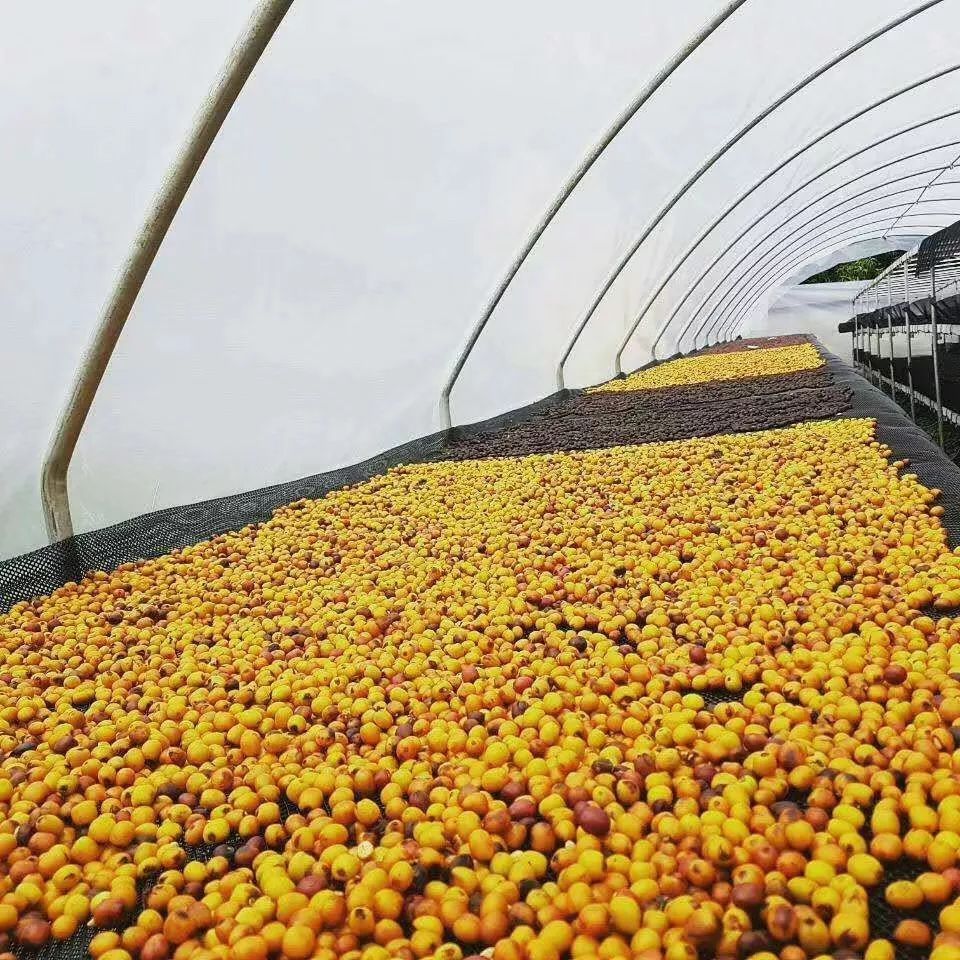
Yellow Bourbon is a hybrid of Bourbon with other varieties. Its lower yield and weaker resistance to wind and rain have kept it from being widely planted, yet at high altitude it displays outstanding flavor and has become noticeably more common in recent years.
Yellow Bourbon, with yellow fruit when ripe, was first discovered in Brazil and is still grown mainly there. It is generally believed to be a cross between red-fruited Bourbon and a yellow-fruited Typica mutation called "Amerelo de Botocatu."
French Mission Bourbon
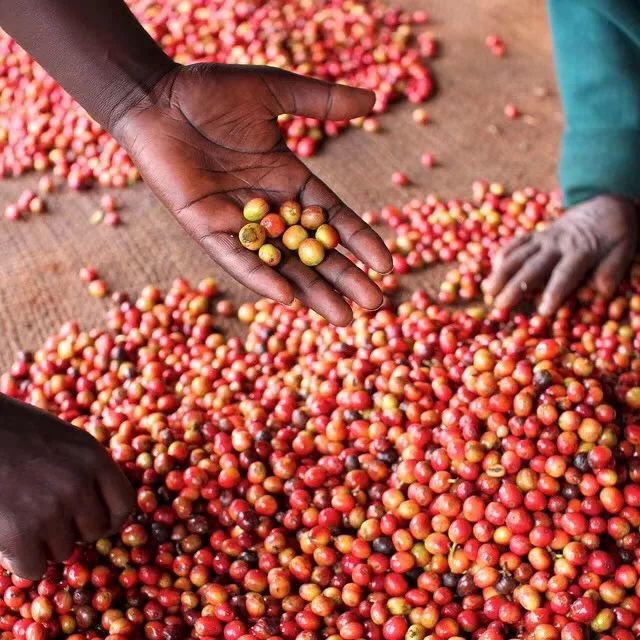
In Africa, French missionaries of the Holy Ghost congregation — the Spiritans — played a central role in spreading Bourbon. The first mission was established on Réunion in 1841, and a branch followed in Zanzibar in 1859. From Zanzibar, branches opened in 1862 in Bagamoyo (on the coast of what was then Tanganyika, now Tanzania) and at St. Augustine (Kikuyu, Kenya), with another founded in 1893 in Bura (Taita Hills, Kenya). Wherever a mission was established, coffee seeds brought from Réunion were planted alongside.
In 1899, seedlings raised in Bura were carried to another French mission at St. Austin's (near Nairobi). In 1900 they reached the Kilimanjaro region of Tanzania, and seeds were distributed to local residents willing to grow coffee — the origin of what is called "Missionary Bourbon." The Kent variety arrived later, in 1920, which is why Tanzanian coffee to this day consists primarily of Bourbon and Kent.
The following all belong to the Bourbon family:
FrontStreet Coffee Brazil Washed Red Bourbon
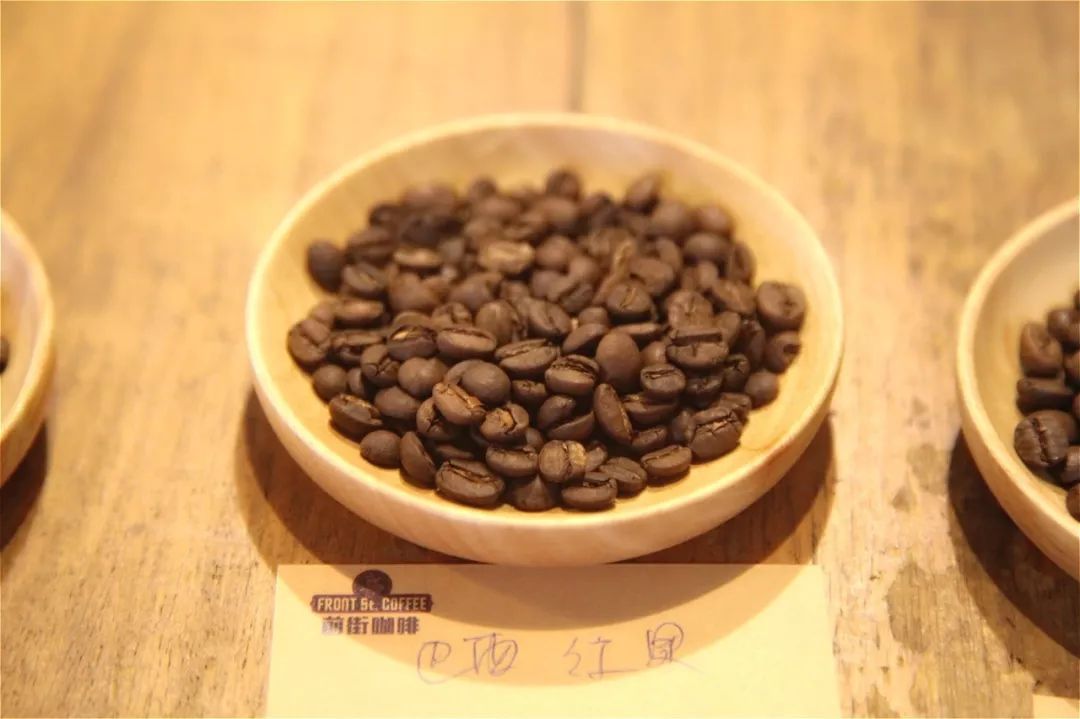
Old Bourbon stock is still cultivated on estates in the Cerrado region of Minas Gerais state in southeastern Brazil. The Cerrado plateau of western and southern Minas mostly sits above 1,100 meters, with varied topography, distinct wet and dry seasons, large day-night temperature swings, and abundant microclimates — ideal for raising elegant Red Bourbon and Yellow Bourbon. These areas have naturally become the heartland of Brazilian specialty coffee.
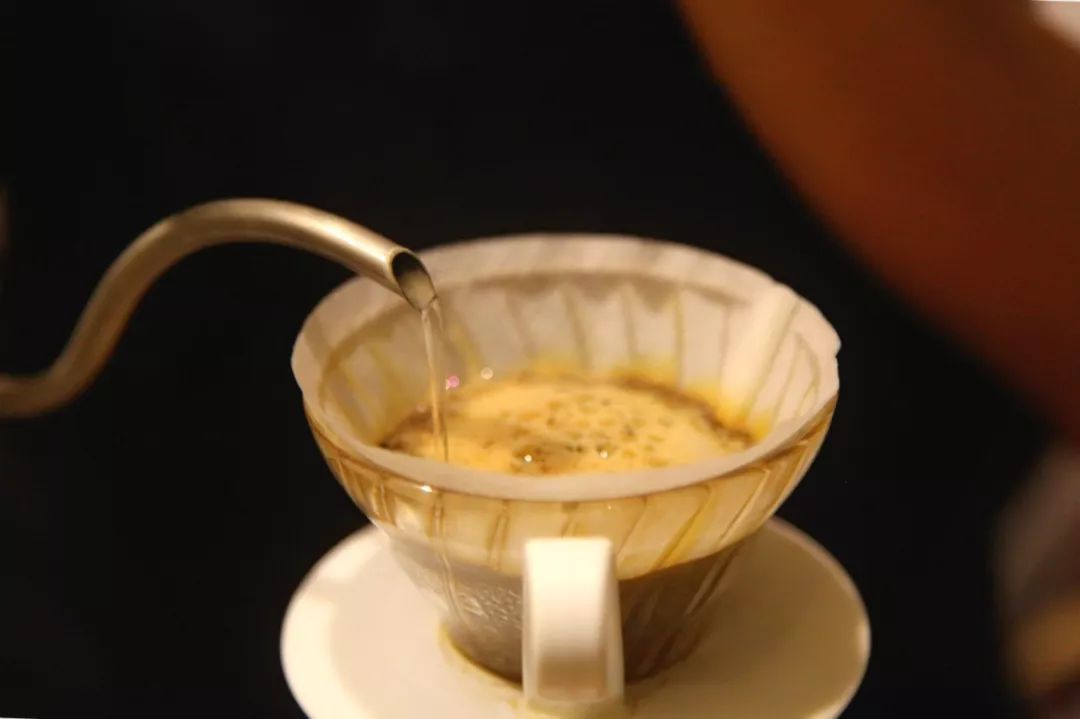
Roast Level: Medium Roast
Recommended Brewing Method: Pour-over
Grind Size: 4 (Fuji R440)
Water Temperature: 88°C
Dripper: V60/KONO
Dry Aroma: Nuts, cocoa
Flavor: Low acidity, heavy nutty notes, excellent chocolate sweetness and body

FrontStreet Coffee Brazil Fazenda Rainha Pulped Natural Yellow Bourbon
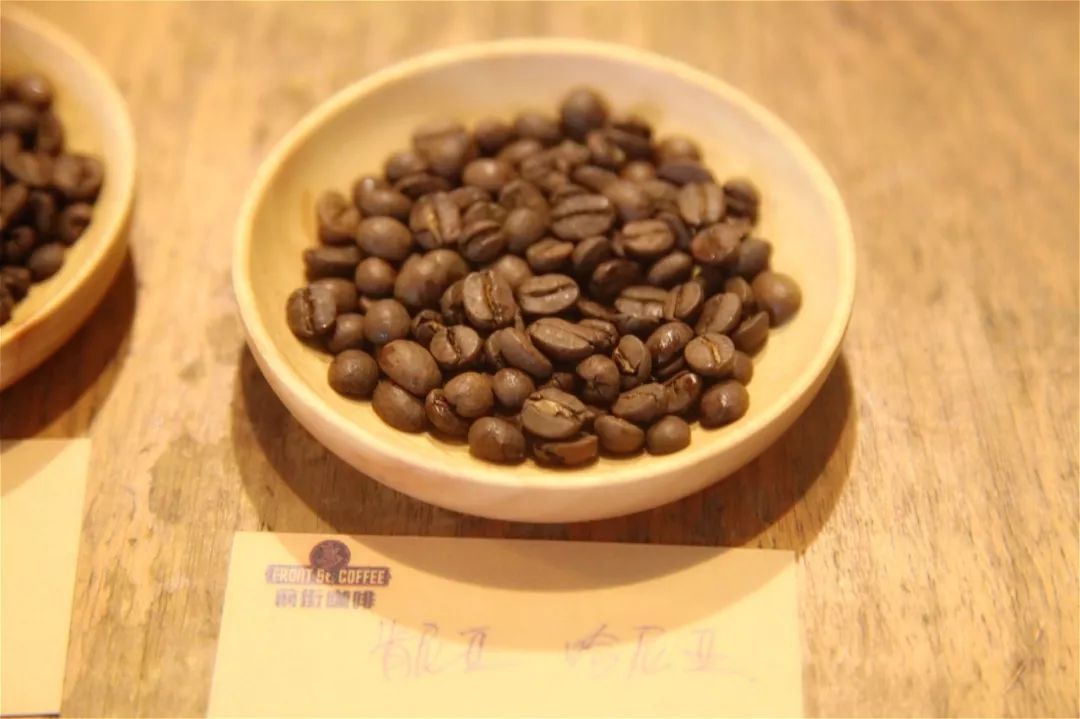
This lot comes from Fazenda Rainha (Queen Estate), a 280-acre farm in the ancient volcanic valley of Vale da Grama, Brazil. Fazenda Rainha belongs to the renowned and highly respected Carvalho Dias coffee family. The family's four major estates have won awards at every Brazil Cup of Excellence since the first competition in 1999 — more than 12 awards in 7 years — and in 2004 they swept the championship plus 9th and 11th places against estates large and small across Brazil.
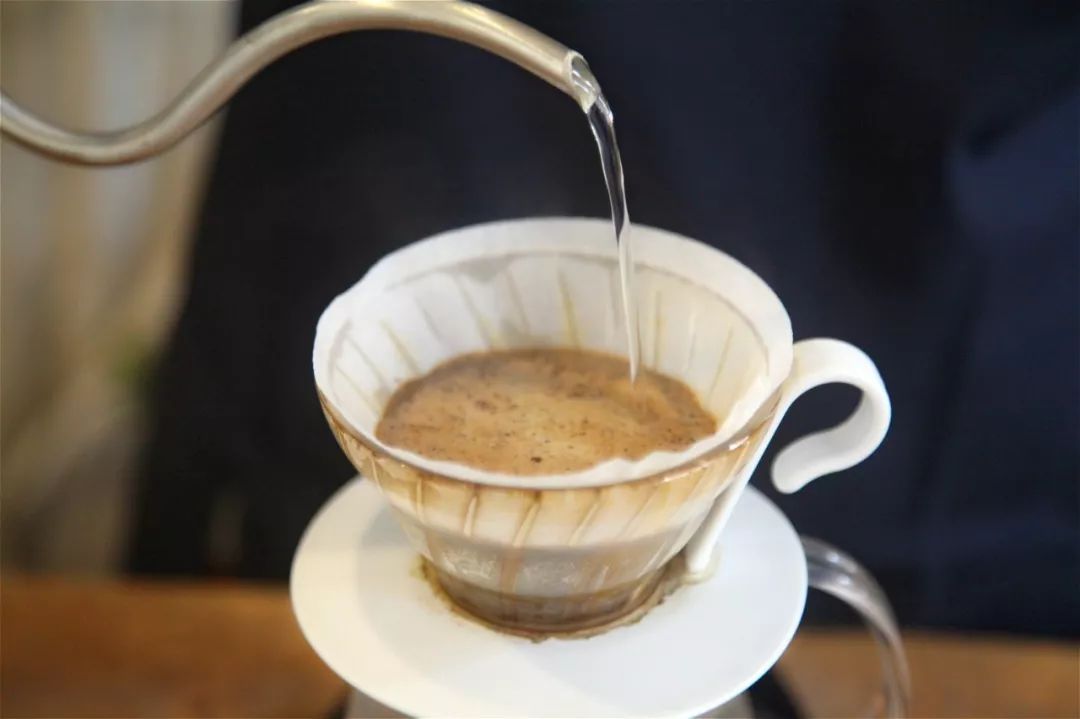
Roast Level: Medium Roast
Recommended Brewing Method: Pour-over
Grind Size: 4 (Fuji R440)
Water Temperature: 88°C
Dripper: V60/KONO
Dry Aroma: Roasted hazelnut, spices
Flavor: Slight fruit acidity, nuts, creamy peanut, chocolate sweetness, high body

FrontStreet Coffee Kenya Chania Natural French Mission Bourbon
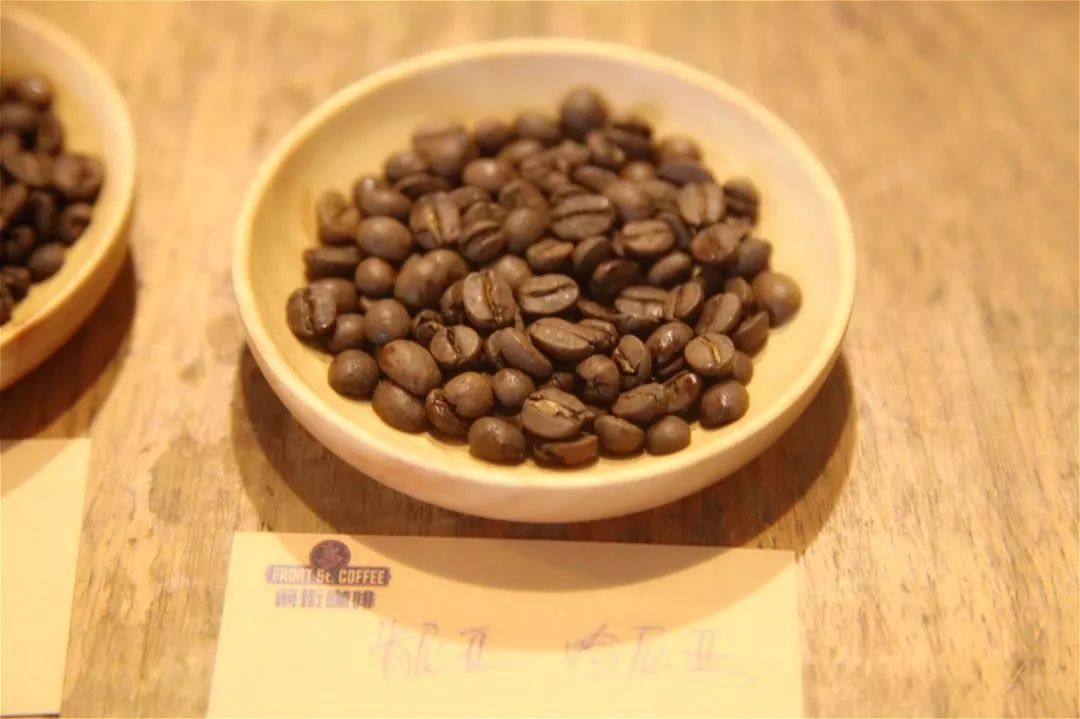
In Kenya, the names you usually hear are the K72 process and the SL28 and SL34 varieties, so a natural-processed French Mission Bourbon is genuinely rare. The distinctive red volcanic soil of Chania Estate, combined with suitable growing temperatures and rainfall in an outstanding natural environment, creates the singular character of Chania's French Mission Bourbon.
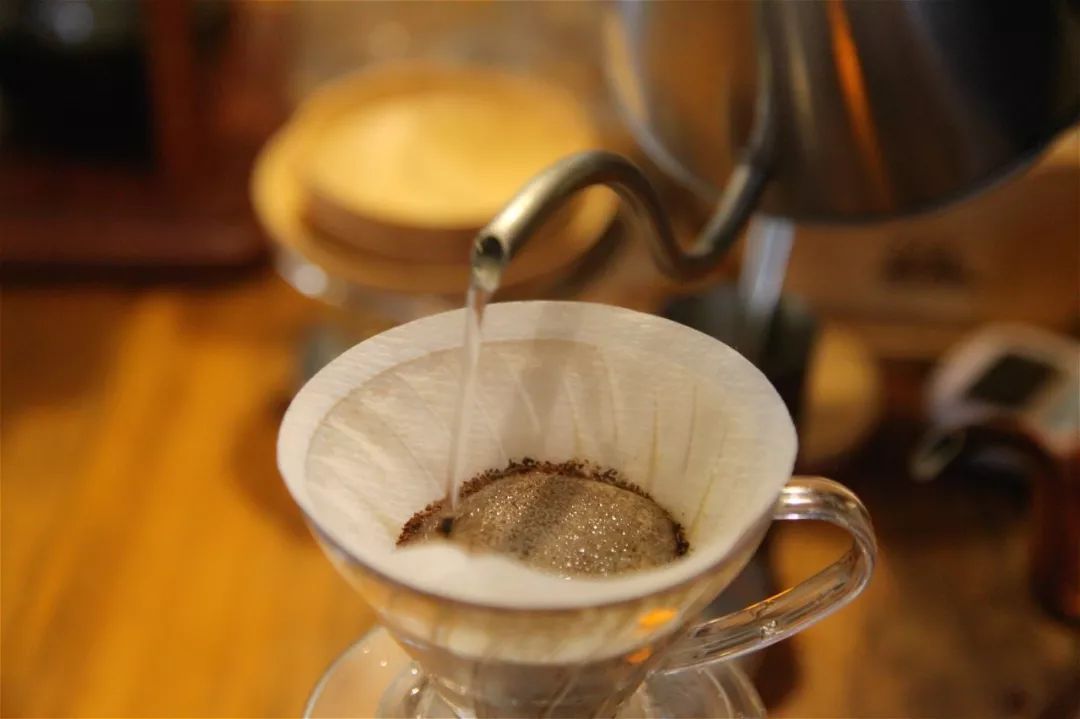
Roast Level: Medium Roast
Recommended Brewing Method: Pour-over
Grind Size: 3.5 (Fuji R440)
Water Temperature: 90°C
Dripper: V60
Dry Aroma: Fermentation, dried fruit, vanilla
Flavor: Caramel, vanilla, and mixed fruits on sipping, with a solid juicy body and an aftertaste of berries, thick jackfruit, and coffee blossom — an overall performance full of Africa's wild regional character.

Conclusion
On the whole, Bourbon beans like [FrontStreet Coffee Brazil Washed Red Bourbon], [FrontStreet Coffee Brazil Fazenda Rainha Pulped Natural Yellow Bourbon], and [FrontStreet Coffee Kenya Chania Natural French Mission Bourbon] share a similar flavor family: distinct dark chocolate, cocoa, nuts, and caramel, with smooth acidity and restrained bitterness.
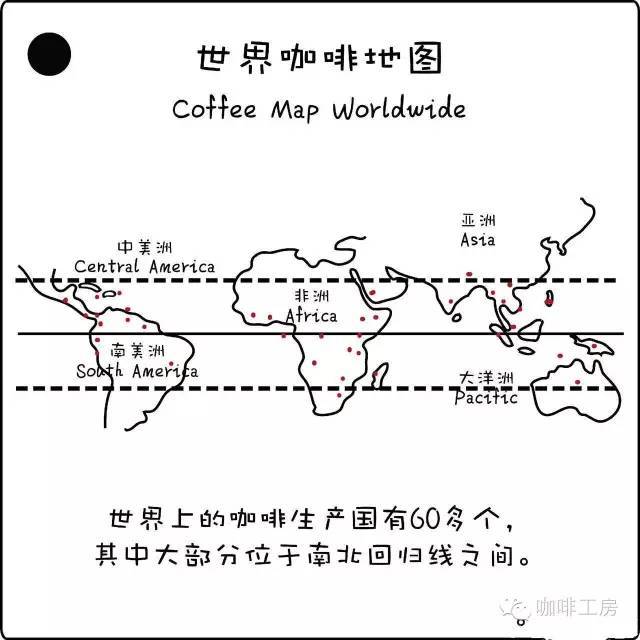
Coffee origins fall mainly into three groups: Africa, Central and South America, and Asia.
Coffee trees grow only in tropical or subtropical regions, so the zone between 25 degrees north and south latitude is best suited to cultivation — the region generally called the "coffee belt" or "coffee zone." Ideal growing conditions are a warm climate between 15°C-25°C and annual rainfall of 1500mm-2000mm, with the timing of the rains coordinated to the trees' flowering cycle.
Beyond season and rainfall, fertile soil is essential. The best soils for coffee drain well and are rich in volcanic ash.
As for altitude, the sweet spot is 1000m-2000m. Clearly, the conditions for producing great coffee are strict: sunlight, rainfall, soil, and temperature, together with harvest methods and processing, all shape the quality of what ends up in the cup.
Bourbon planted in different regions develops slight differences in flavor direction thanks to microclimate, soil, and growing environment — terroir, in a word. Kenya's volcanic ash soils are richer in phosphates, lending [FrontStreet Coffee Kenya Chania French Mission] its tropical fruit acidity while retaining Bourbon's core character, which makes this FrontStreet Coffee Kenya bean the most complex of the three. That's all for today's tasting — hope it helps!
FrontStreet Coffee Recommendation
As the world's largest coffee producer, Brazil grows an enormous range of coffee, and Brazilian beans are known for moderate acidity and a beautiful balance of sweetness, bitterness, and body. That balance makes them perfect for medium roasting, which coaxes out an upfront nutty aroma and a mellow, gently tart cup — equally at home as a single origin or in a blend.
If you'd like a first taste of Brazil, FrontStreet Coffee's Brazil Cerrado Red Bourbon is the classic entry point. Cerrado is one of Brazil's most respected growing regions, and this Red Bourbon lot, medium roasted, shows rich aromas of creamy peanut, toasted bread, caramel, and hazelnut, with a rounded, non-acidic body and just a whisper of bitterness. It works as a pour-over but also suits moka pot, espresso SOE, siphon, and French press.
For something rarer, FrontStreet Coffee's Brazil Fazenda Rainha Yellow Bourbon comes from the Mogiana region near southern Minas, where fertile red volcanic soil feeds the cherries and develops their full aroma. The rare Yellow Bourbon mutation of Red Bourbon gives a cleaner fruit character, and through a pour-over or moka pot you'll find a sugarcane sweetness that no other origin quite offers, alongside fruit and chocolate notes.
Important Notice :
FrontStreet Coffee is a long-established specialty coffee roaster in Guangzhou China, selling freshly roasted beans from its own farm in Yunnan as well as dozens of carefully selected single-origin beans from around the world for both pour-over and espresso. The products deliver consistently excellent quality and great value, with shipping within 24 hours. Guangzhou's FrontStreet Coffee shop is recommended by many coffee lovers, and the beans are now available online at the Tmall 。
FrontStreet Coffee has moved to a new address:
FrontStreet Coffee Address: 315,Donghua East Road,GuangZhou
Tel:020 38364473
 Scan and follow the En Gafei WeChat official account. Please indicate that the reprint comes from "En Gafei".