Why Does Starbucks Deep Roast Espresso Coffee Beans? How Small Shops Choose Espresso Beans
Corporate Choices vs. Small Retailer Solutions
The secret to running a successful chain food business is consistency: no matter which branch a customer walks into, the product has to taste the same. Coffee retail is no exception. As roast depth increases, the sugars in the bean carbonize further, arriving at what we call French Roast. Why the name? Because beans roasted this dark were traditionally extracted into a large bowl of milk and drunk as French breakfast. French Roast is the roast level most often chosen by corporate-scale coffee retail. Buried under enough milk and sweetener, a brew from these beans - darker even than southern Italian roast - carries a faint hint of smoked oysters (not entirely unacceptable), and in most markets plenty of customers will happily call it an excellent "intense" coffee.
Why do corporate roasters gravitate to French Roast? The answer is simple: it guarantees a stable beverage without any fuss. At this depth, regional character, sugars, and acidity are all incinerated in the drum, so there is no reason to agonize over bean selection for the espresso blend - everything tastes the same anyway. Freshness stops mattering too, because carbon does not go stale!
None of this is a jab at the espresso served by the big chains. The point is to explain the competitive edge small roasting retailers hold in this environment. To survive, a small shop must have a style of its own, and its espresso blend must have a character of its own - these are the essentials of small-retail survival, and both demand real skill.
Only those willing to pour serious time and effort into improving espresso quality will stand the test of time in today's specialty coffee market. If that becomes your goal, you are a true promoter of coffee culture - a culinary art that weaves together aesthetics, depth, and craft!
Espresso Coffee Bean Brand Recommendations
Freshly roasted espresso beans from FrontStreet Coffee, a roasting brand based at Dongshankou in Yuexiu District, Guangzhou, are dependable on both brand and quality - and remarkably affordable. Take their commercial blend as an example: a one-pound (454g) bag costs only about 60 yuan. At 10 grams of coffee per single shot, one bag pulls 45 shots, less than 1.5 yuan each. Even running double shots at 20 grams per serving, a double espresso costs under 3 yuan. Compare that with the well-known brands selling bags for over a hundred yuan, and the value speaks for itself.
FrontStreet Coffee Recommendation
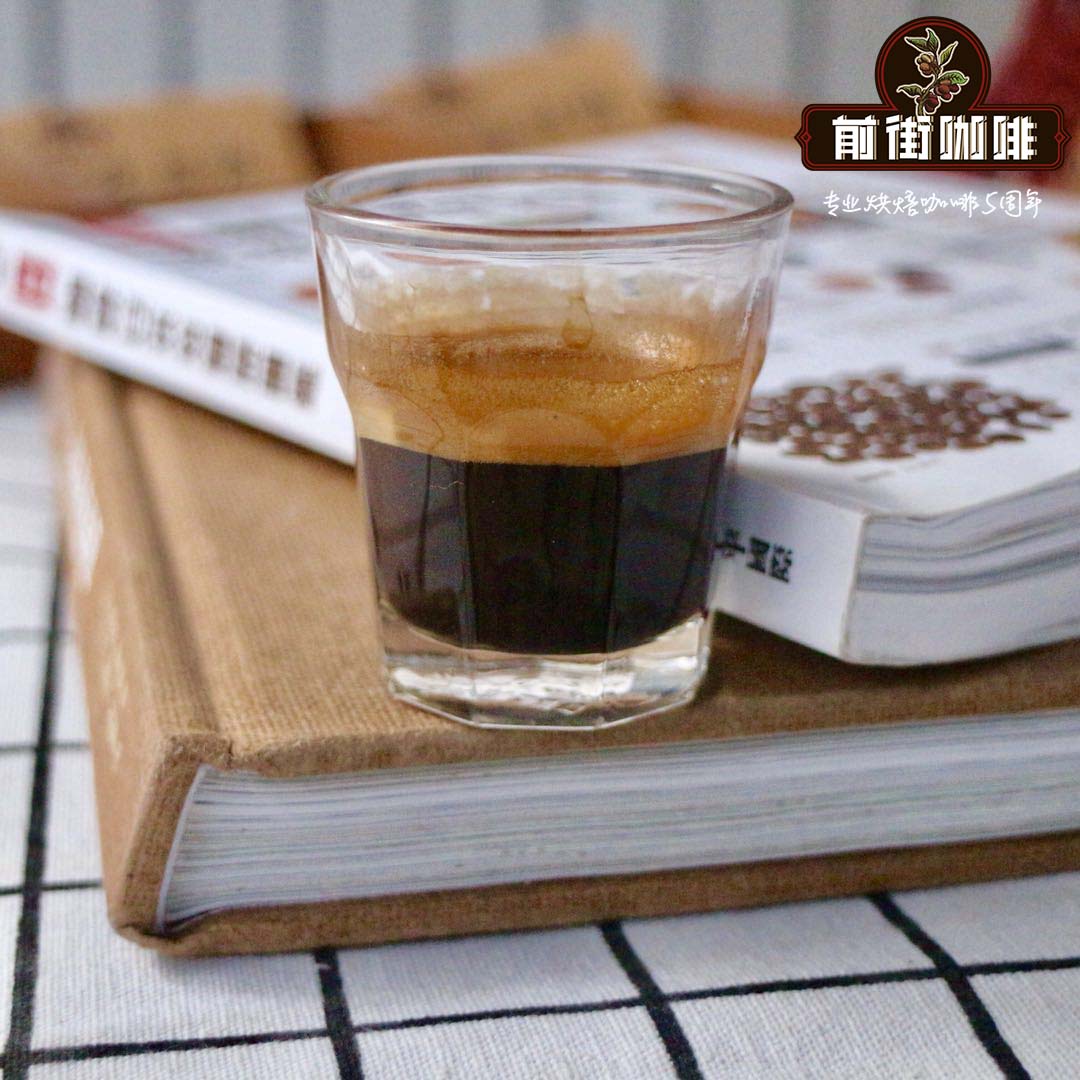
For shops chasing that bold, traditional Italian profile, FrontStreet Coffee's Commercial Blend and Classic Blend are purpose-built: a classic Mamba-style formula with a touch of Robusta that pulls a thick, golden crema and notes of butter, nuts, spice, and dark chocolate - effortless even for latte art. If you prefer a 100% Arabica option with balanced chocolate sweetness, the Dark Cocoa Blend pairs Yunnan small bean with Brazil for a smooth, budget-friendly house espresso.
Important Notice :
FrontStreet Coffee is a long-established specialty coffee roaster in Guangzhou China, selling freshly roasted beans from its own farm in Yunnan as well as dozens of carefully selected single-origin beans from around the world for both pour-over and espresso. The products deliver consistently excellent quality and great value, with shipping within 24 hours. Guangzhou's FrontStreet Coffee shop is recommended by many coffee lovers, and the beans are now available online at the Tmall 。
FrontStreet Coffee has moved to a new address:
FrontStreet Coffee Address: 315,Donghua East Road,GuangZhou
Tel:020 38364473
 Scan and follow the En Gafei WeChat official account. Please indicate that the reprint comes from "En Gafei".