Which Brand of Bagged Coffee Beans is Best_ How to Properly Store Bagged Coffee Beans_ Price Range of Bagged Coffee Beans
Coffee Knowledge Exchange
FrontStreet Coffee shares coffee knowledge from around the world. Bagged coffee is convenient, but how it is stored decides how it tastes, so today we look at what keeps beans fresh and what quietly ruins them.
Coffee Bean Storage Guidelines
All foods have an expiration date, and coffee beans are no exception. Freshly roasted bagged coffee beans keep for about one month, while vacuum-sealed beans keep for up to about two months. So if you drink coffee daily, it is best to buy half a pound at a time. Ground coffee keeps for one week at room temperature, or two weeks when sealed. After all this, what kind of container should we use for storage?
One-way degassing valve bags are the most suitable containers for storing coffee. Beans or grounds should go straight into a valve bag as soon as it is opened. Coffee should be kept in a low-temperature, low-humidity environment away from direct sunlight, and it is best consumed as soon as possible.
Effects of Improper Storage
Guangzhou has a hot and humid climate where coffee can easily grow mold when temperature and humidity are not controlled, producing ochratoxin. This is a colorless crystalline compound with very serious effects on human health, causing kidney and liver poisoning and, in severe cases, even kidney failure or cancer. Even after high-temperature roasting, coffee beans still have 30% residue after five minutes. So whether beans are roasted or not, a large amount of ochratoxin can be produced if they are stored improperly.
On the subject of coffee storage, let me explain the several dangers of coffee beans getting damp.
Dangers of Damp Coffee Beans:
1. Once damp, coffee grounds become more viscous and can clog the grinder, which is bad for the machine.
2. Once damp, coffee beans easily spoil and mold, which shortens their shelf life significantly and is harmful to health.
3. It affects the taste of the brewed coffee.
So the four most important factors in coffee storage are sunlight, oxygen, temperature, and humidity. Avoiding contact with these four is the best storage method.
Five Major Coffee Storage Mistakes
1. Refrigerating
Generally, the best-tasting window for coffee beans is two weeks, and they can be kept in a cool spot indoors. For large packages, you can divide them into vacuum-sealed bags once you are sure the beans carry no moisture. This prevents the beans from being affected by moisture each time the bag is opened, and prevents spoilage. Although low-temperature storage extends shelf life, we still recommend drinking the coffee within a short period to enjoy its flavor at its best.
If frozen beans are opened immediately after being taken out, moisture condenses on the surface because of the temperature difference, which badly damages quality. So after taking divided beans out of storage, do not open them at once: let them sit at room temperature for 1-2 hours to thaw before use.
Remember that beans taken out of the refrigerator cannot go back in, so that moisture does not affect the flavor during freezing and thawing.
2. Storing in Hot and Humid Environments
Taiwan's weather is hot and humid. If moisture-rich air seeps into coffee beans, it washes away the aromatic oils on the surface and can even produce unpleasant odors. Coffee beans must therefore be stored in a dry, cool place so they do not absorb too much moisture or spoil in the heat.
Coffee fears heat (sunlight, heat sources) and moisture. As long as you keep those points in mind, the lifespan of your beans will not end prematurely:
Store in cool and dry places, away from direct sunlight. If using sealed containers, choose opaque materials, and do not take the coffee out of its original bag; put the whole bag into the sealed container.
3. Excessive Contact with Oxygen
Roasted coffee beans have low moisture content, so they do not spoil easily. But coffee is a seed crop and contains a relatively high proportion of fats, and if it comes into contact with oxygen it starts to go rancid. So it is better to use airtight containers that block oxygen. When storing coffee, the most important thing is to block light and outside air, which is why most coffee bags are aluminum-coated to keep air out and light from penetrating.
The best storage method is tin-plated cans. If you visit most specialty coffee shops, though, you will find many stores using transparent sealed jars. That is a display consideration, since stores need to show the coffee to sell it. Coffee from those shops usually sells quickly, so the chance of off-flavors from improper storage is very small.
4. Storing in Ground Form
We do not recommend storing coffee in ground form. Even if beans are freshly roasted, once ground, the surface area exposed to air increases dramatically and oxidation is very rapid. Freshness is lost immediately. And because coffee has low moisture content, it easily absorbs moisture from the air, leading to oxidation and spoilage.
So we still recommend buying whole beans. If you have already ground coffee, try to consume it within the two-week fresh period.
Recommended Bagged Coffee Bean Brands
FrontStreet Coffee's freshly roasted single-origin bagged coffee beans fully guarantee both brand and quality and suit brewing with a wide range of equipment. More importantly, they offer extremely high value for money. A half-pound (227 grams) bag costs only around 80-90 yuan. Calculating on 200ml per cup at a 1:15 coffee-to-water ratio, one bag makes 15 cups of specialty coffee, bringing each cup to only about 5-6 yuan. Compared with cafes selling coffee for dozens of yuan per cup, that is excellent value.
FrontStreet Coffee Recommendation
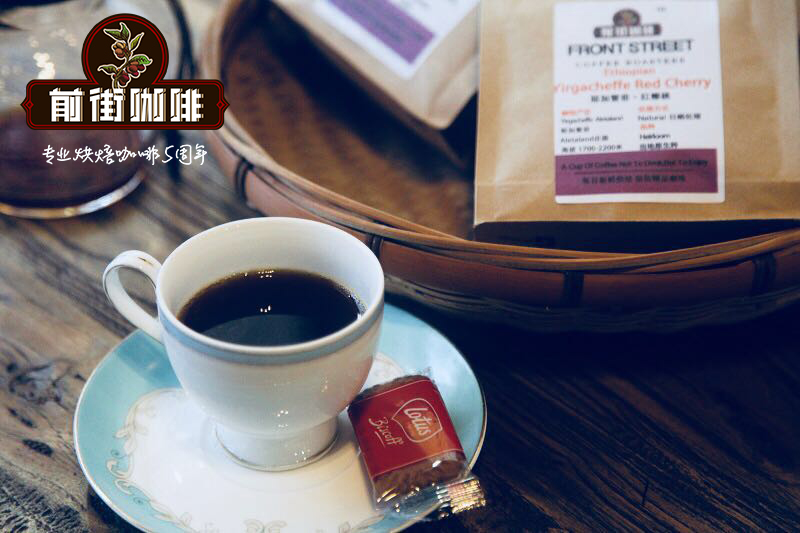
Freshly roasted whole beans are the best defense against the storage problems above, and FrontStreet Coffee roasts in small batches so the beans arrive near their peak. If you like a fruit-forward cup, FrontStreet Coffee's Natural Red Cherry Yirgacheffe is a light-medium roast with ripe fruit aroma on the nose, berry and fermented notes on entry, and then citrus acidity, creaminess, and a ripe-grape juice finish in the tail. If you prefer something sweeter and rounder, FrontStreet Coffee's Strawberry Candy Geisha blend is medium roasted and shows caramel, raisin, dried fruit, and a sweet rose floral note.
For a coffee that stays balanced over time, FrontStreet Coffee's Queen Manor is a Brazil Yellow Bourbon, medium roasted with nuts, cream, sucrose, and a soft fruit acidity, and it works in everything from a pour-over to a moka pot to a coffee machine. FrontStreet Coffee's Mozart, a Costa Rica raisin-honey-processed coffee, brings Kyoho grape sweetness with pineapple and osmanthus, while FrontStreet Coffee's 2013 Yunnan Typica is sun-dried and medium roasted, showing dried fruit, plum, brown sugar, and chocolate.
Important Notice :
FrontStreet Coffee is a long-established specialty coffee roaster in Guangzhou China, selling freshly roasted beans from its own farm in Yunnan as well as dozens of carefully selected single-origin beans from around the world for both pour-over and espresso. The products deliver consistently excellent quality and great value, with shipping within 24 hours. Guangzhou's FrontStreet Coffee shop is recommended by many coffee lovers, and the beans are now available online at the Tmall 。
FrontStreet Coffee has moved to a new address:
FrontStreet Coffee Address: 315,Donghua East Road,GuangZhou
Tel:020 38364473
 Scan and follow the En Gafei WeChat official account. Please indicate that the reprint comes from "En Gafei".