What Does Costa Rica Tarrazu SHB Mean_How is Costa Rica Tarrazu Coffee
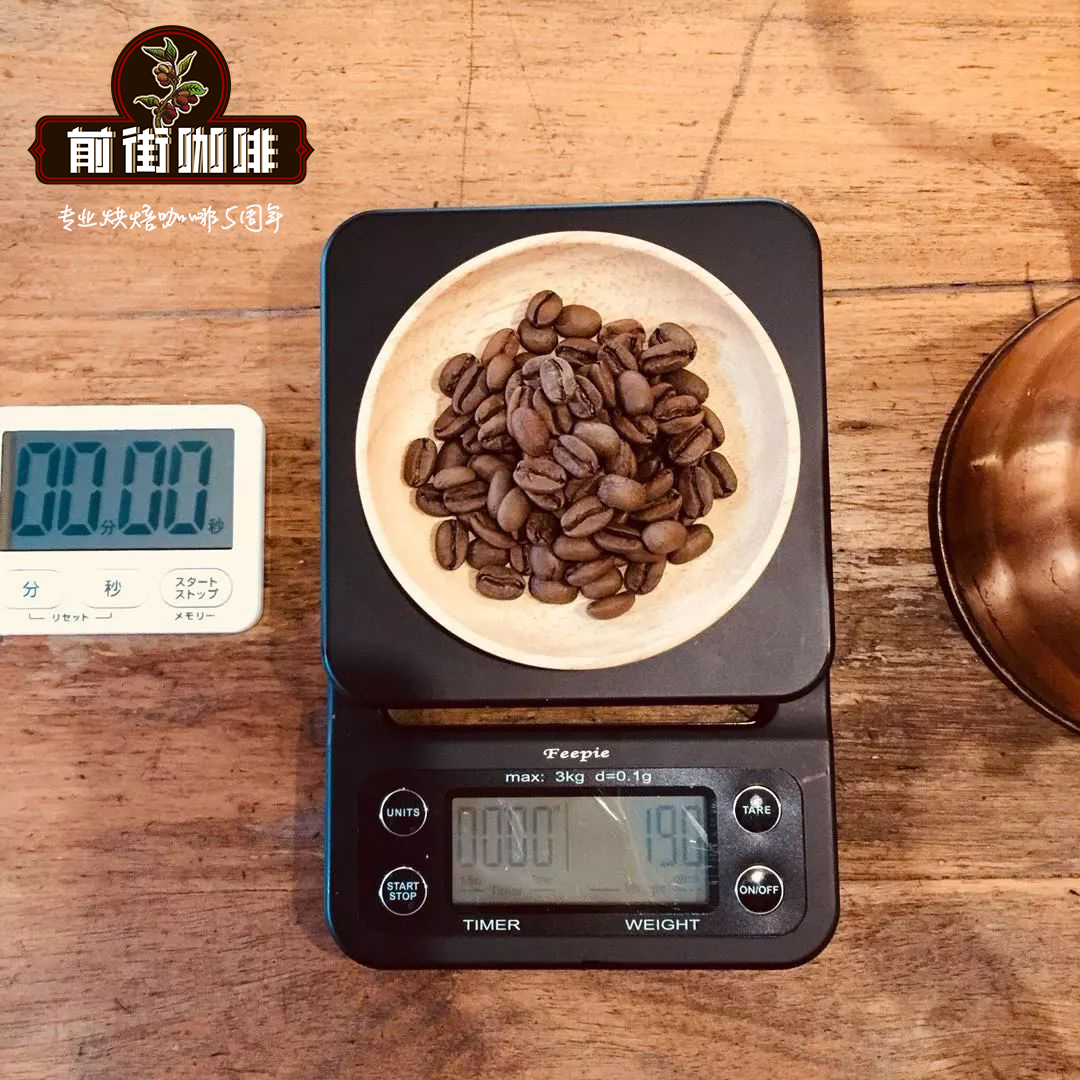
The Costa Rica Tarrazu Coffee Region
Tarrazu, in Costa Rica, ranks among the world's great coffee regions, producing coffees with a light, clean flavor and an inviting aroma. Costa Rica's volcanic soil is exceptionally fertile and drains well, and the country was the first in Central America to grow coffee and bananas on a commercial scale — both remain its principal export commodities.
Coffee arrived in Costa Rica from Cuba, and today the industry is one of the most efficiently organized anywhere, with yields reaching 1,700 kilograms per hectare. With a population of only 3.5 million, Costa Rica counts some 400 million coffee trees, and coffee exports make up 25% of the country's total export value. The country also benefits from the Central American Agricultural Research Institute (IAAC) based in Turrialba, an important international research center.
High-Quality Costa Rican Coffee
Costa Rica's top coffee carries the grade "Strictly Hard Bean" (SHB) — coffee grown at altitudes above 1,500 meters. Altitude has always been the grower's great challenge and opportunity. The higher the elevation, the better the bean: not only does altitude sharpen the coffee's acidity and intensify its flavor, but cooler nights slow the trees' growth, concentrating flavor in the beans.
Elevation differences also bring generous rainfall, which the trees love. Of course, mountain farming has its price — the extra transport costs can make high-altitude production unprofitable — so Costa Rica's industry has adopted new technology to stay efficient, including "electric eye" optical sorting to screen out irregularly sized beans.
Notable Coffee Varieties
Tarrazu lies south of the capital, San José, and is one of the country's most prized growing regions. "La Minita Tarrazu" is a local specialty with a limited output of roughly 72,600 kilograms a year. It is grown on the La Minita estate, owned by the British McAlpine family for three generations. In fact the land could yield more than 450 tons of coffee annually, but La Minita Tarrazu is cultivated without artificial fertilizers or pesticides, and harvesting and selection are done entirely by hand to avoid the damage air-jet sorting can inflict on the beans.
Other names worth knowing include Juan Vinas (PR), H. Tournon, Windmill (SHB), Monte Bello, and Santa Rosa. Premium coffee generally grows in Heredia and the Central Valley. Another notable coffee is Sarchi — Sarchi being one of the five towns along Costa Rica's "Coffee Route" — grown on the slopes of Poás Volcano, 53 kilometers from San José. The Sarchi company was founded in 1949 on 30,770 hectares planted with sugarcane and coffee; the region is also famous for its handicrafts and draws tourists from around the world.
Coffee trees in Central America are almost exclusively Arabica. Costa Rica introduced coffee from Cuba in 1779 and, a little more than 40 years later, made its first successful coffee export in 1820.
Coffee is grown mainly in two mountainous zones. The first lies in the central highlands of Tarrazu and Dota Tarrazu. Since Costa Rica faces the Pacific on one side and the Atlantic on the other, coffee is also planted on coastal mountains. The second zone is the highlands of Tres Ríos around San José, at an altitude of roughly 4,000 feet, home to estates such as Bella Vista and La Magnolia.
Recommended Costa Rica Tarrazu Coffee Bean Brands
FrontStreet Coffee's roasted Costa Rica Tarrazu beans — the Shumava Estate Black Honey lot — carry strong guarantees in both brand and quality, and more importantly, exceptional value. A half-pound (227 g) bag costs just 95 yuan. At 15 grams of coffee per cup, one bag brews 15 cups — about 6 yuan each — against the tens of yuan a café charges per cup.
About FrontStreet Coffee
FrontStreet Coffee is a Guangzhou roastery with a small storefront but a remarkably diverse bean selection — famous names and hidden gems alike — with online ordering available.
FrontStreet Coffee Recommendation
If bright, fruity, lightly roasted coffees appeal to you, FrontStreet Coffee's Kenya "Little Cherry Tomato" is a standout: a washed Kenyan lot from the Thika region, grown at 1,550–1,750 meters on classic SL28 and SL34 varieties. It undergoes Kenya's signature 72-hour double-wash fermentation and a light roast, yielding intense dried-tomato and floral aromatics, vivid cherry tomato and dark plum acidity with a juice-like body, fresh pear and black plum in the mid-palate, and a clean finish of yellow sugar and green tea.
For a gentler introduction, the Ethiopia Hua Kui is one of the most celebrated stars of the specialty market in recent years — bursting with tropical fruit aromas of strawberry, passion fruit, jackfruit, and even lychee, with pronounced sweetness, minimal bitterness, and a smooth, juice-filled cup often described as "the coffee for people who don't like coffee."
Important Notice :
FrontStreet Coffee is a long-established specialty coffee roaster in Guangzhou China, selling freshly roasted beans from its own farm in Yunnan as well as dozens of carefully selected single-origin beans from around the world for both pour-over and espresso. The products deliver consistently excellent quality and great value, with shipping within 24 hours. Guangzhou's FrontStreet Coffee shop is recommended by many coffee lovers, and the beans are now available online at the Tmall 。
FrontStreet Coffee has moved to a new address:
FrontStreet Coffee Address: 315,Donghua East Road,GuangZhou
Tel:020 38364473
 Scan and follow the En Gafei WeChat official account. Please indicate that the reprint comes from "En Gafei".