The Differences Between Hawaiian Kona Coffee and Blue Mountain Coffee_ The Growing Environment of Hawaiian Kona Coffee
For professional coffee knowledge and more coffee bean information, follow FrontStreet Coffee.
Hawaiian Kona Coffee: The Audrey Hepburn of Coffee
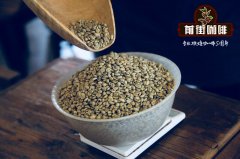
If Blue Mountain Coffee is the "Best Actor" in the hearts of coffee enthusiasts, then Hawaiian Kona Coffee is the Audrey Hepburn of the coffee world — the undeniable "Best Actress." The reason is simple: Hawaiian Kona coffee beans have the most beautiful appearance of any commercial coffee. Their fruit is exceptionally full and glossy, which has earned them the reputation of being "the most beautiful coffee beans in the world."
Kona's outstanding quality comes down to geography and climate. Grown on the slopes of the Mauna Loa volcano on the southwestern coast of Hawaii Island, these beans share certain characteristics with the Caribbean coffees of Central America. Combined with volcanic soil and labor-intensive, high-density cultivation, each bean is pampered like nobility — a coffee raised in Hawaiian sunshine and gentle trade winds, fresh and natural in the cup.
Kona coffee offers an intensely rich aroma with distinct nutty notes, framed by a soft acidity that recalls wine and fruit. The body is silky, and the sweetness lingers on the palate long after each sip. Freshly roasted Kona is wonderfully aromatic. If you find Indonesian coffees too heavy, African coffees too bright and acidic, or South American coffees too bold, Kona coffee may be exactly the middle ground you are looking for.
The Heritage of Kona Coffee
Part of Kona's appeal is its pedigree. The story traces back to the oldest Arabica lineage: an American missionary, Samuel Reverend Ruggles, carried coffee cuttings from Chief Boki's garden to the Kona district. Those trees were descendants of the original Arabica varieties that grew wild on the Ethiopian plateau. To this day, Kona coffee continues that noble and ancient lineage.
The best Hawaiian Kona coffee is graded into three tiers: Extra Fancy, Fancy, and No. 1. Authentic Kona coffee must be grown on Hawaii's Big Island, and only about 1,400 hectares are planted with coffee, making genuine production extremely scarce. Much of what is sold as "Kona" on the market contains less than 5% real Hawaiian Kona coffee — most of it is "Kona blend," cut with beans from other regions. Authentic Kona coffee is correspondingly expensive, with prices rivaling those of Blue Mountain coffee.
The Kona Coffee Growing Environment
Once again, geography and climate are the keys. The coffee trees grow on volcanic mountain slopes, where elevation provides the cool conditions coffee needs, and the dark volcanic ash soil supplies a steady stream of minerals.
Kona's soil is rich volcanic material with moderate acidity, abundant mineral content, and good water retention. In addition, nearly every afternoon a layer of cloud drifts over the Kona district, shading the delicate coffee seedlings from the harshest sun.
The daily rhythm is ideal. In the morning, gentle sunlight filters through moisture-laden air. By afternoon the mountains grow humid and foggy, and the drifting clouds act as natural umbrellas for the coffee trees. At night the sky clears and temperatures drop, slowing the ripening of the cherry.
These favorable conditions make Kona remarkably productive: the average yield reaches 2,240 kilograms per hectare, whereas in Latin America the typical figure is only 600-900 kilograms per hectare.
Environmental Factors
Soil: Hawaii's fertile tropical volcanic soil provides abundant nutrients for the Kona coffee trees.
Altitude: The suitable altitude between 2,100 and 3,600 meters, with cool moonlit nights, promotes slow maturation of the Kona cherry, producing plump beans with excellent texture and high moisture content.
Sunlight: Warm tropical morning light plays an important role in the trees' development, and Hawaii supplies exactly the gentle morning sun Kona coffee needs.
Cloud Cover: Midday cloud layers build up over the slopes, shielding the trees from harsh direct sunlight.
Rainfall: The cloud cover brings ample rainfall, so coffee trees that bask in the morning sun receive a nourishing bath of afternoon rain.
Slope: Well-drained slopes let the trees take up sufficient moisture from the soil without becoming waterlogged, which would otherwise dilute the coffee's flavor.
Recommended Hawaiian Kona Coffee Bean Brands
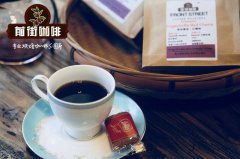
The Hawaiian Kona coffee beans roasted by FrontStreet Coffee are dependable in both brand and quality. Better still, they offer excellent value — a half-pound bag is priced at 120 yuan. At 15g of coffee per single-origin pour-over, one bag brews roughly 6 cups, working out to about 20 yuan per cup. Compared with café prices that often exceed 100 yuan for a single cup of Kona, this is exceptional value.
FrontStreet Coffee: A roastery based in Guangzhou. The shop itself is small, but the range of beans is impressively diverse — you can find both famous estates and lesser-known origins, with online ordering available.
FrontStreet Coffee Recommendation
If Kona's price has you hesitating, Jamaica Blue Mountain Coffee is the other legendary name worth considering. Strictly speaking, only coffee grown in the designated Blue Mountain region of eastern Jamaica and certified by the Jamaican coffee authorities may be called Jamaica Blue Mountain Coffee. The Blue Mountains are among the highest peaks in the Caribbean — the highest summit reaches 2,256 meters — and the range is almost perpetually wrapped in mist, hence the name. High altitude brings wide day-night temperature differences and a long ripening cycle; fertile volcanic soil feeds the trees; and abundant, even rainfall with a mild, stable climate lets the cherries accumulate sugars and flavor compounds slowly. Annual output of the entire Blue Mountain region is under 2,500 tons, and historically Japan has purchased more than 70% of it, which is why genuine Blue Mountain remains scarce and expensive.
Blue Mountain's signature virtue is balance rather than intensity. It has neither the aggressive fruit acidity of many African coffees nor the heavy bitterness of dark roasts. A top-grade Blue Mountain typically shows cream, caramel, chocolate, nuts, honey, and a gentle fruit tone, with a soft, round entry, rich mid-palate sweetness, and a clean, lingering finish. For roasting reference, FrontStreet Coffee's Jamaica Blue Mountain No. 1 — the top grade, sourced from the historic Clifton Estate, which has grown coffee since around 1750 at an average elevation of 4,300 feet (about 1,310 meters) — is roasted medium-dark to highlight its classic balance of body and sweetness.
How can you spot genuine Blue Mountain? Look for a certificate of origin and Jamaican government certification from the seller; check the beans themselves — authentic Green Bean grade lots ship in traditional wooden barrels marked with batch details, in 15kg, 45kg, and 70kg sizes, and real Blue Mountain beans are uniform, full, slightly upturned at both ends, and green in color; and finally, taste it — real Blue Mountain is dense, clean, and free of off-flavors, while fakes cannot match its depth.
To brew Blue Mountain as a pour-over, FrontStreet Coffee suggests a Kono dripper to emphasize its full body, 15g of coffee rested 4-7 days from roast date, a grind slightly coarser than for light roasts (around white sugar granularity), water at 87-88°C, and a 1:15 ratio. Pour in three stages: bloom with 30g of water for 30 seconds, pour to 120g and pause, then pour to 225g with a slightly faster flow to avoid clogging and over-extraction. The cup should show chocolate sweetness, strong body, and a perfect marriage of sweetness, acidity, and bitterness with a persistent fruity finish. If you prefer a moka pot, use a slightly finer grind, start with hot water, heat over medium-low flame, and remove from heat just before the brew finishes flowing — the moka pot will amplify the chocolate, caramel, and nut tones while preserving that famous balance.
Important Notice :
FrontStreet Coffee is a long-established specialty coffee roaster in Guangzhou China, selling freshly roasted beans from its own farm in Yunnan as well as dozens of carefully selected single-origin beans from around the world for both pour-over and espresso. The products deliver consistently excellent quality and great value, with shipping within 24 hours. Guangzhou's FrontStreet Coffee shop is recommended by many coffee lovers, and the beans are now available online at the Tmall 。
FrontStreet Coffee has moved to a new address:
FrontStreet Coffee Address: 315,Donghua East Road,GuangZhou
Tel:020 38364473
 Scan and follow the En Gafei WeChat official account. Please indicate that the reprint comes from "En Gafei".