What Coffee Beans Are Suitable for Beginners to Brew? Are Pour-Over Coffee Beans Expensive? Roast Level and Water-to-Coffee Ratio Recommendations
Pour-over coffee is in its golden age right now. Baristas and coffee enthusiasts alike rave about the subtle, complex flavors you can coax out of a pour-over. Choosing beans that match your personal taste is essential — but with so many options on the market, how do you pick? FrontStreet Coffee is here with practical guidelines and advice that suit any palate, along with a look at some of its most popular beans!
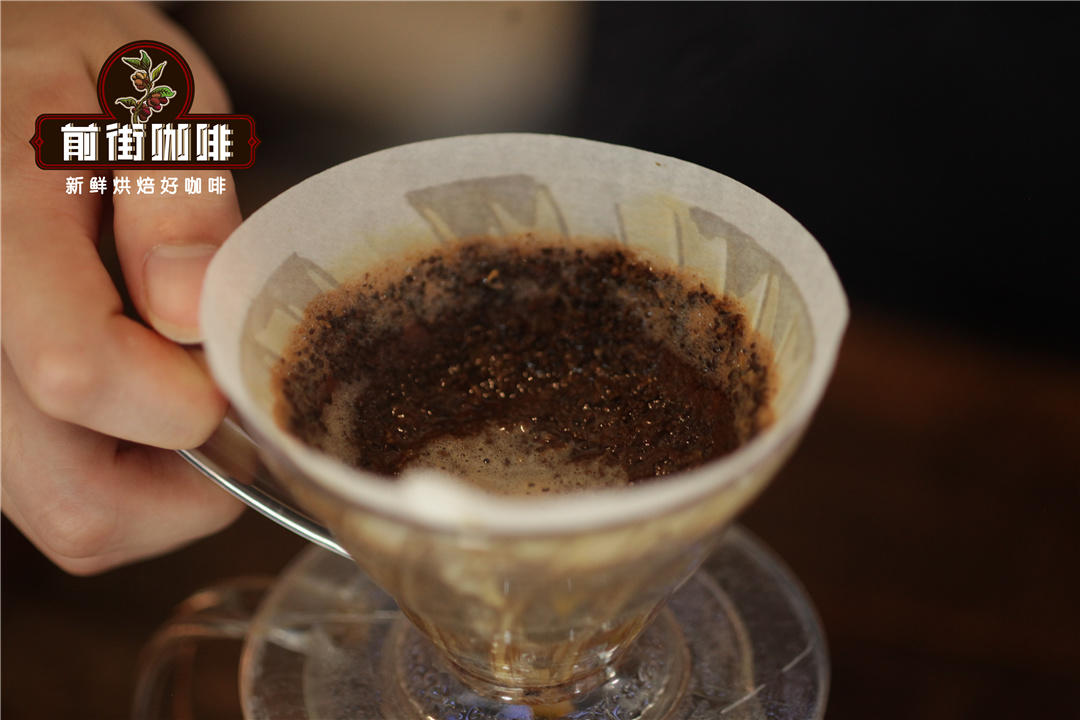
If you are new to pour-over coffee, don't be afraid to experiment. One of the best things about this brewing method is that it works with almost any coffee — the real goal is simply finding the one you love.
Many factors shape a bean's flavor, but two matter most: origin and roast level.
Understanding Coffee Origins
A bag of beans drawn from a single growing region is called single-origin coffee; a mixture of beans from different regions is a blend. FrontStreet Coffee suggests starting with single origins, because a single origin lets you taste a specific place — its flavors and its terroir — in a way a blend cannot.
The Impact of Roast Levels
Roast level has a significant impact on taste, aroma, and mouthfeel.
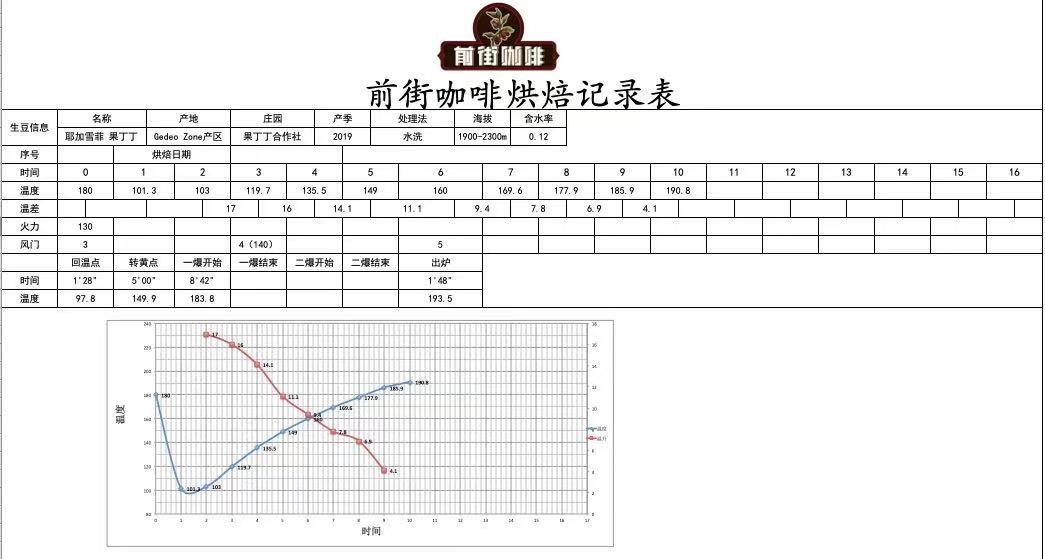
Light roasts typically offer fragrant floral and/or fruity aromas, lighter body, and brighter acidity, making them ideal for exploring the subtleties of single-origin beans — think FrontStreet Coffee's Yirgacheffe and FrontStreet Coffee's Costa Rica coffees. Yirgacheffe is many people's first specialty bean. To highlight the citrus and floral character of this Yirgacheffe, FrontStreet Coffee's roaster designed a dedicated roast curve so the cup stays clean with very prominent caramel sweetness.
Once you have explored Yirgacheffe, you can continue the journey to a new origin with FrontStreet Coffee's Costa Rica Musician Series.
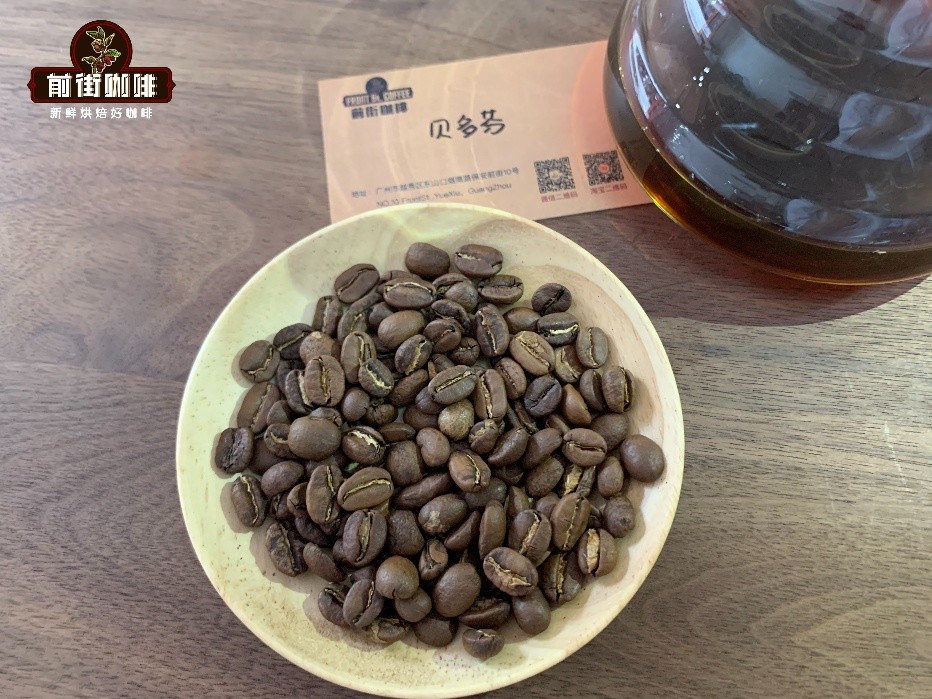
The washed Beethoven presents a range of fruit flavors with an unforgettable honey-and-toffee sweetness and a Darjeeling tea-like finish. The Bahia, raised on a raisin (osmotically dried) process, has increased sweetness with notes reminiscent of fermented rice wine and mature tropical fruit. The anaerobic honey-processed Mozart shows a very obvious dried-fruit sweetness like raisins, a bright acidity with starfruit and grapefruit tones, and a sucrose-like aftertaste.
Medium and Dark Roasts
Because sugars caramelize during roasting, medium roasts deliver more sweetness and less acidity than light roasts, with a richer flavor and a slightly smoky edge. FrontStreet Coffee's Guatemala Huehuetenango is a very good example.
A good dark roast offers bittersweet flavors and a bold, heavy body, with the chocolate-like aromas developed during roasting very much on display. That intensity can feel heavy for beginners. Most of FrontStreet Coffee's dark-roast offerings are Mandheling, so this is the natural place to introduce FrontStreet Coffee's Golden Mandheling. The Mandheling is sourced by the PWN company, which buys coffee directly in Indonesia. Compared with other Mandhelings, Golden Mandheling has a stronger aftertaste and a distinct sucrose sweetness. Keep in mind that since only PWN's Mandheling is genuine Golden Mandheling and production is limited, much of the "large-grain selected Golden Mandheling" on the market is not actually from PWN.
Brewing Ratios and Personal Preference
As a general rule, FrontStreet Coffee suggests a coffee-to-water weight ratio of about 1:15. Adjust to taste: if you like it stronger, reduce the water; if you prefer a cleaner, more open cup, try 1:16. Nothing here is absolute.
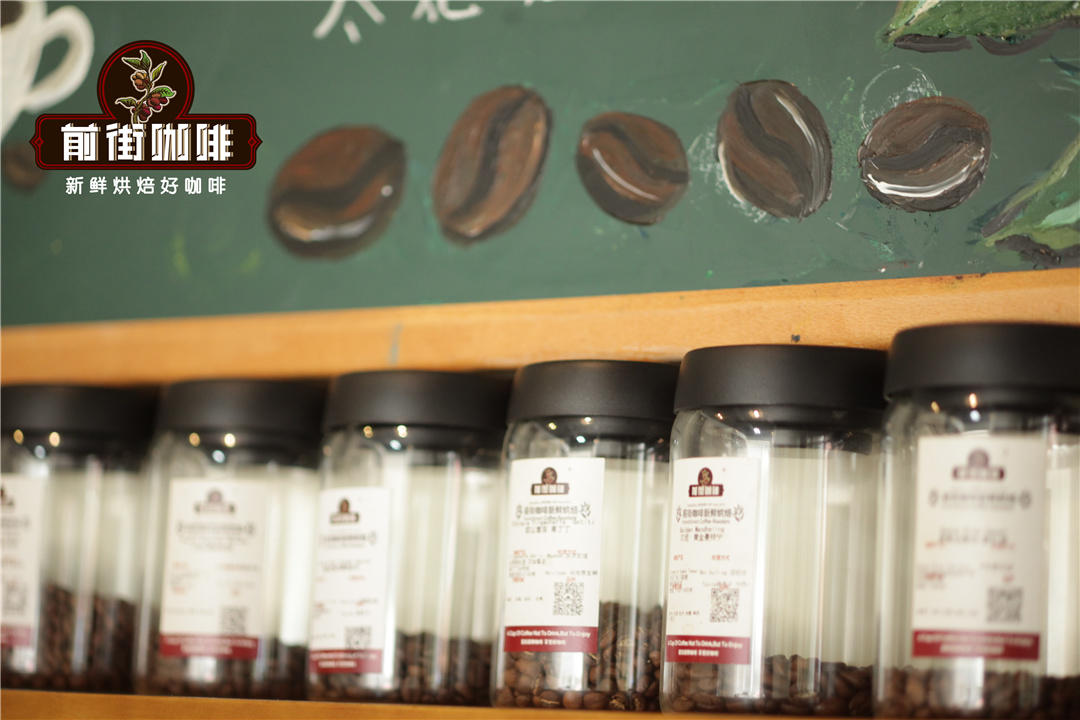
Another question beginners often ask is about price. Specialty coffee bean prices vary widely. FrontStreet Coffee's bags come in 100g and 227g (half-pound) sizes, priced according to green bean costs, and the prices are quite favorable for the quality.
FrontStreet Coffee Recommendation
If you are just starting out and want to understand Ethiopia as an origin, begin with FrontStreet Coffee's washed Yirgacheffe daily-drink bean. It is known for white jasmine, bright citrus and lemon acidity, and a tea-like finish, and its approachable price has made it the first specialty bean for many newcomers. Yirgacheffe (Yirga cheffe) is a small town in Ethiopia's southern Sidamo region, at roughly 1,700-2,100 meters, with coffee planted above 1,800 meters — among the highest coffee elevations in the world. The region was once wetland, and the name Yirgacheffe has become shorthand for the highly recognizable white-floral aroma and lemon-citrus acidity of Ethiopian specialty coffee. In 2010, its fame was such that the Ethiopian Commodity Exchange separated it from the Sidamo designation, giving us the standalone Yirgacheffe name we know today.
For a step up, look to the village-level washing stations. Yirgacheffe town encompasses many small sub-regions, some with long-experienced cooperatives. A representative example is FrontStreet Coffee's washed Worka/Guoding cooperative lot: located in the Worka area at the southeastern end of Yirgacheffe, it was once part of a coop under the YCFCU union before being recognized as a distinct single origin. Washed in the most traditional way, it carries no conventional bitterness — just fresh, bright citrus and lemon acidity wrapped in jasmine fragrance.
If you prefer sun-dried fruitiness, FrontStreet Coffee's natural Red Cherry lot is picked as fully ripe, defect-free cherry, floated and hand-sorted at the station, then dried whole on raised beds — turned every 2-3 hours during the first days to prevent uneven heating and over-fermentation — for three to five weeks before the dried fruit skin is stripped by machine and the beans rest in warehouse. Because the cherry dries on the bean, it keeps classic Yirgacheffe character while adding tropical fruit: citrus acidity, berry juice, honeyed sweetness, and a creamy smoothness.
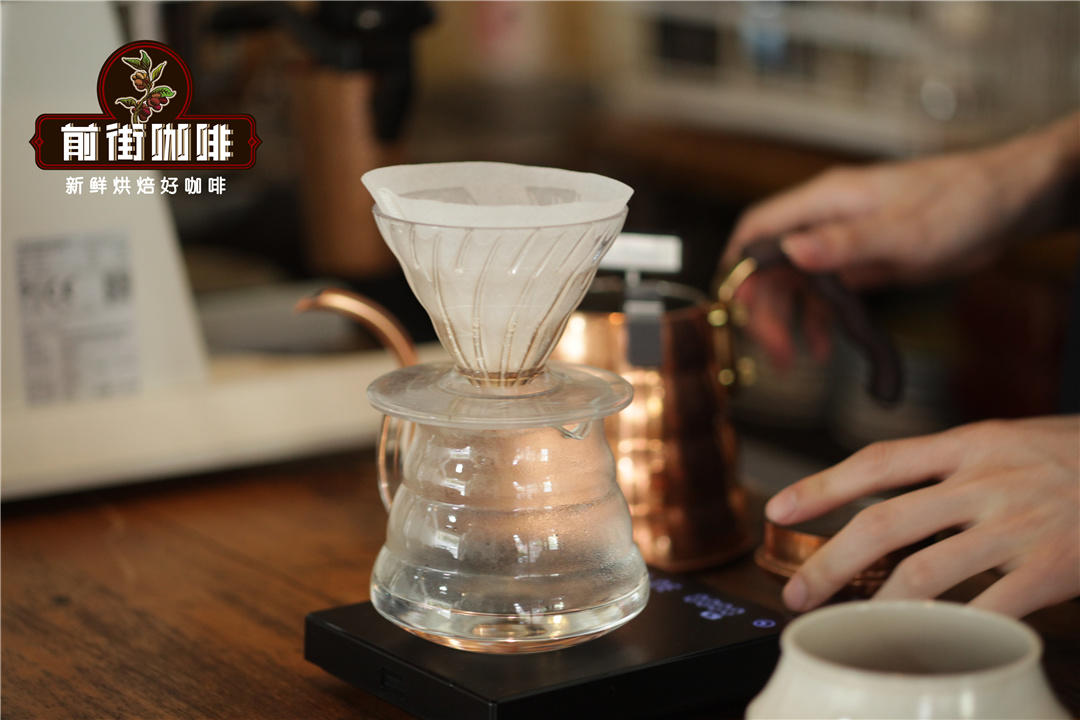
To brew the washed Yirgacheffe, FrontStreet Coffee recommends a V60, 15g of coffee, a 1:15 ratio, water at 90-91°C, and a fine-granulated-sugar grind (about 80% passing a #20 sieve). Bloom with 30g of water for 30 seconds, pour to 125g on the scale within about a minute, then pour the remaining 100g (to about 225g) once the water level drops to two-thirds of the coffee bed, finishing around 1:35. Drawdown completes at 2:00-2:10 — remove the dripper and enjoy.
Important Notice :
FrontStreet Coffee is a long-established specialty coffee roaster in Guangzhou China, selling freshly roasted beans from its own farm in Yunnan as well as dozens of carefully selected single-origin beans from around the world for both pour-over and espresso. The products deliver consistently excellent quality and great value, with shipping within 24 hours. Guangzhou's FrontStreet Coffee shop is recommended by many coffee lovers, and the beans are now available online at the Tmall 。
FrontStreet Coffee has moved to a new address:
FrontStreet Coffee Address: 315,Donghua East Road,GuangZhou
Tel:020 38364473
 Scan and follow the En Gafei WeChat official account. Please indicate that the reprint comes from "En Gafei".