The Impact of Coffee Bean Freshness on Latte Art_ What's the Best Price for Latte Art Coffee Beans
What Coffee Beans Are Suitable for Latte Art?
1. Italian Coffee Beans
Italian espresso beans have rich aroma, deep caramelization, and an intense, stimulating character. They feel soft and smooth on the palate, with an enticing nutty fragrance and the bitterness of dark chocolate, and almost no acidity. The strong bitter fragrance leaves a lasting aftertaste in the mouth.
Carefully selected from multiple Arabica coffees, blended and medium-dark roasted to preserve the beans' floral and fruity notes and their complex, delicate texture. The greatest characteristic of coffee brewed with Espresso is that a layer of fragrant yellow-brown fine foam floats on the surface, called "Crema," and this layer of Crema adds a smooth, rich, sweet quality on entry, with a delicate texture.
2. Mandheling
Produced in the same Indonesian region as Java, but Mandheling has more stable quality, a rich texture, good consistency, and low acidity, which makes it more popular. It has been a mainstay of blended coffee for many years. Because of its sweet-and-bitter taste, rich flavor, and low acidity, Mandheling has become a favorite among the public in recent years and is better suited to drinkers who don't like acidity.
3. Kenya
The best Arabica beans in Africa come from Kenya. What makes Kenyan coffee most praised is its unique and distinct fruity sweetness and acidity. Many people who are afraid of acidic coffee, after trying good Kenyan coffee, have a completely new experience with such coffee!
Kenya AA coffee is highly acclaimed. Produced from high-altitude African Arabica beans, the beans are full-bodied, with a rich, mellow flavor, strong acidity, stable quality, and a rich taste. The beans themselves have a strong aroma and fruity acidity, with a rich, intense taste, clear layers, and a rich, varied aftertaste. FrontStreet Coffee strongly recommends these premium beans.
Four Major Latte Art Techniques
(1) Latte Art = Free Pour
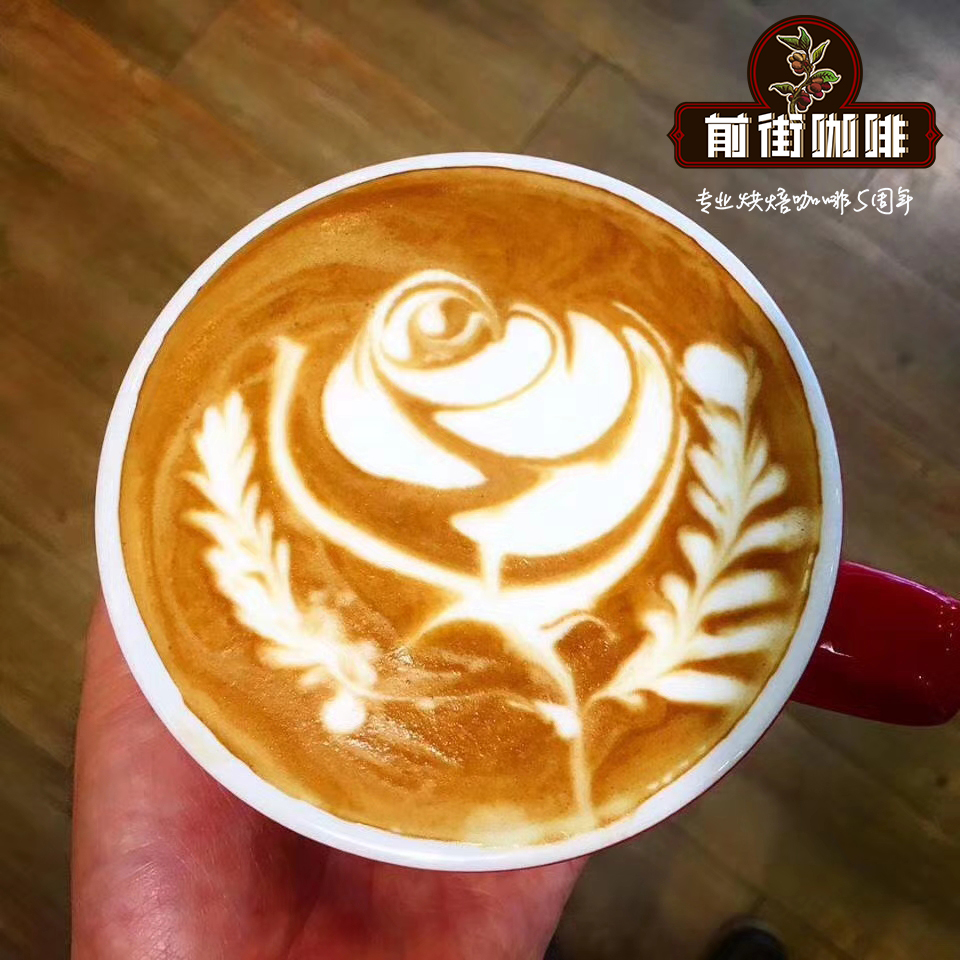
Pouring milk into espresso to make a cappuccino or latte, then using a milk frother and a technique called "free pour" to draw patterns or designs with the milk.
(2) Cappuccino Latte Art
Using milk foam with more foam, cocoa powder, molds, and latte art needles and other tools to create designs.
(3) 3D Latte Art
After whipping harder milk foam, using spoons and other tools to create shapes, then using latte art needles to draw lines, and using powder for coloring in this technique.
(4) Specialty Coffee
Using regular coffee or espresso as a base, and adding wine, syrup, and other ingredients to creatively build beverages.
Coffee and milk are the most magical flavor combination in the world.
The deep aroma of coffee paired with properly frothed milk foam.
Black and white, deep and mellow, interweaving an incredibly conflicting yet balanced flavor depth.
Coffee latte art originated from a coffee performance in Milan, Italy in 1985.
Coffee addicts discovered that when espresso meets fragrant milk, transforming into artistic patterns and lines, they were all amazed.
They subsequently devoted themselves to research, and after long-term evolution and development.
They developed countless creative expressions that combine visual appeal.
FrontStreet Coffee Recommendation
Great latte art starts with a shot that has enough body and crema to hold the milk, and FrontStreet Coffee's Classic Blend is exactly that kind of bean. Built on a traditional Italian-style recipe with a small addition of Robusta, it draws butter, nuts, spice, and dark chocolate from the espresso and pours a dense, golden-brown crema that makes free-pour patterns remarkably easy—even for someone at their first attempts with a home machine. The blend layers a medium-dark roasted Mandheling over the creamy, nutty character of Brazilian coffee, so the milk has something rich to sit on rather than a thin, acidic base.
Because it's designed for milk drinks, it behaves beautifully whether you're drawing a heart in a latte or building a layered Dirty. For latte art, steam your milk to roughly 60-65°C, spinning until the foam is glossy and bubble-free, then pour steadily from a height for the base and drop close to the surface for the pattern. Pull the espresso with a 20g dose and a 1:2 ratio to a full, sweet, chocolatey shot; the combination of body, sweetness, and a stable crema is what lets lines and shapes stay crisp in the cup.
Important Notice :
FrontStreet Coffee is a long-established specialty coffee roaster in Guangzhou China, selling freshly roasted beans from its own farm in Yunnan as well as dozens of carefully selected single-origin beans from around the world for both pour-over and espresso. The products deliver consistently excellent quality and great value, with shipping within 24 hours. Guangzhou's FrontStreet Coffee shop is recommended by many coffee lovers, and the beans are now available online at the Tmall 。
FrontStreet Coffee has moved to a new address:
FrontStreet Coffee Address: 315,Donghua East Road,GuangZhou
Tel:020 38364473
 Scan and follow the En Gafei WeChat official account. Please indicate that the reprint comes from "En Gafei".