Italian Roast Coffee Bean Flavor, Taste, and Color Characteristics - The Impact of Coffee Roast Levels on Coffee Beans
Coffee Roasting: The Science Behind Perfect Flavor Development
Coffee roasting is a complex process involving the careful heating of raw coffee beans in an effort to transform the essential substances within each seed — sugars, proteins, acids, and more — into delightful roasted nuts, malt, chocolate, fruit, berries, flowers, and beyond. We approach every cup with great care, combining scientific data recording with intuition and experience to deliver balanced flavors and optimal taste.
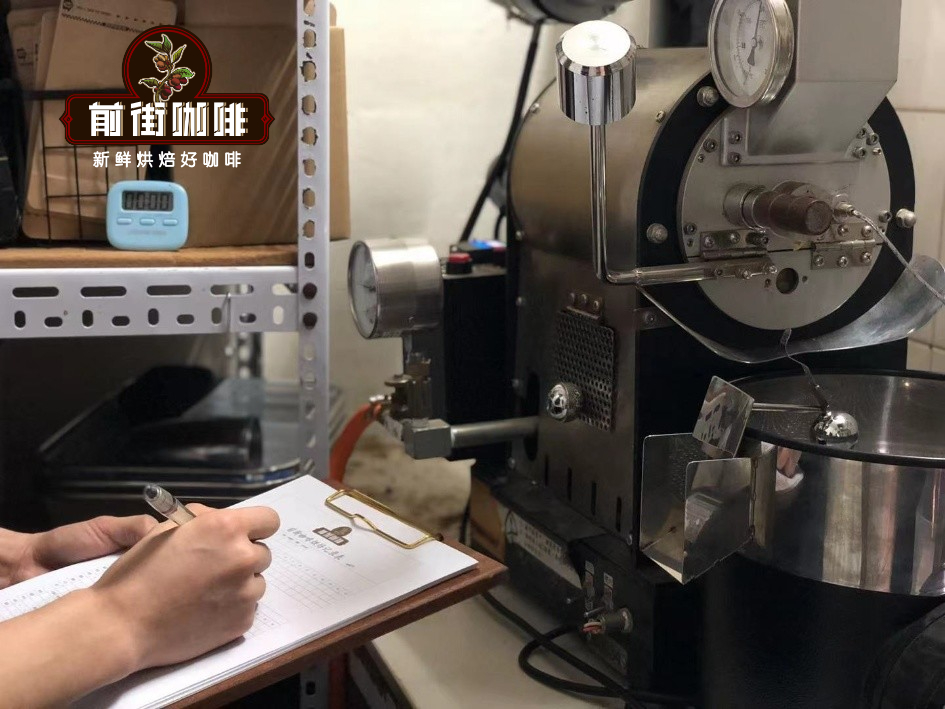
Coffee roasting typically occurs over 2 to 5 minutes (depending on the coffee type and roast degree), allowing the beans' rich flavors to develop. Around 360°F, the "first crack" occurs — each bean expands under pressure from carbon dioxide and water vapor produced by internal chemical reactions, creating a popping sound. At that moment, as these gases escape, internal pressure decreases, letting the beans reach the ideal internal temperature, pressure, and moisture content to promote flavor development.
Between 360°F and 395°F, sugars and amino acids in the coffee react rapidly, creating the coffee's final flavor profile. Coffee roasted to a "medium roast" level derives its flavor from sugar caramelization and the reaction of sugars with amino acids in the "Maillard reaction" — very similar to the flavors produced when meat browns on a grill. During this period the coffee turns deep brown, and the aroma develops into nutty, cocoa, and malt notes.
Coffee Roast Levels: Simplifying the Complex
In the coffee industry, roast levels have a very simple classification: light, medium, and dark. However, this method not only overlaps but also encompasses a range of roast degrees. For example, one roaster might mark a Full City+ roast as medium, while another might mark the same roast level as dark, causing confusion. As a result, many more complex and confusing coffee classifications have emerged, which may include up to 17 (or more) different roast level classifications. FrontStreet Coffee will list them all for you:
Light City, Half City, Cinnamon, New England Roast, Regular Roast, American Roast, City Roast, Breakfast Roast, City+ Roast, Full-City Roast, Full-City+ Roast, After Dinner Roast, Vienna Roast, French Roast, Italian Roast, Espresso Roast, Continental Roast, New Orleans Roast, Spanish Roast
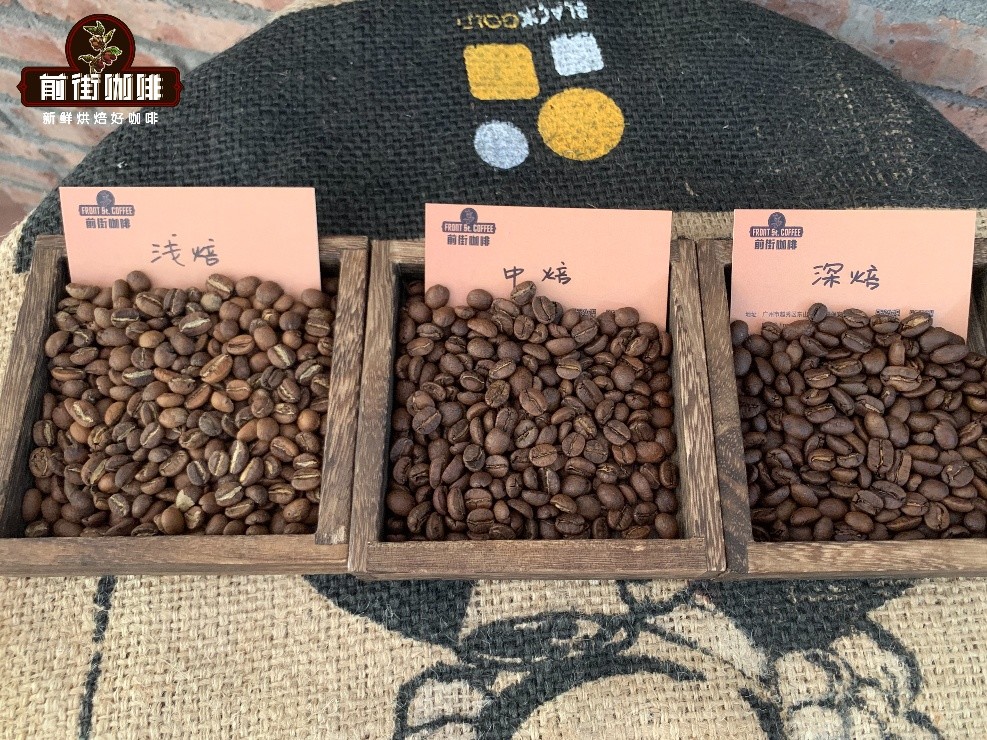
FrontStreet Coffee believes that to help the public understand and recognize the impact of roast level on coffee, it should first be simplified. We emphasize using light, medium, and dark roast levels to explain the roast degree of each bean more specifically. Different coffee bean varieties will use different roast levels.
Understanding Roast Characteristics
Light Roast: Spotty, light brown without oil, no cracks near the bean tip, slight expansion. Bright, sweet, juicy, light body, highlighting fresh fruit, malt, sweetness, and floral notes. Uneven surface, no gloss.
Medium Roast: More uniform, no oil, medium brown, slight cracks at the tip, moderate expansion. Balanced, bittersweet, medium body, mature fruit, chocolate flavors. More uniform surface, slight gloss.
Dark Roast: Uniform, dark brown, larger cracks at the bean tip, surface oil. Large expansion, thin and brittle body, not very sweet, distinct dark chocolate flavor.
Tailored Roast Designs for Different Beans
Different coffee beans will have different roast designs.
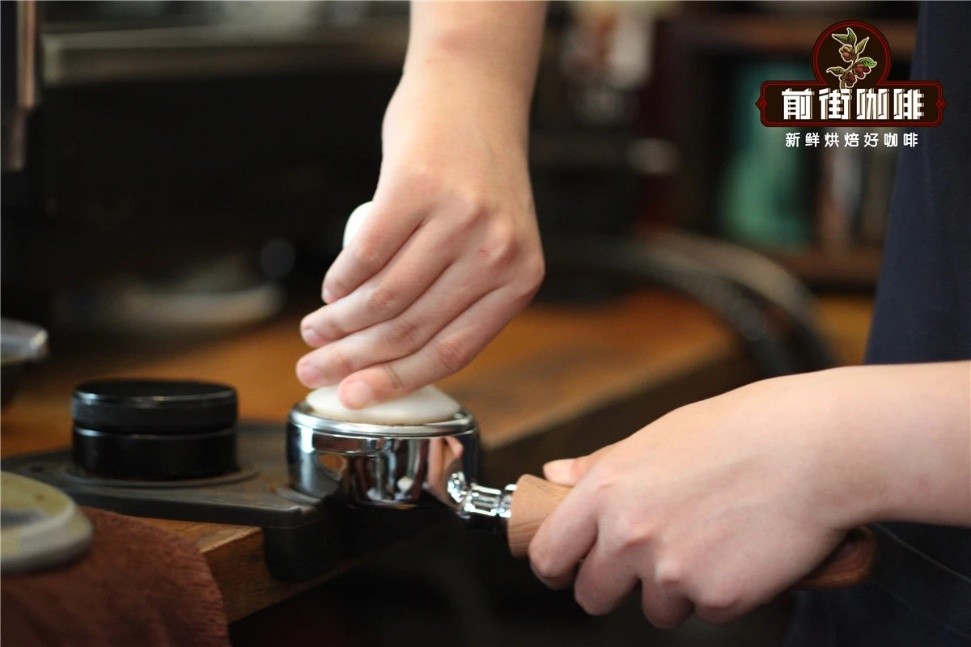
Have you ever wondered what the difference is between pour-over specialty coffee and espresso? Extraction through a pour-over is completed by gravity, and the process is very gentle. You can use very aromatic and more acidic coffees for filtering. Espresso, on the other hand, is extracted at 9 bars of pressure, which means more flavor is extracted into the cup.
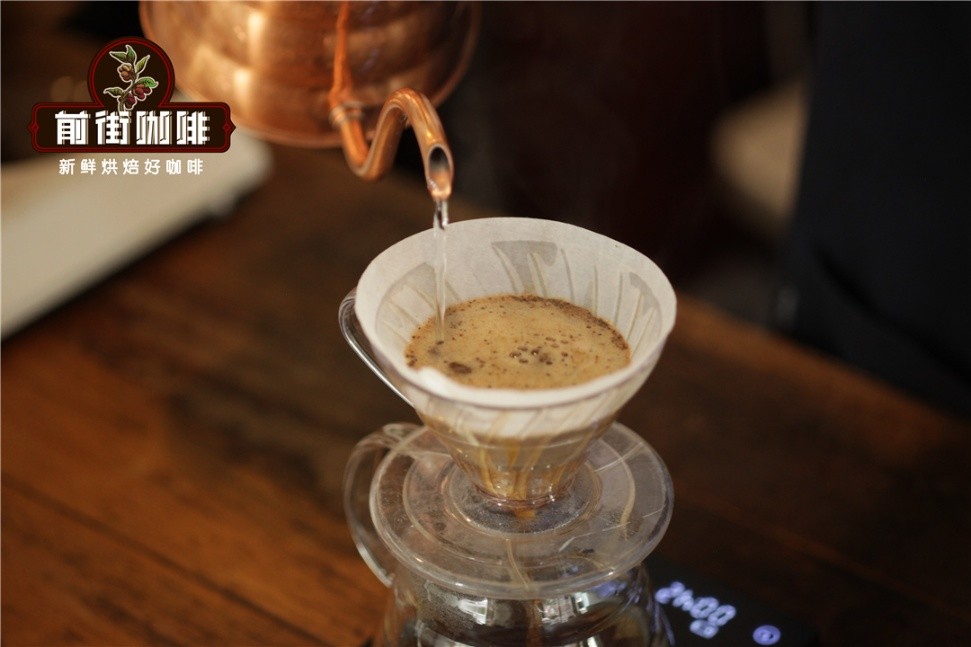
Traditional Italian espresso is dark-roasted coffee with low acidity. Pour-over coffee is roasted differently in various countries, but the roast level is typically lighter than espresso. Today's roasting styles are more flexible than traditional ones. For example, FrontStreet Coffee's Sherry coffee beans are dark-roasted when making espresso blends. For pour-over, we use a medium roast. Generally, FrontStreet Coffee's African coffee beans are often light-roasted with quick profiles, making them very aromatic; too low a roast degree leaves their flavor very light. On the other hand, we want some pour-over coffees to be as rich as espresso, so FrontStreet Coffee roasts them a bit longer, lengthening the development phase to develop flavor and reduce acidity.
For professional coffee knowledge exchange and more coffee bean information, follow Coffee Workshop.
For more specialty coffee beans, follow FrontStreet Coffee.
FrontStreet Coffee Recommendation
Roast level is a choice, and FrontStreet's medium-roasted beans show what the middle of the range can do. The Brazil Queen Estate is a creamy, low-acid Yellow Bourbon; medium roasted, it brings peanut, chocolate, toast, and sugarcane sweetness and suits pour-over, moka pot, and espresso.
For a fruitier, sweeter medium roast, FrontStreet's Strawberry Candy pairs a honey-processed Costa Rican coffee with a washed Panama Geisha, so the cup shows both orange-blossom honey and a rounded sweetness — ideal for cold brew, pour-over, and espresso.
And to see how roast tames a bean, consider FrontStreet's Jamaica Blue Mountain No. 1: medium roasted, its distinctive acidity, bitterness, sweetness, and body fuse into chocolate, roasted nut, cream, and caramel notes that few coffees can match.
Important Notice :
FrontStreet Coffee is a long-established specialty coffee roaster in Guangzhou China, selling freshly roasted beans from its own farm in Yunnan as well as dozens of carefully selected single-origin beans from around the world for both pour-over and espresso. The products deliver consistently excellent quality and great value, with shipping within 24 hours. Guangzhou's FrontStreet Coffee shop is recommended by many coffee lovers, and the beans are now available online at the Tmall 。
FrontStreet Coffee has moved to a new address:
FrontStreet Coffee Address: 315,Donghua East Road,GuangZhou
Tel:020 38364473
 Scan and follow the En Gafei WeChat official account. Please indicate that the reprint comes from "En Gafei".