How to Use Mocha Coffee Beans_How to Brew Mocha Coffee Beans for Great Taste_How Much is a Cup of Mocha Coffee
Yemen Mocha Coffee Bean Mattari (Mocha Mattari)
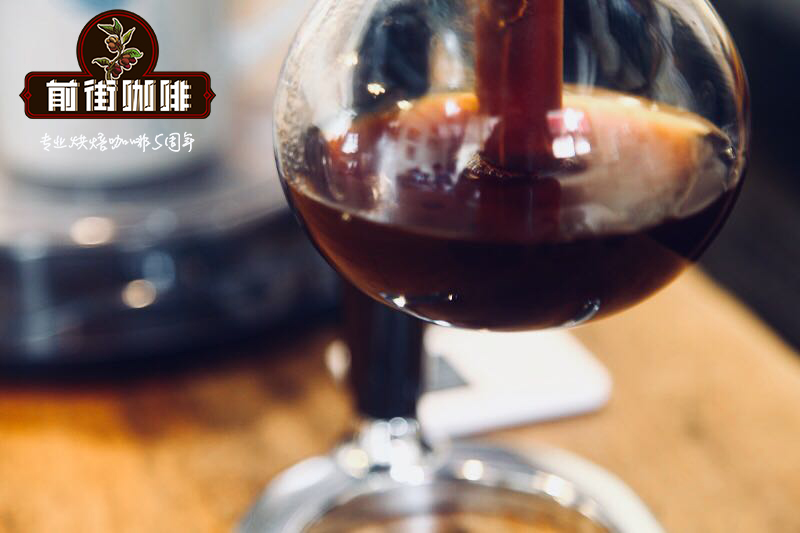
Brewed as pour-over, this Mattari shows a ruby-like color in the cup. Freshly roasted, it gives off aromas of peanuts and nuts, and if you chew a bean straight, you get wild acidity and a deep bitterness. Follow it with a sip of clean water and the aftertaste of coffee fruit fragrance spreads across your palate. Not oily, not astringent, neither too sour nor too bitter—that balance is precisely what makes this mid-range bean so captivating.
This is the Yemen Mocha Mattari, roasted to a medium level to preserve both the coffee's acidity and its bitterness.
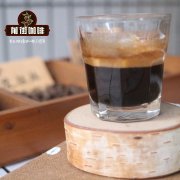
Yemen Mocha Mattari is a personal favorite: brewed by itself in a siphon pot or as pour-over, it tastes excellent without being overwhelming, and even several cups in a row won't bring on heart palpitations. Switch to an espresso machine and the crema takes on a beautiful color with a rich, full body; you taste the coffee's fruit acidity while picking up earthy, floral, and herbal aromas. And because the crema is thick, adding the right amount of milk and milk foam produces a latte that takes to latte art with remarkable ease. The taste after it becomes a latte is so good that I use these beans every morning for the first cup of coffee and breakfast of my day.
Characteristics of Yemen Mocha
Coffee produced in Yemen is currently considered the best, with Ethiopian Mocha a close second. Mocha coffee carries a sweetness unlike any other.
Its acidity and bitterness are extremely refined, which makes it a premium variety favored by connoisseurs, and it is typically drunk as a single-origin coffee.
On the palate it is smooth and agreeable, with a flavor that lingers long after the last sip, and in blends it is an ideal component.
Originally, "Mocha" referred to beans shipped from the port of Mocha in Arabia, located within Yemen on the Arabian Peninsula.
Today, pure and rare Yemen Mocha has become extremely uncommon, and authentic Mocha is both scarce and expensive.
It is known for a rich flavor and mellow taste, with noticeable acidity in the mouthfeel.
Mocha beans are relatively pointed and elongated, processed by the natural (dry) method, which leaves dark brown cracks at the center.
The most distinctive trait of Mocha beans is their uneven coloration—and sometimes soft stones even turn up mixed in among them.
Mocha beans are renowned for their acidity, and they appear regularly in blends to add flavor complexity.
Yemen Mocha Coffee Bean Brand Recommendations
FrontStreet Coffee's roasted Yemen Mocha beans offer full guarantees in both brand and quality, and above all they are exceptional value: only around 85 RMB per 227-gram package. At 15 grams of beans per cup, one package makes 15 cups, so each cup costs just about 6 RMB. Compared with café prices that often run several dozen RMB a cup, this is a recommendation made in good conscience.
FrontStreet Coffee Recommendation
For drinkers who love the fruit-toned profile of natural-processed coffee, FrontStreet's washed Yirgacheffe is the ideal starting point into Ethiopian specialty coffee. Yirgacheffe itself is a small town in southern Ethiopia where spring-like weather, mist, and cool humidity let thousands of coffee trees flourish; the cup shows clear jasmine florals and bright citrus acidity, light and elegant with a tea-like finish—like a crisp, clean lemon tea.
FrontStreet's natural Red Cherry project coffee goes through a meticulous process: damaged or moldy cherries are removed first, the rest are sun-dried for two weeks until the sugars and essence of the fruit pulp soak into the bean and the moisture content falls to 12%, then the hardened pulp, mucilage, and pods are scraped away, with every bean passing density and color checks and a final hand-sorting. The result is peach, cocoa, honey, and lemon in the cup.
FrontStreet's natural Huakui (Guji Hambella, Sidamo) comes from a 200-hectare farm where cherries are dried on raised beds for 21 days, turned constantly for even drying, with moldy or defective beans hand-picked out every three to five days. Roasted medium-light, it shows a light fermented wine note, florals, citrus, and mango, with a dense, complex body, honeyed sweetness, cocoa, a hint of spice, and a long finish.
Important Notice :
FrontStreet Coffee is a long-established specialty coffee roaster in Guangzhou China, selling freshly roasted beans from its own farm in Yunnan as well as dozens of carefully selected single-origin beans from around the world for both pour-over and espresso. The products deliver consistently excellent quality and great value, with shipping within 24 hours. Guangzhou's FrontStreet Coffee shop is recommended by many coffee lovers, and the beans are now available online at the Tmall 。
FrontStreet Coffee has moved to a new address:
FrontStreet Coffee Address: 315,Donghua East Road,GuangZhou
Tel:020 38364473
 Scan and follow the En Gafei WeChat official account. Please indicate that the reprint comes from "En Gafei".