Nicaragua Black Forest Coffee Estate Information Introduction_How Much Does a Bag of Nicaragua Coffee Beans Cost
Tasting Nicaraguan Coffee Beans: Black Forest Coffee Estate
Nicaragua is a renowned coffee-producing region. Enthusiasts visiting the country should tour Matagalpa, its major coffee province, where the historic estate Selva Negra has earned considerable acclaim in recent years. It produces its own brand of organic shade-grown specialty coffee, "Nicaragua Selva Negra."
In Spanish, Selva Negra means "Black Forest," named after the Black Forest region of southern Bavaria in Germany. In the 19th century, German immigrants left their homeland and came to Nicaragua to farm, establishing the first coffee farm in Matagalpa province.
Originally called "La Hammonia," Selva Negra was bought in 1975 by Eddy and Mausi Kühl, the patriarch and matriarch of a German family, and renamed. With the idea of "coexisting with nature," they built ecological accommodations, reforested the mountainside, adopted organic and sustainable production, increased agricultural diversity and gradually expanded the operation.
Today, besides the main coffee plantation and farm, Selva Negra includes vast forest areas with several bird-watching and hiking trails. Its self-branded coffee is served at the "Ruta de café" restaurant, which uses homegrown fruit and vegetables, homemade meats and dairy, and specially prepared coffee sauces to create dishes that blend Nicaraguan and German flavors. Visitors can also take the "Tastefully Nicaragua" experience, an intimate encounter with the flavors of the land.
The Tastefully Nicaragua experience, featuring coffee, cocoa and organic farms, encourages people to walk into the fields, talk directly with producers and take part in the production process.
Following food from land to table is meant to inspire reflection. In the past, people knew nothing about where the food on their table came from. By taking part in production, they become aware of their connection to the land and, in turn, of their responsibility toward it.
Led by the estate guide Jaser, we set out on a coffee tour, experiencing the full process from plantation to cupping.
Jaser first introduced the history, geography and climate of Selva Negra, explaining that it produces "shade-grown coffee," a traditional method that prioritizes flavor over yield.
The plantation is densely planted with citron and fig trees to create shade and bird habitat. Fallen fruit nourishes the soil and enhances coffee flavor. Natural insect repellents from the estate's organic laboratory replace chemical pesticides, a genuine method of coexisting with nature.
Selva Negra's varieties are 100% Arabica, further divided into five distinct flavor profiles: Caturra, Bourbon, Catimor, Catuai and Maragogipe.
The annual harvest runs from November to February of the following year. Workers hand-pick the cherries, then wash them, depulp by machine, ferment once to remove pulp, ferment again to remove parchment, dry them and finally hand-select the beans, a process with as many as 42 steps.
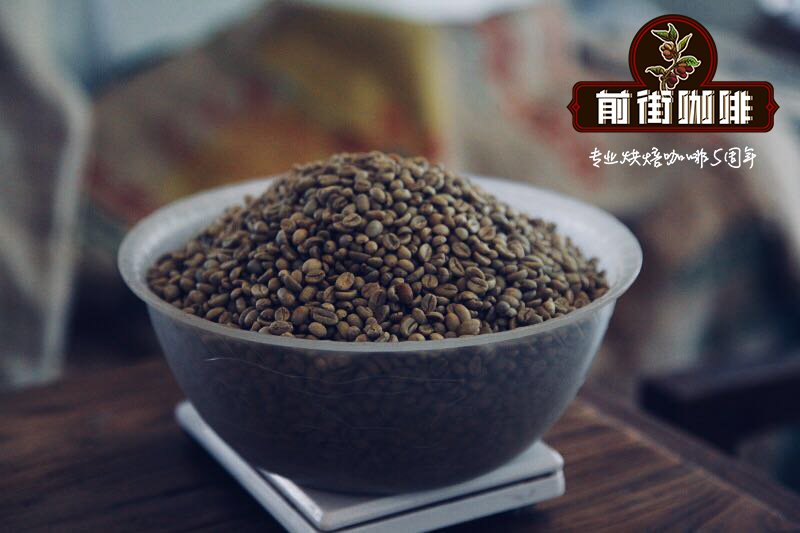
The green beans with their white mucilage retained are packed into 65-kilogram jute bags for export to U.S. ports on the Pacific coast. The green beans with the mucilage removed serve as raw material for the estate's own brand. Certified by the Rainforest Alliance, they supply Whole Foods, the premium organic food supermarket in the United States.
In the cupping room, Jaser gave a cupping tutorial using two coffees produced by Selva Negra and one coffee from Burundi in Central Africa. Coffee grounds were placed in porcelain cups; first we held them with both hands and inhaled deeply to smell the aroma. Then water heated to 85°C to 95°C was poured in, and we waited 4 minutes before tasting with a cupping spoon, feeling the different flavors of different roast levels and origins with our tongues.
Beyond preserving the whole ecosystem, another principle of sustainability is giving back to the local community. Selva Negra has established schools, clinics and scholarships to care for the farming families who have lived on the estate for generations, creating a community settlement like a large family that forms the team managing the restaurant, accommodations and farms.
Occasionally you can spot the charming estate owner Eddy moving around to greet visiting travelers. The colorful paintings inside and outside the estate are all his work, creating a natural paradise that realizes an ideal countryside dream.
Matagalpa Province
Profile: a northern highland province with mountainous terrain, vast forests and rivers. It has diversified agriculture, animal husbandry and mining, making it ideal for farm experiences or ecotourism. Because of its high altitude it has a cloud forest climate, humid and cool, making it a renowned origin for high-quality coffee.
FrontStreet Coffee Recommendation
For a Nicaraguan single origin, FrontStreet's Finca El Progreso Washed Maracaturra is fully dependable in both brand and quality. Each 227-gram package costs only 90 yuan, and at 15 grams of beans per cup one package makes 15 cups, or about 6 yuan per cup, far less than the hundred-plus yuan a cup charged in some cafes.
For espresso, FrontStreet's Specialty Blend is built for home and office use and for specialty neighborhood cafes. It combines washed Colombian coffee with half-sun Brazilian coffee for nut, black chocolate and caramel notes with a comfortable bittersweetness; with milk it makes a smooth latte with stable latte art and a rich roasted aroma, and as a Dirty it shows attractive layering with dark brown crema on the surface. FrontStreet Coffee's Commercial Blend follows the same Colombian-Brazilian logic with a small amount of Robusta added, giving toasted bread, almond and walnut complexity, good oil flow and a low-acid, full body at a price that suits shops.
For shops, bakeries, drink stores and home machines, FrontStreet's Black Cocoa Blend is made from 100% Arabica, pairing washed Yunnan Small-Batch with half-sun Brazilian coffee. It combines the acidity of nutty ripe plum with the aroma of creamy chocolate and cocoa cookie, is balanced in the cup, and pours a golden crema, making it a good all-round choice.
Important Notice :
FrontStreet Coffee is a long-established specialty coffee roaster in Guangzhou China, selling freshly roasted beans from its own farm in Yunnan as well as dozens of carefully selected single-origin beans from around the world for both pour-over and espresso. The products deliver consistently excellent quality and great value, with shipping within 24 hours. Guangzhou's FrontStreet Coffee shop is recommended by many coffee lovers, and the beans are now available online at the Tmall 。
FrontStreet Coffee has moved to a new address:
FrontStreet Coffee Address: 315,Donghua East Road,GuangZhou
Tel:020 38364473
 Scan and follow the En Gafei WeChat official account. Please indicate that the reprint comes from "En Gafei".