What is the highest price for Gesha coffee beans? Introduction to the characteristics of Gesha, Geisha coffee
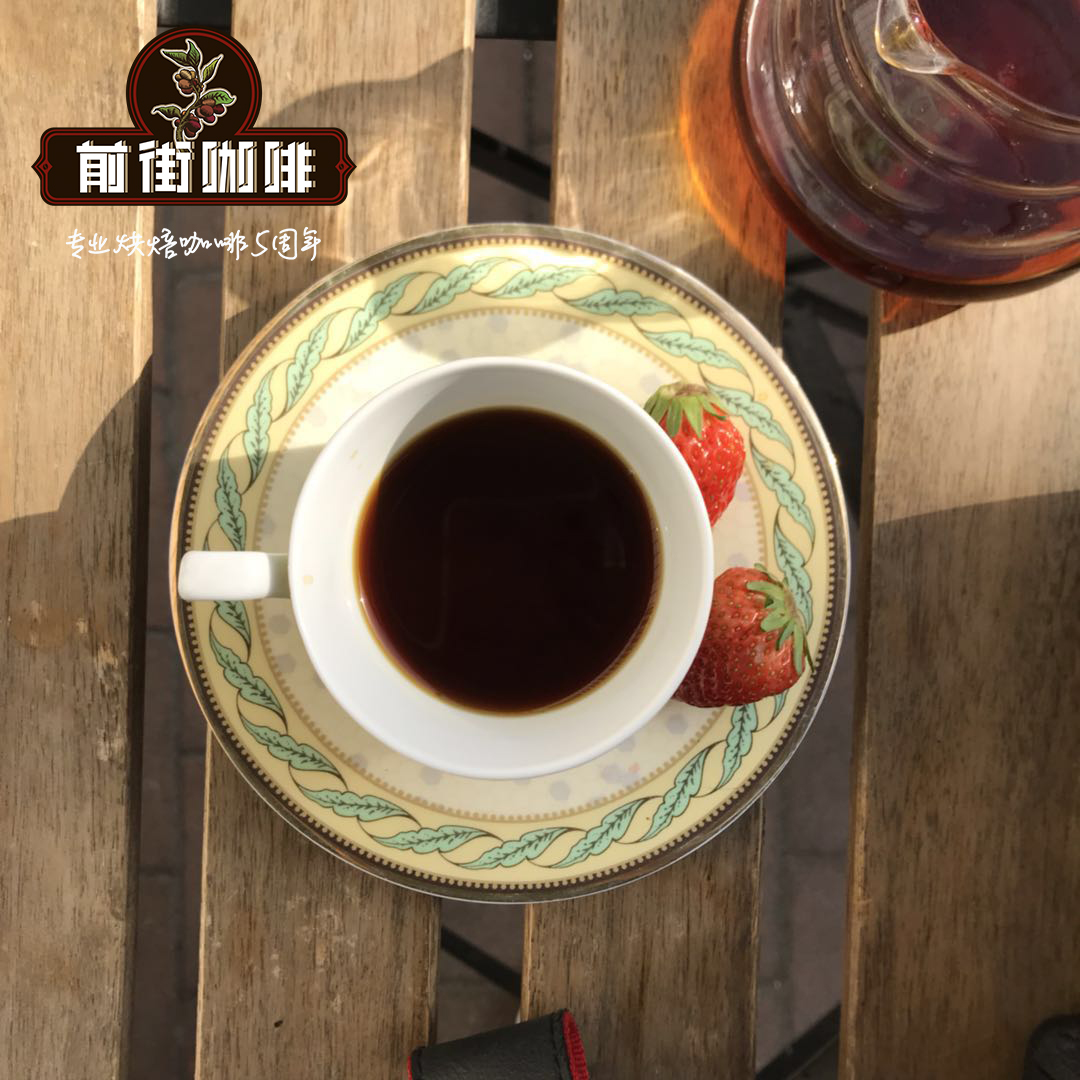
Geisha Coffee Bean Origin: Panama
Estate Name: Panama Casa Ruiz Berlina Estate - Geisha Coffee Beans
Processing Method: Washed
Variety: 100% Arabica Geisha
Flavor Profile: Charming florals, rosemary, lychee, citrus, lemon juice, honey; full and bright fruit acidity; a long-lasting honey milk-candy aftertaste; balanced and clean, with a delicate, elegant sweetness
Roast Level: Light roast
Altitude: 1600m
Casa Ruiz is a perennial fixture at the top of the Best of Panama competition.
Recent Award Records of Casa Ruiz Estates:
2017 Best of Panama (BOP) Competition - Washed Geisha Category, 12th Place (Baby Geisha)
2016 Best of Panama (BOP) Competition - Natural Geisha Category, 15th Place (Baby Geisha)
2015 Best of Panama (BOP) Competition - Washed Geisha Category, 9th Place (Finca Maunier)
2015 Best of Panama (BOP) Competition - Traditional Natural Category, 7th Place (Berlina Organico Natural)
2014 Best of Panama (BOP) Competition - Traditional Natural Category, 2nd Place (Berlina Orgánico Natural)
2013 Best of Panama (BOP) Competition - Washed Geisha Category, 16th Place (Baby Geisha)
2013 Best of Panama (BOP) Competition - Natural Geisha Category, 5th Place (Baby Geisha)
Coffee Flavor
As green coffee's various nutritional components thermally degrade during roasting, they build an array of aromatic molecular structures that read as familiar flavors and scents. Great beans are naturally aromatic to begin with, and at high, medium, and low temperatures they shift through a succession of natural aromas that are a genuine pleasure to savor slowly.
Panama Casa Ruiz Berlina Estate Geisha Washed
Charming florals, rosemary, lychee, citrus, lemon juice, honey; full and bright fruit acidity; a long-lasting honey milk-candy aftertaste; balanced and clean, with a delicate, elegant sweetness.
The Panama Casa Ruiz cooperative was established in 1979 and ranks among the most famous cooperatives in the Boquete region on the slopes of the Baru Volcano, with its headquarters in the valley surrounding the peak. Now in its third generation of family leadership, it counts more than 300 small family farms and estates as partners, spanning everything from cultivation and processing through marketing. Many of the member estates are a century old — Berlina, Maunier, Panamaria, and Cafe Ruiz among them. Where other cooperatives expand planting area at the environment's expense in pursuit of volume, Casa Ruiz and its partners follow Boquete's local tradition of environmentally friendly coffee cultivation. That said, they have raised the rigor of every stage of green coffee production — cultivation, processing, selection, and storage — well beyond past practice in order to lift green bean quality. Unsurprisingly, Casa Ruiz remains a frequent winner at the Best of Panama competition.
Geisha/Gesha Variety
Forbes once ranked it among the "world's ten most expensive coffees" — and today it isn't merely on the list; it tops it. In July 2017, Geisha green beans from Panama's Hacienda La Esmeralda set a sky-high record of $601 per pound. Then, on September 13, Ninety Plus (90+) Geisha sold at auction for $50,001.5 per kilogram — that's 50,000 RMB for a single kilogram of green coffee!
Whether you say Geisha or Gesha, the name comes from Ethiopia's Geisha Mountain. Its pronunciation matches the Japanese word for geisha, which is how it picked up that spelling in Chinese.
In recent years, competitors at international events have repeatedly chosen Geisha lots and taken home titles. At this year's 2017 World Brewers Cup, for example, Taiwan's Wang Ce brewed 90+ Geisha for his competition selection and won the world championship.
Geisha's aroma is superb: characteristic Geisha florals and jasmine, with bright fruit acidity reminiscent of tamarind, lychee, apple, and orange. The aftertaste is sweet and clean, and the mouthfeel remarkably silky.
Coffee Processing Methods
Processing is the craft of turning ripe red cherries into dried green beans. Every method carries its own strengths and weaknesses, shaped by the natural environment and the needs of the producing region, which is why each region settles on the methods that suit it. A brief look at the method used for this particular lot follows:
[Washed Method] Washed / Wet Processed
After the skin and pulp are removed, the beans soak in fermentation tanks to break down the mucilage still clinging to the parchment, then are rinsed clean with water. The method delivers one of the hallmarks of specialty coffee — vivid acidity.
FrontStreet Coffee's Recommended Brewing Parameters for Geisha Coffee Beans
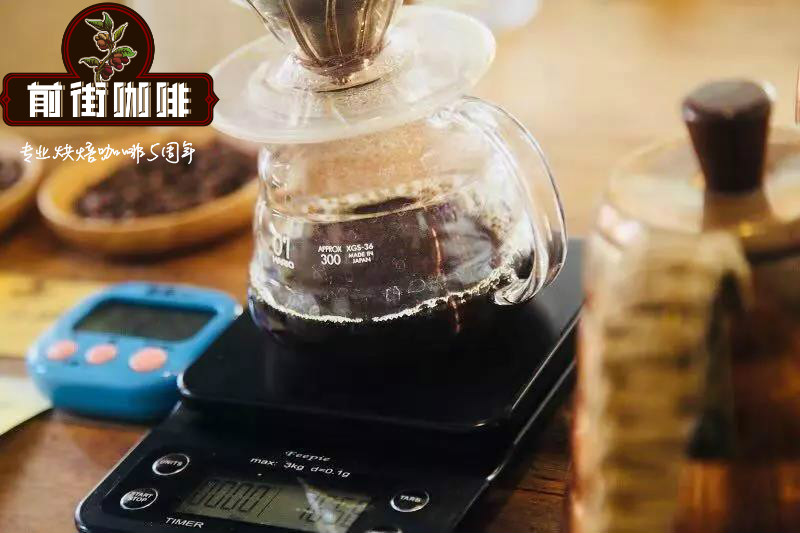
- Dripper: V60 or wave-style flat-bottom dripper. A V60 draws out this bean's rich flavor layers, while the immersion style of a cake dripper yields a more balanced cup;
- Water Temperature: 90-92°C. A higher temperature coaxes out the floral and fruit aromatics along with more flavor compounds;
- Grind Size: Medium-fine
- Coffee-to-Water Ratio: 1:15-1:16. FrontStreet Coffee suggests stretching the ratio slightly for beans with dense flavor layers, so no single characteristic gets lost in an over-concentrated cup.
- Extraction Time: About two minutes.
- Extraction Method: FrontStreet Coffee recommends segmented pouring to raise the bean's extraction rate.
Recommended Geisha Coffee Bean Brands
FrontStreet Coffee's roasted Panama Hacienda La Esmeralda Blue Label Geisha comes with full guarantees on both brand and quality — and, better still, exceptional value. Each 100-gram pack costs only 120 RMB. At 15 grams per cup, one pack brews six cups, or about 20 RMB per cup. Next to café prices that routinely top 100 RMB, it's a genuinely honest recommendation.
FrontStreet Coffee Recommendation
Geisha — transliterated from the English "Geisha" — is one of the most beloved varieties in all of Arabica, prized for its singular florals and superb sweet-tart character. Low yields, weak disease resistance, and demanding farm management keep pushing its price ever higher, so anyone hoping to drink great Geisha without a fortune should first understand the different tiers. The reference points are Esmeralda's two lines: the Red Label, officially "Esmeralda Special," grown at 1,600-1,800 meters, cupping above 90 points per batch, with every batch drawn from a single small plot (FrontStreet's Red Label comes from the Jaramillo plot) so buyers can match their preferences to specific lots; and the Green Label, or "Private Collection," a blend of multiple high-altitude lots that expresses the estate's signature Geisha character without lot-level detail — at a friendlier price. For newcomers who simply want a first taste of the legendary flavor, FrontStreet steers people to its Panama Boquete Geisha, an entry-level lot that delivers classic Panamanian orange-blossom honeyed sweetness, oolong tea texture, delicate fruit acidity, and clearly layered structure for an accessible price.
Ethiopia, Geisha's birthplace, has its own benchmarks. Geisha Village, a 475-hectare estate founded by a couple just 12 miles from the Geisha forest, grows three varieties — Gori Gesha, Gesha 1931, and Illubabor Forest — graded into Gold Label RARITIES, Red Label GROWERS RESERVE, Green Label SINGLE-TERROIR, and CHAKA lots. The Gold Label, a Gesha 1931 representing just 10% of production, is the estate's top non-auction coffee, a frequent pick of competing baristas; FrontStreet's Gold Label batch is an exquisite natural with a complex, layered cup. The Red Label, a Gori Gesha at 15% of production, scores 88+ on the SCA 100-point scale, and as a single-terroir line every batch number carries full traceability down to farm block, variety, and processing date. Meanwhile the Genlana Gesha farm, at the border of Kochere and Gelana Abaya in Yirgacheffe, runs a rare single-variety operation through a washing station founded in 2014 under Israel Degefa, surrounded by 700 hectares of largely untamed, fertile, shade-covered land; its fully ripe cherries are hand-picked and raised-bed dried for 14-20 days, and at a medium-light roast FrontStreet's Genlana lot shows bright citrus acidity, elegant ginger-flower aroma, and the plump sweetness of ripe fruit.
To brew any of them at their best, FrontStreet recommends a medium-light approach: grind to about 78% pass through a #20 sieve (roughly fine-sugar texture), since Geisha is dense and tends to sink and clog the dripper, and use 91°C water. Go with 15g of coffee in a small Hario V60 at a 1:16 ratio, brewed in three pours — 30g to bloom for 30 seconds, then a gentle spiral pour to 125g, waiting until the bed drains halfway before continuing in small circles to 225g, for a total extraction time of about 2:10-2:20. If you'd rather have Geisha as espresso, the medium-roast Genlana SOE is the pick: 20g in, a 1:2 brew ratio, 25 seconds, 40g out — apricot, caramel, and nut in the shot, and orange, nut, and blueberry when you stretch it into an Americano with 200g of hot water.
Important Notice :
FrontStreet Coffee is a long-established specialty coffee roaster in Guangzhou China, selling freshly roasted beans from its own farm in Yunnan as well as dozens of carefully selected single-origin beans from around the world for both pour-over and espresso. The products deliver consistently excellent quality and great value, with shipping within 24 hours. Guangzhou's FrontStreet Coffee shop is recommended by many coffee lovers, and the beans are now available online at the Tmall 。
FrontStreet Coffee has moved to a new address:
FrontStreet Coffee Address: 315,Donghua East Road,GuangZhou
Tel:020 38364473
 Scan and follow the En Gafei WeChat official account. Please indicate that the reprint comes from "En Gafei".