Honey Process Coffee—Costa Rica|Mango Estate Recommended Coffee Beans for Pour-Over
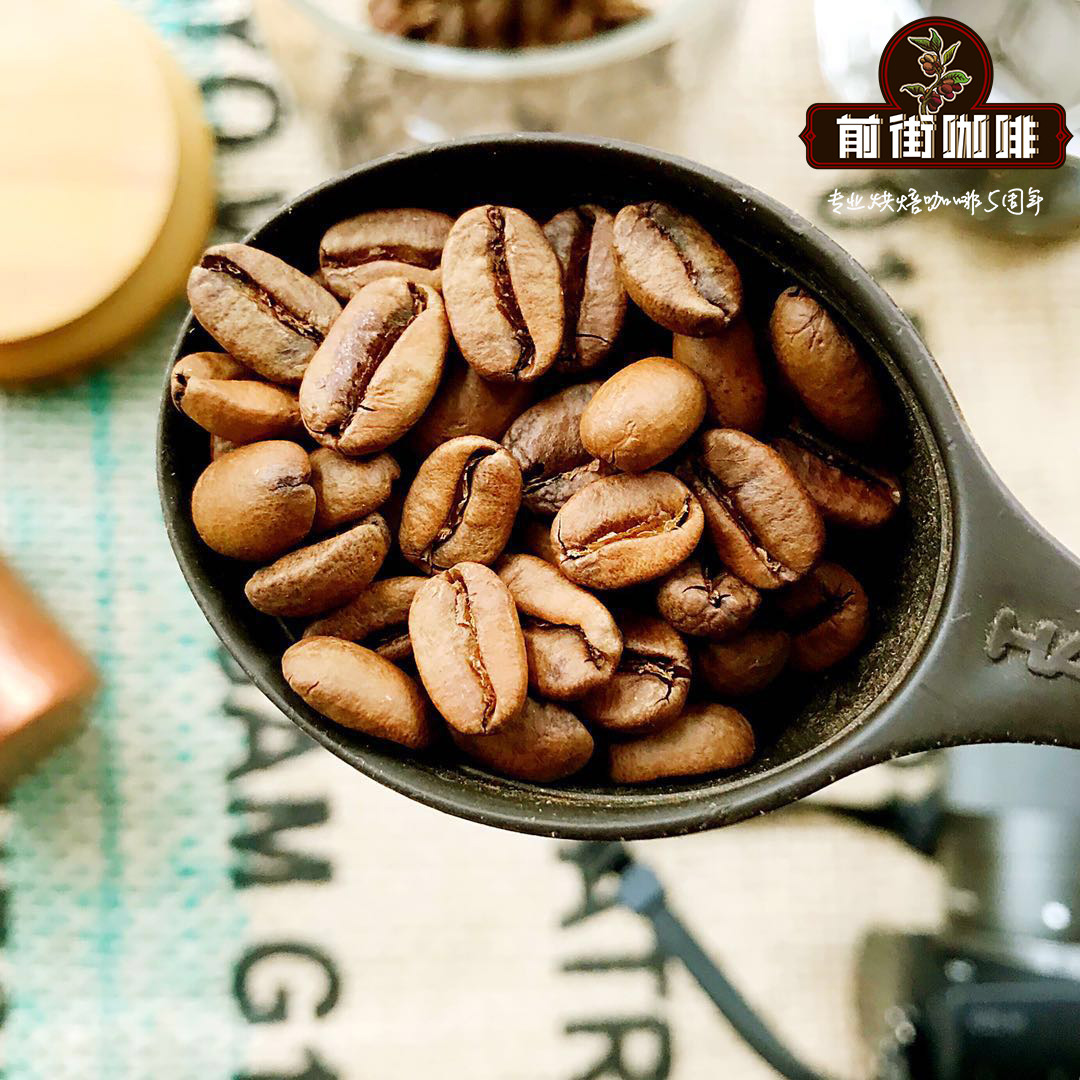
FrontStreet Coffee · Costa Rica Mango Estate Black Honey Process Coffee - Blanca Riveros Processing Plant
In addition to the coffee introduced here, FrontStreet Coffee recommends beans well suited to pour-over: Costa Rica Black Honey & Nicaragua Black Honey.
Flavor Description
Dark berry notes, sweet peach, purple grapes, a syrupy texture, and a solid, full sweetness.
The 2017 Costa Rica Black Honey Force Has Arrived
Rich grape and longan dried-fruit character, wrapped in a mesmerizing blend of sweet melon, cherry, and pie spices amid syrupy honey sweetness.
Coffee has taken root and flourished in Costa Rica for over 200 years. Although the country's land area ranks third to last among Central American producing nations, it plays an indispensable role.
Costa Rica today has a total population of about 4.5 million people, yet it has as many as 400 million coffee trees. Coffee exports account for 25% of the country's total export value, and by local estimates about 1/3 of the population is engaged in coffee-related industries. It is no exaggeration to say that coffee has changed this country's standard of living.
Costa Rica enjoys a uniquely blessed natural environment: fertile volcanic ash, mild and suitable temperatures, stable and abundant rainfall, sufficient daytime sunshine, and a wide day-night temperature swing. All of these factors help make coffee one of Costa Rica's main agricultural products.
The country also produces green coffee of many grades, from affordable commercial Arabica to lots from the Cup of Excellence (COE) competition and even temple-level Geisha varieties. On top of that are countless post-processing methods, including white, yellow, red, and black honey processes, creating a dazzling array of options.
Traditional classification divides Costa Rica into seven producing regions, distributed along the inland central plateau from northwest to southeast: West Valley, Central Valley, Tarrazu, Tres Rios, Orosi, Brunca, and Turrialba. Several of these may already be familiar, but with the evolution of specialty coffee the broad producing-region specifications can no longer satisfy enthusiasts chasing quality. That has led to more micro-regions and small-estate micro-lots being discovered and brought to light.
FrontStreet Coffee Recommendation
To taste how Costa Rica's honey process can shine in a blend, try FrontStreet Coffee's Strawberry Candy Geisha blend. It pairs two renowned Central and South American origins: a Costa Rican honey-process coffee and a Panamanian washed Geisha. One contributes delicate rose and orange notes, the other a grape, raisin, and strawberry-fudge sweetness, together forming a rich, layered cup. Roasted medium, it shows mandarin-orange sweetness and a rounded sweetness at once, and it is versatile enough for cold brew, pour-over, and espresso, with a cold brew that can even take on a wine-like character if left to ferment and settle.
For a pure, estate-level Geisha experience, FrontStreet Coffee's Esmeralda Red Label (Esmeralda Special) is grown above 1,600 meters on a single plot and cups above 90 points, with a refined mandarin-orange sweetness and a jasmine, green-tea, honey, and citrus profile. If you prefer a brighter, more fruit-driven style, FrontStreet Coffee's Granada (Gelana) Geisha from Ethiopia is roasted medium-light and shows orange, guava, and citrus acidity with elegant white florals and a clear finish.
Important Notice :
FrontStreet Coffee is a long-established specialty coffee roaster in Guangzhou China, selling freshly roasted beans from its own farm in Yunnan as well as dozens of carefully selected single-origin beans from around the world for both pour-over and espresso. The products deliver consistently excellent quality and great value, with shipping within 24 hours. Guangzhou's FrontStreet Coffee shop is recommended by many coffee lovers, and the beans are now available online at the Tmall 。
FrontStreet Coffee has moved to a new address:
FrontStreet Coffee Address: 315,Donghua East Road,GuangZhou
Tel:020 38364473
 Scan and follow the En Gafei WeChat official account. Please indicate that the reprint comes from "En Gafei".