Introduction to Yirgacheffe Worka Cooperative G1 Coffee Beans - Washed Yirgacheffe Pour-Over Coffee Flavor and Taste

Yirgacheffe Worka Washed G1
FrontStreet Coffee: Yirgacheffe · Washed Worka
Country: Ethiopia
Grade: G1
Region: Worka
Roast Level: Light Roast
Processing Method: Washed
Variety: Local Heirloom
Processing Station: Worka Cooperative
Flavor Notes: Lemon, Kumquat, White Grape Juice

01 | The Region
Yirgacheffe is, at its heart, a small town in southern Ethiopia. It was originally governed as part of Sidamo, but the washing stations established there gave rise to a flavor so distinctive that "Yirgacheffe" broke away as its own appellation—and its reputation has only grown since.
The town sits in the Gedeo zone, downstream of large lakes, threaded with springs and rivers that give washing stations an abundance of fresh water. FrontStreet Coffee also notes that in the ancient Ethiopian language, the name splits into two words: Yerga, meaning calm or settled, and Č̣äfe, referring to marsh-like wetlands. Yirgacheffe, then, means something close to "let us settle and thrive in this wetland."

Yirgacheffe (specialty region): altitude 1,800-2,000 meters | garden coffee system
Originally part of the Sidamo region, Yirgacheffe was carved out on the strength of its unique flavor profile. Beyond the town itself, it takes in three surrounding sub-regions: Wenago, Kochere, and Gelena Abaya.
Within Yirgacheffe there are countless villages, micro-regions, cooperatives, and processing stations. Across much of Ethiopia, coffee farmers still face real hardship and rarely have the means to build family-scale processing workshops. That gap gave rise to the many washing stations that buy coffee cherries from surrounding smallholders, process them centrally, and sell the dried beans on to green coffee suppliers.
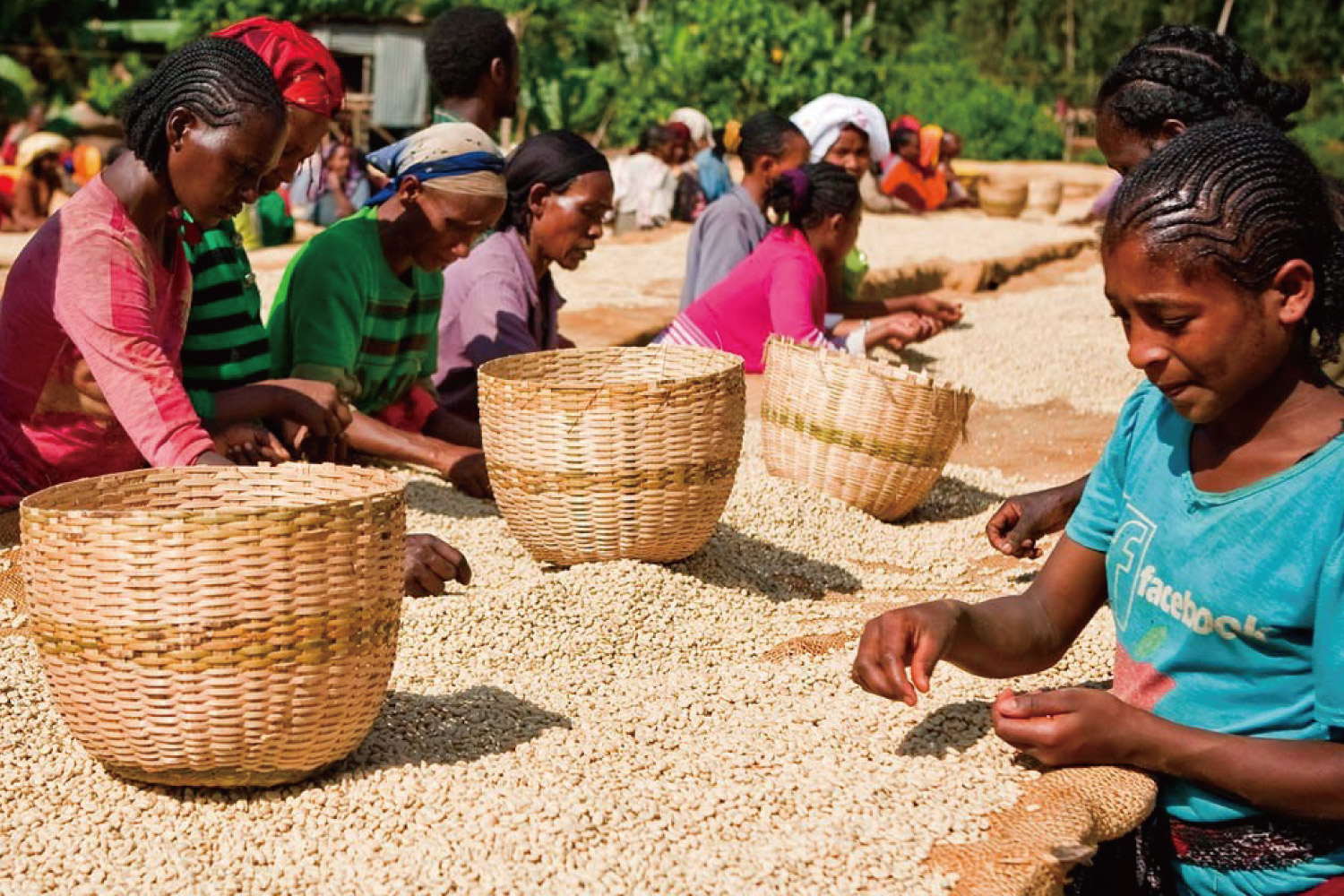
Coffee trees are planted mostly in farmers' backyards or intercropped with other crops on small plots, so each household's yield is limited—classic garden coffee. Almost every award-winning Yirgacheffe lot traces back to these villages and communities. The "Yirgacheffe flavor" baristas talk about means intense jasmine fragrance, lemon or lime acidity, and notes of peach, almond sweetness, or tea. Beyond the florals, the delicate body produces a remarkable sensation, like silk gliding across the palate. Coffee chemists have even begun studying the region's microclimate and soils to work out formulas for growing specialty coffee.
Strictly speaking, Yirgacheffe lies within Ethiopia's Sidamo province, to Sidamo's northwest, ringed by mountains and lakes—one of the highest coffee-growing regions in the country. The town itself counts roughly 20,000 residents. The three neighboring sub-regions of Wenago, Kochere, and Gelena Abaya produce coffee so similar in flavor that they are grouped under the Yirgacheffe name. Growing methods and cup quality here are so distinguished that Ethiopian farmers compete for the right to label their coffee Yirgacheffe—and that reputation carried the region out of Sidamo's shadow to become Africa's most celebrated coffee appellation.
02 | The Worka Cooperative
This lot comes from a single farm in Ethiopia, processed through the Worka Cooperative; Alemayehu Alako Farm is one of its members.
The Worka Cooperative was founded in 2005 and joined the Yirgacheffe Coffee Farmers Cooperative Union (YCFCU) the same year, building its name on high-quality washed Yirgacheffe. Around 300 coffee farmers belong to the cooperative. YCFCU itself was established in 2002 and counts 26 other member cooperatives, serving more than 45,000 farmers in total.
Worka occupies the far southeastern corner of Yirgacheffe, in the Gedeb zone. In earlier years, coffee from this area was exported simply as Worka or processed through the Worka Cooperative. Over the past few years, though, individual single-origin sources have been identified one by one by coffee hunters—Banko Gotiti, Banko Dadhato, and Halo Bariti among them. Gotiti village was one of the first to establish itself independently, and many of its smallholder farmers were once Worka Cooperative members, carrying generations of skilled coffee production with them.
03 | Processing
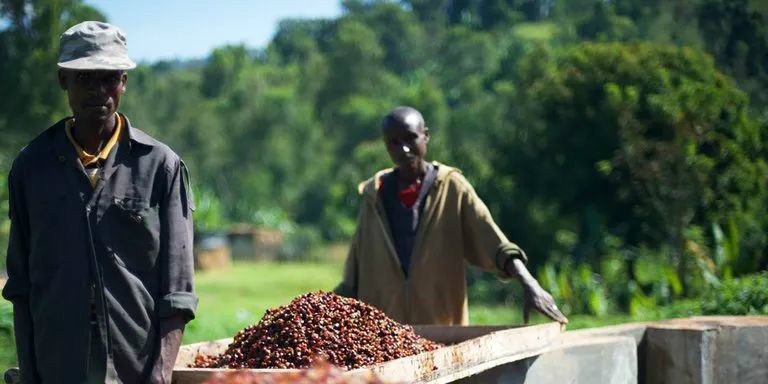
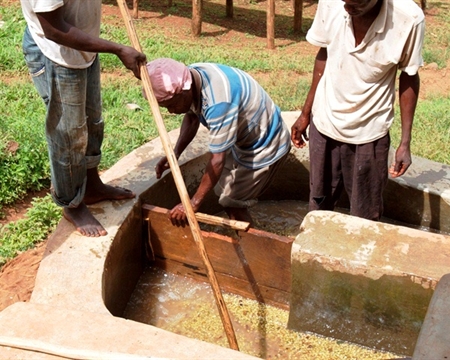
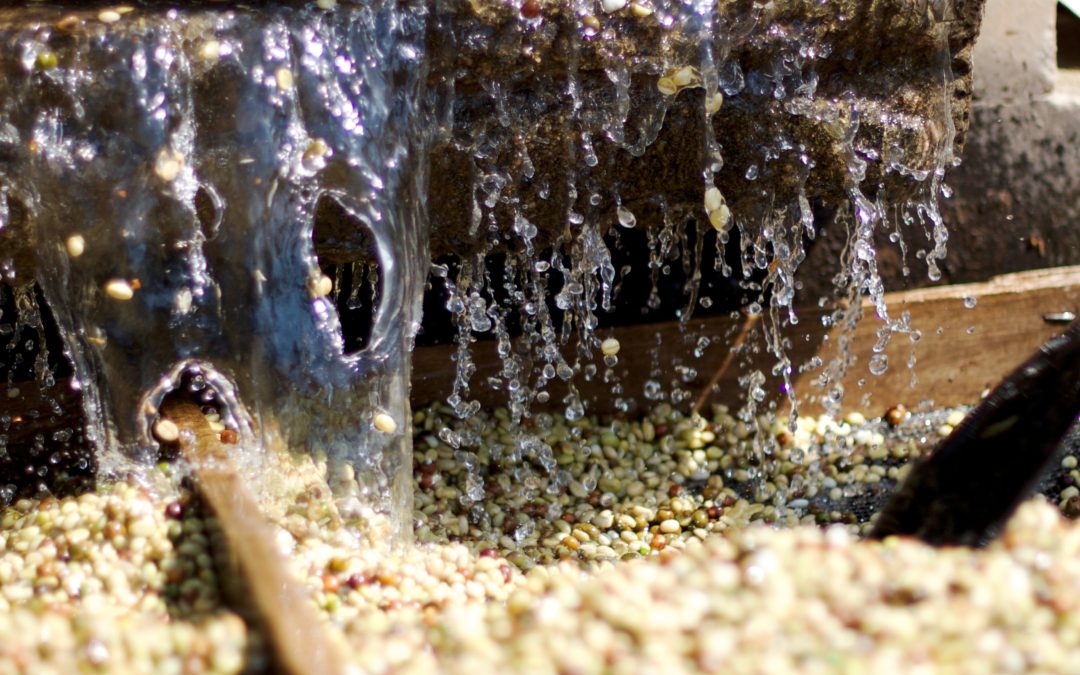
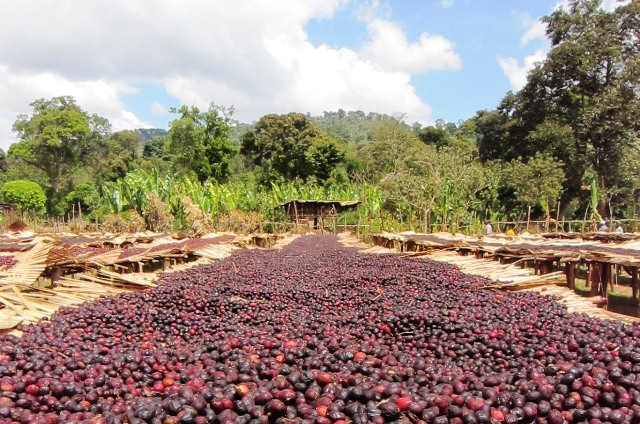
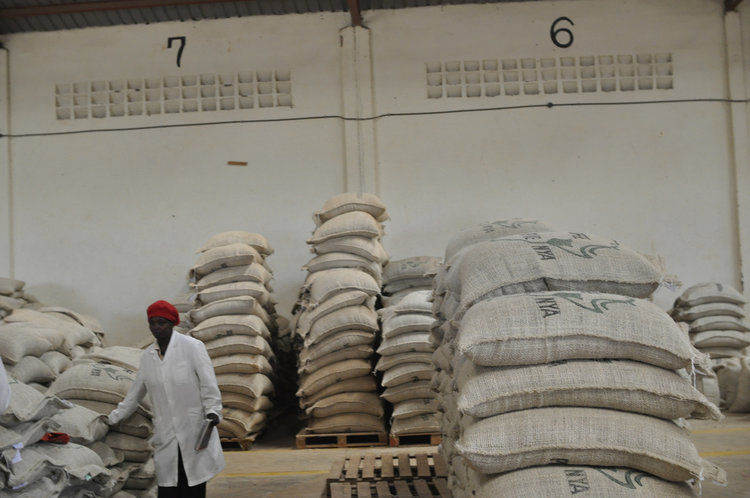
Refined processing in Yirgacheffe is dominated by the washed method. Cherries rest in fermentation tanks for roughly 72 hours, during which fermentation breaks down the pulp and some of the acids produced in the mucilage layer work their way into the beans. Because no pulp or mucilage clings to the parchment during drying, the cup lacks the fruity punch of naturals—what you get instead is a cleaner, brighter profile with more defined acidity. Drying happens outdoors, and the green beans are hand-sorted before passing inspection by the Ethiopian Coffee and Tea Authority and being sold through competitive bidding for export.
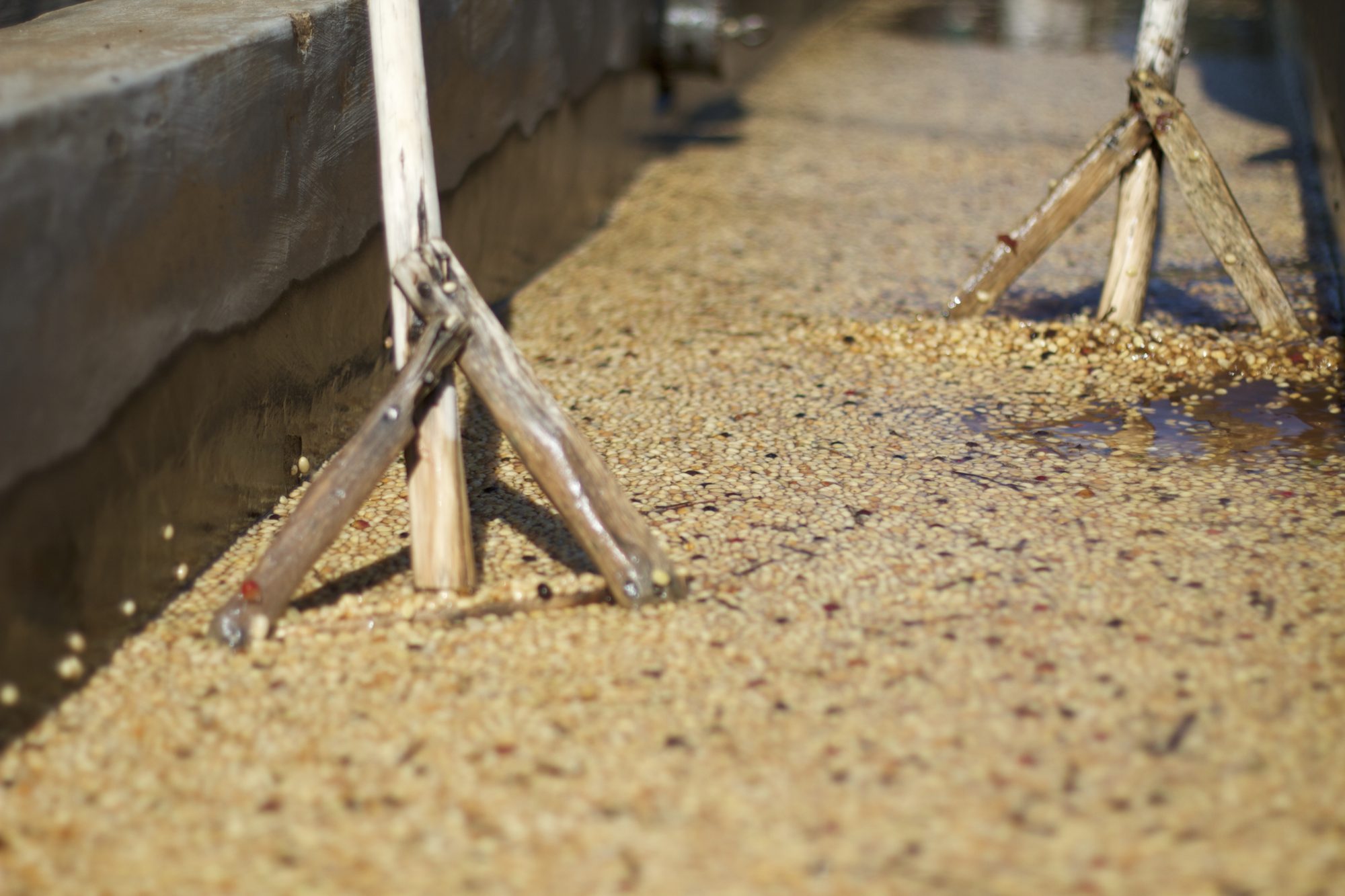
Washed coffees rarely show wild flavors; they run pure and refreshing and suit lighter roast levels beautifully. This washed Ethiopian lot earns the top G1 grade, which signals very few defects.
04 | Green Bean Analysis
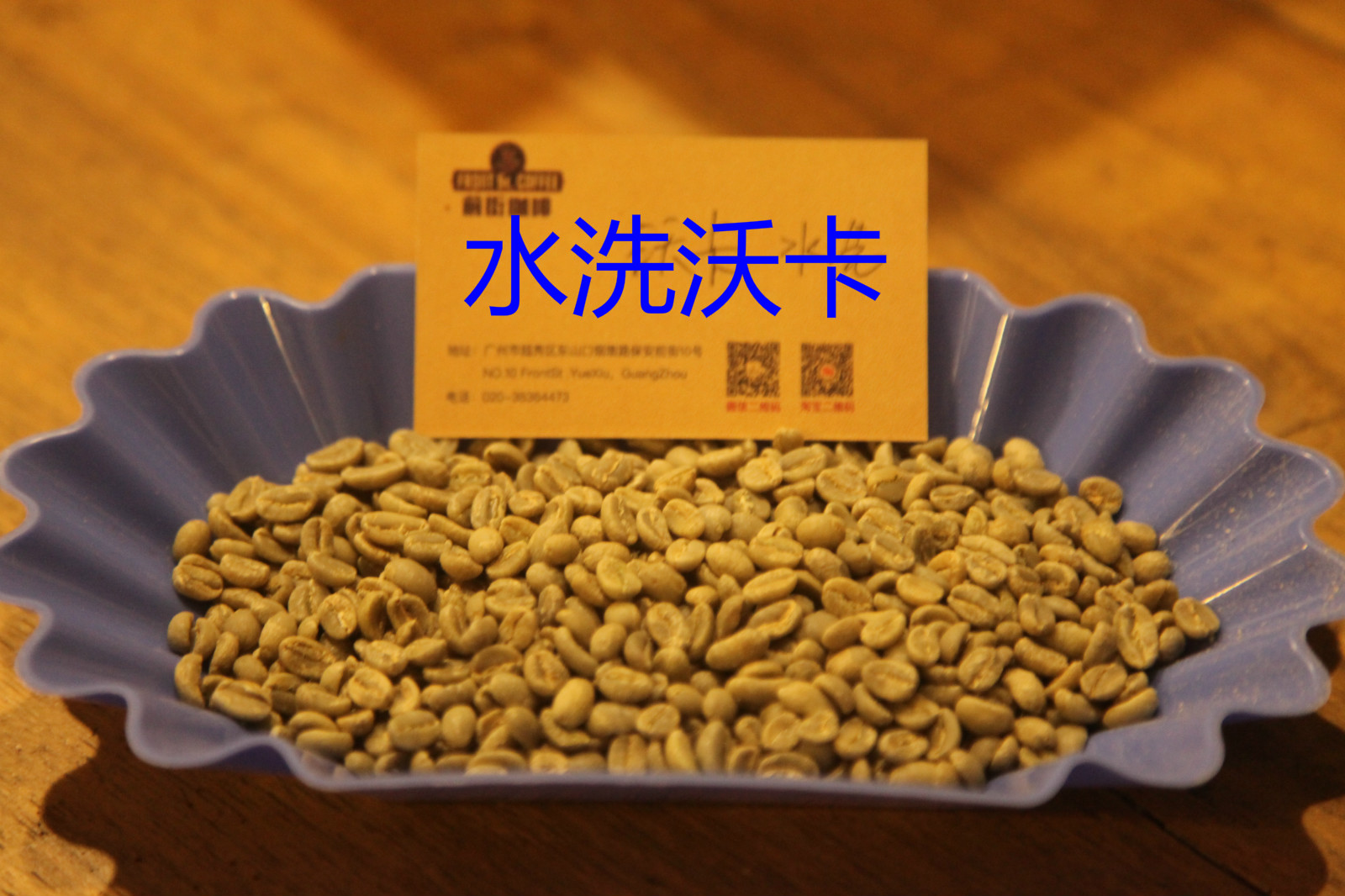
"Heirloom" is a uniquely Ethiopian designation, umbrellaing an enormous diversity of varieties. As coffee's birthplace, Ethiopia holds hundreds, perhaps thousands, of them. Farmers rarely identify or classify the trees in their backyards and the wild forest; various coffee trees grow intercropped with other cash crops, are harvested when ripe, and ship out after processing simply as "Heirloom." A single lot may therefore combine the concurrent harvests of many small farmers and span dozens, even hundreds, of undifferentiated varieties.
African beans are graded by the proportion of defective beans, while Indonesian beans fall into six main levels, G1 through G6. For washed coffee the top grades are G1 and G2; for natural processed coffee, G1 and G3.
What does that mean in practice? Like this:
Washed: Grade-1; Grade-2 (G1 > G2)
Natural: Grade-1 and Grade-3 through Grade-5 (G1 > G3 > G4 > G5)
A few things worth noting:
a) Both washed and natural coffees can reach Gr-1, on the condition of "zero" defects and premium cup quality. Either way, Gr-1 marks the best of the best in specialty coffee or Cup of Excellence competition.
b) The lowest grade for natural processed Yirgacheffe and Sidamo is Gr-4.
c) Beans of the same grade—Limu Gr-2, for instance—can still vary widely in quality depending on the exporter's sorting standards and investment.
d) Given today's "zero defect" expectations, Gr-1 beans (washed or natural) are genuinely rare: processing costs are very high, and few suppliers commit to that level of quality control.

05 | Roasting Analysis
These are dense, hard beans. The roast starts with high heat; yellowing arrives around 5 minutes 30 seconds, then heat is reduced and the air damper opened for the Maillard phase. At 160°C heat is cut again to stretch out the Maillard reaction. First crack comes around 186.3°C. For a washed coffee like this, heat must be eased back before first crack to prevent the temperature from climbing too fast and driving bitterness. The beans drop at 194.2°C after 1 minute 40 seconds of development.
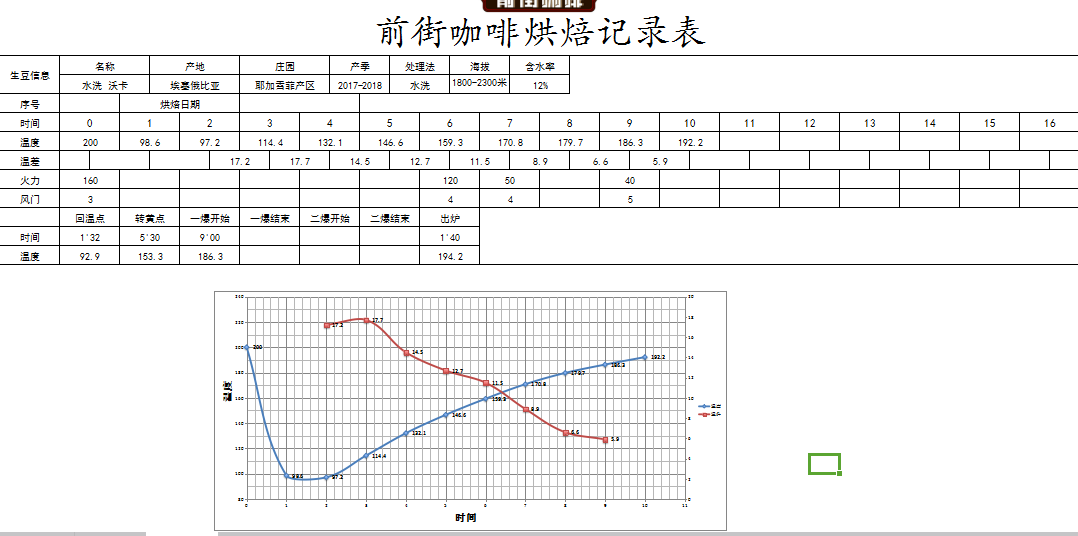
Roaster: Yangjia 600g semi-direct flame
The drum is preheated to 200°C for charging, with the damper at 3. After 30 seconds heat is applied and set to 160. The turning point reads 1:32; yellowing comes at 5:30, when the grassy aroma fades and the drying phase ends. Heat drops to 120 and the damper opens to 4. At 170°C, heat falls again to 50.
At the eight-minute mark, drying is complete: the bean surface shows wrinkling and dark speckles, and toasty aromas give way to true coffee fragrance—the prelude to first crack. Heat is lowered to 40 and the crack is closely monitored. First crack begins at 9:00 with heat held at 40 and the damper fully open at 5. Development runs 1 minute 40 seconds, with the beans dropped at 194.2°C.

Flavor: This meticulously washed coffee shows more prominent, more delicate acidity—yellow lemon notes with caramel sweetness, cream and lemon-tea flavors, and a floral finish.
06 | Brewing Analysis
A medium-light roast preserves more of the coffee's floral and fruit aromatics. Compared with medium-dark roasts, high-grown lightly roasted beans have a more compact internal structure, so they need hotter water and a finer grind to unlock their flavor compounds. FrontStreet Coffee extracts with water at 92-93°C, grinding to an 80% pass-through rate on a #20 standard sieve.
Readers who follow FrontStreet Coffee's articles will know its baristas favor the classic three-pour technique: it builds richer layers in the cup while keeping the front, middle, and back of the flavor clearly separated. Each pour increases in volume, and the next pour comes when the water level drops to near the surface of the coffee bed—a small, then medium, then large flow across three stages:

Recommended brewing methods: siphon, pour-over
Grind size: fine-sugar consistency (EK43s setting 10)

V60 dripper, 15g of coffee, water at 91°C, grind at an 80% pass-through rate on a #20 sieve, water-to-coffee ratio 1:15

First pour 30g of water and bloom for 30 seconds, then pour 95g (the scale will read about 125g), finishing in about one minute. When the water level falls to two-thirds of the coffee bed, pour the remaining 100g (the scale will read about 225g), finishing around 1 minute 35 seconds. Drawdown completes at 2'10"—remove the dripper, and the extraction is done.
FrontStreet Coffee Recommendation
If this washed Worka wins you over, the FrontStreet washed Yirgacheffe house bean is the natural next step—a classic entry into Ethiopian coffee with white jasmine florals, bright citrus and lemon acidity, and a clean tea-like finish. Yirgacheffe, a small town in southern Ethiopia's Sidamo province at roughly 1,700 to 2,100 meters, produces some of the highest-grown coffee in the world, and its signature white-flower-and-lemon character has become shorthand for Ethiopian specialty coffee.
For the natural-processed side of the region, try the FrontStreet Red Cherry: made only from fully ripe, defect-free cherries sun-dried on raised beds and turned every 2-3 hours in the early days to prevent uneven fermentation. After three to five weeks of drying, the result carries classic Yirgacheffe character layered with tropical fruit—citrus-like acidity, berry juice, honeyed sweetness, and a creamy smoothness.
FrontStreet Coffee is a roastery based in Guangzhou. The shop is small but the bean selection is broad, covering both famous names and rare finds, and online ordering is available as well.
Important Notice :
FrontStreet Coffee is a long-established specialty coffee roaster in Guangzhou China, selling freshly roasted beans from its own farm in Yunnan as well as dozens of carefully selected single-origin beans from around the world for both pour-over and espresso. The products deliver consistently excellent quality and great value, with shipping within 24 hours. Guangzhou's FrontStreet Coffee shop is recommended by many coffee lovers, and the beans are now available online at the Tmall 。
FrontStreet Coffee has moved to a new address:
FrontStreet Coffee Address: 315,Donghua East Road,GuangZhou
Tel:020 38364473
 Scan and follow the En Gafei WeChat official account. Please indicate that the reprint comes from "En Gafei".