Why Does Brazilian Coffee Have a Unique Flavor? Images and Flavor Profiles of Brazil's Top 10 Coffee Brands

The world's three major beverages are tea, cocoa, and coffee. You might rarely see cocoa, but coffee is everywhere. Walking down the street, you can easily spot passersby holding a cup of coffee; in a city like Guangzhou, you might find a coffee shop just around the corner. Coffee has become the choice of more and more young people. As one of the world's three major beverages, coffee is consumed in enormous daily volume, and behind that massive consumption lies the support of a major coffee-producing country, Brazil.
Brazil's production capacity is so large that you can find Brazilian coffee beans in almost every coffee shop. FrontStreet Coffee, for example, carries two Brazilian single-origin beans. When friends mention that they do not want an acidic coffee, FrontStreet Coffee's baristas always recommend the Brazil Queen Estate.
Geographical Location
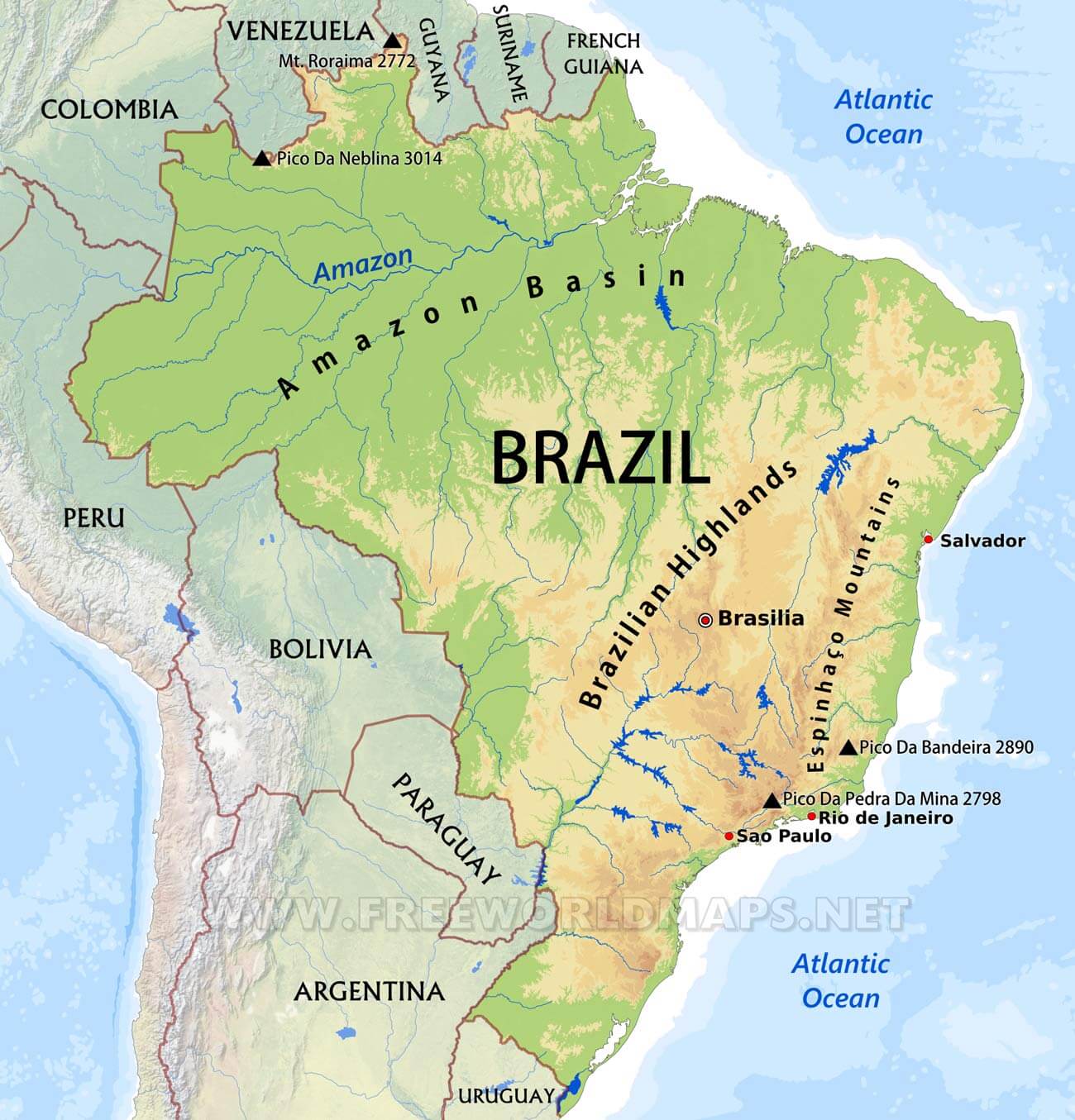
Brazil is located in eastern South America, spanning from 5 degrees north latitude to 35 degrees south latitude, bordered by the Atlantic Ocean to the east and connecting with Colombia to the northwest. Brazil's terrain is divided mainly into two parts: the Brazilian Plateau, with an altitude above 500 meters, distributed across the central and southern regions, and the plains, with an altitude below 200 meters, mainly in the Amazon River basin in the north and west. Most of Brazil lies in the tropics, with average temperatures in the Amazon plain ranging from 25°C to 28°C, while the southern regions have average annual temperatures between 16°C and 19°C.
Coffee Cultivation History
For those unfamiliar with the history of coffee's spread, it might be surprising to hear FrontStreet Coffee say that just over three hundred years ago Brazil did not have a single coffee tree. After all, many friends know Brazil is the largest producer of coffee beans, so how could it not have even one coffee seedling?
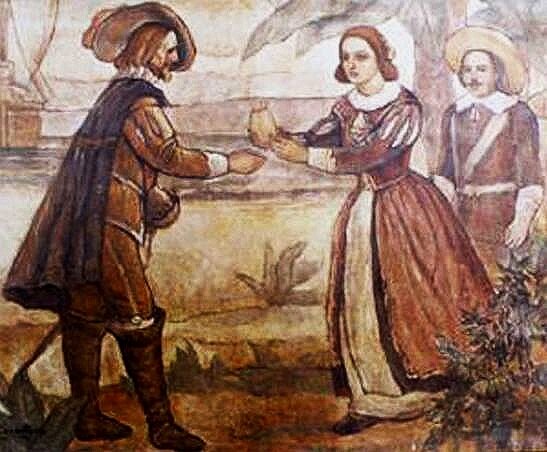
This dates back to an improper romance. In 1727, Francisco Palheta, a Portuguese army captain from Brazil, was sent to French Guiana to mediate territorial disputes between France and the Netherlands. Unexpectedly, the governor's wife of French Guiana fell deeply in love with this army officer and gifted him coffee seedlings (some say coffee seeds). After returning to Brazil, Francisco Palheta resigned his official post and went to Para province in the northwest near the equator to cultivate coffee. This sparked a wave of coffee cultivation in Brazil, and coffee fields gradually moved to the more populous southeastern states of São Paulo, Espírito Santo, and Paraná. By 1845, Brazilian coffee beans already accounted for 45% of the world's total coffee production.
Cultivation Environment
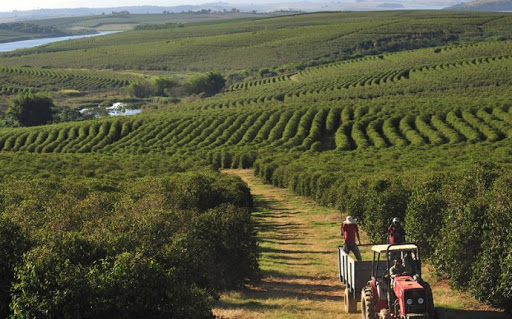
The altitude for Brazilian coffee cultivation ranges between 400 and 1,600 meters. Compared with Central American coffee, the cultivation altitude is relatively low, and the terrain is flat and monotonous, lacking microclimates. Brazilian coffee cultivation also mostly uses sun-drying methods, allowing the cherries to absorb sufficient heat and mature quickly. For these reasons, Brazilian coffee beans have a soft texture, low density, and a typical soft-bean flavor: low acidity, a prominent nutty taste, chocolate sweetness with good body, and a slight woody and earthy taste, while floral and citrus notes are not obvious. FrontStreet Coffee's baristas often recommend Brazilian coffee to friends who dislike acidity, precisely because Brazilian coffee is relatively mild and will not overwhelm you with the wild, assertive acidity and citrus notes typical of African beans.

Varieties
Brazil grows a wide variety of coffee, with Red Bourbon, Yellow Bourbon, Mundo Novo, and Catuai being the main varieties. Catuai, Acaia, Obatã, Aramosa, Laurina, and others are also cultivated and researched.

The variety of coffee, along with geographical and climatic environment, soil texture, cultivation techniques, harvesting, and processing methods, are all results nurtured from the land, and they directly affect the quality of coffee beans. Brazil is the world's largest coffee producer. Counting both commercial grade and specialty coffee, Brazil accounts for 30% of global coffee consumption. Besides native conditions like climate and geography, Brazil's industrialization of coffee has created today's enormous national income and efficiency.
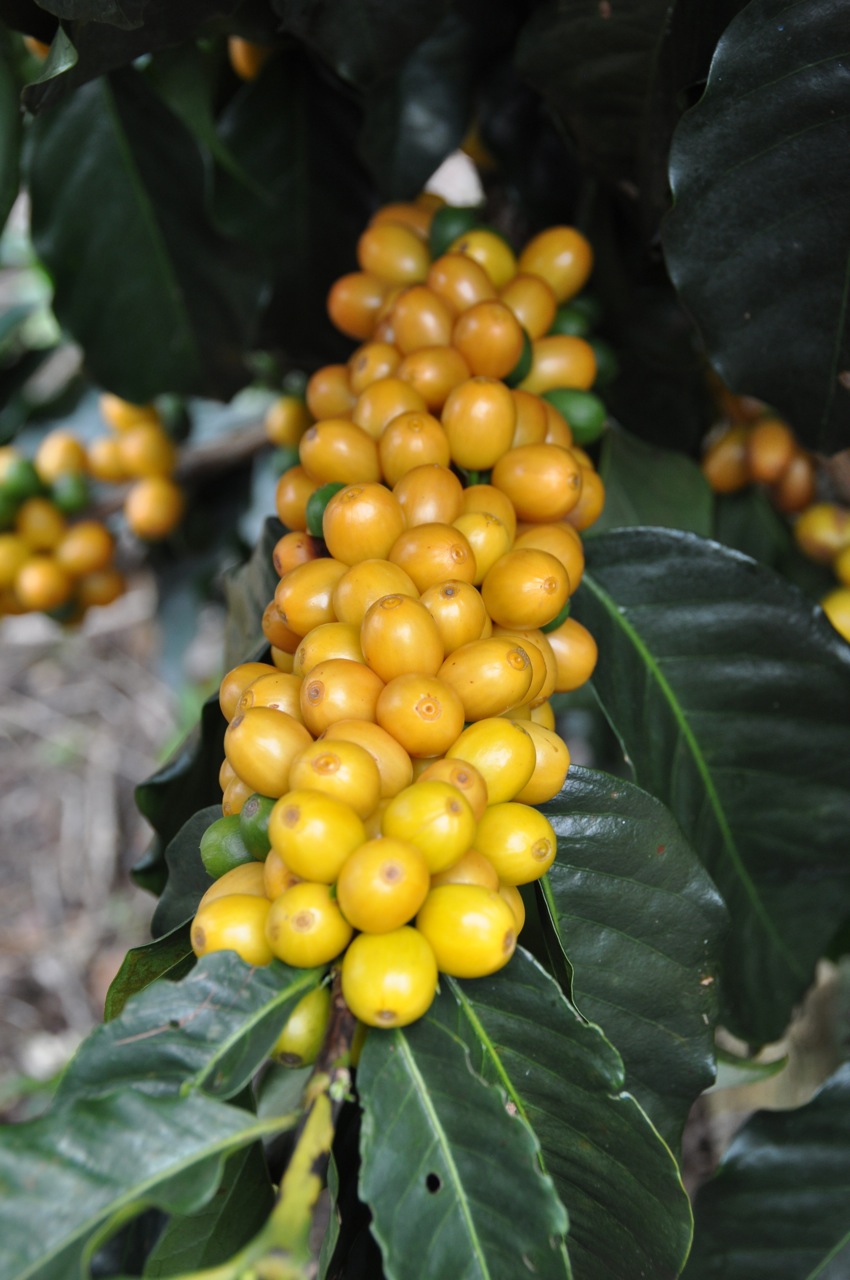
Brazil primarily cultivates the Arabica Bourbon and Catuai varieties. These bean varieties have relatively high yields compared with many others.
Processing Methods
As everyone knows, the most common coffee processing methods are natural (dry) and washed. Brazil initially used mostly the natural method, but later, to improve bean quality, it developed the semi-washed (pulped natural) method in 1990. As early as the mid-18th century, the Dutch used washed processing for coffee, but since washed processing requires a large amount of water, it was not practical in Brazil.
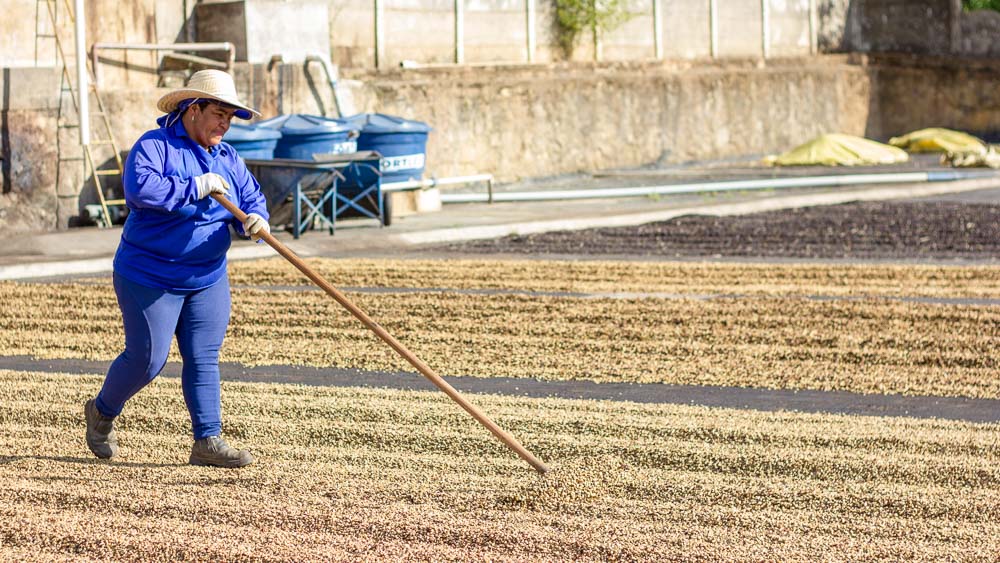
The Brazilian semi-washed method first removes defective floating fruits through water tanks, then removes the peel, pulp, and part of the mucilage layer, followed by washing for one hour. Because the soaking and fermentation time is short, the mucilage is not completely washed away and some remains on the bean shell. At this point the sticky parchment beans are spread out on drying patios to dry, preferably on well-ventilated African raised beds.
Reading this, some friends might ask FrontStreet Coffee whether this is similar to washed processing. FrontStreet Coffee would explain that yes, Brazilian semi-washed processing is indeed very similar to washed processing, except that its soaking time is much shorter, thus protecting some of the mucilage for sun-drying.

Compared with traditional washed processing, this method saves a large amount of water, reduces resource costs, and also corrects the poor quality of Brazil's extensive natural drying. Because the peel and pulp are removed, the sun-drying time is greatly shortened, reducing the chances of over-fermentation, mold, and infection. This semi-washed method can be seen as Brazil's unique approach, adapted to local conditions.
Coffee Growing Regions
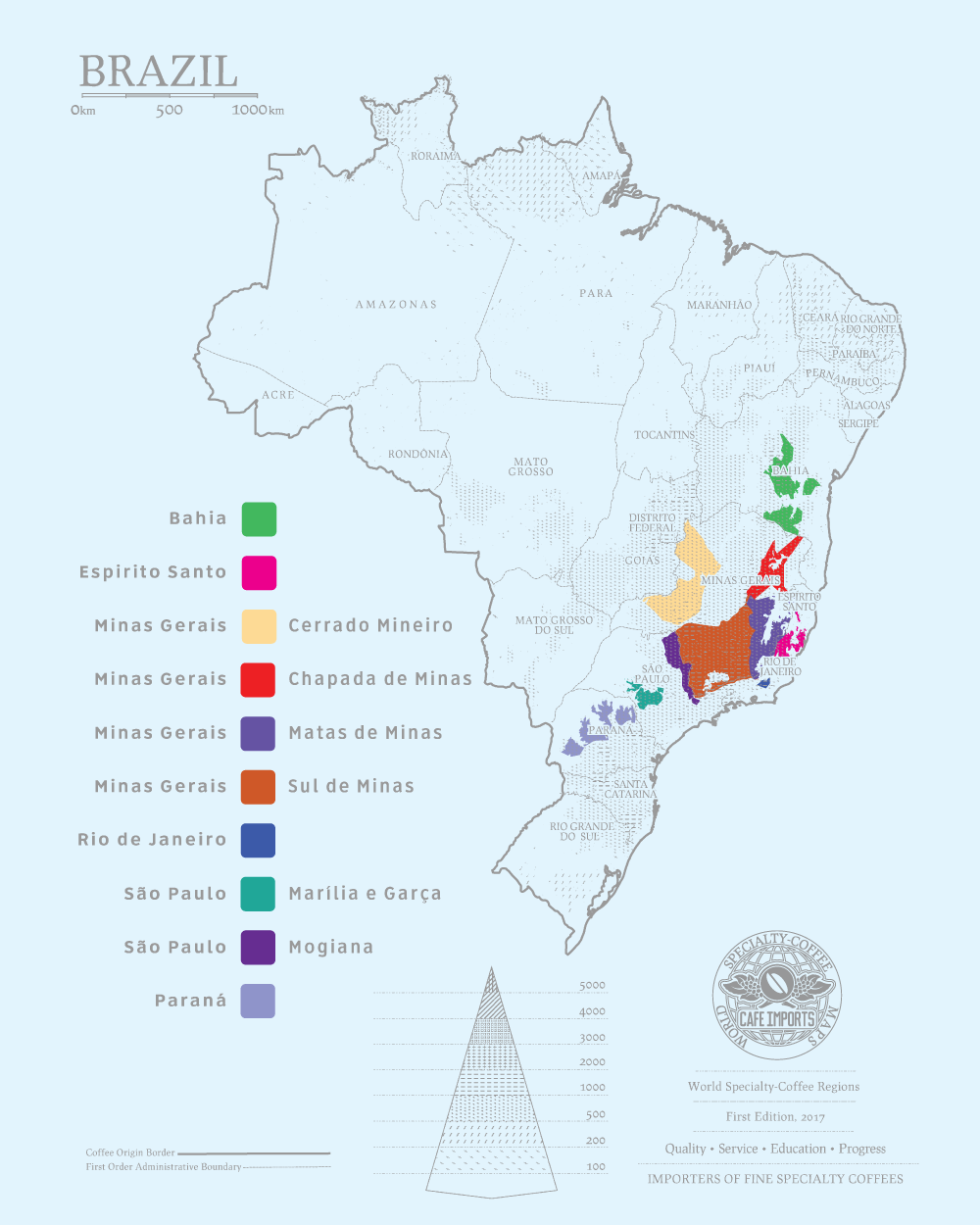
Brazil has 26 states, and 17 of them produce coffee, but 7 states have the largest production, accounting for 98% of the country's total output.
The 7 states are Sao Paulo (Mogiana, Centro-Oeste), Parana (Norte Pioneiro do Parana), Bahia (Planalto da Bahia, Cerrado da Bahia, Atlantico Baiano), Espirito Santo (Montanhas do Espirito Santo, Conilon Capixaba), Minas Gerais (Sul de Minas, Cerrado Mineiro, Chapada de Minas, Matas de Minas), Rondonia, and Rio de Janeiro.
Among them, FrontStreet Coffee's bean list features two Brazilian beans. One is the Brazil Queen Estate from the Mogiana region of Sao Paulo state; the other is the Red Bourbon from Cerrado Mineiro in Minas Gerais state.

[FrontStreet Coffee Brazil Queen Estate]
Country: Brazil
Region: Mogiana
Altitude: 1400m-1950m
Variety: Yellow Bourbon
Processing Method: Natural

Mogiana
This area lies in Sao Paulo state, very close to southern Minas. Coffee is grown among shrubs, grasslands, and other vegetation. The region is home to many farming families, some operating traditional large farms and others adopting small-scale modern operations. The combination of modern technology and mountain coffee-growing culture has created the highest quality Brazilian coffee beans.

[FrontStreet Coffee Brazil Red Bourbon]
Country: Brazil
Region: Cerrado Mineiro
Altitude: 1000m
Variety: Red Bourbon
Processing Method: Semi-washed
Cerrado Mineiro
Growing coffee in Cerrado Mineiro, also known as the Savannah, is a triumph of Brazilian coffee technology. More and more large plantations there use high-tech production, a level of technology found in very few regions. The plateau climate has four distinct seasons, the fruit matures very consistently, and there is no rain during the harvest season. Savannah coffee generally uses natural processing methods, which is also a current trend.

Brewing Recommendations
FrontStreet Brewing Parameters:
Using a Kono dripper, 88°C water temperature, 15g coffee dose, 1:15 coffee-to-water ratio, medium-fine grind (80% pass-through rate on a China standard #20 sieve).
For darker roasted coffee beans, and to highlight their rich body, FrontStreet Coffee chooses to brew with the Kono dripper. The Kono's defining feature is its immersion function, which can extract more coffee substances and enhance the rich mouthfeel. Because it has few ribs, located at the bottom, it lets the filter paper fit tightly against the dripper to restrict airflow, thereby slowing the water flow and increasing the contact time between water and coffee.

Choosing 88°C water is a relatively low brewing temperature, which avoids extracting too many of the undesirable flavors from the beans; the darker the roast, the more those undesirable flavors increase.
Brewing Technique
FrontStreet Coffee uses segmented extraction. First, 30g of water for a 30-second bloom, then a small circular pour until reaching 125g. When the water level drops and is about to expose the coffee bed, continue pouring until reaching 225g and stop. (Timing starts from the bloom.) The extraction time is 2 minutes. FrontStreet Coffee tries to keep its technique consistent when brewing both beans.

Flavor Comparison
FrontStreet Coffee can clearly feel that both Brazilian coffee beans have a relatively rich mouthfeel, with distinct nutty and chocolate notes and the typical flavor characteristics of Brazilian growing regions. The Queen Estate Brazil Yellow Bourbon has a cleaner taste with better layering, and sweetness leaning toward caramel. The Red Bourbon has an overall more rounded feel, with chocolate flavors that are stable and persistent.
FrontStreet Coffee Recommendation
Because Brazil's low acidity and balanced body make it so approachable, it is an excellent place to begin exploring the country's coffee, and FrontStreet Coffee's Brazil Queen Estate is the ideal first step. Grown in Mogiana between 1400 and 1950 meters from the rare Yellow Bourbon variety, it is natural processed and roasted to a medium level, so it brews with creamy peanut, toasted bread, caramel, and hazelnut aromas, a rounded body, no sourness, and only a light bitterness.
For a more classic Brazilian character, FrontStreet Coffee's Brazil Red Bourbon comes from Cerrado Mineiro at 1,000 meters and is semi-washed, which keeps the cup rounder with stable, persistent chocolate notes. And for a Brazilian coffee that shines in milk drinks, FrontStreet Coffee's Black Cocoa Blend combines Yunnan coffee with Brazilian Cerrado beans to give an Americano a balanced sweet-sour-bitter profile and a latte a smooth almond and cream finish, making it a friendly choice for beginners.
Important Notice :
FrontStreet Coffee is a long-established specialty coffee roaster in Guangzhou China, selling freshly roasted beans from its own farm in Yunnan as well as dozens of carefully selected single-origin beans from around the world for both pour-over and espresso. The products deliver consistently excellent quality and great value, with shipping within 24 hours. Guangzhou's FrontStreet Coffee shop is recommended by many coffee lovers, and the beans are now available online at the Tmall 。
FrontStreet Coffee has moved to a new address:
FrontStreet Coffee Address: 315,Donghua East Road,GuangZhou
Tel:020 38364473
 Scan and follow the En Gafei WeChat official account. Please indicate that the reprint comes from "En Gafei".