Ninety Plus 90+ Coffee Bean Varieties and Flavor Characteristics - Are 90+ Coffee Beans Expensive?
For professional coffee knowledge exchange and more coffee bean information, please follow Coffee Workshop (WeChat official account: cafe_style).
Ninety Plus Coffee: The Pinnacle of Premium Coffee
Ninety Plus Coffee, a premium coffee supplier from the United States, was founded in 2006. In the decade since its founding, Ninety Plus has shown coffee professionals worldwide its unique charm, leading an unprecedented wave of enthusiasm for top-tier coffee. Since its first coffee in 2007, it has been the treasured first choice of coffee experts and competition baristas. Today, 90+ coffee beans are practically synonymous with world-class premium coffee, their taste and quality surpassing almost any other precious coffee.
Understanding the Level System
Within Ninety Plus's flavor system there is a "Level" designation, shown by the number after the "L" in a product name—L12 means Level 12. The Level roughly corresponds to price. It represents a green-bean grading model: based on quality, quantity, and production cost, Ninety Plus keeps refining its already excellent green beans into tiers like these:
Level 7: Single Origin Harvest
Rare varieties with delicate flavors and special characteristics are hand-picked, then processed using Ninety Plus's unique methods to standards exceeding its own requirements.
Level 12: Single Origin Harvest
The website uses descriptors like "unmistakable and indelible" to signal that beans of this grade offer a taste experience every coffee lover will remember for a lifetime.
Level 21 (L21), Level 39 (L39)
These are mostly Gesha varieties grown on Ninety Plus's Panamanian estates. The specially Red-processed Ethiopian Nekisse Red also belongs to Level 39 (L39).
Level 95 (L95), Level 195 (L195)
These are beans from the highest-quality micro-environments on the Panamanian estates, processed through patented drying technology after lengthy selection. They meet the design's highest taste standards, and most are handled under the personal care of founder Joseph. Annual output may reach only tens—or even just a handful—of kilograms. These are collector's items.
Kemgin: The Signature Coffee
Origin of Name: This coffee comes from Nekempte town in western Ethiopia. Its character is lively and clean, with light fruity, citrus, and ginseng notes. The "kem" in Kemgin references Nekempte, while "gin" references "ginseng." Kemgin-style coffee is now produced in the Wellega, Sidama, and Yirgacheffe regions.
Kemgin has been officially renamed "Wild Ginger Flower." Compared with the 2015 Kemgin, it keeps the rare juice-like body of washed beans in addition to its florals. This year's Wild Ginger Flower brings higher sweetness, gradually turning the original peach flavor into uncommon orange-candy notes. We highly recommend trying this year's Wild Ginger Flower.
Origin: Ninety Plus Ethiopia - Wellega, Sidama, and Yirgacheffe regions.
Altitude: 1750-2000m.
Processing Method: Washed.
Flavor Profile: White peach, lime, honeydew melon, ginseng, carob.
Hachira | Level 12
Origin of Name: From the Aricha region series developed by Ninety Plus with S.A. Bagersh from 2006-2008, this coffee was named "Hachira." Hachira shows distinct juiciness and a rich floral aroma, typically carrying elderberry or blackberry notes, sometimes with herbal basil.
Origin: Ninety Plus Ethiopia - Achira region.
Altitude: 1750-2000m.
Processing Method: Natural.
Flavor Profile: Rich florals, distinct juiciness, elderberry, blackberry, and herbal basil notes, plus lactose-like sweetness.
Nekisse Red | Level 39
Origin of Name: Red-processed Nekisse is like its vibrant, stronger-willed younger sister. Sugar-sweet, it keeps its sibling's classic fragrant-wood and nectar notes while being independent and aware of its own charm, unafraid to express itself. Tasting it feels like experiencing a richer, deeper Nekisse—as if someone traced Nekisse's contours and added bold eyebrows to accentuate the loveliest details of an enchanting face.
Origin: Ninety Plus Ethiopia - Wellega and Sidama regions.
Altitude: 1750-2000m.
Processing Method: Ninety Plus's patented "Red Processing," which approaches but surpasses natural processing.
Flavor Profile: Red processing heightens blueberry, cherry, and dark chocolate notes while preserving the fruit-chocolate balance and layered texture. The balance is achieved with remarkable subtlety. A rare, excellent coffee.
Nekisse | Level 12
Origin of Name: In 2009, this coffee was named after "Nectar from Shakisso," meaning it has flavors like nectar from Shakisso town in Ethiopia's Sidama province. Nekisse shows a creamy, smooth texture and intense berry-jam notes, with some batches carrying citrus and mixed tropical fruit. Although it was first grown around Shakisso, later Nekisse comes from the Wellega and Sidama regions and retains only the name. We believe Nekisse grown in Sidama maintains the original nectar and berry character that sets it apart from all other Ethiopian coffees.
Origin: Ninety Plus Ethiopia - Wellega and Sidama regions.
Altitude: 1750-2000m.
Processing Method: Natural.
Flavor Profile: Clean and multi-layered, balanced by peach, berries, passion fruit, cream, and milk chocolate. A classic excellent coffee. From hot to cold, it keeps offering surprises of night-blooming jasmine, blueberry, fragrant wood, and cocoa.
Tchembe | Level 7
Origin of Name: Although this year's Tchembe comes from Yirgacheffe, the name comes from the Haricho and Bolo variety coffees of the Amaro mountains. These two varieties, processed naturally, carry carob and banana flavors. Tchembe has an earthy, chocolate-like richness with richly layered citrus and berry flavors.
Origin: Ninety Plus Ethiopia - Yirgacheffe region.
Altitude: 1750-2000m.
Processing Method: Natural.
Flavor Profile: Noticeable richness on entry, with earth and dark fruit flavors plus a touch of light citrus.
Juliette | Level 39
On Ninety Plus's Geisha estate there is a path from the farmhouse to the drying area. Walk it and you will pass a row of exceptionally beautiful datura flowers. At dusk, these bell-shaped blossoms release an enchanting, intoxicating fragrance that lasts only about an hour; we jokingly call it the "Beauty of the Night." There is also a legend about datura: a local Panamanian indigenous tribe reportedly placed the flowers under their pillows while sleeping to ward off harm, believing datura held special energy to protect the family. Besides datura, nightshade, henbane, and mandrake belong to the "witch herbs" family. Since these plants are thought to hold mystical powers, they are often used by wizards to prepare magical potions. Datura is an essential ingredient in wizards' love potions—those who drink them can win a beloved's heart—yet datura is also prepared as a poison that causes madness or death.
Once, while running a small vaporized flavor evaluation on a coffee in our sensory lab, we suddenly caught a mix of honeysuckle, orange, milk chocolate, and floral notes. The scent instantly carried us back to that evening walk along the datura-lined path. Its soft, feminine character left us lost in thoughts of datura flowers and Shakespeare's tragedy "Romeo and Juliet"—so we named the coffee "Juliette."
Origin: Ninety Plus Panama Geisha Estate
Variety: Geisha
Level: 39
Altitude: 1250m-1650m
Processing Method: Honey processing
Flavor: On top of Geisha's inherent flavors, a rich floral aroma. Tasting reveals orange peel, caramel, and dried cashew notes.
Lotus Solkiln | Level 95
Origin of Name: The flavor development of Lotus Solkiln emulates the lotus—the flower that rises from mud unstained—a perennial aquatic plant sometimes mistaken for a water lily. Although Ninety Plus Solkiln-processed Geisha involves drying fresh cherries directly, much like traditional natural processing, the beans look little different from washed coffee. The Solkiln method creates a finely controlled temperature-and-humidity micro-environment, eliminating the impact of Panama's commonly humid climate on the coffee. Similarly, lotus flowers adapt to environments shared with humans or other warm-blooded animals by regulating their petal temperature. Lotus SK breaks both from the tradition of emulating Ethiopian washed or natural processing and from people's long-held impression of Geisha's basic flavors. In naming "Lotus SK" we were also influenced by the song "Lotus Flower" by the Oxford band Radiohead, which expresses the pursuit of inner peace, freedom, low-key living, and love of music and sensory enjoyment—like this coffee, we hope those who drink it can reach a similar state of mind. The song's music video presents pure, varied expressions of music—watch it if you get the chance.
Origin: Ninety Plus Panama Geisha Estate
Variety: Geisha
Level: 95
Altitude: 1250m-1650m
Processing Method: Ninety Plus patented Solkiln honey processing - special equipment controls the temperature and humidity of a room to extend drying time, enhancing flavor while maintaining washed-like cleanliness.
Flavor: A mingled aroma of fig and honey, with rich layered flavors of melon, kiwi, and light tropical fruit on entry.
Perci | Level 39
Origin of Name: "Perci" derives from "perspective," meaning viewpoint or angle. During our sensory experiments with this coffee, amid a routine overall evaluation, we suddenly felt a unique, stunning stimulation that gave us a different perspective on coffee than ever before. Using the meaning of "perspective," we named it "Perci" to remind ourselves this is a coffee that made us see it in a new light.
When we first blind-tasted it, we were certain these were Ethiopian natural-processed coffees (and in a sense, they are). Our first thought was that this definitely was not Geisha. Geisha's baseline flavors include citrus, orange, and jasmine, but for "Perci" those are only a small part of the profile. Beyond them come mango, pineapple, carob, banana, plum, red grape, honey, peach, red coral, and many more flavors.
Origin: Ninety Plus Panama Geisha Estate
Season: 2013~2014
Variety: Geisha
Level: 39
Altitude: 1250m-1650m
Processing Method: Natural
Flavor: Intense cherry, carob, vanilla, tropical fruits, and mixed juice flavors.
Perci Red | Level 95
Origin of Name: Red processing's effect on Perci is like watching a beautiful sunset through red glass windows. Perci's tropical fruit character becomes clearer and sweeter, every flavor coated with a honey-brandy feel. Pineapple, mango, and peach turn into fresh jam; the sweet-tart freshness of fruit and juice remains, only richer and sweeter—and many more flavors besides.
Origin: Ninety Plus Panama Geisha Estate
Variety: Geisha
Level: 95
Altitude: 1250m-1650m
Processing Method: Ninety Plus's patented "Red Processing" - approaches but surpasses natural processing
Flavor: Red processing further heightens vanilla, tropical fruits, and mixed juice flavors. Mango and pineapple gain a hint of sweet wine, while banana, red grape, honey, and peach stay unchanged.
Perci Ruby | Level 195
Origin of Name: Perci Red processing is already amazing; Ruby processing makes Perci even more distinctive. The tropical fruit character becomes clearer and extremely sweet, every flavor coated with a honey-brandy feel. Pineapple, mango, and peach become fresh jam, still holding the sweet-tart freshness of fruit and juice, only richer and sweeter.
Origin: Ninety Plus Panama Geisha Estate
Season: 2013~2014
Variety: Geisha
Level: 195
Altitude: 1250m-1650m
Processing Method: Ninety Plus's patented "Ruby Processing"
Flavor: After ruby processing: intense brandy and honey tropical fruit flavors. Mango and pineapple turn bold and wild, while banana, red grape, honey, and peach pick up a hint of wine.
Sillvia Solkiln | Level 95
Origin of Name: Sillvia coffee came from our first use of the Solkiln method in 2012, applied to coffee from plot 11 of the Geisha estate. All of that plot's coffee was processed at once, yet only 25kg with special flavors was successfully obtained. In 2013, we learned that Geisha cherries harvested late in the season absorbed more fruit flavors during Solkiln processing, because we extended the processing time, producing stronger fruit character. The "sill" in "Sillvia" references the farm's location - Silla Del Pando (the Silla Del Pando volcanic complex in Panama's volcanic region), while "via" means channel or method.
Origin: Ninety Plus Panama Geisha Estate
Variety: Geisha
Level: 95
Altitude: 1250m-1650m
Processing Method: Ninety Plus patented Solkiln natural processing - special equipment controls the temperature and humidity of a room to extend drying time, enhancing flavor while maintaining washed-like cleanliness.
Flavor: Distinct juiciness on entry, rich with intense tropical fruit flavors plus pineapple pastry notes and a long-lasting finish.
Lycello | Level 21
Origin of Name: In 2013, Taiwan's World Barista Championship champion Chien Chia-cheng visited Ninety Plus's Geisha estate. After tasting Geisha coffee cherries, they reminded him of the lychees grown in his backyard! So Ninety Plus took the first two letters, "LY," from the English word "Lychee" for the first part of the name. Later, while listening to a performance by the genius cellist Yo-Yo Ma, we were struck by his superb skill, so we took "cell" from the English word "cello" as the second part and the "o" from Yo-Yo Ma's name as the third. That is how Lycello got its name!
Origin: Ninety Plus Panama Geisha Estate
Variety: Heirloom
Level: 21
Altitude: 1250m-1650m
Processing Method: Washed
Flavor: On top of Geisha's inherent flavors, rich green tea/musk and herbal basil aromas. Tasting reveals soft lemon, a lychee-like sweet-tart texture, and cashew-like nuttiness.
About LevelUp
LevelUp is the secondary brand of premium green-bean processor Ninety Plus, an Ethiopian green bean series launched jointly with green-bean trader Bodhi Leaf. The beans are named not by region but by flavor characteristics, with names in local Ethiopian languages describing each bean's distinct profile. They keep 90+'s amazing flavors at more accessible prices.
LevelUp Series Coffees
Drima Zede (Candle Light)
Origin of Name: Drima Zede (Candle Light, the name of this Yirgacheffe) means "Best Approach" in the local dialect. According to the original producer, this Yirgacheffe is a specialized series built on 90+ years of experience. Ancient natural processing makes pure flavors hard to obtain, but with 90+ technical support, Drima Zede hand-picks only the most mature cherries, and the natural drying involves meticulous constant stirring to ensure uniformity. The result is a very transparent, clean texture with significant changes from hot to cold; the fruit, floral, and oak-barrel aromas are charming.
Origin: Ninety Plus Ethiopia - SNNP, Sidama region
Altitude: 1750m-2000m
Processing Method: Natural
Flavor: Nectarine, tropical fruits, cream, cinnamon
Danch Meng
Origin of Name: Danch Meng belongs to NINETY PLUS's secondary brand Level Up, an Ethiopian green bean launched jointly with Bodhi Leaf in 2013. Danch Meng translates locally as "Perfect Approach," grown by smallholder farmers in the Goldina Abayadumensuo area of Yirgacheffe. Backed by NINETY PLUS's professional processing, Danch Meng shows very distinctive Yirgacheffe flavors thanks to 90+ natural processing technology.
Origin: Ninety Plus Ethiopia - SNNP, Kambata region
Altitude: 1700m - 2000m
Processing Method: Natural
Flavor: Cocoa, black raspberry, plum, juicy, floral aroma, blueberry, dark chocolate
DerarEla | Dreamer
Flavor: More intense aromatics, rich tropical fruits and lime, with a unique chamomile fragrance
LomiTasha
Flavor: Soft lemon, honey, wild ginger flower notes, refined green tea texture
Faya Deraro
Flavor: Blueberry, strawberry cookies, cherry, white wine, raspberry
Nitsu Ruz | Rosemary Freshness
Flavor: Floral, lemon peel, lychee, prune, kumquat, black tea
90+ Coffee Bean Brand Recommendation
The 90+ coffee bean Drima Zede roasted by FrontStreet Coffee comes with full guarantees in both brand and quality. Better still, it offers extremely high value for money: a half-pound (227g) bag costs only about 90 yuan. At 15g of grounds per cup, one bag brews 15 cups—about 6 yuan each. Compared with café prices that often exceed 100 yuan a cup, that is a truly conscientious recommendation.
FrontStreet Coffee Recommendation: Geisha at Every Budget
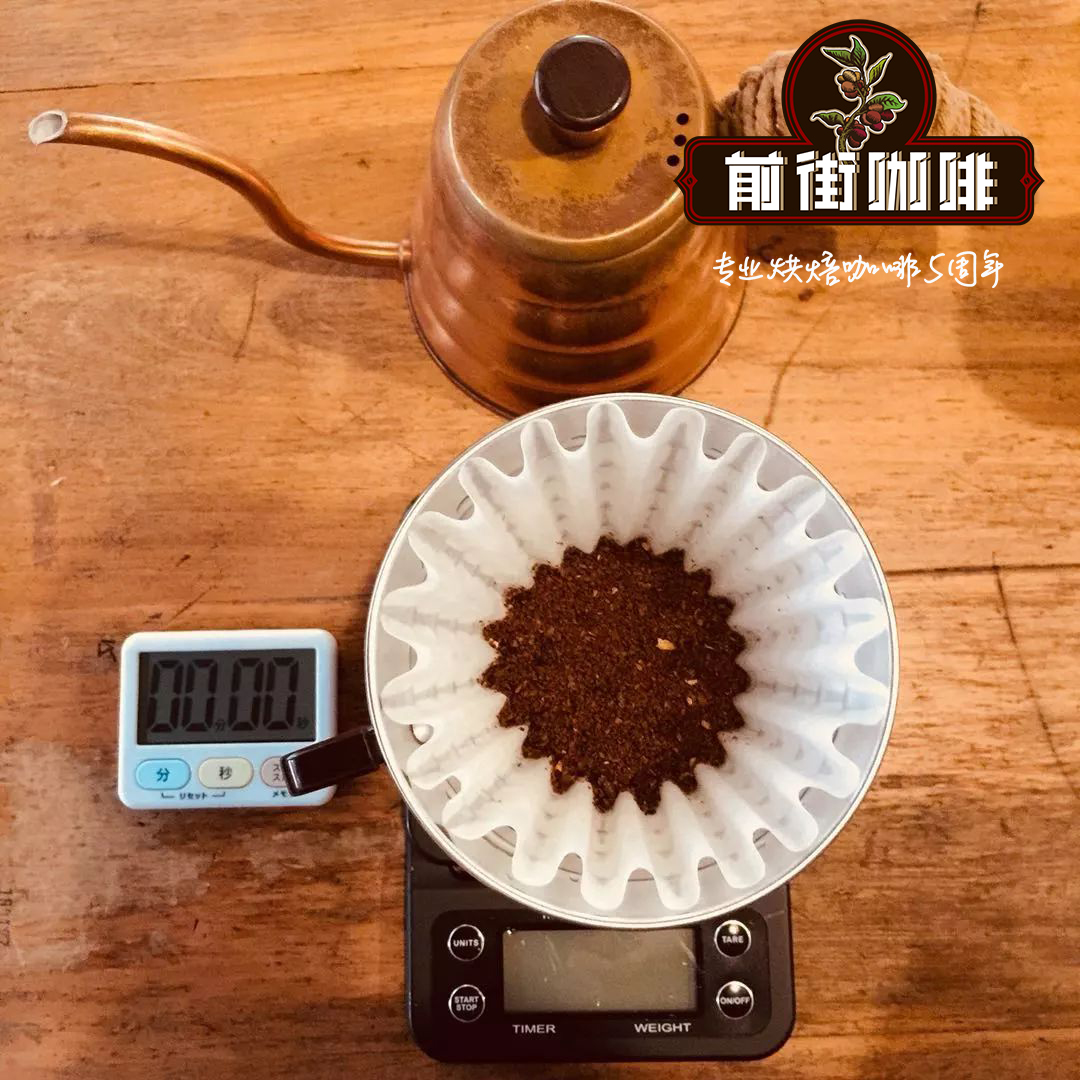
If 90+'s Panamanian Geshas are out of reach, FrontStreet Coffee offers Geisha experiences at friendlier prices. Newcomers should start with the entry-level Panama Boquete Geisha, which delivers the classic orange-honey fragrance, oolong-tea texture, and delicate fruit acidity of high-grade Panamanian Geisha without the auction-lot price. In Ethiopia, the Genlana Estate Geisha—fully sun-dried for 14-20 days on raised beds near Kochere—roasts medium-light to reveal bright citrus, elegant ginger-flower aroma, and the full sweetness of ripe fruit. For a middle path, the Geisha Village Gold Label, a natural-processed Geisha 1931 making up just 10% of the estate's output, cups with the complexity that international competition baristas love. All brew beautifully as pour-over: 15g of coffee, a 1:16 ratio, water at 91°C, and three pours to 30g, 125g, and 225g.
Important Notice :
FrontStreet Coffee is a long-established specialty coffee roaster in Guangzhou China, selling freshly roasted beans from its own farm in Yunnan as well as dozens of carefully selected single-origin beans from around the world for both pour-over and espresso. The products deliver consistently excellent quality and great value, with shipping within 24 hours. Guangzhou's FrontStreet Coffee shop is recommended by many coffee lovers, and the beans are now available online at the Tmall 。
FrontStreet Coffee has moved to a new address:
FrontStreet Coffee Address: 315,Donghua East Road,GuangZhou
Tel:020 38364473
 Scan and follow the En Gafei WeChat official account. Please indicate that the reprint comes from "En Gafei".