Introduction to Ethiopian Yirgacheffe Coffee Cooperative Names Ethiopian Coffee Bean Prices
In recent years, Ethiopian coffee — led by Yirgacheffe — has been chased by coffee lovers everywhere, and many who taste a quality Yirgacheffe describe it as astonishing and unforgettable.
The name "Yirgacheffe" has become so familiar that it now outshines Sidamo, the larger producing region that contains it.
Sidamo
Sidamo grows in the southernmost Ethiopian highlands at altitudes between 4,600-7,200 feet. It is a famous specialty coffee region in southern Ethiopia, bordering Kenya, located southeast of Jimma and directly south of the capital. The coffee typically shows distinct sweetness and is preferred by many — and Sidamo's flavor range is remarkably diverse.
Different soil types, microclimates, and countless native varieties define the region. Within it you find towering mountains, highlands, plateaus, valleys, and plains. The local geology is nutrient-rich, well-drained volcanic soil nearly two meters deep, dark brown to brown at the surface. The region's greatest advantage is that soil fertility is maintained by cycling organic matter — fallen leaves from surrounding trees and plant residues serve as fertilizer. The result is coffee whose character shifts noticeably from town to town.
Yirgacheffe
Yirgacheffe is a small Ethiopian town at an altitude of 1,700-2,100 meters, in northwestern Sidamo Province, surrounded by mountains and lakes. It is one of the highest coffee-growing regions in Ethiopia — the very synonym of Ethiopian specialty coffee. Strictly speaking, Yirgacheffe is a sub-region of Sidamo, but it was split off because of its distinctive flavor characteristics.
At nearly two kilometers above sea level, Yirgacheffe ranks among the highest coffee regions on earth, and the land has been wetland since ancient times: "Yirga" means "settle down" and "Cheffe" means "wetland." Lake Turkana, Lake Abaya, and Lake Chamo bring abundant water vapor to the area. In the rift valleys — Misty Valley being the emblem — fog pervades year-round, with spring-like seasons, gentle breezes, and cool humidity. Thousands of coffee tree varieties thrive here, nurturing the unique, intertwined florals and fruit that make Yirgacheffe's terroir so unpredictable and compelling.
European monks established the local coffee cultivation industry, later taken over by village coffee communities and cooperatives around the town. There are no dedicated plantations here — coffee trees scatter naturally through forests and fields. During harvest, Ethiopian coffee trading companies come to town to buy the beans farmers have collected.
Beyond Yirgacheffe town proper, the appellation includes three other sub-regions: Wenago, Kochere, and Gelena/Abaya.
Cultivation System and Environment
The mountain villages of Yirgacheffe are cool and foggy with spring-like weather year-round. Summer breezes are refreshing but never hot, rainy but never damp, and winter brings no frost — near-ideal conditions for Arabica. There are no large plantations; farmers grow coffee mixed with other crops, typically under banana trees, creating a one-of-a-kind landscape.
Processing Methods
Traditional Ethiopian natural processing was relatively crude and criticized for heavy off-flavors. In 1959, Yirgacheffe introduced South American washed processing, which most of the region now uses: after removing the cherry skin, the mucilage layer is broken down through fermentation and washed off, then the coffee is dried. Since 2006, some plants have adopted refined raised-bed natural processing. This labor-intensive method keeps cherries off the ground during drying, preventing earthy taints and yielding exceptionally clean fruit flavors. After more than two weeks of natural drying, the dark brown cherries are professionally stored to finish flavor development. Before sale, the dried pulp and parchment are removed, and underripe or over-fermented beans are eliminated — quality control that has dramatically improved natural processed coffee.
Flavor Characteristics
Washed Yirgacheffe
Unique lemon flavors, refreshing jasmine florals, gentle fruit acidity and citrus, with a fresh and bright taste.
Natural Yirgacheffe
Charming fruit acidity, clean fermented fruit sweetness, elegant winey aromas, and a sweet aftertaste.
Grades
Ethiopia grades coffee not by bean size but by the proportion of defects in the green coffee. Under the ECX specialty grading system, Q-Graders assign grades as follows: washed Yirgacheffe is divided into Grade 1 and Grade 2, while natural Yirgacheffe spans Grade 1, Grade 3, Grade 4, and Grade 5. Grade 1 is the highest — the lowest defect rate and the finest quality. This article is compiled based on Han Huaizong's "Specialty Coffee Studies" and other internet sources.
Ethiopian Coffee Cooperative Names and Introductions
Sigiga Cooperative (1600-2500 meters)
Region: Gedeo-Kochere
Members: 1,862
Soil: Red-brown
Certifications: Fair Trade, UTZ Sustainable Farming, Organic
Finchewan Cooperative (1450-2000 meters)
Region: Gedeo-Wenago
Members: 1,271
Soil: Red-brown
Certifications: Fair Trade, Organic
Konga Cooperative (1750-2300 meters)
Region: Gedeo-Yirgacheffe
Members: 1,556
Soil: Red-brown
Certifications: Fair Trade, Organic
Hafursa Cooperative (1750-2300 meters)
Region: Gedeo-Yirgacheffe
Members: 1,975
Soil: Red-brown
Annual Green Coffee Production: 798,000 kg
Average Farm Size: Up to 4 hectares, roughly 600 kg per hectare annually
Facilities: Own washing station
Certifications: Fair Trade, Organic
Resa Cooperative (1000-1400 meters)
Region: Gedeo-Wenago
Members: 2,719
Soil: Red-brown
Facilities: Two sets of processing equipment
Certifications: Fair Trade, Organic
Addis Katema Cooperative (1000-1400 meters)
Region: Gedeo-Wenago
Members: 891
Facilities: Own washing station
Soil: Red-brown
Certifications: Fair Trade, Organic
Biloya Cooperative (1600-2500 meters)
Region: Gedeo-Kochere
Members: 1,203
Soil: Red-brown
Facilities: Two sets of processing equipment
Certifications: Fair Trade, Organic
Worka Cooperative (1650-2700 meters)
Region: Gedeb
Members: 305
Soil: Red-brown
Annual Green Coffee Production: 457,000 kg
Average Farm Size: Up to 4 hectares, roughly 699 kg per hectare annually
Facilities: Full processing equipment
Certifications: Fair Trade, Organic
Koke Cooperative (1750-2300 meters)
Region: Gedeo-Yirgacheffe
Members: 828
Soil: Red-brown
Facilities: One set of processing equipment
Certifications: Fair Trade, UTZ Sustainable Farming, Organic
Hama Cooperative (1600-2500 meters)
Region: Gedeo-Kochere
Members: 1,505
Soil: Red-brown
Facilities: One set of processing equipment
Certifications: Fair Trade, Organic
Chichu Cooperative (1410-2000 meters)
Region: Gedeo-Dila
Members: 1,675
Soil: Red-brown
Average Farm Size: Up to 4 hectares, roughly 591 kg per hectare annually
Facilities: One set of processing equipment
Certifications: Fair Trade, Organic
Michile Cooperative (1410-2000 meters)
Region: Gedeo-Dila
Members: 1,206
Soil: Red-brown
Average Farm Size: Roughly 592 kg per hectare annually
Facilities: One set of processing equipment
Certifications: Fair Trade, UTZ Sustainable Farming, Organic
Hase Haro Cooperative (1450-2000 meters)
Region: Gedeo-Wenago
Members: 1,519
Soil: Red-brown
Average Farm Size: Up to 4 hectares, roughly 591 kg per hectare annually
Facilities: One set of processing equipment
Certifications: Fair Trade, Organic
Dumerso Cooperative (1750-2300 meters)
Region: Gedeo-Yirgacheffe
Members: 246
Soil: Red-brown
Facilities: Two sets of processing equipment
Certifications: Fair Trade, Organic
Tumticha Cooperative (1410-2000 meters)
Region: Gedeo-Yirgacheffe
Members: 960
Soil: Red-brown
Facilities: Two sets of processing equipment
Certifications: Fair Trade, Organic
Aramo Cooperative (1750-2300 meters) (90+ Chibi region)
Region: Gedeo-Yirgacheffe
Members: 2,254
Soil: Red-brown
Facilities: Two sets of processing equipment
Certifications: Fair Trade, Organic
Edido Cooperative (1750-2300 meters)
Region: Gedeo-Yirgacheffe
Members: 1,044
Soil: Red-brown
Facilities: One set of processing equipment
Certifications: Fair Trade, Organic
Adame Cooperative (1000-1400 meters)
Region: Gedeo-Wenago
Members: 533
Soil: Red-brown
Facilities: One set of processing equipment
Certifications: Fair Trade, Organic
Belekara Cooperative (1000-1400 meters)
Region: Gedeo-Wenago
Members: 685
Soil: Red-brown
Facilities: One set of processing equipment
Certifications: Fair Trade, Organic
Adado Cooperative (1200-1700 meters)
Region: Sidamo-Bule
Members: 1,128
Soil: Red-brown
Facilities: One set of processing equipment
Certifications: Fair Trade, Organic
Haru Cooperative (1200-1700 meters)
Region: Gedeo-Yirgacheffe
Members: 1,187
Soil: Red-brown
Facilities: One set of processing equipment
Certifications: Fair Trade, Organic
Ethiopian Coffee Bean Brand Recommendation
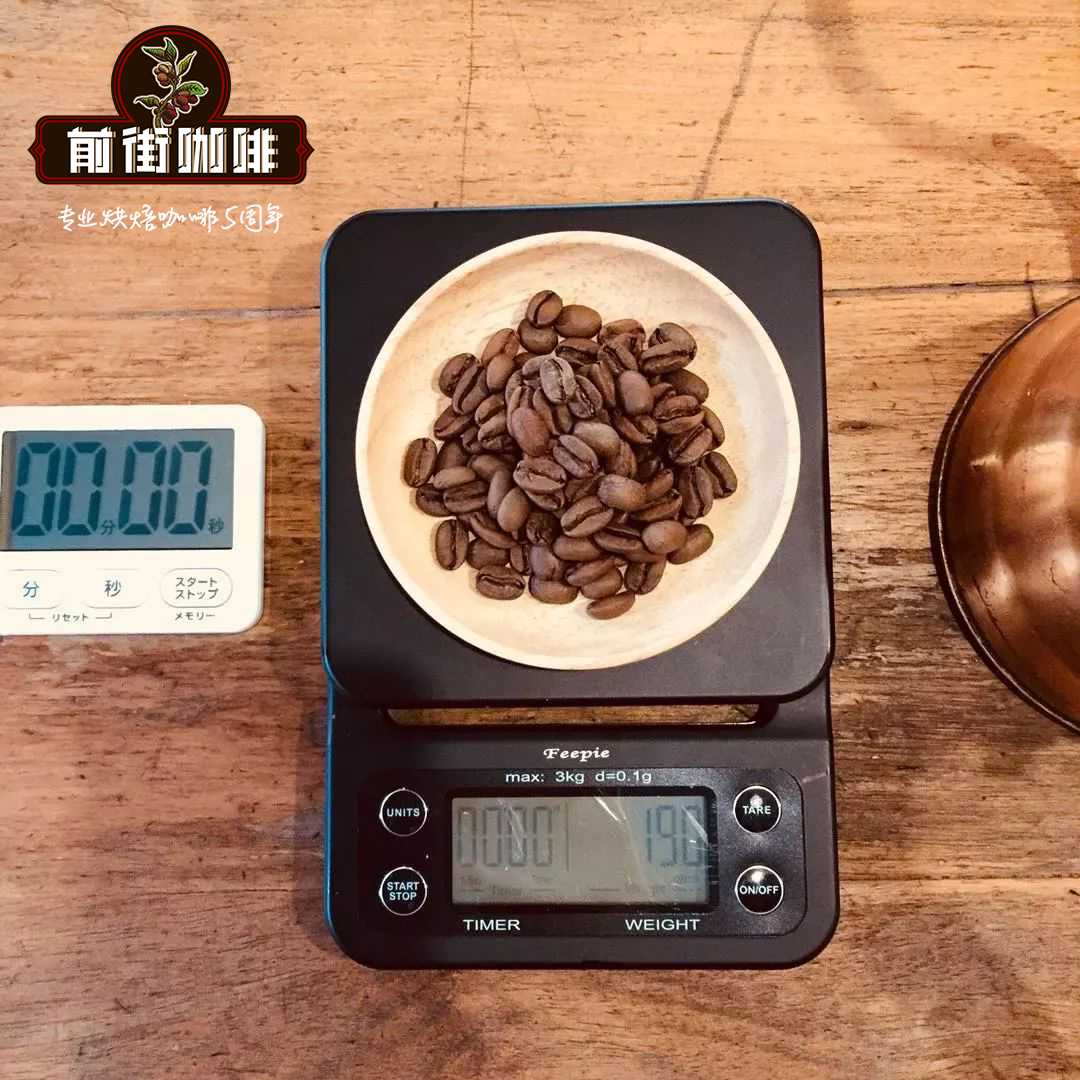
Ethiopian beans roasted by FrontStreet Coffee carry full guarantees of brand and quality — and exceptional value: roughly 90 yuan for a half-pound (227 g) bag. At 15 grams per cup, one bag brews 15 cups, about 6 yuan each — a conscientious choice beside cafés charging over 100 yuan a cup.
FrontStreet Coffee Recommendation
If you are new to Ethiopian coffee, start with FrontStreet Coffee's classic washed Yirgacheffe everyday lot — white jasmine, bright citrus and lemon acidity, and a tea-like finish at a friendly price — the first bean many drink to enter specialty coffee. Yirgacheffe itself sits within Sidamo Province at roughly 1,700-2,100 meters, with coffee trees planted above 1,800 meters, among the highest growing regions on earth; its fame grew so great that in 2010 the Ethiopian Commodity Exchange formally separated it from Sidamo.
For a step up in traceability, look to the cooperatives. FrontStreet Coffee's washed Guodingding Cooperative comes from Guodingding village in the Worka growing area at Yirgacheffe's southeastern edge — once part of the Worka cooperative under the YCFCU union, it became an independent "single origin" as worldwide coffee hunters chased ever-finer traceability. Its traditional washed processing delivers no traditional bitterness at all: fresh, bright citrus and lemon acidity wrapped in jasmine fragrance.
Natural lovers should try the Red Cherry Project: only fully ripe, defect-free cherries are picked and sun-dried on raised beds, turned every 2-3 hours in the first days to prevent uneven heating and over-fermentation. After three to five weeks, the dried pulp is hulled off and the coffee is stored. Because the fruit dries on the bean, the cup keeps classic Yirgacheffe character plus tropical fruit: citrus acidity, berry juiciness, honeyed sweetness, and cream-like smoothness. To brew: V60, 90-91°C, 15g of coffee, 1:15 ratio, ground to 80% passing a #20 sieve (fine granulated sugar). Bloom with 30g of water for 30 seconds, pour to 125g within about a minute, then pour the remaining 100g when the bed drops to two-thirds (to 225g), finishing around 1:35; drawdown completes in 2:00-2:10.
Important Notice :
FrontStreet Coffee is a long-established specialty coffee roaster in Guangzhou China, selling freshly roasted beans from its own farm in Yunnan as well as dozens of carefully selected single-origin beans from around the world for both pour-over and espresso. The products deliver consistently excellent quality and great value, with shipping within 24 hours. Guangzhou's FrontStreet Coffee shop is recommended by many coffee lovers, and the beans are now available online at the Tmall 。
FrontStreet Coffee has moved to a new address:
FrontStreet Coffee Address: 315,Donghua East Road,GuangZhou
Tel:020 38364473
 Scan and follow the En Gafei WeChat official account. Please indicate that the reprint comes from "En Gafei".