How to Drink "Expired" Guaye Coffee? What is the Flavor of Guaye Coffee and How Much Do Guaye Coffee Beans Cost
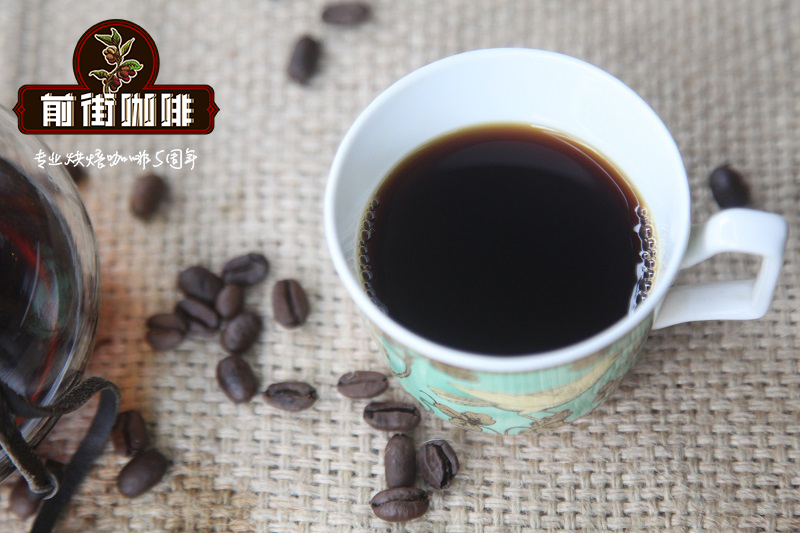
What Is "Expired" Coffee?
The "expired" coffee we are discussing here is not food gone bad - it is coffee that has passed its "best flavor period."
What Is Coffee's "Shelf Life"?
Coffee's "shelf life" - better called its flavor window - refers to how long the coffee tastes its best, not the food-safety date printed on the bag (manufacturers usually write one year). Coffee should be stored as whole roasted beans, sealed, light-proof, and cool. Without those conditions, no amount of skill can bring it back.
So How Long Is Coffee's Best Flavor Period?
FrontStreet recommends 15-30 days from the roast date. With proper storage, some coffees stretch to about 45 days. So the "expiration" discussed here generally takes 30 days as the benchmark: by then the bean's degassing has essentially stopped, and medium-dark to dark roasts will lightly "oil up." But if poor storage causes heavy oiling, or the beans smell only woody, they are no longer worth drinking - for health's sake, throw them out.
Everyone knows the dilemma: the coffee has sat too long. Throw it away? Or dutifully brew a bland, lifeless cup? Is expired coffee beyond saving? This article shows how to brew pour-over coffee with "expired" beans.
How Should You Handle Coffee That Is Well-Preserved but No Longer Fresh?
First, understand the arc: coffee's flavor expression peaks on days 7-14 after roasting, then fades with time until only woody flavors remain.
The first compounds to disappear are the volatile ones - floral and fruity aromas, volatile acids, spices, and herbal notes - while nuts, chocolate, and caramel are relatively stable. Ground coffee loses flavor far faster than whole beans, which is exactly why coffee should be kept whole and ground just before brewing.
So if you hope expired coffee will still burst with florals and bright, lively acidity - that is basically impossible. But the more stable taste experiences, like chocolate and nuts, actually become more prominent, and the mouthfeel settles into balance. The beans' slow chemical changes may even develop unexpected flavors, or bring out notes that were barely noticeable before. The key is knowing how to brew them.
Three Basic Adjustments to Try
- Change the extraction time;
- Change the water temperature;
- Change the grind size.
These form a dynamic balance. If you choose a long extraction with a coarse grind, lower the water temperature; if you grind fine, shorten the extraction and lower the temperature. Whatever the combination, the goal is the same - a delicious cup. Experiment a few times and find the method that saves your coffee.
The method FrontStreet particularly recommends: grind coarser, lower the water temperature, and extend the extraction time.
Example: Brewing 50-Day-Old Horseman Coffee Beans
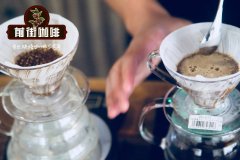
Here is a worked example with Horseman coffee beans stored for 50 days in a light-proof, moisture-proof, cool place. Use a cake-style dripper, water at 87-88 degrees C (versus 90-91 degrees C when the beans are fresh), and a 1:15 water-to-coffee ratio.
- Grind coarse: with the volatile aromatics gone, fine grinding easily pulls out bitterness. A coarser grind effectively avoids over-extraction.
- Shorten the bloom: the carbon dioxide is gone too, so no "burger" of grounds will rise. Water penetrates every particle easily, so a long degassing bloom is unnecessary - it would only over-bloom and over-extract.
- Brew in 2-3 stages: keep the pour height low to avoid churning the bed. Pour gently in circles around a small-coin-sized center, using a simultaneous bloom-and-pour technique to press the flavor compounds out - you can watch the foam slowly being pushed up.
Stop pouring when the water level reaches equilibrium, wait until it has dropped by about 1/3, then pour again. You can widen the pouring range now, but not all the way to the filter paper. Keep the flow low and very gentle. Let the total extraction run slightly long to draw out more sweetness.
Brewed this way, the Horseman coffee has faded in floral and fruity aromas but brings out wine-like notes, a smooth entry, rounded acidity, caramel sweetness, and a walnut aftertaste.
Conclusion
From now on, when you find "expired" coffee in the cupboard, there is no need to fret. Still, the best cup is always the fresh one!
Horseman Coffee Bean Brand Recommendations
FrontStreet Coffee's roasted Horseman coffee beans carry full guarantees of brand and quality - and the value is exceptional: a 227-gram package costs just 98 yuan. At 15 grams per cup, one package brews 15 cups, or only about 6 yuan per cup, compared with the dozens of yuan a cafe typically charges.
FrontStreet Coffee Recommendation
The best cure for aging coffee is buying beans you will actually finish while they are at their peak - days 7-14 after roast. If you brew on a flat-bottom or cake dripper like the one above, these FrontStreet beans are worth drinking fresh:
- FrontStreet Yirgacheffe Guodingding (Worka Cooperative) - a washed Ethiopian and many brewers' first step into specialty coffee: vivid citrus, berries, and florals with a green-tea-like sweet finish, gentle and easy to love at an everyday price.
- FrontStreet Natural Huakui - Ethiopia's star natural: tropical aromas of strawberry, passion fruit, jackfruit, and lychee, with clear sweetness and almost no bitterness. Described by many as "the least coffee-tasting coffee" - a cup that can change even a dedicated avoider's mind.
- FrontStreet Strawberry Candy Gesha Blend - Panama washed Gesha married with Costa Rican honey-processed coffee at a medium roast: caramel, raisins, dried fruit, and a sweet rose fragrance, with layered florals and fruit throughout.
Brew them at 90-91 degrees C with a 1:15 ratio, and with a fresher roast you can go finer and faster than the aged-bean method above - then the florals and bright fruit, the very things old coffee loses, will all be there in the cup.
Important Notice :
FrontStreet Coffee is a long-established specialty coffee roaster in Guangzhou China, selling freshly roasted beans from its own farm in Yunnan as well as dozens of carefully selected single-origin beans from around the world for both pour-over and espresso. The products deliver consistently excellent quality and great value, with shipping within 24 hours. Guangzhou's FrontStreet Coffee shop is recommended by many coffee lovers, and the beans are now available online at the Tmall 。
FrontStreet Coffee has moved to a new address:
FrontStreet Coffee Address: 315,Donghua East Road,GuangZhou
Tel:020 38364473
 Scan and follow the En Gafei WeChat official account. Please indicate that the reprint comes from "En Gafei".