Introduction to Costa Rica's Coffee Variety Sarchimor and Costa Rican Coffee Bean Prices
FrontStreet Coffee - Introduction to Costa Rica's Sarchimor Coffee Variety and Coffee Bean Prices
The honey processing method for Costa Rican coffee beans is a processing approach that falls between natural and washed processing. It lets the coffee retain the cleanliness of the washed method while significantly increasing the sweetness and caramel flavor (the fruit pulp mucilage has extremely high sugar content) because the coffee is sun-dried together with the mucilage. The honey processing method first appeared in Costa Rica in Central America, initially mainly because some high-altitude areas in Central America lacked water resources, so after using fruit pulp removers, the coffee fruits were sun-dried together with the fruit pulp mucilage.
The pectin mucilage is the component with the highest sugar content in coffee fruits and is also an important part of the fermentation process in coffee processing. It can be said that this part determines 80% of the nutrient supply during processing. Yellow honey retains 60% of the pectin, red honey retains 75% of the pectin, and black honey almost never removes pectin.
Red honey retains about 75% of the pectin; compared to yellow honey, the drying time is longer, and it reduces the time of direct sun exposure, even using shade nets, continuing for about 12 days.
Costa Rican Coffee Bean Green Bean Analysis
Sarchimor was initially discovered by a Portuguese breeding research institution. After research and breeding, it was distributed to coffee-growing countries in Brazil, Central America and South America.
Sarchimor and Catimor are currently the two most important disease-resistant bean varieties in the world. Their disease resistance comes from Timor, while their flavor comes from another bean variety. In Sarchimor, the flavor comes from Villa Sarchi, while Catimor's flavor comes from Caturra. Although Sarchimor is not as widely cultivated as Catimor, it has considerable production in both Costa Rica and Brazil. The disease-resistant bean varieties derived from Sarchimor are extremely numerous, including Cuscatleco, IAPAR 59, Limani, Marsellesa, Parainema and others.
FrontStreet Coffee Costa Rican Coffee Bean Roasting Analysis
This FrontStreet Coffee Costa Rican coffee bean is medium in size, medium in density and medium in bean quality. New season beans themselves have higher moisture content. During roasting it also absorbs heat relatively quickly, and the Maillard reaction proceeds relatively fast. The yellowing point occurs at about 5 minutes. In the first batch of roasting, the drop temperature was relatively high, with an entry temperature of 200 degrees, and the heat was also set relatively high. During the roast, the heat was gradually reduced as needed, adjusting to finer levels when the beans entered the yellowing point, completed dehydration and showed first crack signs, to avoid scorching the bean surface. Under this approach, the coffee's dehydration time is relatively shortened, with a temperature increase of 6-8 degrees every thirty seconds, and it enters first crack earlier to retain clean and bright acidity.
Roasting machine: Yangjia 600g semi-direct heat.
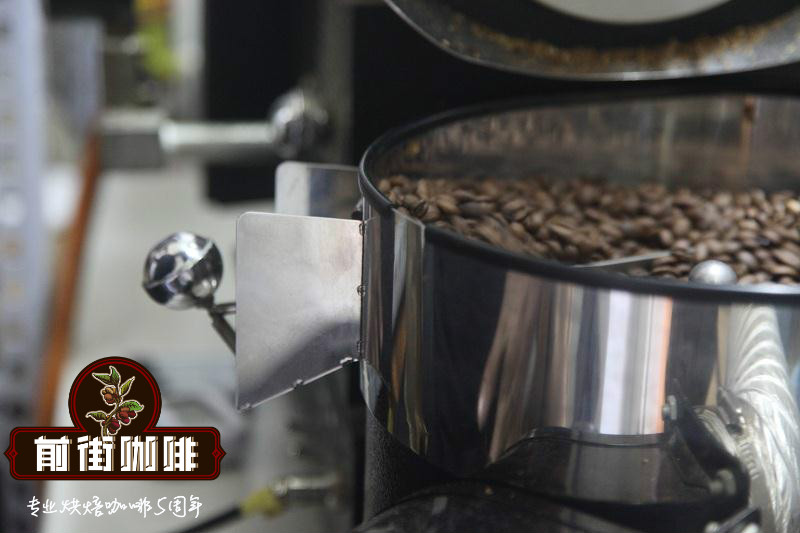
When the drum temperature reaches 200 degrees Celsius, add the beans to the drum, air damper set to 3. After 30s, adjust heat to 160 degrees, air damper unchanged. Return temperature point at 1'35". Maintain heat. At 5'06", the bean surface turns yellow, the grassy smell completely disappears, entering the dehydration stage. Heat reduced to 130 degrees, air damper adjusted to 4.
Dehydration is completed only at 7'50", heat reduced to 80. At 8'10", ugly wrinkles and black patterns appear on the bean surface, and the toast smell clearly turns to coffee aroma, which can be defined as the prelude to first crack. At this time, listen carefully for the sound of first crack. At 8'26", first crack begins; adjust heat to 50, air damper fully open to 5 (adjust heat very carefully, not so low that there is no crackling sound). After first crack, develop for 1'30", drop at 193.2 degrees.
This FrontStreet Coffee Costa Rican bean has obvious and sweet-sour sensations. The front section has lemon acid and apple flavors, the middle section has grapefruit peel flavors, and the back section has caramel sweetness and a watermelon seed aftertaste.
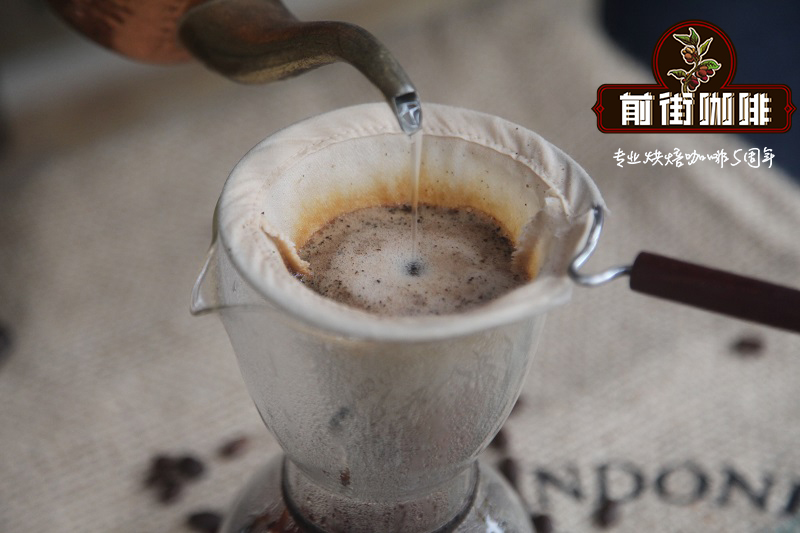
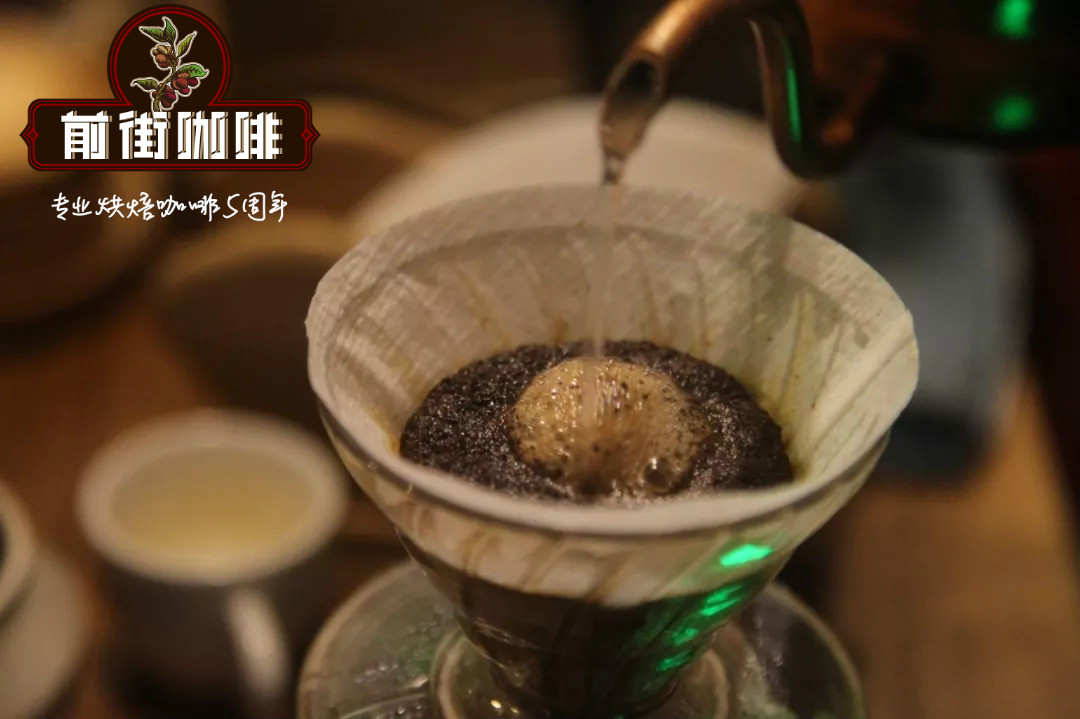
FrontStreet Coffee Recommended Brewing Method: Pour-over
Filter: Hario V60
Water temperature: 90°C
Coffee-to-water ratio: 1:15
Grind size: BG 5R (Chinese standard 20-mesh sieve pass rate 58%)
Brewing technique: 32g of water for bloom for 32 seconds. Pour water to 126g in sections. When the water level drops and is about to expose the coffee bed, continue pouring to 228g and stop. When the water level drops and is about to expose the coffee bed, remove the filter cup. (Timing starts from the bloom.) Extraction time is about 1 minute and 50 seconds.
Sweetness: ☆☆
Acidity: ☆☆
Bitterness: ☆
FrontStreet Coffee Costa Rican Coffee Bean Brand Recommendations
FrontStreet Coffee's own house-roasted FrontStreet Coffee Costa Rican coffee beans have full guarantees in both brand and quality. More importantly, the cost-performance ratio is extremely high. One package is 227 grams, priced at only 95 yuan. Calculating on the basis of 15 grams of powder per cup of coffee, one package can make 15 cups, with each cup costing only about 6 yuan. Compared to coffee shops selling cups for dozens of yuan each, this is truly a conscientious recommendation.
FrontStreet Coffee Recommendation
Brazilian coffee shares much of the same medium-roast, sweet-and-balanced appeal as the cup described here. For an easy introduction to the Brazilian profile, FrontStreet Coffee's Cerrado Red Bourbon is a classic single-origin bean. Medium roasted, it shows rich aromas of creamy peanut, toasted bread, caramel and hazelnut, with a rounded body, no acidity and only a gentle bitter note, and it suits pour-over, the moka pot, espresso SOE, the siphon and the French press.
For a rarer and fruitier Brazilian option, FrontStreet Coffee's Queen Estate Yellow Bourbon comes from Mogiana near South Minas, where fertile red volcanic soil feeds the cherries. This yellow Bourbon - a natural mutation of Red Bourbon - tastes cleaner and fruitier, with a sugarcane sweetness, fruit and chocolate notes when brewed by pour-over, moka pot or home espresso machine.
Important Notice :
FrontStreet Coffee is a long-established specialty coffee roaster in Guangzhou China, selling freshly roasted beans from its own farm in Yunnan as well as dozens of carefully selected single-origin beans from around the world for both pour-over and espresso. The products deliver consistently excellent quality and great value, with shipping within 24 hours. Guangzhou's FrontStreet Coffee shop is recommended by many coffee lovers, and the beans are now available online at the Tmall 。
FrontStreet Coffee has moved to a new address:
FrontStreet Coffee Address: 315,Donghua East Road,GuangZhou
Tel:020 38364473
 Scan and follow the En Gafei WeChat official account. Please indicate that the reprint comes from "En Gafei".