Comparison of Costa Rican Coffee Pour-Over vs Syphon Brewing Methods and Costa Rican Coffee Pricing
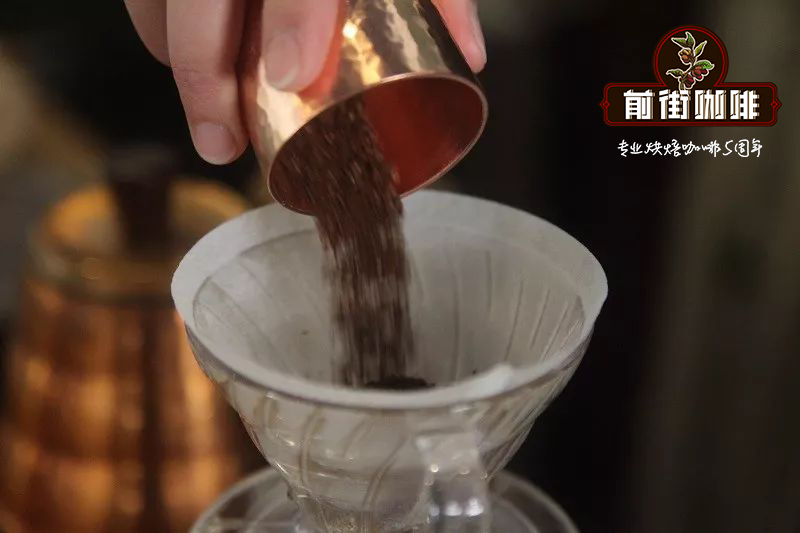
Costa Rica Coffee Bean Pour Over & Siphon Comparative Brewing Demonstration
Today we're sharing a side-by-side brewing comparison of a Costa Rican coffee using pour over and siphon methods.
The star of the show is a coffee that has been getting a lot of attention lately: Costa Rica Sumava Estate Black Honey Process coffee beans. For convenience, let's just call it "Black Honey."
Origin: Costa Rica
Grade: SHB
Roast Level: Medium
Processing Method: Black Honey Process
Variety: Catuai
Estate: Sumava Estate
Flavor Description: Sweet mixed fruits, honey, toffee
Sumava Estate
Sumava Estate sits in Costa Rica's highest coffee-growing region, an area that is also the country's most intensive fruit cultivation zone. The estate's owner grows passion fruit as the primary crop, so coffee production is quite limited. The coffee is grown only in a dedicated plot with special care, and only fully ripe red cherries are harvested. The estate's distinctive Yellow Catuai honey process produces a cup with rich flavor variation, a full-bodied mouthfeel, and excellent cleanliness. The sweetness is outstanding, with layered acidity that moves from berries to citrus.
Pour Over Black Honey:
V60 Pour Over Parameters:
Grind Size: Medium-fine (4E on the BG grinder)
Water Temperature: 90°C
Dose: 15 g
Ratio: 1:15
Total Brew Time: 1 minute 50 seconds
Allow the water level to drop fully after each pour.
Pour Over Technique:
Bloom: 30 g of water for 30 seconds
First Pour: Slowly pour in circles up to 120 g on the scale, then wait for the water level to drop to the surface of the coffee bed
Second Pour: Increase the flow slightly, pour in circles up to 225 g, wait for the coffee bed to be exposed, then remove the dripper
Siphon Black Honey:
Siphon Brewing Parameters:
Dose: 20 g
Water Temperature: 91°C
Grind Size: Medium (5D on the BG grinder, slightly coarser than pour over)
Ratio: 1:12
Total Brew Time: 1 minute 10 seconds
Siphon Technique:
We used the post-addition method: boil the water first, let it rise into the upper chamber, then add the coffee and stir.
Step 1: Bring the water to a boil until fish-eye bubbles form, then seat the upper chamber firmly. Once the hot water has risen, confirm the temperature is around 91°C. Lower the heat until the water column is stable and the upper chamber is free of large bubbles, then add the grounds. Stir crosswise and gently press the grounds so they are fully wetted.
Step 2: Bloom for 38 seconds, watch the bubbling on the coffee bed, then perform the first circular stir - three turns.
Step 3: At 52 seconds, remove the heat source and let the siphon draw the coffee back down into the lower chamber.
The first stir matters most: the grounds need to be evenly wetted without being fully dispersed.
Flavor Comparison: Pour Over vs Siphon
V60 Pour Over: Rich floral and fruit aromas with a fresh, gentle fermentation note. Smooth mouthfeel and clearly defined layers; the acidity stays soft even as the cup cools, finishing with a light tea-like sensation.
Siphon: A more prominent, fuller sweet-and-sour impression, though the fermentation and acidity never turn harsh. It starts slightly less smooth than the pour over but becomes gentler as it cools, with the sweetness becoming more pronounced.
Why These Parameters
First, it helps to understand what kind of bean "Black Honey" is.
The cupping notes read: sweet mixed fruits (strawberry, apple, grape, and citrus unfolding in layers), memorable honey and toffee, and a silky, cream-like body with a long aftertaste reminiscent of Darjeeling tea.
Our extraction targets, therefore, are the front-to-mid-palate sweet-and-sour notes and fermentation character, plus that smooth finish.
Costa Rican SHB beans come from relatively high altitudes and are correspondingly dense, with excellent sweet-acid structure - in other words, they can withstand a fairly aggressive extraction. So even at a medium roast, we could brew with 90-91°C water without worrying much about the bitterness or harsh acidity that over-extraction usually brings.
Brewing Record Breakdown
Grind Size: 4E vs 5D
These beans were roasted on September 17, exactly ten days before brewing, so they had just entered their optimal flavor window and degassing was in its final stage. The V60's relatively fast drainage means pour over calls for a medium-fine grind, while the siphon does better slightly coarser.
Water Temperature: 90°C vs 91°C
Pour over takes longer overall, so 90°C is enough to pull out a complete range of flavors without drifting into over-extraction.
The siphon's contact time is much shorter, so the slightly hotter 91°C water helps balance the extraction rate.
Ratio: 1:15 vs 1:12
Pour over is essentially a cooling extraction - the slurry temperature drops over the course of the brew, which makes late-stage over-extraction less likely. A longer ratio builds more layering and complexity into the cup.
The siphon, by contrast, is an immersion method: extraction efficiency tapers off as concentration rises, but the water stays hot throughout, so certain flavor compounds come through fully and prominently. The tighter ratio was chosen to spotlight the front-to-mid sweet-and-sour notes and avoid pulling in the woody flavors that emerge late in an immersion brew.
Final Summary
This Costa Rican coffee has vivid flavors and a distinctive fermentation character, which makes it especially well suited to both pour over and siphon - exactly why we picked it for today's comparison. The parameters above are for reference and discussion; small adjustments to suit your own equipment will almost always pay off.
FrontStreet Coffee Recommendation
If the black honey process has you curious about fruit-forward, aromatically expressive coffees, FrontStreet Coffee's Ethiopia Guodingding (Yirgacheffe) is a natural next step. It's one of the most popular entry points into specialty coffee, with vivid citrus, berry, and floral notes and a green-tea-like sweet finish - and its gentle, fruit-driven acidity is far softer than most people expect from an "acidic coffee."
The Guodingding is also a perfect match for the V60's fast-flowing cone design, which accentuates florals, bright acidity, and delicate tea notes - the same qualities we highlighted in today's pour-over brew.
Important Notice :
FrontStreet Coffee is a long-established specialty coffee roaster in Guangzhou China, selling freshly roasted beans from its own farm in Yunnan as well as dozens of carefully selected single-origin beans from around the world for both pour-over and espresso. The products deliver consistently excellent quality and great value, with shipping within 24 hours. Guangzhou's FrontStreet Coffee shop is recommended by many coffee lovers, and the beans are now available online at the Tmall 。
FrontStreet Coffee has moved to a new address:
FrontStreet Coffee Address: 315,Donghua East Road,GuangZhou
Tel:020 38364473
 Scan and follow the En Gafei WeChat official account. Please indicate that the reprint comes from "En Gafei".