Costa Rica Mon Cherry Honey Process Coffee - Characteristics and Story of Costa Rica Honey Process Coffee Beans
FrontStreet Coffee - Costa Rica Moncherry
Country: Costa Rica
Region: Grecia, Western Valley
Altitude: 1,550 meters
Estate: Alquimia Estate
Processing Station: Cerro San Luis
Processing Method: Red Honey
Variety: Sarchimor
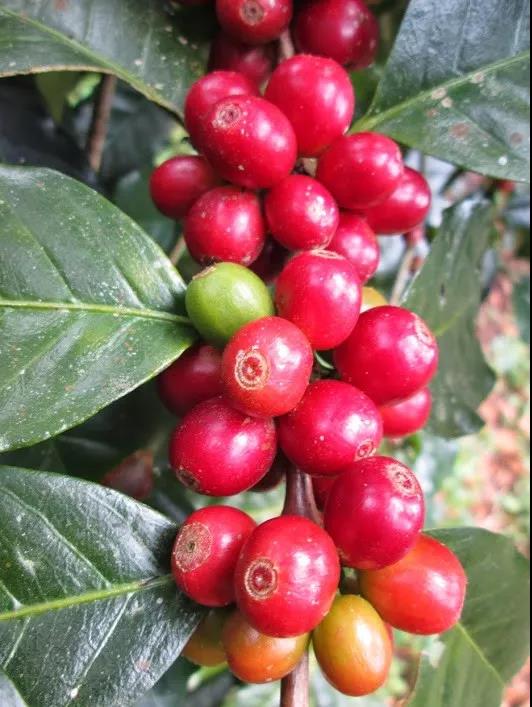
01 | The Processing Station
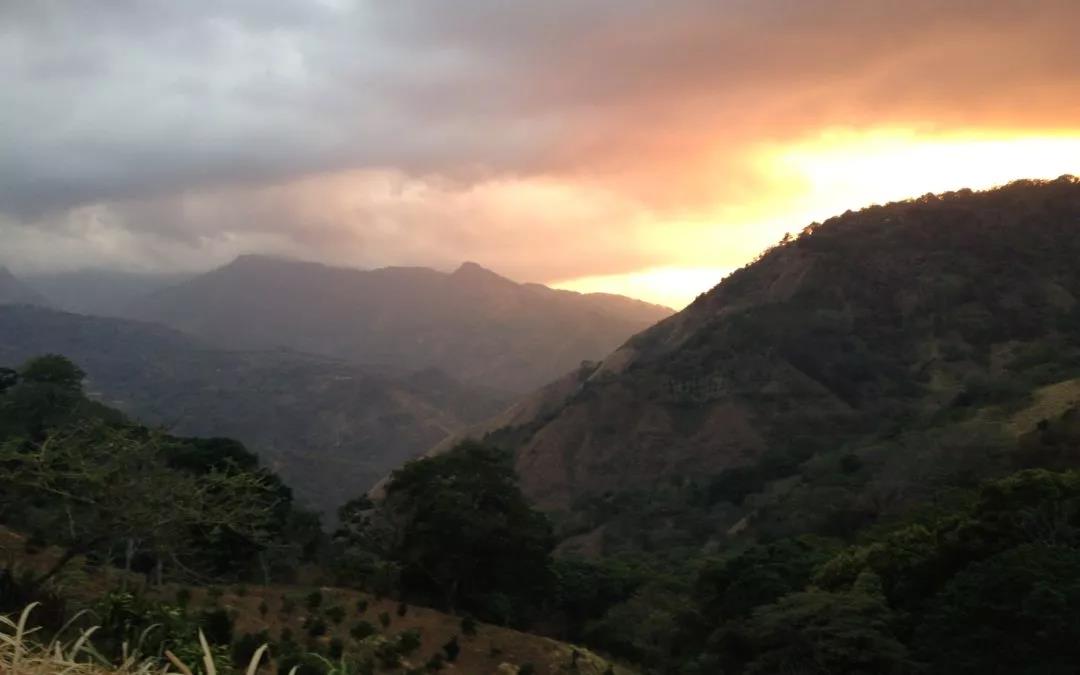
The Cerro San Luis micro-mill sits in Costa Rica's Western Valley — more precisely, at the foot of the Poas Volcano. Eight years ago, the station began collaborating with fourth-generation coffee-producing families. At the time the coffee market was in poor shape and growers could only sell at very low prices, so they poured unprecedented energy and passion into production, determined to end that situation as quickly as possible. Alexander, one of the producers, recalls that across these eight years he has kept learning the craft of coffee cultivation, improving quality year by year and pursuing an ever-better experience for customers.
02 | The Processing Method
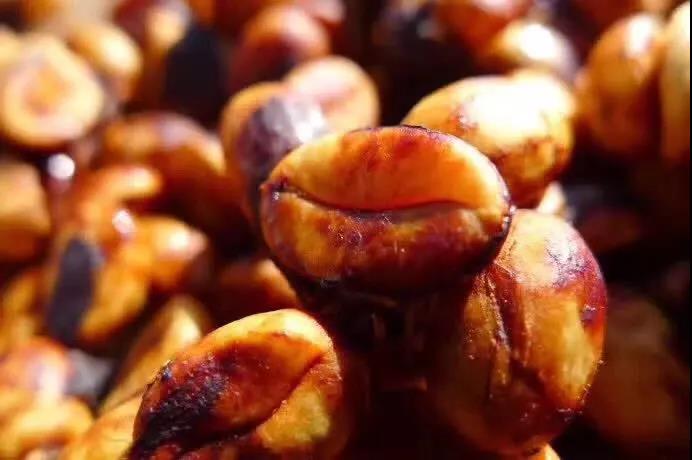
Costa Rican honey-processed coffee occupies the ground between natural and washed processing. Drying the beans with the fruit's mucilage intact — and that mucilage is extraordinarily sugar-rich — preserves the cleanliness of a washed cup while markedly boosting sweetness and caramel tones. Honey processing first appeared in Costa Rica, in Central America. In the beginning it was a matter of necessity: some high-altitude areas of Central America lacked water, so producers ran de-pulped cherries straight onto drying beds with their mucilage still on.

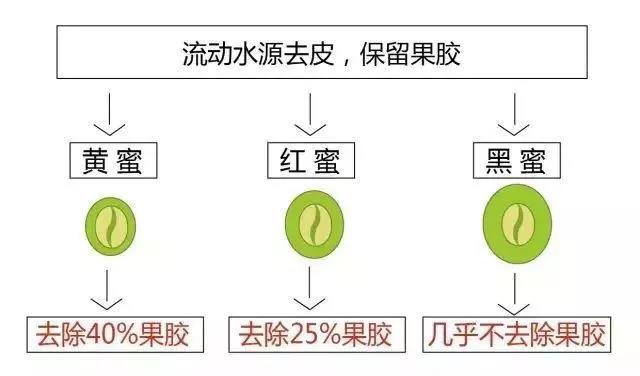
The mucilage is the sugar-richest part of the coffee cherry and a key driver of fermentation during processing — arguably it determines 80% of the nutrient supply in the process. Yellow honey retains 60% of the mucilage, red honey retains 75%, and black honey removes almost none.
Red honey keeps about 75% of the mucilage; compared with yellow honey, the drying takes longer with less direct sunlight — shade nets are even used — lasting about 12 days.
03 | Green Bean Analysis
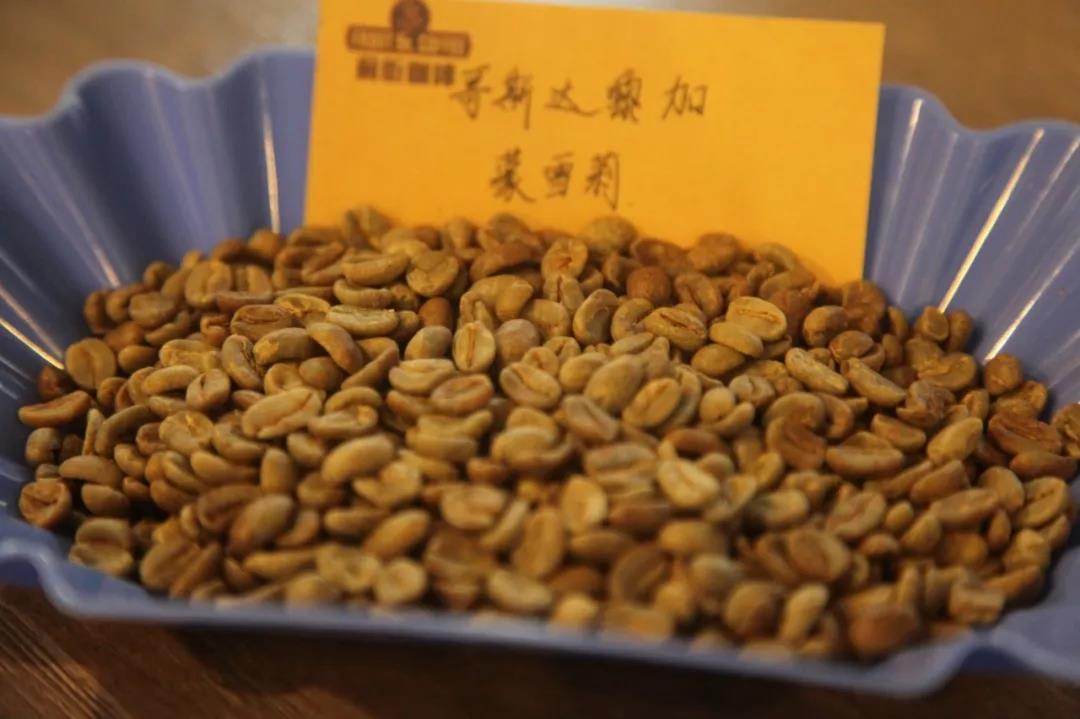
Sarchimor was originally discovered by Portuguese breeding research institutions and, after study and selection, distributed to coffee-growing countries across Brazil, Central America, and South America.
Sarchimor and Catimor are today the two most important disease-resistant varieties in the world. Their resistance comes from Timor, while their flavor comes from the other parent: in Sarchimor the flavor parent is Villa Sarchi; in Catimor it is Caturra. Though Sarchimor is not planted as widely as Catimor, it is produced in considerable volume in both Costa Rica and Brazil, and the disease-resistant varieties derived from it are legion — Cuscatleco, IAPAR 59, Limani, Marsellesa, Parainema, and more.
04 | Roasting Analysis
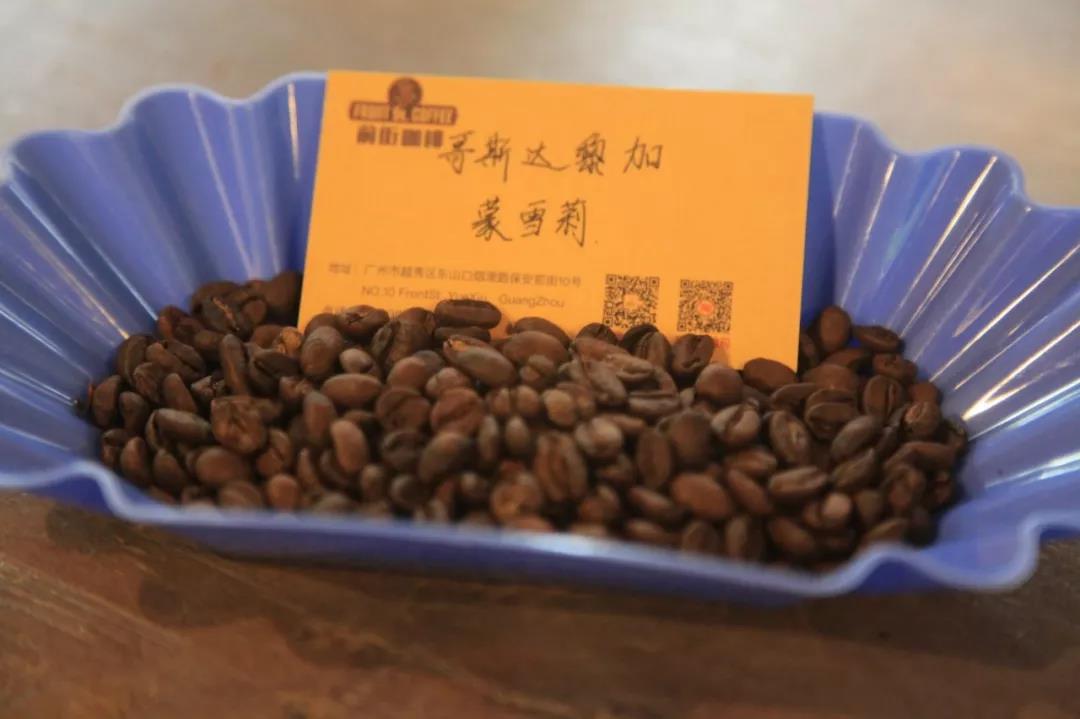
This FrontStreet Coffee Costa Rica Moncherry honey-process lot shows medium size, medium density, and medium bean quality. The new-crop beans carry higher moisture, so they absorb heat quickly and the Maillard phase runs fast, with the yellowing point at around 5 minutes. In the first roast, the drop-in temperature was set high — a charge temperature of 200°C with a relatively high heat setting — then heat was gradually reduced as needed. Heat was fine-tuned at the yellowing point, once drying completed and first-crack precursors appeared, to avoid scorching the bean surface. Under this approach the drying phase is relatively shortened, the rate of rise runs at 6-8°C every thirty seconds, and the beans enter first crack earlier — preserving clean, bright acidity.

Roaster: Yangjia 600 g semi-direct-fire
Heat the drum to 200°C, damper at 3; after 30 s adjust heat to 160°C, damper unchanged; turning point at 1'35"; hold heat until the bean surface yellows at 5'06", the grassy smell gone completely — the drying stage has ended. Cut heat to 130°C and open the damper to 4.
Drying completes at 7'50"; reduce heat to 80. At 8'10" ugly wrinkles and black spots appear on the bean surface and the toast smell clearly turns to coffee aroma — the prelude to first crack. Listen carefully now. First crack begins at 8'26": reduce heat to 50 and open the damper to 5 (adjust gently — never so low that the crackling stops). Develop for 1'30" after first crack and drop the beans at 193.2°C.

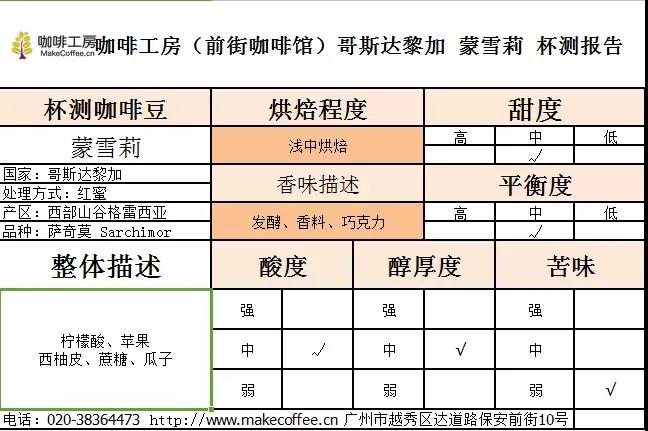
In the cup this FrontStreet Coffee Costa Rica Moncherry shows pronounced yet soft sweetness and acidity: lemon acidity and apple in the foreground, grapefruit peel through the middle, and caramel sweetness with a watermelon-seed finish at the back.
05 | Brewing Analysis

Recommended method: Pour-over
Grind size: Fuji 3.5 (medium-fine)
Dripper: V60
Water temperature: 90°C
Coffee-to-water ratio: 1:15
Time: about 2'05"
Technique:
Bloom with 30 g of water for 30 seconds; pour to 120 g for the segmented stage, then pour slowly to 225 g to finish.
In short: 30-120-225
| Grinder | Grind Size | Dose | Dripper |
| Fuji | 3.5 | 15g | V60 |
| Water Temperature | Bloom | Second Pour | Third Pour |
| 90°C | 30g water 30s | 90g | 105g |
| Total Time: 2'05 Total Water: 225g | |||
FrontStreet Coffee - Costa Rica Moncherry Honey-Processed Beans
Sweetness: ☆☆☆
Acidity: ☆☆
Bitterness: ☆

FrontStreet Coffee Recommendation
Honey processing traces back to Brazil's pulped natural method — removing the skin and then drying the beans shortens the drying days while taming the off-flavors of uncontrolled fermentation. FrontStreet's Cerrado lot is a classic Brazilian pulped natural, with unmistakable cream, peanut, nut, and chocolate flavors. Costa Rica studied Brazil's success, then refined the approach by varying how much mucilage is retained and how long the beans dry — giving rise to the clearly defined black, red, yellow, and white honey grades.
At the far end of that spectrum sits FrontStreet Coffee's Blackberry, processed as black honey: almost no mucilage is removed, and drying stretches to a minimum of two weeks under shade covers to prevent over-rapid drying, with the beans turned at intervals to avoid uneven heating and over-fermentation. Roasted medium-light, it fills the room with fresh floral aroma and pours out grape, berry, and ripe blackberry flavors.
For something still more inventive, look for the raisin-honey lots. In raisin honey processing, whole cherries are pre-dried on raised beds for at least three days before the skin and pulp are removed and the honey steps continue — with 100% of the mucilage retained and zero water used throughout. Ripe, plump cherries sink in the sorting tank while underdeveloped or overripe fruit floats and is discarded. According to FrontStreet's analysis, the timing demands are stricter even than black honey, and the reward is a richer hot-fruit sweetness. The Strawberry Candy Gesha blend pairs a raisin-honey Costa Rican base with Panama Gesha: Gesha's classic orange-blossom honeyed elegance over grape and dried-blueberry aromatics, gentle fruit acidity, an almond finish, and evident sweetness. The Mozart, meanwhile, sings with osmanthus, pineapple, and raisin notes whether brewed as pour-over, cold brew, or moka pot.
Important Notice :
FrontStreet Coffee is a long-established specialty coffee roaster in Guangzhou China, selling freshly roasted beans from its own farm in Yunnan as well as dozens of carefully selected single-origin beans from around the world for both pour-over and espresso. The products deliver consistently excellent quality and great value, with shipping within 24 hours. Guangzhou's FrontStreet Coffee shop is recommended by many coffee lovers, and the beans are now available online at the Tmall 。
FrontStreet Coffee has moved to a new address:
FrontStreet Coffee Address: 315,Donghua East Road,GuangZhou
Tel:020 38364473
 Scan and follow the En Gafei WeChat official account. Please indicate that the reprint comes from "En Gafei".