Siphon Coffee Brewing Tips Siphon Coffee Brewing Steps How to Use a Siphon Coffee Maker?
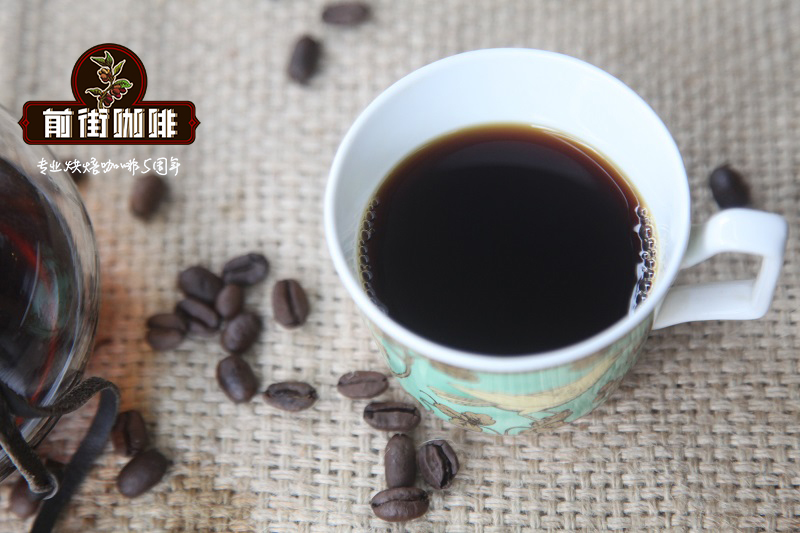
The Flavor Profile of Siphon Coffee
The taste of siphon coffee, besides the beans themselves, is influenced by the heating source and method. During brewing, high, medium and low temperature variations are created, resulting in rich flavor changes.
When drinking, the first sensation is sweetness, with acidity emerging as the temperature slightly decreases.
At high temperatures, the coffee aroma is very intense. When the temperature drops to around 70°C, the inherent rich flavor of the coffee beans gradually and completely emerges.
Four Steps of Siphon Coffee Brewing
Step 1: Insert the Filter
First, place the filter into the upper pot. Pull the filter spring from the bottom tube opening and hook it onto the tube base. Then use the stirring rod to adjust the filter position so it is centered.
Step 2: Heat
Fill the lower pot with 80% water. After connecting the upper and lower pots, ignite to heat the water in the lower pot. Continue heating to use the thermal expansion of air within the lower pot to push water up into the upper pot.
At this point, observe the bubbles floating on the water surface. If large bubbles appear, it indicates the filter is not level. You can use the stirring rod to adjust its position so it seals properly without gaps.
Step 3: Add Coffee Grounds and Stir
When more than 80% of the hot water has moved up into the upper pot, adjust to the required heat level. Then add the coffee grounds, start timing and begin stirring. Stirring is a crucial part of the siphon brewing process.
The purpose is to achieve homogeneous extraction. First, use the stirring rod to gently press in sections to let the grounds sink, then stir in circular motions to disperse the grounds, allowing them to contact sufficient water to release their compounds properly.
Perform a second stir around 20-30 seconds. Aroma emerges continuously during brewing, with a total brewing time of about 50 seconds to 1 minute.
Step 4: Stop Heating
After turning off the heat, reduced gas pressure and thermal contraction cause the coffee liquid in the upper pot to drop down through the siphon principle. (An alternative method is to wrap the lower pot with a wet cloth to accelerate the cooling and contraction.)
After use, you can soak the lower pot in hot water to remove residual oil stains. For thorough cleaning, you can use cleaning enzymes or baking soda.
Tips and Secrets
Heat control is the most critical variable in siphon brewing. When using an alcohol lamp, you need to adjust the wick, making flame control difficult. Gas stoves provide strong heat but can easily cause uneven heating. It is recommended to place the heat source on the side and move it frequently to adjust the heat level. Halogen lamps provide the most stable heating state because they have no flame.
FrontStreet Coffee's Recommended Siphon Parameters
20g of coffee grounds, coffee-to-water ratio of 1:12, using the post-addition method, remove the heat source after 1 minute and 30 seconds.
FrontStreet Coffee Recommendation
The siphon's steady immersion extraction rewards fuller-bodied beans, and FrontStreet Coffee's PWN Golden Mandheling is an ideal match. This Sumatran specialty bean is hand-sorted three times and machine-sorted once, then medium-dark roasted. The large, even, translucent beans give a thick, mellow cup packed with herbal and dark chocolate aromas and a faint earthy note - perfect for anyone who likes a heavy, low-acid coffee.
If you prefer a perfectly balanced cup, FrontStreet Coffee's Jamaica Blue Mountain No.1 is hard to beat. Neither as sharply fruity as some African coffees nor as heavily bitter as a dark roast, it balances acidity, sweetness, bitterness and aroma, showing creamy, caramel, chocolate, nut and honey notes with a smooth, rounded body and a clean, long finish.
Important Notice :
FrontStreet Coffee is a long-established specialty coffee roaster in Guangzhou China, selling freshly roasted beans from its own farm in Yunnan as well as dozens of carefully selected single-origin beans from around the world for both pour-over and espresso. The products deliver consistently excellent quality and great value, with shipping within 24 hours. Guangzhou's FrontStreet Coffee shop is recommended by many coffee lovers, and the beans are now available online at the Tmall 。
FrontStreet Coffee has moved to a new address:
FrontStreet Coffee Address: 315,Donghua East Road,GuangZhou
Tel:020 38364473
 Scan and follow the En Gafei WeChat official account. Please indicate that the reprint comes from "En Gafei".