Which Drip Coffee Bag Brands Are the Best? Top 10 Chinese Pour-Over Coffee Brands with Brewing Instructions

As specialty coffee has grown, many enthusiasts have bought pour-over gear to brew at home—but those tools are not exactly convenient to carry to the office. Drip coffee bags were created precisely for portability, letting you quickly brew your favorite single-origin coffee anywhere. Below, FrontStreet Coffee recommends some of its most popular drip bags.
What is Drip Coffee?
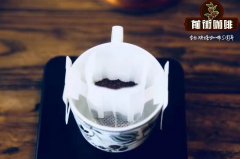
Drip coffee is single-origin coffee ground to powder and sealed inside a filter bag. To brew, you fold out the small paper tabs on both sides and hang the bag on the rim of your cup—hence the name "drip coffee."

According to FrontStreet Coffee's research, drip coffee was invented by Japan's Yamanaka Industrial Co., Ltd., which applied the tea-bag concept to coffee and patented the idea. However, the original design could not bear the weight of brewing water and easily lost balance mid-brew, so Yamanaka never successfully commercialized it.
It was not until 1998 that Japan's Daiki Shoji improved the design, extending the hanging flanges outward so the bag could support itself. Drip coffee then spread widely among office workers who loved single-origin coffee—which is why so many enthusiasts come to FrontStreet Coffee stores asking about it. Here are ten of our best-loved drip coffee bags.
1. FrontStreet Coffee Ethiopia Natural Red Cherry Coffee Beans

Region: Yirgacheffe
Altitude: 2000-2200m
Variety: Heirloom
Processing: Natural
Flavor: Tropical fruits, strawberry, berries, cream
FrontStreet Coffee's Natural Red Cherry comes from Ethiopia's famous Yirgacheffe region. The name comes from the "Red Cherry Project," an initiative launched by a Dutch green coffee company to raise coffee quality.
The company, called Trabocca, started the project because Ethiopian quality was inconsistent at the time, leaving little room for price improvement and very low incomes for farmers. To genuinely help, Trabocca partnered with local farmers, buying only fully ripe, hand-selected cherries at higher prices. That incentive pushed farmers to focus on quality and cultivate better coffee.

This Yirgacheffe is processed with the traditional natural method: whole, hand-selected ripe cherries are dried on raised beds—avoiding the earthy flavors that cement patios can impart—while the cherries slowly develop flavor compounds as they dry to a deep brown. The result is a bean with distinct fruit aromas, full acidity, and a rich, thick body.
2. FrontStreet Coffee Honduras Sherry Coffee Beans

Region: Marcala
Estate: Moca Estate
Altitude: 500-1700 meters
Variety: Caturra, Catuai, Pacas
Processing: Washed + Whiskey Sherry Barrel Fermentation
Flavor: Vanilla cream, fermented wine aroma, nutty dark chocolate, maple sweetness
FrontStreet Coffee's Honduras Sherry is a favorite among enthusiasts because it smells of whiskey yet tastes of vanilla cream—a genuinely charming combination. Fans repeatedly asked for it as a drip bag. It is also one of the components of FrontStreet's Sunflower Warm Consciousness espresso blend in-store, which says everything about its popularity.
Because the beans age in whiskey barrels, the barrel character is intense: intoxicating wine aroma on the nose, rich vanilla cream on the sip, and a persistent liquor-laced chocolate finish.
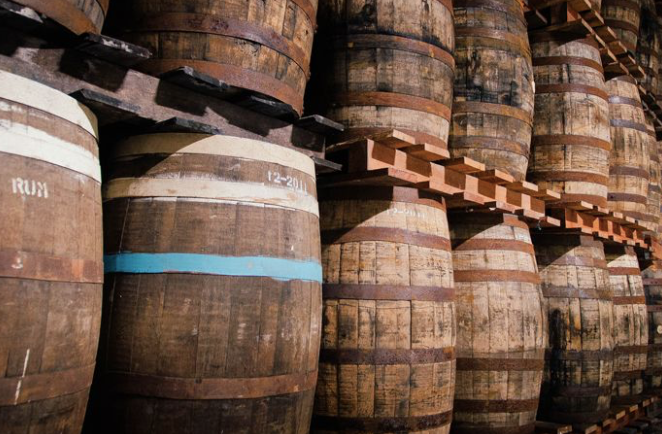
The process: freshly harvested cherries are first washed-processed, then fermented slowly at low temperature (around 15-20°C) in sherry barrels for 30-40 days, and finally dried. The barrels come from sherry bodegas, where the Solera System—blending and aging sherries of different vintages after fortification—creates sherry's signature flavors.
3. FrontStreet Coffee Indonesia PWN Gold Mandheling Coffee Beans

Region: North Sumatra, Aceh Gayo Mountains
Company: PWN
Altitude: 1100-1600 meters
Variety: Ateng
Processing: Wet-Hulled
Flavor: Herbal, caramel, dark chocolate, thick and clean, high balance, persistent finish
FrontStreet Coffee's PWN Gold Mandheling is graded 18 mesh or larger, with fewer than 3 defective beans per 300g green sample—the top G1 grade—with a deep green color and uniform, flat bean shape. Qualified Gold Mandheling also passes three manual screenings and one machine screening. This rigor eliminates the earthy impurities of ordinary Mandheling and makes the cup noticeably cleaner and brighter.

The wet-hulled method exists because Indonesia's climate is humid and rainy, making sun-drying difficult, while washed processing costs more than local farmers could bear. Beans are sun-dried in parchment for 2-3 days until moisture reaches 20-24%, then the parchment is hulled off while the beans are still damp. This contributes to a high defect rate, but the method has become synonymous with Indonesia—a signature of the origin. Natural-processed Mandheling now exists too; FrontStreet offers one in a relatively niche series, worth trying if you're curious.
4. FrontStreet Coffee Panama Geisha "Flora" Coffee Beans

Region: Boquete
Altitude: 1600 meters
Variety: Caturra, Catuai, 70% Geisha
Processing: Washed
Flavor: Citrus, berries, tea aroma, jasmine
FrontStreet Coffee's Panama Geisha "Flora" contains 70% Geisha plus Catuai and Caturra, grown near Baru Volcano in Boquete at 1600 meters, with microclimates, fertile volcanic soil, abundant rainfall, and wide day-night temperature swings. Careful harvesting and precise processing give it Geisha florals, citrus flavors, and gentle acidity—and despite its quality, the price is very approachable, letting you experience Panama Geisha character at great value.

Some question whether a Geisha blend counts as single-origin. FrontStreet Coffee's answer: Ethiopian beans vary in size because dozens of local varieties are grown mixed and harvested together—yet as long as that mixed harvest happens within one region, the coffee is still called single-origin. Ethiopian beans are "natural blends"; "Flora" is a post-harvest blend, on the same principle.
"Flora" is washed-processed: inferior cherries are screened out, skin and seed are separated by machine, and the beans—still coated in mucilage—ferment in tanks for about 18-36 hours until the mucilage breaks down. Workers then scrub the beans clean using water flow and bean-to-bean friction.

5. FrontStreet Coffee Brazil Red Bourbon Coffee Beans

Region: South Minas
Altitude: 1000 meters
Variety: Red Bourbon
Processing: Pulped Natural
Flavor: Nuts, chocolate, cream, peanut, caramel
Brazil is the world's number one coffee producer, and its classic flavor profile is indispensable. Bourbon was also widely planted in Brazil, and high-altitude Bourbon typically shows better aromas, brighter acidity, and wine-like flavors.

This Brazil Red Bourbon uses pulped natural processing. Before 1990, Brazil relied on natural processing, which often picked up earthy and rotten-wood flavors—during the 2-3 week sun-dry, improper fermentation caused mold and off-flavors, a long-standing blot on Brazil's reputation. After 1990, Brazilian research institutions developed the pulped natural method to suit Brazil's drier climate and shorten processing: cherries are screened, depulped of skin, pulp, and some mucilage, then sun-dried with a little mucilage for 1-3 days, machine-dried to 12% moisture, and rested in storage. This cuts the old off-flavors while boosting fruit aromas and sweetness.
6. FrontStreet Coffee Colombia Washed Huila Coffee Beans

Region: Huila
Altitude: 1500-1800 meters
Variety: Caturra
Processing: Washed
Flavor: Nuts, dark chocolate, caramel, gentle fruit acidity
Colombia, the world's third-largest coffee producer, is known for a smooth mouthfeel and rich nutty-chocolate flavors.
Huila is one of Colombia's most famous regions, its mountainous slopes planted at high altitude with a cool climate and volcanic soil—excellent coffee conditions. The valley-slope climate blocks cold winds while providing abundant rainfall, a uniquely privileged microclimate. FrontStreet offers this Huila as its daily coffee and drip bag. Colombian coffee is mostly hand-picked at full ripeness and overwhelmingly washed.
7. FrontStreet Coffee Guatemala Huehuetenango Coffee Beans

Region: Huehuetenango
Altitude: 1500-2000 meters
Variety: Bourbon, Caturra, Catuai
Processing: Washed
Flavor: Nuts, lemon peel, berries, citrus
Guatemala is a land of volcanoes with highly diverse microclimates. Coffee is grown above 1500 meters—ideal for quality—giving Guatemalan coffee a juicy mouthfeel, with smoky notes a distinctive national trait. The country has eight producing regions: five volcanic and three non-volcanic. Huehuetenango, one of the three non-volcanic regions, is among the best known. FrontStreet selected this Huehuetenango because it expresses the meeting of Guatemalan fruit acidity and nuts.
Guatemala's processing is mainly washed, with a small share natural.
8. FrontStreet Coffee Yunnan Small Bean Coffee

Region: Yunnan, Baoshan
Altitude: 1200 meters
Variety: Catimor
Processing: Washed
Flavor: Melon aroma, sweet melon, brown sugar, plum acidity, tea sensation
This Yunnan Small Bean from Baoshan uses the Catimor variety, now the most widely planted in Yunnan. Catimor is a cross of Caturra (Arabica) and Timor Hybrid, which carries Robusta genes—adding roughly 25% Robusta inheritance, which brought leaf-rust resistance and rich oils while partly retaining Typica's flavor depth. But because Timor is a Robusta-line variety, Catimor's flavor can be relatively plain with prominent bitterness.
Washed-processed, this Yunnan bean expresses tea sensations and melon aromas, with rounded acidity, nutty notes, obvious sweetness in the finish, and a long caramel-sweet aftertaste.

9. FrontStreet Coffee Rwanda Gishamwanda
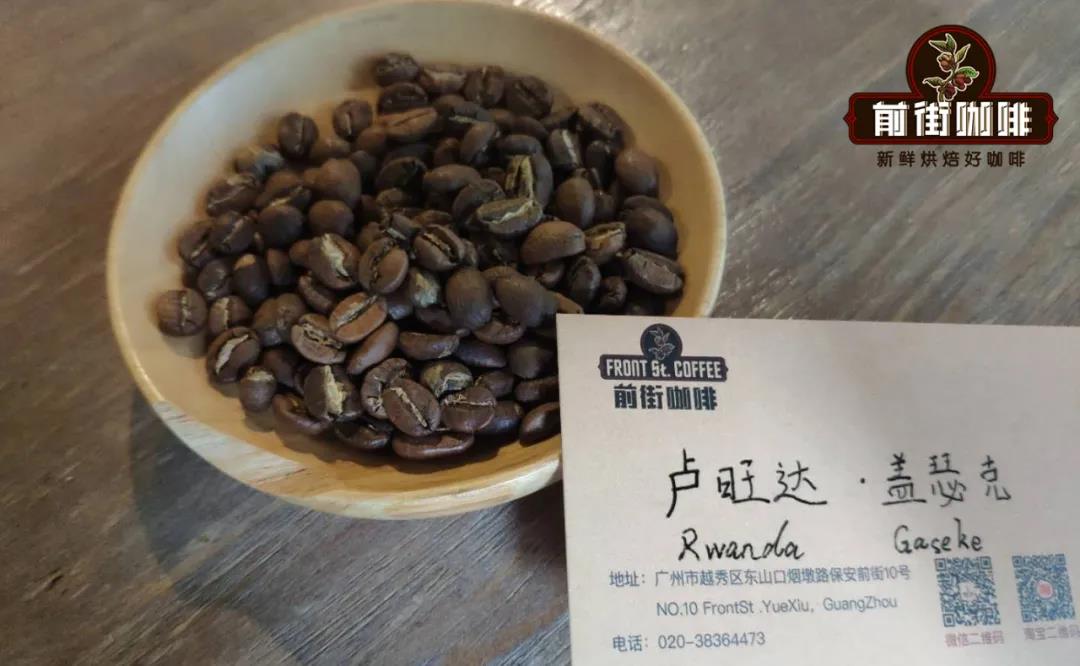
Region: Nyamasheke
Altitude: 1700-2000 meters
Variety: Catimor
Processing: Washed
Flavor: Plum, citrus, berries, nuts, honey
Rwanda, Africa's "Land of a Thousand Hills," plants its coffee on mountainsides between 1700 and 2000 meters.

With excellent growing conditions, the coffee shows gentle acidity, moderate body, and a rounded mouthfeel. FrontStreet Coffee finds Rwandan coffee less acidic than typical African coffees—more balanced than Kenyan coffee, yet with clear flavor definition. In cupping, this Rwandan coffee shows bright acidity and fresh citrus aromas.
10. FrontStreet Coffee Costa Rica Tarrazú

Region: Tarrazú
Altitude: 1500 meters
Variety: Caturra, Catuai
Processing: Washed
Flavor: Sweet orange, honey, toffee, nuts
Costa Rica was the first Central American country to cultivate coffee, and its coffees are known for balanced flavor, rich chocolate, and a smooth mouthfeel. Tarrazú, south of the capital San José, is one of Costa Rica's most valued and famous regions. Costa Rica is famous for honey processing, but FrontStreet chose this washed Tarrazú for its drip bags because it delivers rich body, smooth mouthfeel, intense chocolate and nut flavors, moderate acidity, and enticing aromas—the essence of Costa Rica's profile.

These are the ten most beloved drip coffee bags recommended by FrontStreet Coffee. We hope this article helps enthusiasts choosing their first drip bags.
For more specialty coffee beans, please add FrontStreet Coffee on private WeChat, WeChat ID: kaixinguoguo0925
FrontStreet Coffee Recommendation
Choosing a drip bag is really about matching the roast level to your taste. Before the third wave of coffee, the market favored medium-dark roasts—chocolate, maple syrup, nuts, vanilla, caramelized sweetness—which siphon and flannel brewing showed off well; FrontStreet's Jamaica Blue Mountain No.1 and PWN Golden Mandheling were the darlings of that era. Today, PWN Golden Mandheling remains a superb medium-dark option for drip bags: low acidity, a long, full-bodied mouthfeel of herbs and dark chocolate with a whisper of earthiness, plus verifiable provenance—FrontStreet was the first brand to publish PWN's certificates and jute sacks in its product pages.
For light-roast, floral-fruit lovers, the washed Yirgacheffe Guodingding is a classic: soft, bright citrus-berry acidity, jasmine florals, and a green-tea finish—far gentler than the "sour coffee" most people imagine. The FrontStreet Huakui (Flower Queen) natural is the tropical-fruit star: strawberry, passion fruit, jackfruit, and even lychee, with obvious sweetness and almost no bitterness—often described as "the coffee that least tastes like coffee."
At the pinnacle, the Panama Esmeralda Red Label Geisha offers elegant jasmine, citrus, bergamot, and black-tea refinement—clean and transparent with a long, sweet finish, though at a price well above ordinary specialty coffee.
If you prefer no-fuss, balanced everyday bags, FrontStreet Brazil Queen Estate (yellow Bourbon, low acidity, nuts, cocoa, caramel sweetness) and FrontStreet Jamaica Blue Mountain No.1—the benchmark of balanced sweetness, cream, caramel, chocolate, and nuts—are the easiest cups to love, which is why Blue Mountain is so often called "the specialty coffee that most people like best."
Important Notice :
FrontStreet Coffee is a long-established specialty coffee roaster in Guangzhou China, selling freshly roasted beans from its own farm in Yunnan as well as dozens of carefully selected single-origin beans from around the world for both pour-over and espresso. The products deliver consistently excellent quality and great value, with shipping within 24 hours. Guangzhou's FrontStreet Coffee shop is recommended by many coffee lovers, and the beans are now available online at the Tmall 。
FrontStreet Coffee has moved to a new address:
FrontStreet Coffee Address: 315,Donghua East Road,GuangZhou
Tel:020 38364473
 Scan and follow the En Gafei WeChat official account. Please indicate that the reprint comes from "En Gafei".