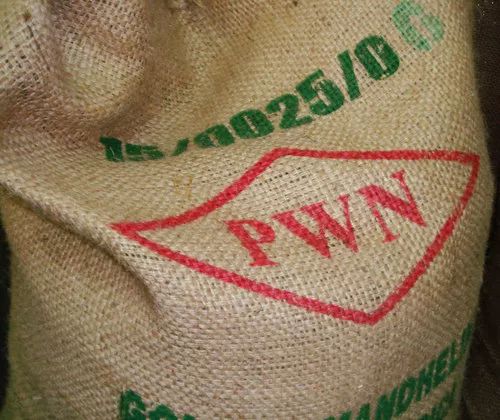
Special Report: Sun-Dried Kenya | Exceptional Value from the Rare Chania Estate Sun-Dried French Mission Bourbon
Kenya Chania Estate French Mission Bourbon Natural
Country: Kenya
Region: Thika
Processing Station: Chania Estates
Altitude: 1,525 meters
Variety: French Mission Bourbon
Processing Method: Natural Process
01 | Origin Introduction
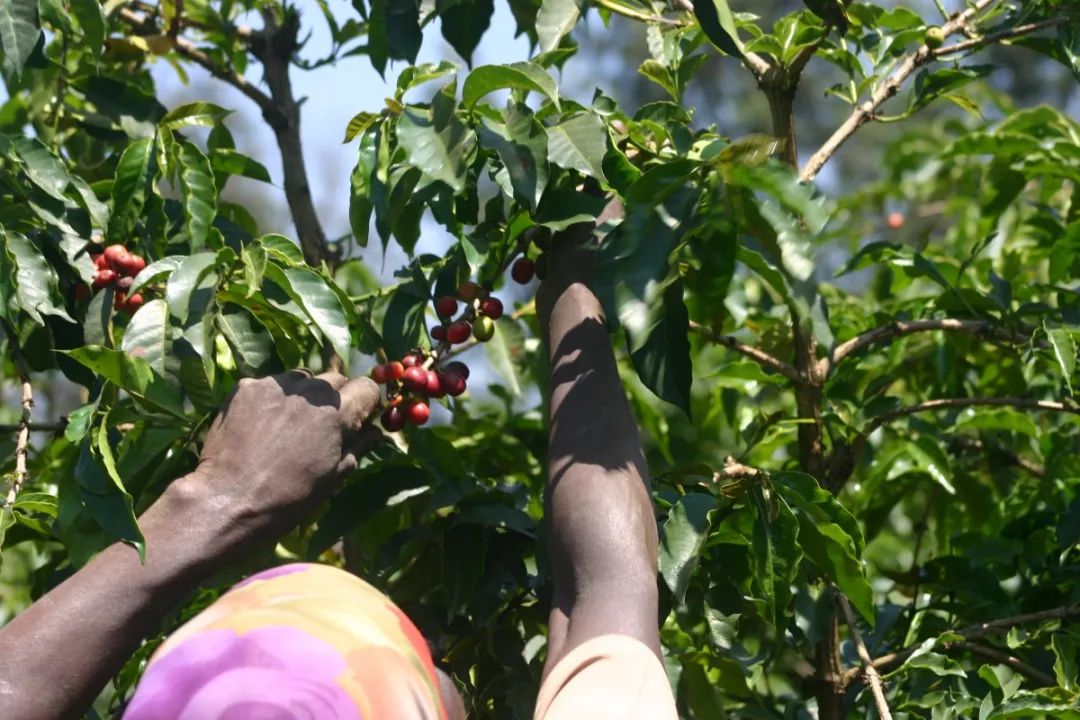
Each county in Kenya has its own distinct coffee character, and the country is divided into 47 counties nationwide. Kenyan coffee trees are mostly grown between 1,400 and 2,000 meters, with two harvests a year. The growing regions include Ruiri, Thika, Kirinyaga, Mt. Kenya West, Nyeri, Kiambu, and Muranga, mainly on the foothills of Mt. Kenya and the Aberdares. Embu coffee, for example, shows balance, citrus fruit, chocolate, and apple acidity; Thika, in the Kenya highlands, brings balance with citrus, chocolate, apple, and plum acidity; and Nyeri is known for white grapes, a juicy body, grapefruit and small-tomato flavors, full of fruitiness and caramel-like sweetness.
Thika, Kenya
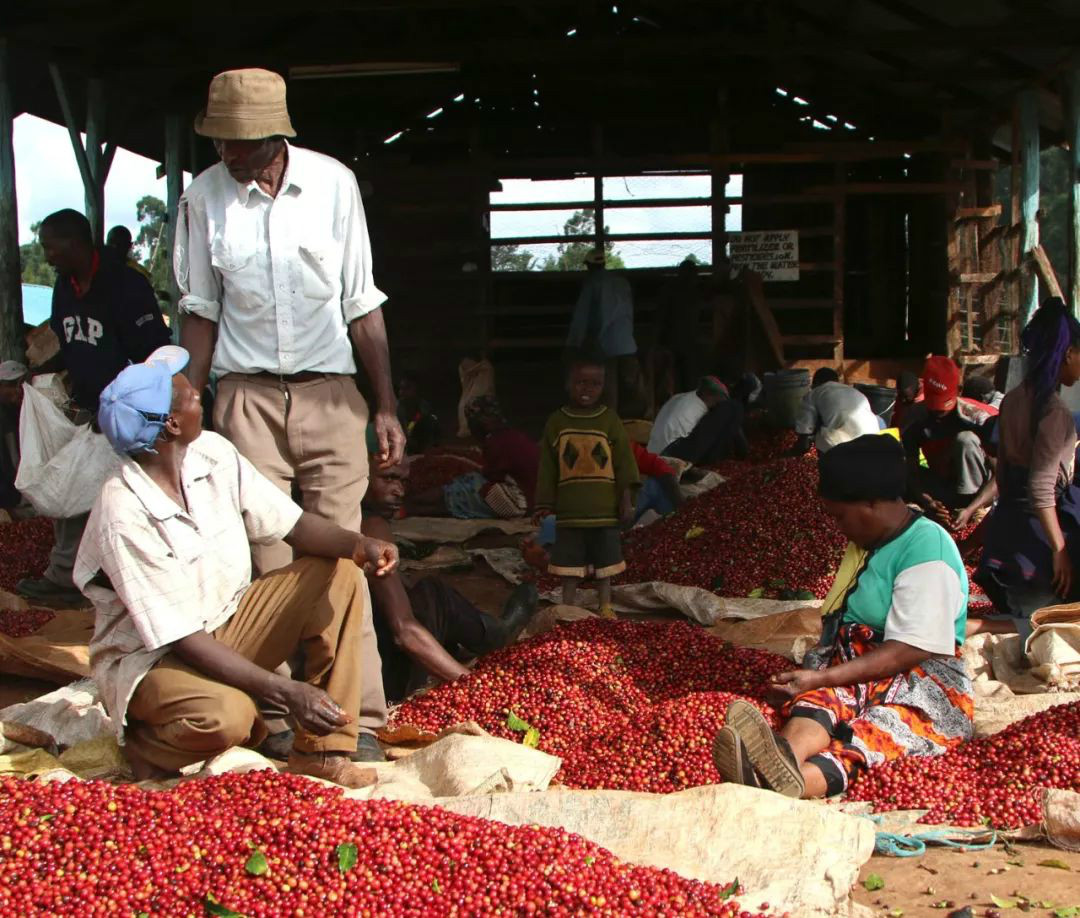
Thika lies within the Kiambu coffee-growing area of Kenya's central highlands, east of the Great Rift Valley. Sitting at the foot of the Aberdare range, it has red volcanic soil rich in organic matter. Because the Kiambu region has a mild climate and moderate rainfall, farmers there can harvest twice a year — from May to July and from September to December.
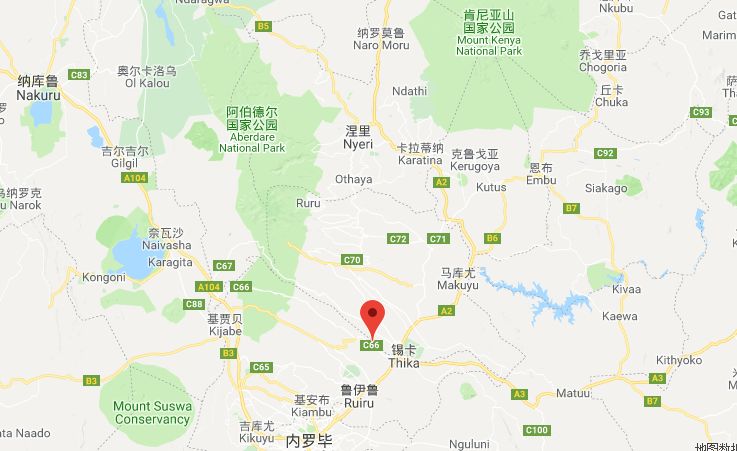
KIAMBU (Kiambu)
KIAMBU: this region in central Kenya contains some of the highest-altitude coffee-growing areas in the country.
Kiambu has several large coffee estates. Small farmers and their cooperative organizations work closely together, and most have their own processing plants, giving growers better options than unified purchasing and selling. Farmers process green coffee at their own factories and obtain reasonable prices at auction.
Some coffee trees at high altitude, however, can suffer from dieback disease, which halts their growth. The region takes its name from Nakuru town. Coffee cultivation here includes both estates and small farmers, though production is relatively small.
Altitude: 1850~2200 meters
Harvest Period: October~December (main season), June~August (secondary season)
Varieties: SL-28, SL-34, Ruiru 11, Batian
02 | Estate Introduction
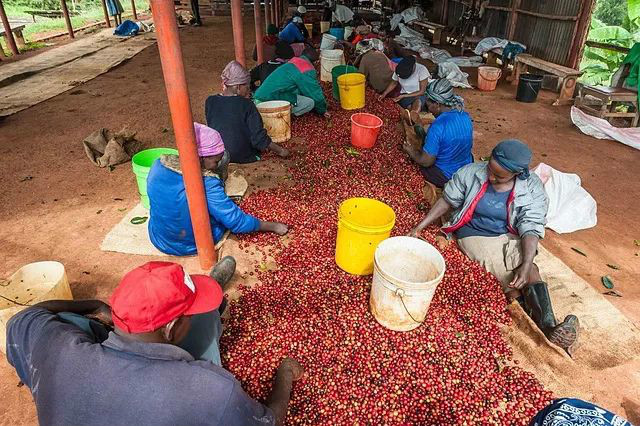
Chania and Oreti estates are the only large and medium-sized private coffee plantations in Kenya, managed by the Harries family since 1904. Chania Estate and Oreti Estate border the Chania River, and together they hold dams, reservoirs, and nearly 200 acres of land. The riverbanks are planted with forest to protect birds and wildlife.
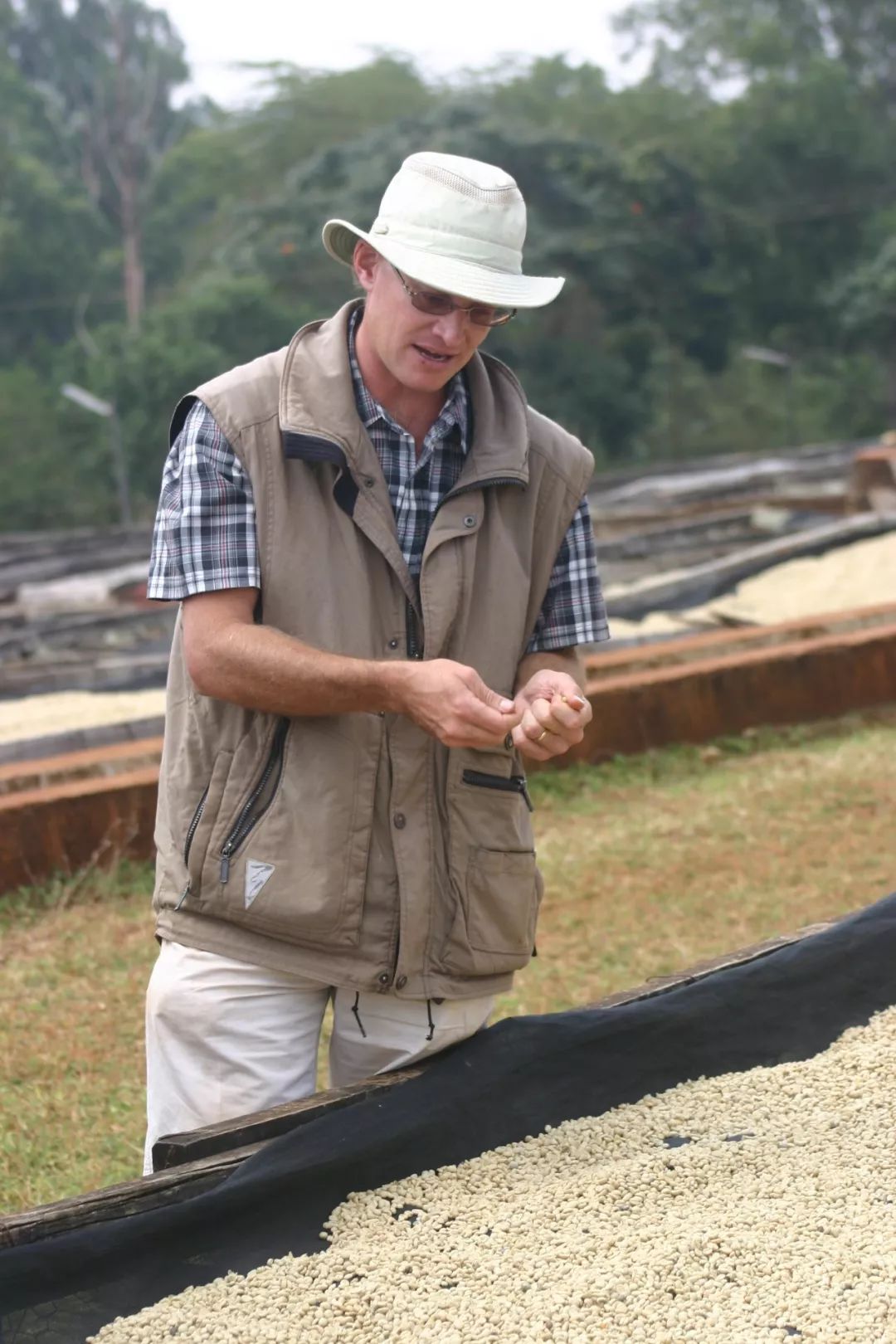
Estate owner Boyce Marquis Allen Harries took over the family business, Estates and A.I.R. (Harries & Son Ltd.), in 2013. Today 40 employees work for Boyce, many of whom have served the Harries family for three generations. The workers have their own elected committee and meet monthly to discuss community safety, social, and health issues. Beyond caring for their own workers, the Harries family donated land to the Thika City Council and co-founded Wabeni Technical College, which teaches practical skills such as tailoring, mechanics, and woodworking to help local residents earn a living.
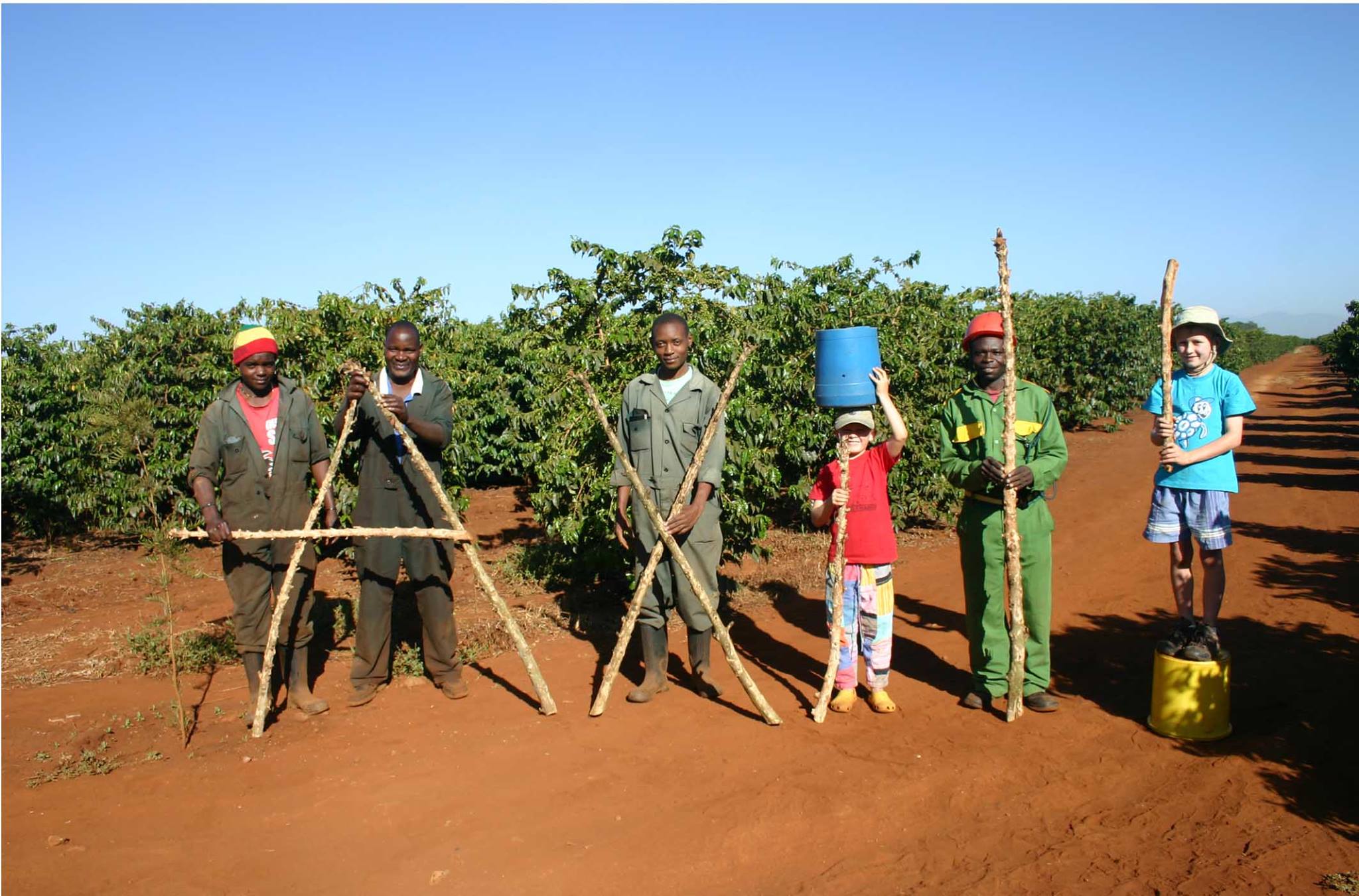
The Harries Story: This Estate Has Over 100 Years of History
Chania and Oreti estates are the only large and medium-sized private coffee plantations in Kenya.
In 1904, Allen Charles Harries arrived in South Africa and then came to Kenya. After exploring the country thoroughly, Allen Charles established the Karamaini estate in what later became the Thika area. The 30-mile journey from Nairobi took him two days by donkey cart and porters.
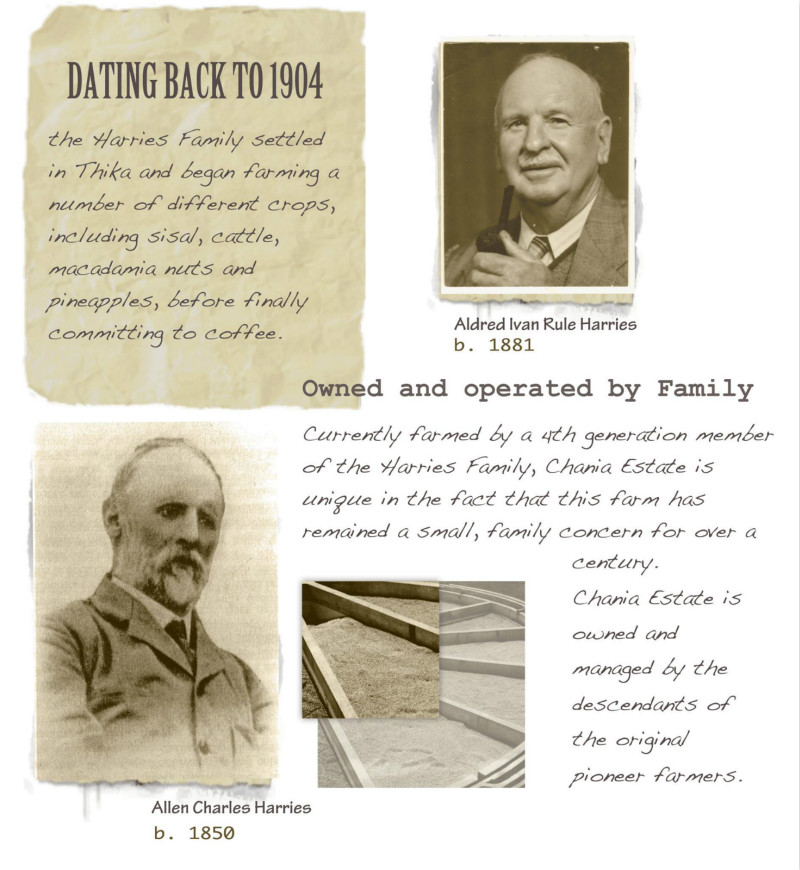
His third son, Aldred Ewan Rule Harries, remained in South Africa and helped support his father financially, eventually joining the coffee business in 1912.
In 1926, Ewan moved to Chania village. This was a mixed farm on the Chania River with a small area of coffee.
Here Ewan set about discovering what could be successfully cultivated, trying cattle, sisal, and pineapples while slowly increasing the total coffee area. He also bought adjacent small farms to create the estate. In the early 1950s, based on his name initials, he named the enterprise A.I. Harries & Son Ltd. In 1946, Ewan's son Peter Allen Harries completed his studies in New Zealand.
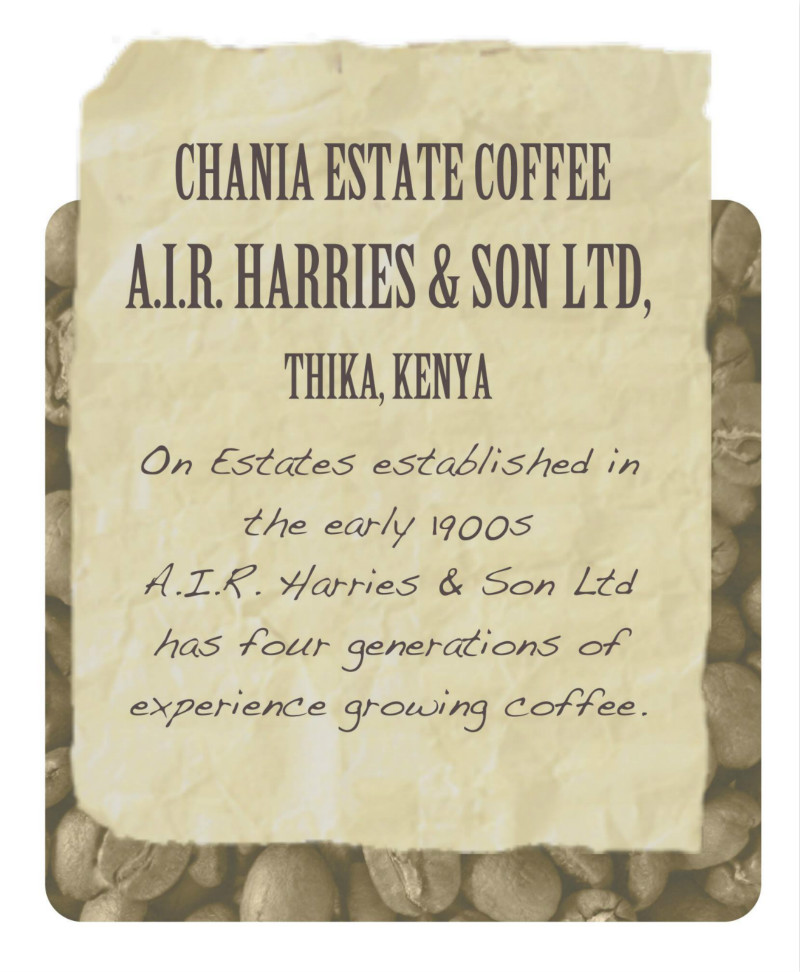
He and his wife Ina, a New Zealander, joined his father in buying land more than 5 miles from Chania down the ridge of the Aberdare Mountains. They named it Oreti and established a mixed farm of pineapples, coffee, and macadamia nuts.
Peter inherited the running of both farms in the late 1950s when his father passed away. The farm had pineapples, livestock, and macadamia nuts, but coffee became the focus of the agricultural operation. When Peter died suddenly in 1983, his eldest and only surviving son, David Hugh Allen Harries (b. 1947), took up the responsibility of continuing the family tradition.
David's nephew, Boyce Marquis Allen Harries (born 1976), came to join him in 2004, living in Peter's old home at Oreti. Following David's retirement in 2013, Boyce took over the running of both estates and the family business, A.I. Harries & Son Ltd.
03 | Green Bean Analysis
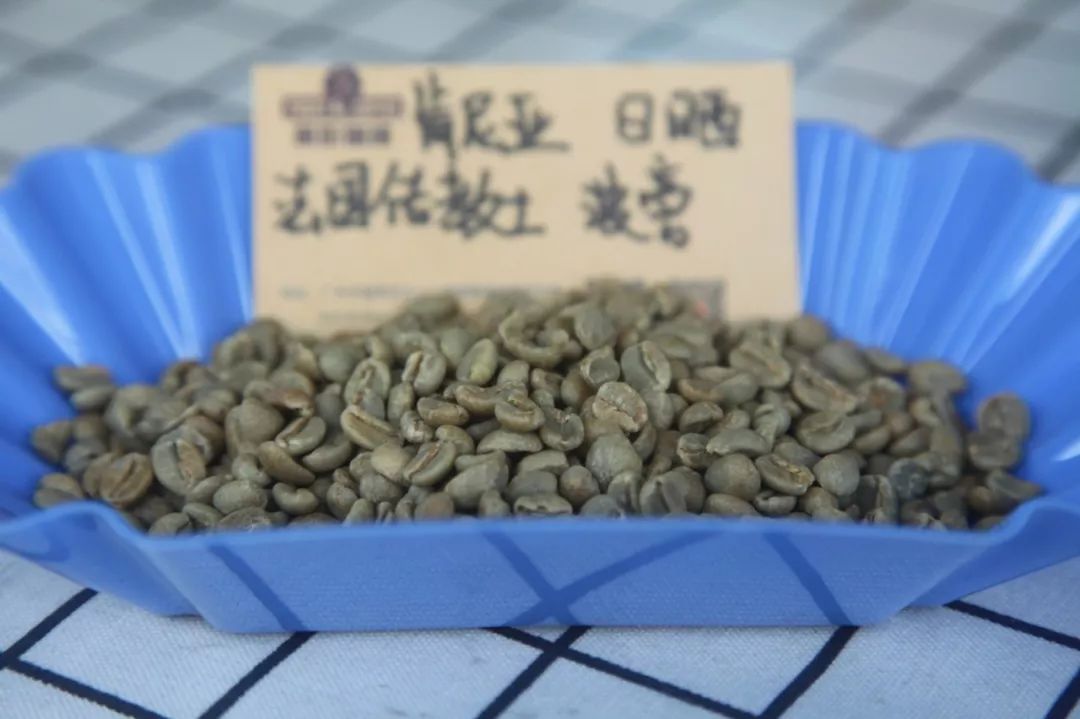
French missionaries brought Bourbon trees to Kenya around 1892-1893. This original Bourbon variety is called French Mission Varietal. During cultivation it avoided scientific modification, preserving the most original Bourbon flavor. The unique red volcanic soil of Chania Estate, combined with suitable growing temperatures and rainfall and an excellent natural environment, creates the distinctive flavor of the French Mission variety from Thika's Chania Estate.
Bourbon Variety
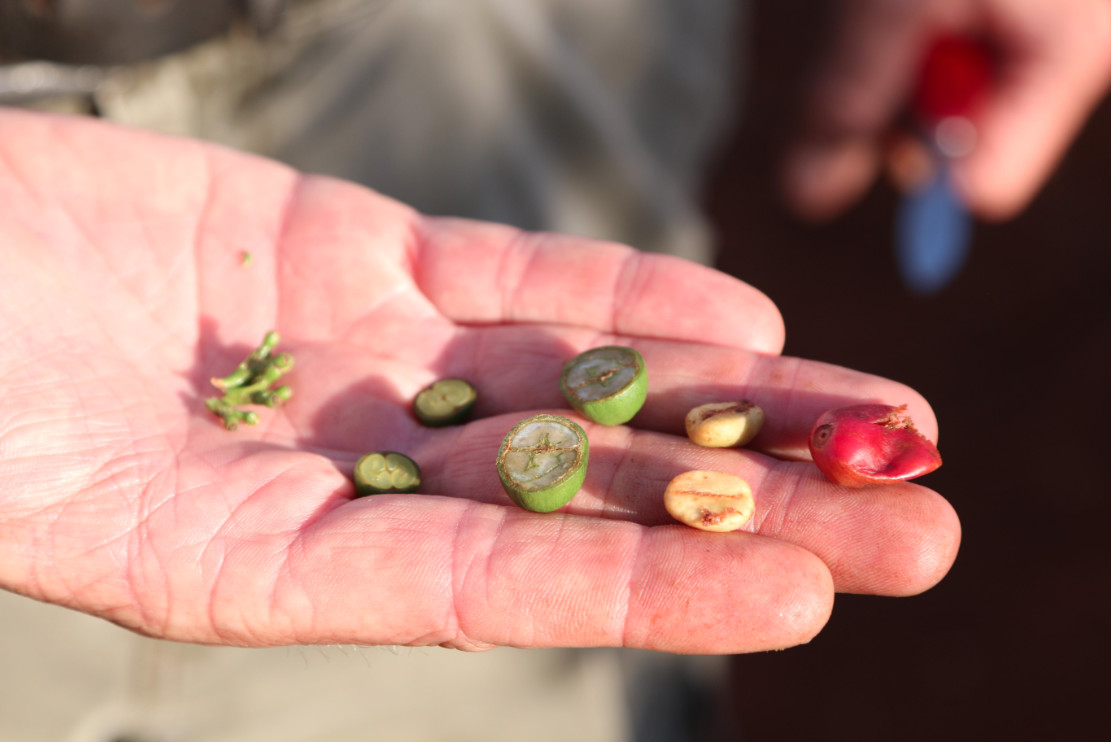
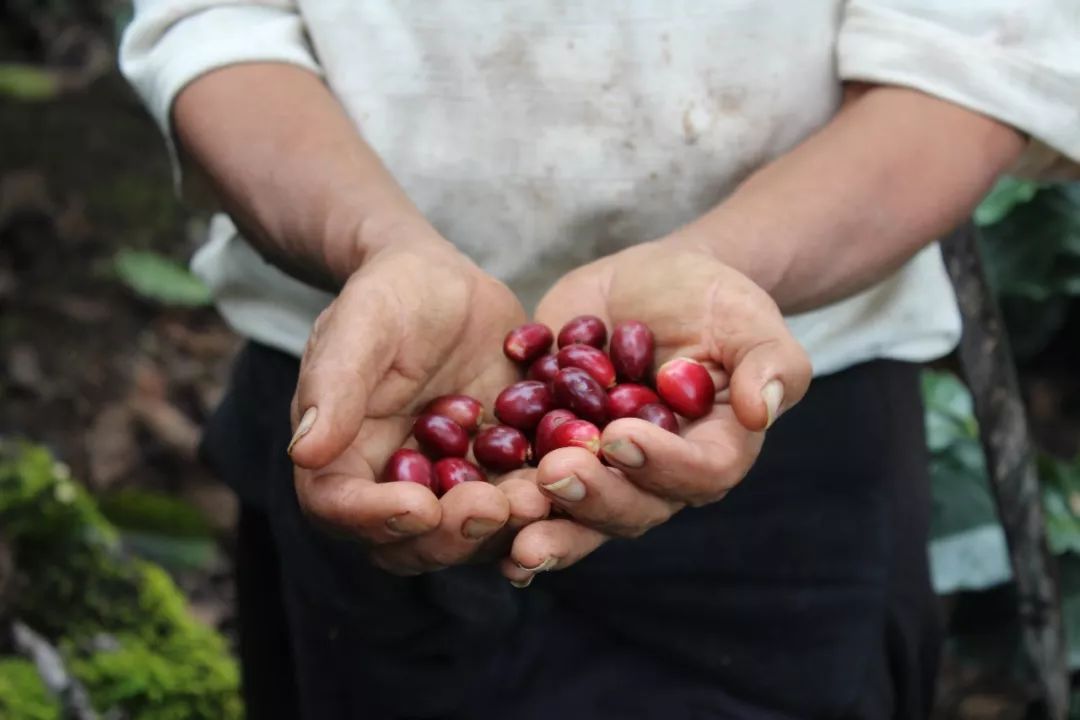
Let me briefly explain what Bourbon coffee is. Bourbon was initially cultivated on Réunion Island, which was also called Bourbon Island before 1789. Bourbon is a sub-variety that mutated from Typica and, together with Typica, belongs to the oldest existing coffee varieties. When the green fruits ripen, they turn bright red.
The Spread of Bourbon Variety
Because the Typica introduced to Brazil in 1727 had low yield and poor disease resistance, Bourbon was brought to Brazil around 1860 through Campinas in the south and quickly spread north to other regions of South and Central America. In Latin America today, although most Bourbon has been replaced by its variants — especially Caturra, Catuai, and Mundo Novo — it is still grown in countries such as El Salvador, Guatemala, Costa Rica, and Peru.
In Africa, French missionaries known as Spiritans (from the Holy Ghost congregation) played an important role in spreading Bourbon. In 1841 the first mission was established on Réunion, and a branch was founded in Zanzibar in 1859. From Zanzibar, branches were established in 1862 in Bagamoyo on the Tanzanian coast, then called Tanganyika, and in St. Augustine (Kikuyu, Kenya), and another branch was established in 1893 in Bura (Taita Hills, Kenya). Each new branch was accompanied by the planting of coffee seeds brought from Réunion.

In 1899, seedlings cultivated in Bura were taken to another French mission in Santa Cruz, near Nairobi, and in 1900 they were introduced to the Kilimanjaro region of Tanzania, with seeds distributed to local residents willing to grow coffee. This is the origin of what is called "Missionary Bourbon." The Kent variety was then introduced in 1920, so to this day coffee in Tanzania is mainly Bourbon and Kent.
04 | Processing Method Introduction
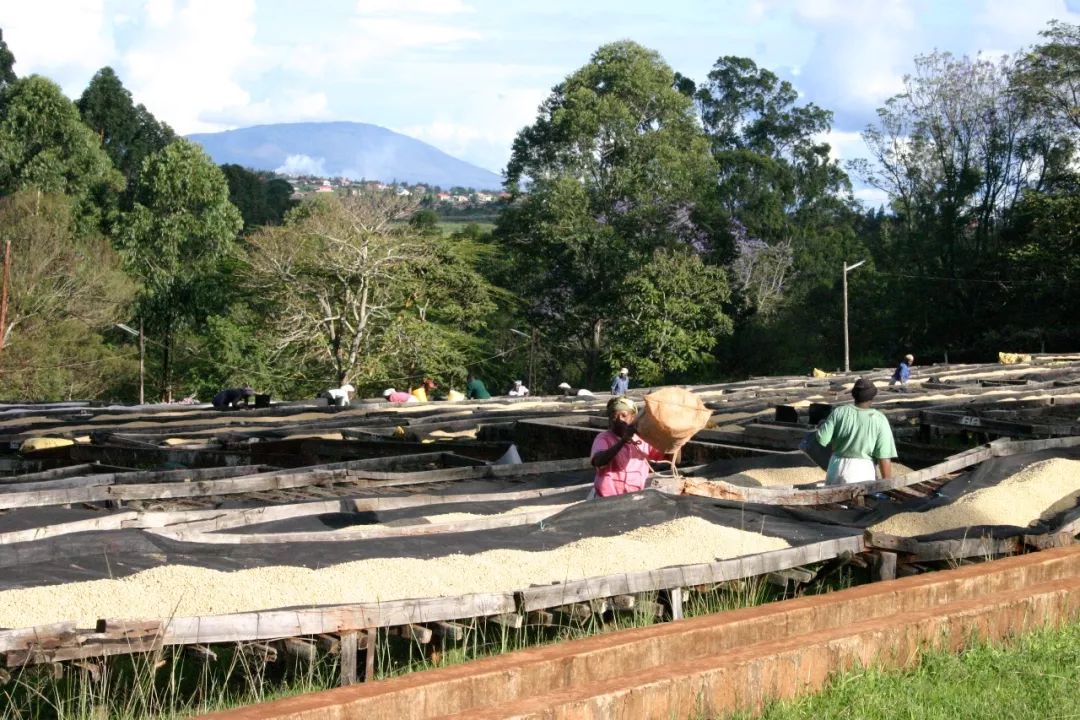
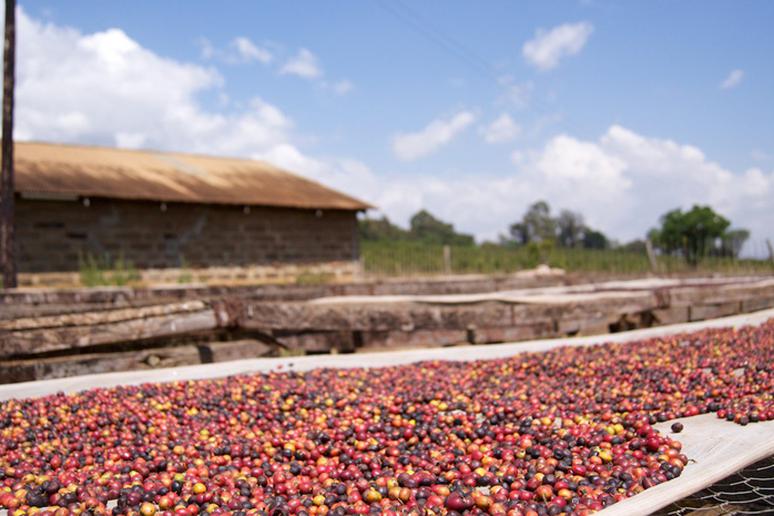
Natural processed Kenya is relatively uncommon on the market, possibly because the quality of Kenyan washed processing is excellent and because natural processing carries a high loss rate and high labor costs. Natural processed Kenya is generally found only in special custom programs run by some green bean merchants. This bean is processed the natural way. During the refined natural process, the already rich and varied acidity of Bourbon coffee gains body and sweetness. This natural lot is limited in quantity and depends entirely on natural climate conditions.
05 | Roasting Analysis
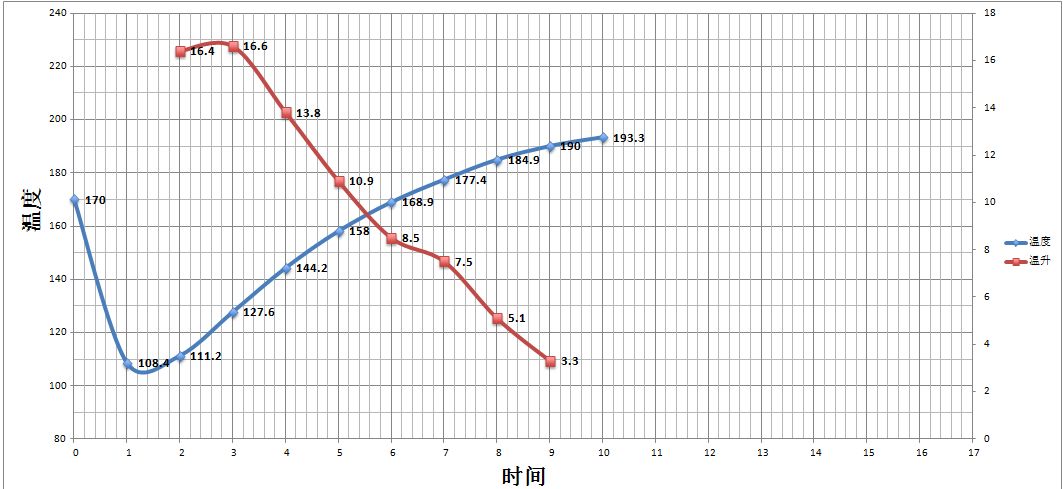
The bean density is medium. Roast with medium heat and climb. During roasting the beans heat up quickly, so we need to reduce the heat at 150°C, 160°C, and 170°C to extend the Maillard reaction time while avoiding too rapid a climb. First crack starts around 8 minutes 15 seconds at 186°C. At the same time, reduce heat and open the damper to develop flavors. Drop the beans at 194°C after 2 minutes.

Yang Jia 600g Semi-direct Flame Roaster (300g batch size)
Preheat the roaster to 170°C, set the damper to 3, and turn on the heat after 30 seconds, adjusting heat to 140 while keeping the damper unchanged. Return to the temperature point at 1'28" and maintain heat. At 140°C, reduce heat to 110 and open the damper to 4. Turn yellow at 4'20", the grassy smell disappears, and the beans enter the dehydration phase: reduce heat to 90 and keep the damper at 4. At 150°C, 160°C, and 170°C, reduce heat again to 90, 70, and 50 respectively.
At 7'50", dehydration is complete, wrinkles and black spots appear on the bean surface, and the toast smell turns to coffee aroma — the prelude to first crack. Listen closely for the sound of first crack. At 8'13", first crack begins; open the damper fully to 5 and adjust heat to 30. Post-first-crack development time is 2 minutes, dropping at 194°C.
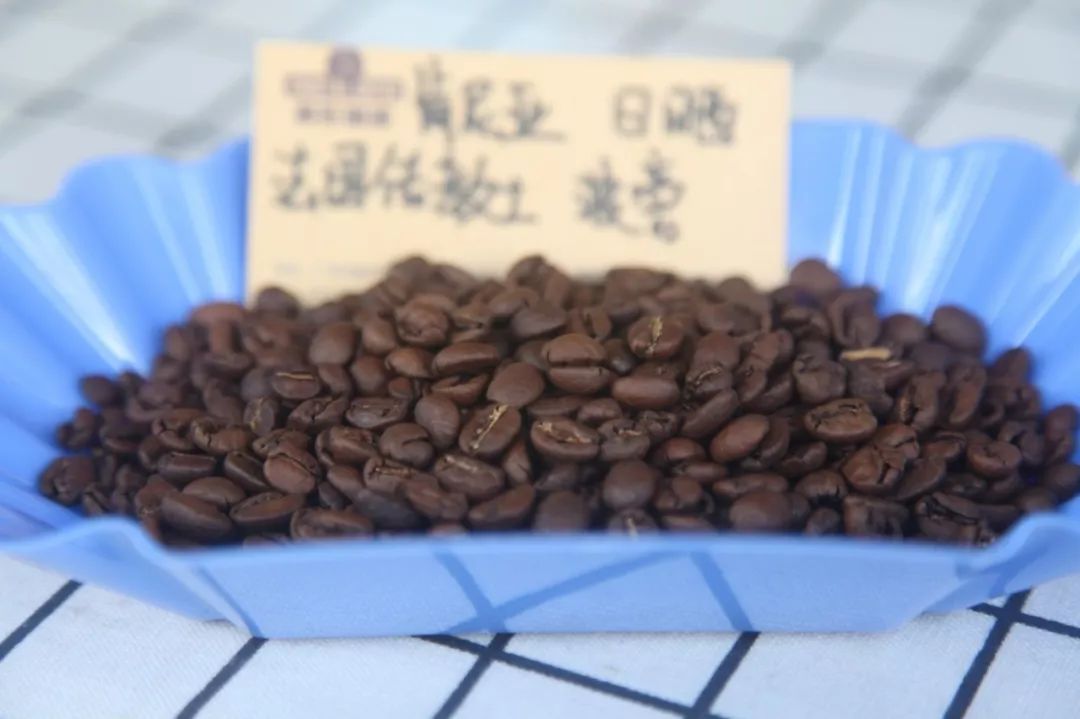
Cupping Results
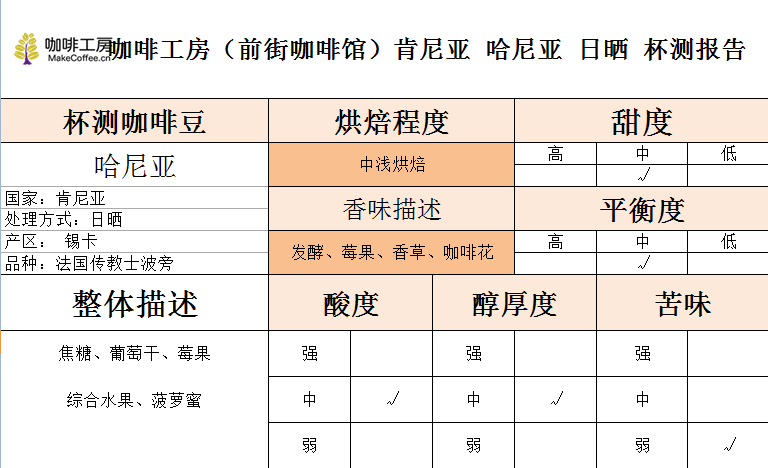
This coffee has good flavor but a relatively high defect rate, so please sort carefully before and after roasting. The dry aroma shows natural fermentation, dried fruit, and vanilla. When slurping, you can taste caramel, vanilla, and mixed fruits with a solid, juicy sensation. The aftertaste brings berries, rich jackfruit, and coffee flower notes. Overall it shows the wild regional character of Africa — a coffee for small sips and slow tasting. Its complex aroma is hard to let go of.
06 | Brewing Data
Recommended Brewing Method: Pour-over
Grind Size: 3.5 (Japan Fuji R440)
Water Temperature: 90~91°C
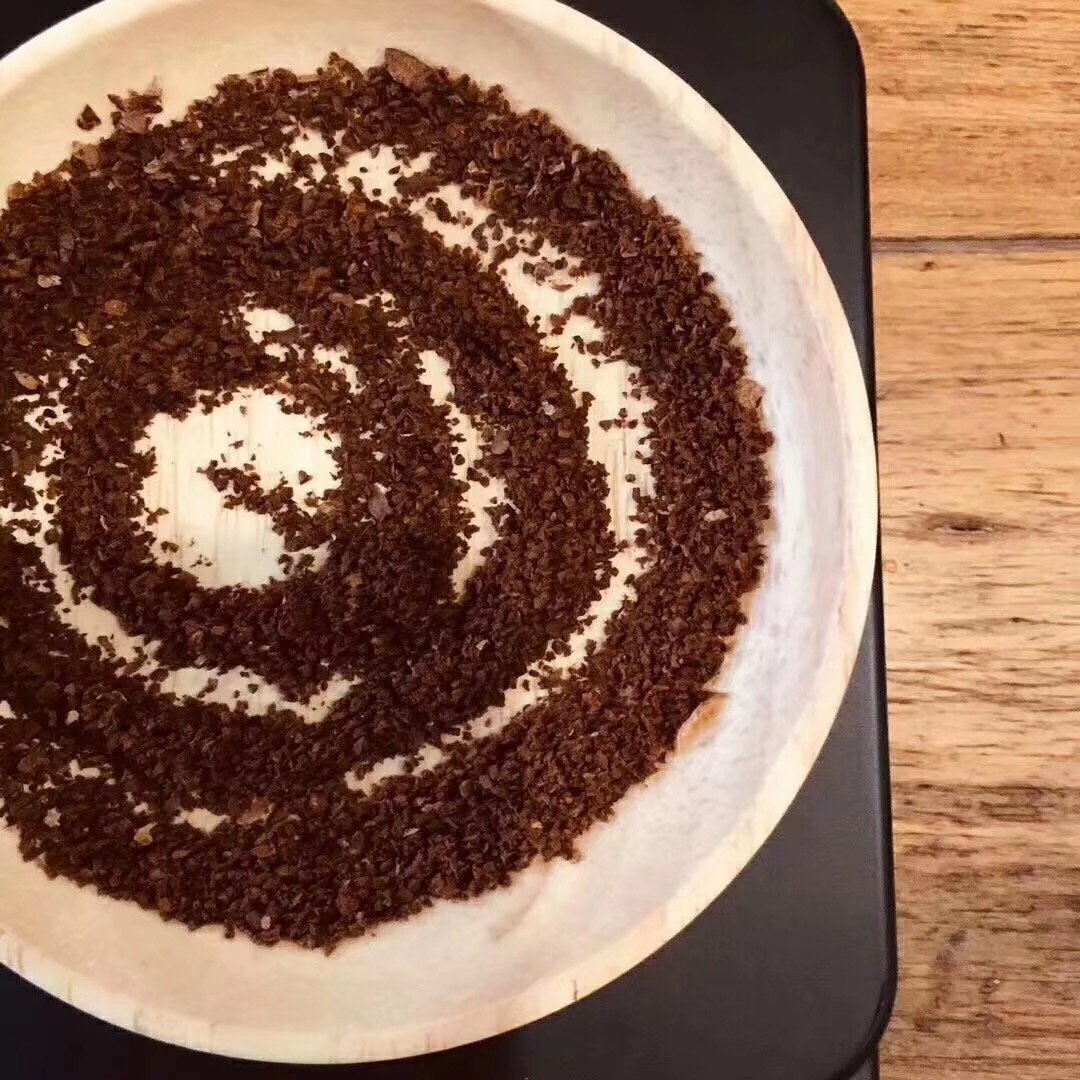
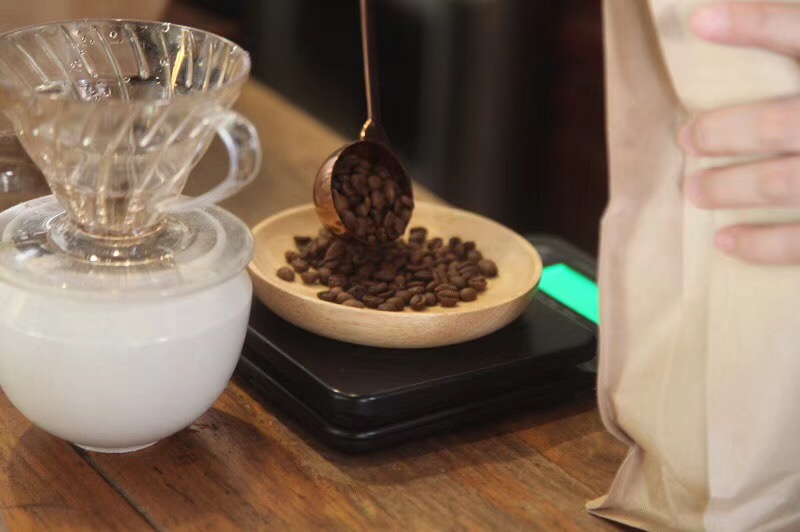
V60 dripper, 15 g coffee, grind 3.5, water-to-coffee ratio close to 1:15
30 g water for bloom, bloom time 30 s
When the water level drops, the flow follows the spiral ribs, concentrating the water. The action is like wringing a towel, squeezing the coffee particles in the water all at once. To make the most of this squeezing effect, the water level should not rise above the height of the coffee bed during pouring.
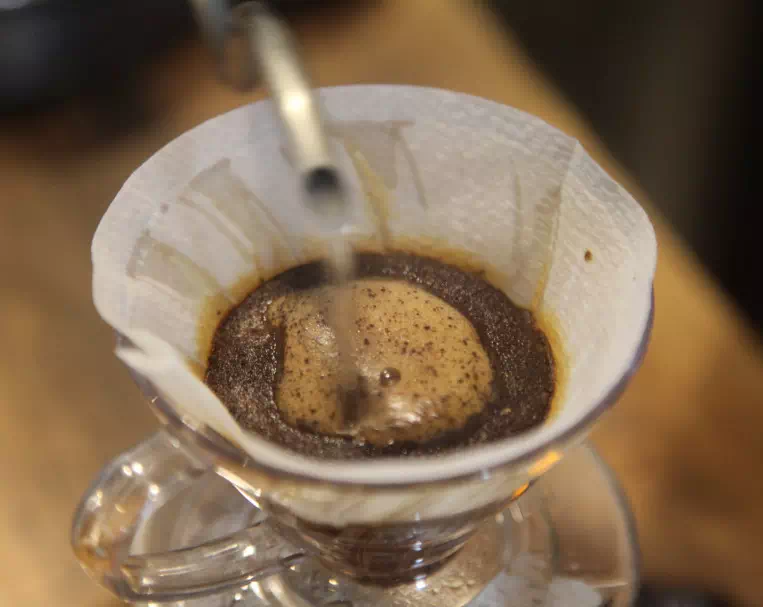
The second pour also starts from the center, injecting a small stream of water to the bottom of the coffee bed. To concentrate the penetrating power of the stream, keep the circular movement small — about the size of a one-yuan coin — and then circle outward. From the second pour on, watch the water amount and try not to let the level exceed the height of the coffee bed; when the stream comes close to the filter paper, you can stop pouring.
Segmented Brewing:
Pour water to 120 ml, stop, then slowly pour to 225 ml — that is, 30-120-75. Total extraction time is about 2 minutes.

Other Drip Brewing Recommendations:
French Press: recommended grind 3.5-4, water temperature 90°C
AeroPress: recommended grind 2.5, water temperature 90°C
Pour-over: grind 3.5, water temperature 91°C
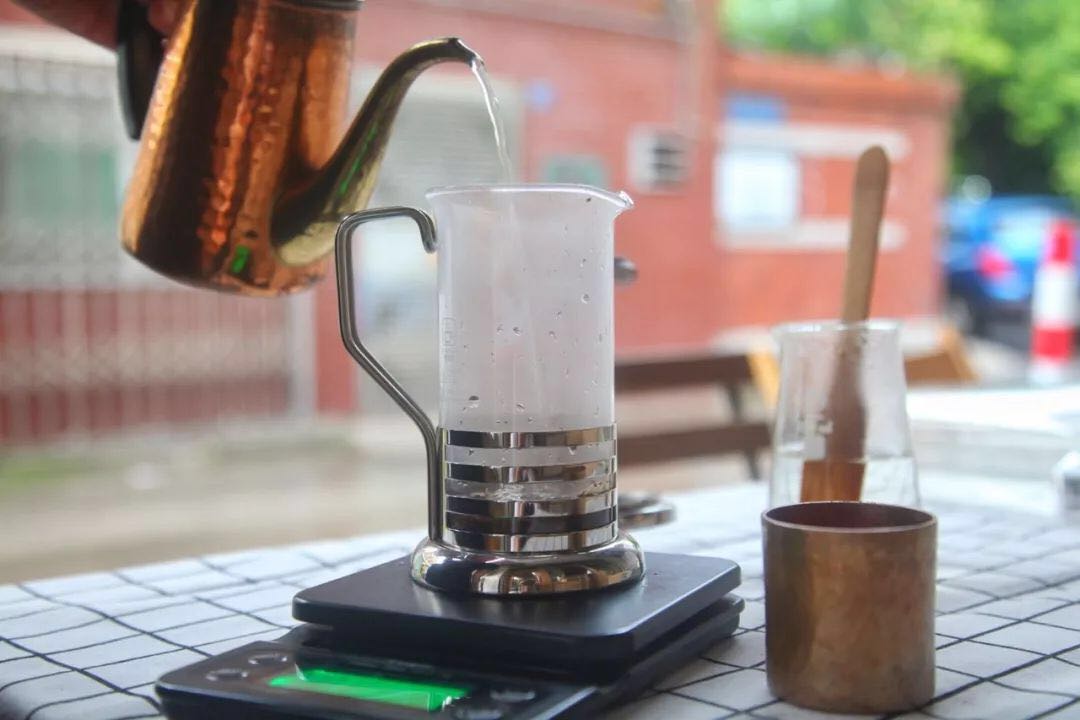
French Press Method:
1. Weigh 20 g of beans and grind to coarse-sugar size; the coffee-to-water ratio is 1:15.
2. Preheat the French press with hot water, then pour it out; add the coffee grounds to the press.
3. Pour in 89°C hot water and start timing. After pouring, stir gently to make sure all the grounds are wet.
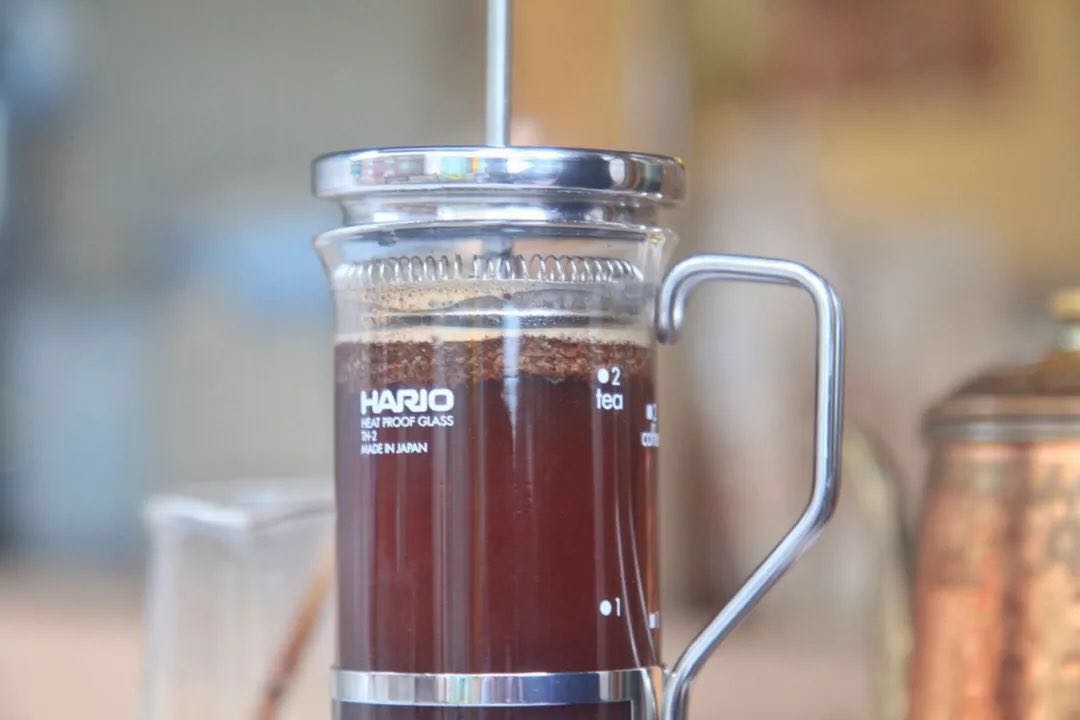
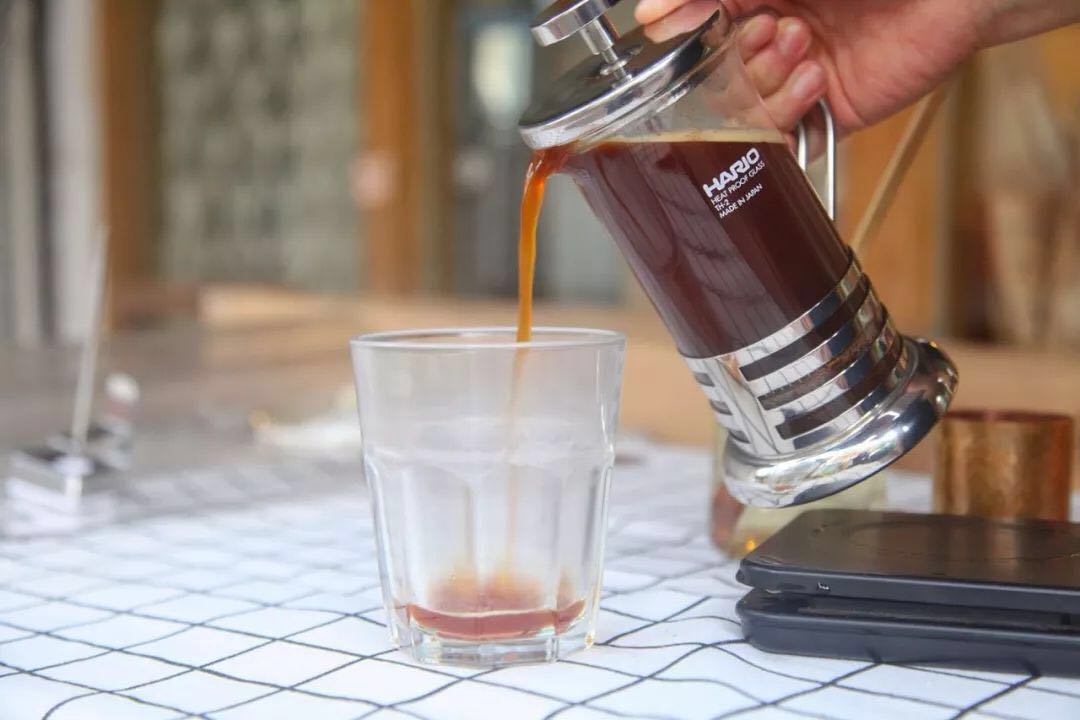
4. After four minutes, slowly press the plunger down and pour it out.
FrontStreet Coffee Kenya Natural French Mission Bourbon Thika Chania Estate Fresh Specialty Beans
FrontStreet Coffee Recommendation
Natural processing is the oldest way of handling coffee and remains the most widely used method today. Ripe cherries are spread out and dried in the sun until the moisture content reaches the target, then hulled to reveal the beans. Because the fruit stays intact through drying, naturally processed coffee tends to have a heavier body and richer ripe-fruit notes. FrontStreet's Yirgacheffe Red Cherry natural is a case in point: only fully ripe red cherries are selected and spread on raised drying beds, lifted off the ground to keep pests, dust, and bacteria away, and turned at intervals for even drying. Roasted medium-light, it keeps its elegant florals and bright acidity while adding pronounced tropical fruit, a full fermented character, and sweetness.
FrontStreet's Huakui is the other natural that deserves mention. Its exceptional high-altitude growing site, fertile soil, and carefully selected ripe cherries give the coffee a delicate fragrance, and the classic sun-drying of Sidamo brings out its graceful aromatics. Huakui comes from Ethiopia, where coffees tend to be bright, floral, and fruit-forward with pronounced acidity, so it is roasted medium-light; the cup shows a light ferment, florals, citrus, and mango, with a richer, more complex mouthfeel, honey sweetness, cocoa, a touch of spice, a thick body, and a lingering finish. If you want to taste natural processing in Yunnan, FrontStreet's 2013 Yunnan small-seeded coffee is grown and produced on the FrontStreet estate, where the dry and rainy seasons keep the skies clear as the cherries ripen. Long sun exposure sharpens its nutty character, balances its sweet-tart profile, and adds more sweetness than a conventional washed coffee, with berry-like acidity laced with dried apricot, brown sugar, and a light tea note.
For naturally processed beans from elsewhere, FrontStreet's Brazil Queen Estate shows another face of the method. Rather than the pulped-natural style common in Brazil, the estate dries whole cherries on raised racks, turning them constantly so every bean meets the sun, then finishes with mechanical drying to reach the right moisture content. The result is stable, keeps well, and pours with the fresh sweetness of sugarcane juice, black tea, soft fruit sweetness, clear nut and chocolate aromas, balanced and gentle acidity, and a clean, faint bitterness. And for a striking modern example, FrontStreet's Colombia Sidra uses a double anaerobic natural — two rounds of oxygen-free fermentation before drying. Fresh cherries go whole into sealed tanks that are flooded with carbon dioxide to push out oxygen, creating an anaerobic environment that slows the breakdown of sugars in the mucilage and the fall of pH, giving the beans greater sweetness, more complexity, and a silky texture. The cup bursts with tropical fruit, showing passion fruit, apricot, preserved fruit, grape, and an almond-like finish.
Important Notice :
FrontStreet Coffee is a long-established specialty coffee roaster in Guangzhou China, selling freshly roasted beans from its own farm in Yunnan as well as dozens of carefully selected single-origin beans from around the world for both pour-over and espresso. The products deliver consistently excellent quality and great value, with shipping within 24 hours. Guangzhou's FrontStreet Coffee shop is recommended by many coffee lovers, and the beans are now available online at the Tmall 。
FrontStreet Coffee has moved to a new address:
FrontStreet Coffee Address: 315,Donghua East Road,GuangZhou
Tel:020 38364473
 Scan and follow the En Gafei WeChat official account. Please indicate that the reprint comes from "En Gafei".