How to Extract a Balanced Espresso? Why Doesn't Your Espresso Taste Good?
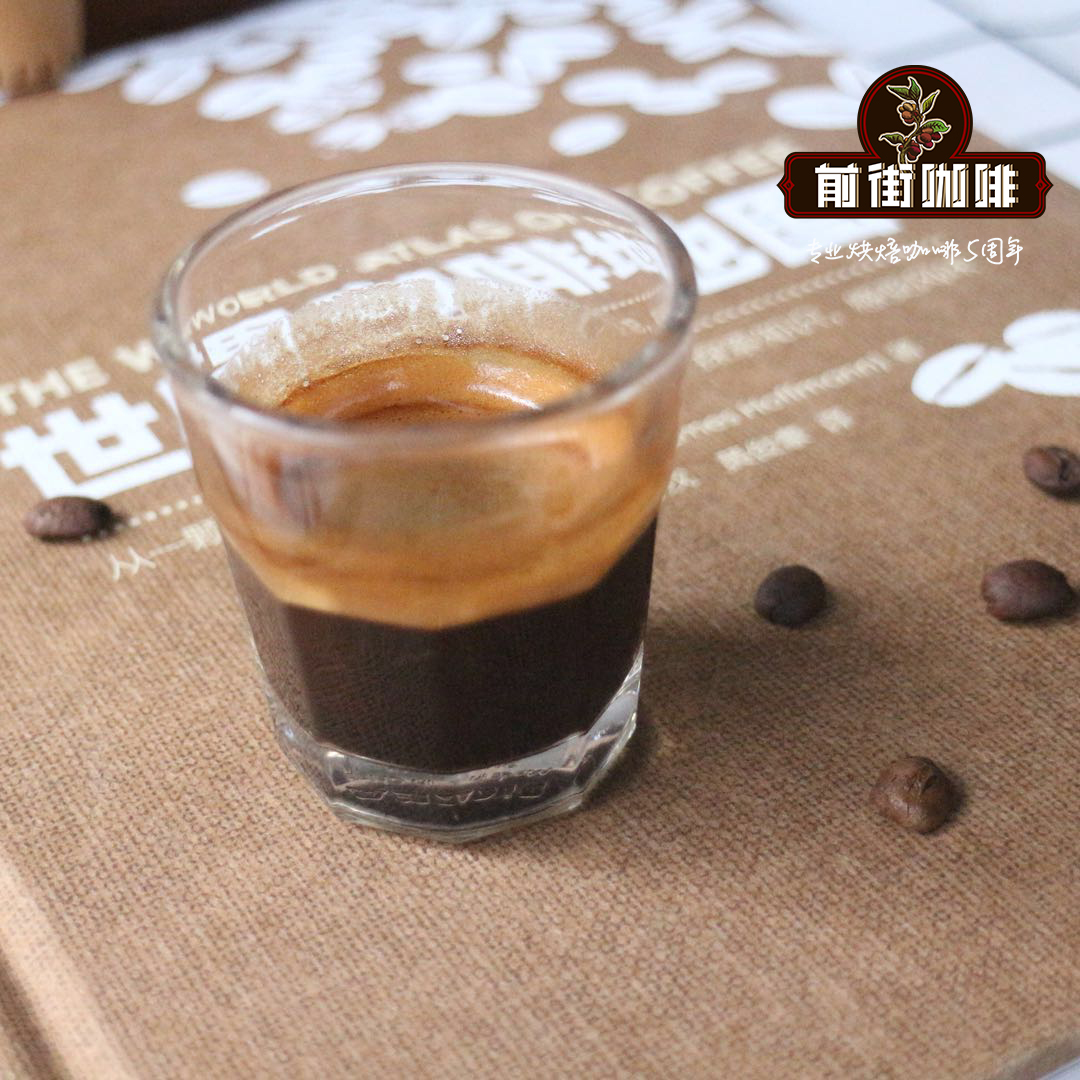
Understanding Espresso Extraction: The Balance of Flavors
We have covered the basic sequence of espresso extraction before, but in reality the compounds inside the puck are released "simultaneously." Acidity, sweetness, saltiness, bitterness, astringency, oils, aroma and mouthfeel all emerge at once - some simply come out faster than others. The moment you stop the water flow and no more liquid drips into the cup, the coffee's flavor profile is locked in.
The Common Problem: Too Sour or Too Bitter
Any experienced barista or enthusiast knows that espresso tends to land either too sour or too bitter. You try everything and it still does not taste good, and sometimes you get a muddled sour-and-bitter mix in the same shot. So what exactly is going on?
Understanding Extraction Time and Flavor
Think about the idea of a "sequence" in extraction. When a shot tastes too sour, it is usually because the extraction time is too short or the grind is too coarse, so the coffee flows too fast and hits your target yield too early. The grounds spent too little time in contact with hot water, were not fully extracted before you stopped the shot, and the cup is naturally very sour.
If the extraction runs too long - past 30 seconds to reach your set yield - the cup usually turns bitter and astringent, with an unpleasant flavor. At that point you need to shorten the time or reset the grind slightly coarser, so extraction stops at the ideal flavor point.
Finding the Sweet Spot: Practical Adjustments
If a 15-second espresso is too sour, pull it for 20 seconds. If 20 seconds is still too sour, pull it for 25 seconds.
If a 30-second espresso is too bitter, pull it for 25 seconds. If 25 seconds is still slightly bitter, pull it for 20 seconds.
Whether you shorten the time or make the grind coarser, you can dial in an espresso quite easily.
It really is that simple.
The Challenge of Consistency
Of course, another problem always follows: the yields will not match, so how do you consistently produce nearly identical cups?
A Personal Approach to Consistent Espresso
My own method is this: first, lock in the dose. If it is 15 grams, then use 15 grams every single time. Then set a fixed extraction volume - the amount of espresso you want in the cup. Next, dial the shot in to its sweet spot and stop extraction once the timing is right. Done this way, you can at least produce a more balanced, better-tasting espresso, and whether you are building a cappuccino or a latte, it will perform beautifully.
FrontStreet Coffee Recommendation
Getting a balanced, repeatable shot starts with the beans, and FrontStreet Coffee's Classic Blend was built precisely for espresso and moka-pot brewing. Following a traditional Mamba blend recipe, it delivers outstanding, dense crema that even a novice can pull on a non-professional home machine, with a full, mellow body that no one finds hard to like. If you prefer a nuttier, more budget-friendly everyday option, the Fine Blend - a combination of Brazil Cerrado and Colombia Huila - brings familiar nut, chocolate and caramel notes with moderate acidity. Pick either one and the timing and ratio advice in this article will pay off immediately in the cup.
Important Notice :
FrontStreet Coffee is a long-established specialty coffee roaster in Guangzhou China, selling freshly roasted beans from its own farm in Yunnan as well as dozens of carefully selected single-origin beans from around the world for both pour-over and espresso. The products deliver consistently excellent quality and great value, with shipping within 24 hours. Guangzhou's FrontStreet Coffee shop is recommended by many coffee lovers, and the beans are now available online at the Tmall 。
FrontStreet Coffee has moved to a new address:
FrontStreet Coffee Address: 315,Donghua East Road,GuangZhou
Tel:020 38364473
 Scan and follow the En Gafei WeChat official account. Please indicate that the reprint comes from "En Gafei".