What are the Flavor Differences Between Natural, Washed, Semi-Washed, and Honey Processed Coffee Beans?
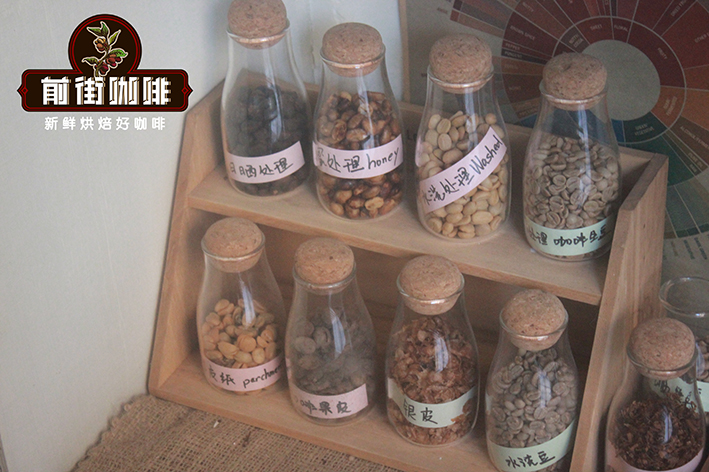
Turning coffee cherries into green beans is called coffee processing. The list of processing methods keeps growing, and FrontStreet Coffee's lineup basically covers every mainstream one — the shop even displays beans by process side by side for customers to compare. Here, FrontStreet Coffee walks through the four foundational methods: natural, washed, semi-washed, and honey.
The Structure of a Coffee Cherry
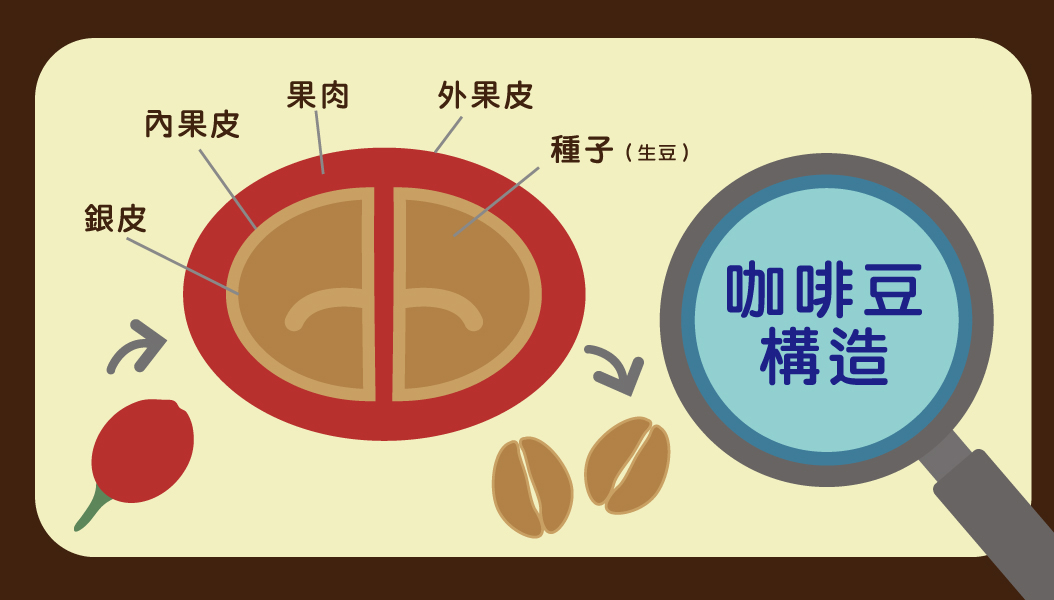
From the outside in, a coffee cherry consists of: skin, pulp, mucilage layer, parchment (seed coat), silver skin, and seed. The mucilage layer is about 1-2 mm thick — picture the translucent gel around tomato seeds — and it's stubborn to remove. The green beans we buy are actually the innermost seeds, sometimes still carrying a bit of silver skin.
Every processing method shares the same goal: strip away the fruit and keep the beans. Depending on cost and local conditions like climate, the path to that goal varies — and the path absolutely affects the outcome.
Natural Processing
The natural method is the oldest and the simplest.
Step 1: Removing Floaters
Pour freshly harvested cherries into a large water tank. Ripe, dense cherries sink; underdeveloped or overripe ones float. Those floaters must be removed.
Step 2: Sun Drying
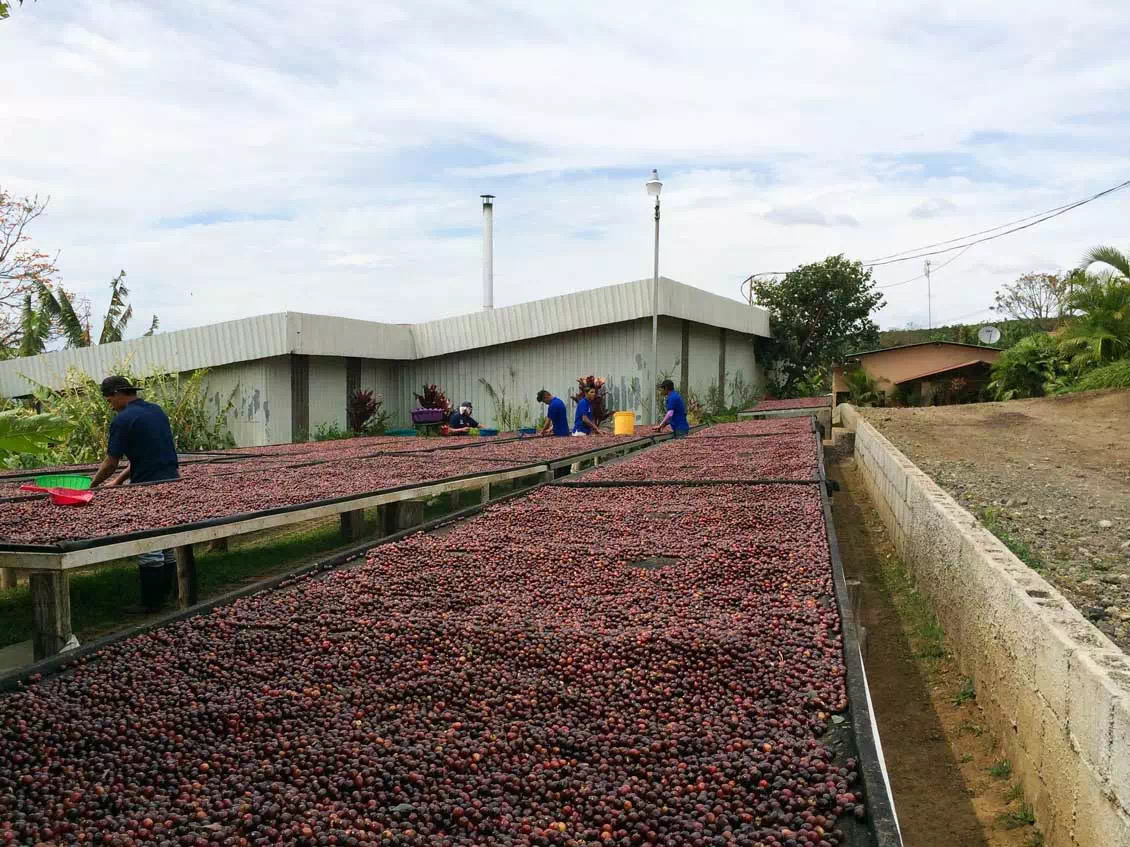
Next, the whole cherries — skin, pulp, and seed intact — are spread on drying patios and sun-dried to a moisture content of about 12%, which takes roughly two to four weeks depending on the local climate.
Step 3: Hulling
A hulling machine then strips away the dried skin, pulp, and parchment, revealing the green beans.
Advantages
1. Simple, with low processing costs.
2. The beans dry inside the fruit, absorbing its essence — the result is rich fruit aroma, pronounced sweetness, and excellent body.
Disadvantages
1. Some regions skip the floater-removal step, so quality is inconsistent.
2. During drying, the pulp can mold in humid weather and contaminate the beans.
3. Machine hulling inevitably chips and scars some beans.
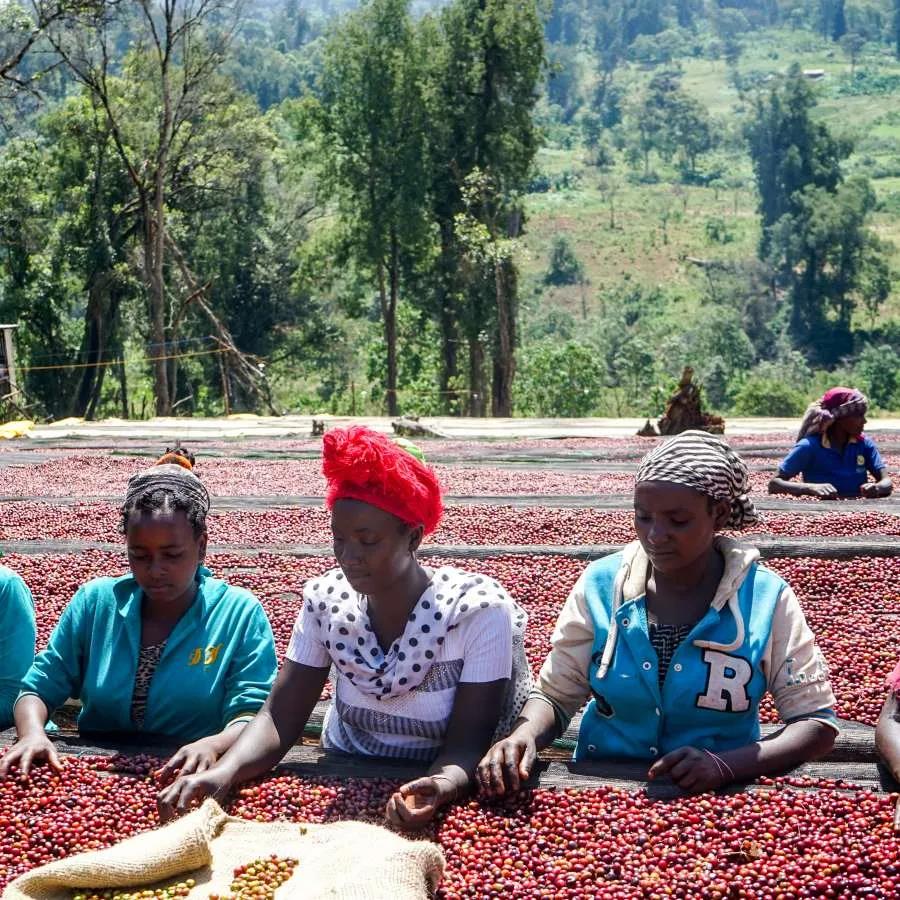
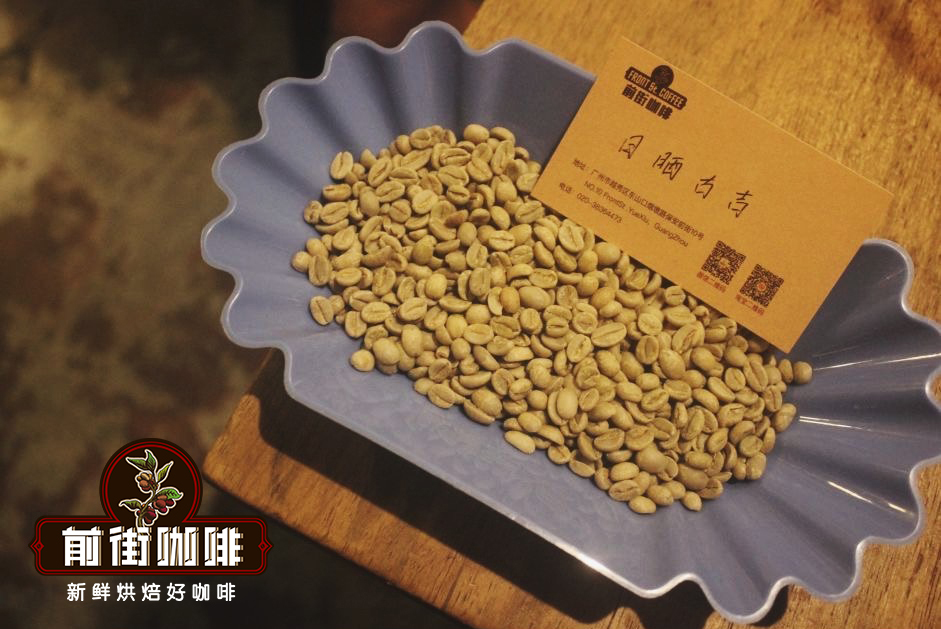
FrontStreet Coffee roasts and brews Ethiopian natural Guji as its showcase for this method.
FrontStreet Coffee Natural Guji GUJI NATURAL
Country: Ethiopia
Region: Guji
Altitude: 1800-2100 m
Processing: Natural
Variety: Local native varieties
Roast Profile
Preheat the roaster to 175°C, heat at 130, damper at 3. Turning point at 1'32". When the roaster temperature reaches 140°C, open the damper to 3.5, heat unchanged. At 155.6°C the bean surface turns yellow, the grassy smell fades completely, and the beans enter the drying stage. At 176°C, reduce heat to 110, damper unchanged.
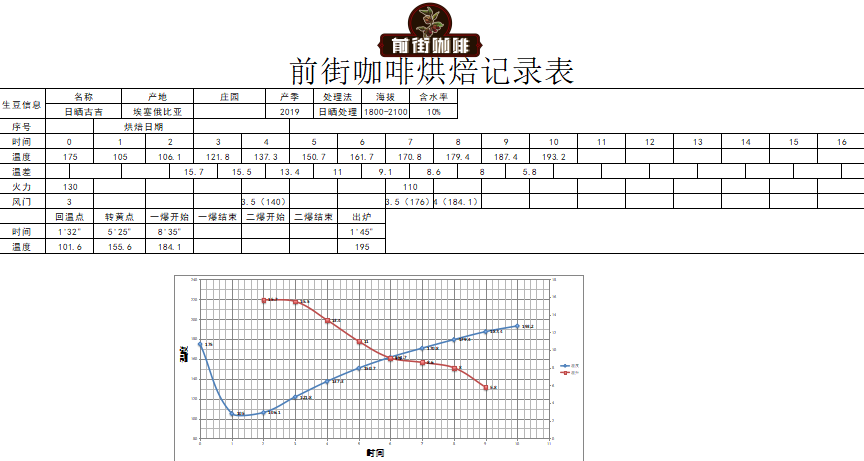
At 7'28", pronounced wrinkles and black spots appear on the bean surface, and the toast smell clearly shifts to coffee aroma — the prelude to first crack. Listen for it. First crack begins at 8'35"; open the damper to 4, develop for 1'45" after first crack, and drop the beans at 195°C.
Flavor: tropical fruit, lychee, citrus, caramel, cream.
Washed Processing
The washed method is the most common processing method today.
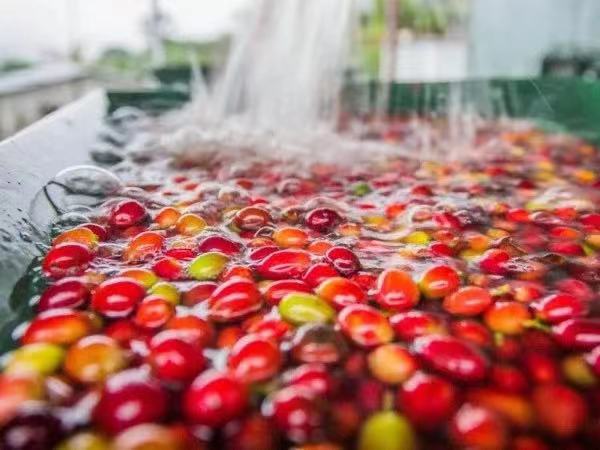
Step 1: Removing Floaters (same as natural)
Step 2: Removing the Pulp
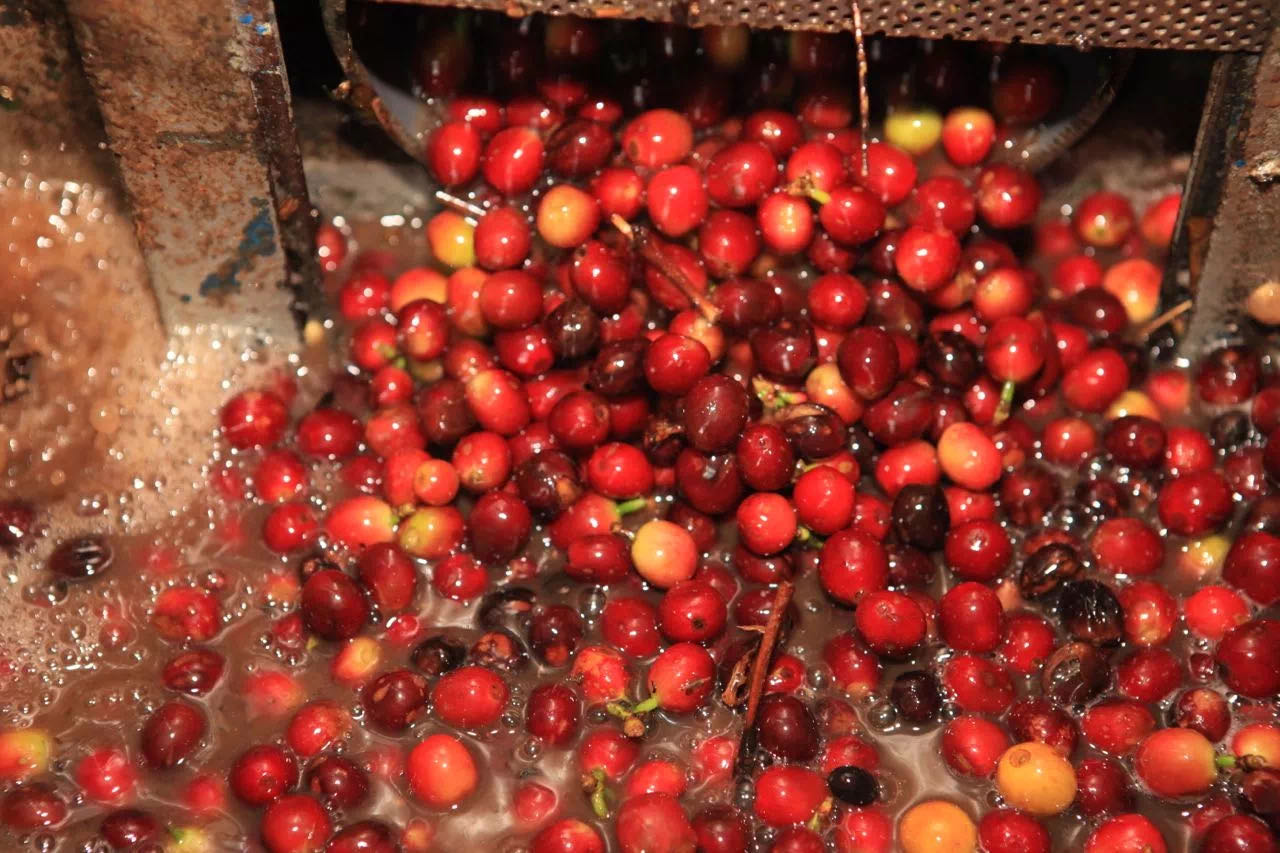
Fresh cherries go through a pulping machine that strips the skin and pulp. Underripe cherries, whose pulp won't separate cleanly, are screened out here. What remains after pulping is mucilage, parchment, and seed.
Step 3: Fermentation to Remove Mucilage
The pulped beans go into fermentation tanks. Despite the name, washed coffee doesn't literally wash the mucilage off — fermentation breaks it down biologically. Fermentation takes about 16-36 hours, with frequent stirring to speed the mucilage's separation from the seeds. Washed fermentation produces acids such as citric, malic, and acetic acid, and these penetrate the beans, which is why washed coffee tends to be more acidic than natural. Once fermentation is complete comes the actual washing — rinsing the beans clean.
Step 4: Drying
After washing, the beans are sun- or machine-dried to 12% moisture. Because the pulp is already gone, there's no mold risk like in natural processing. The dried parchment coffee is also softer than dried-in-fruit naturals, so hulling is straightforward.
Advantages
1. Beans are deep green, uniform, and attractive — good market quality.
2. Acidity and brightness beat naturals, and the flavor is cleaner.
Disadvantages
1. Producing 200 g of green beans requires washing 1 kg of cherries and consumes roughly 2-10 liters of clean water — expensive.
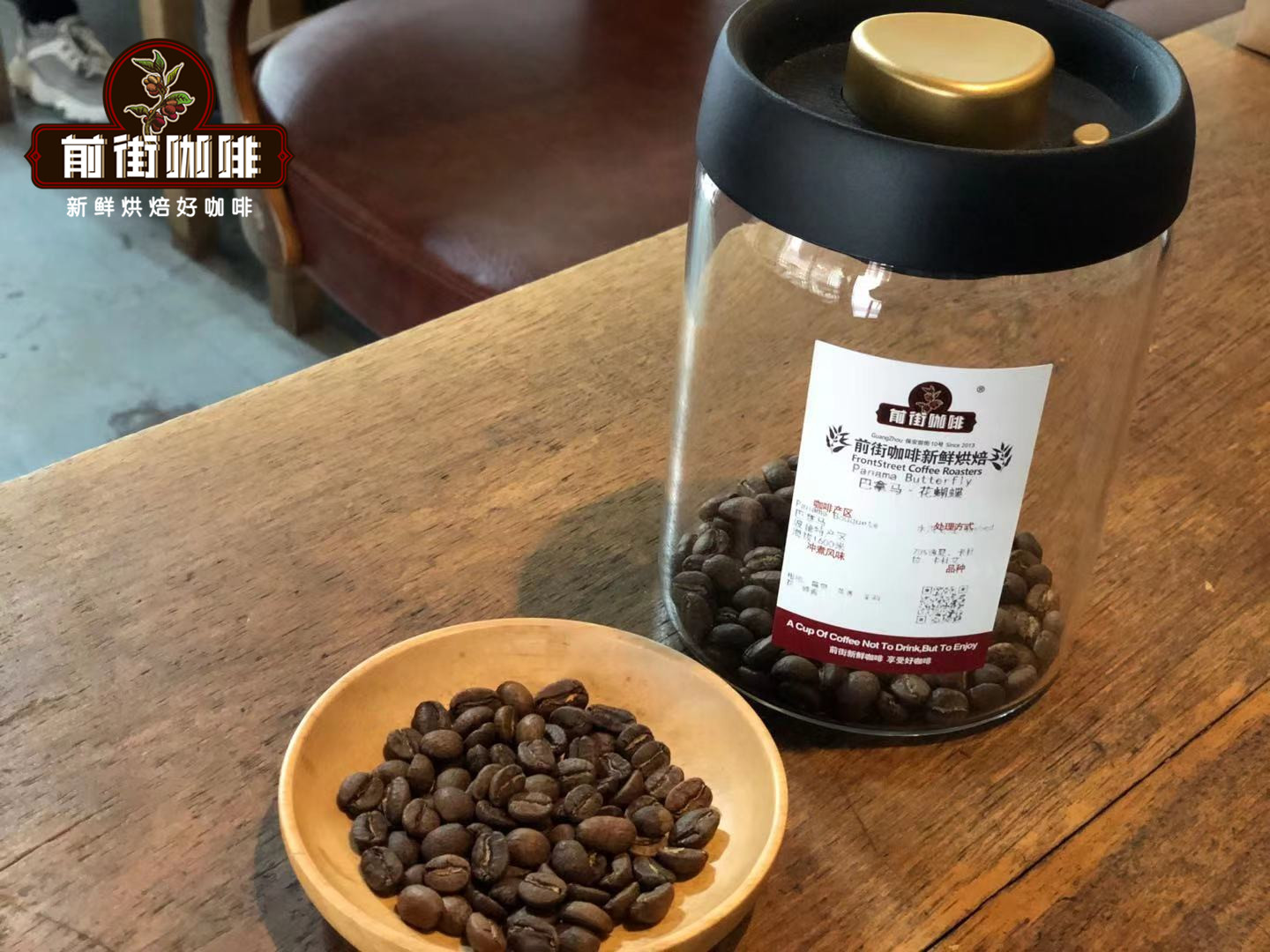
FrontStreet Coffee Panama Boquete Washed Mariposa
Region: Panama Boquete
Varieties: 70% Geisha, 30% Caturra & Catuai
Altitude: 1600-1650 m
Processing: Washed
Roast Profile
Yangjia 800N semi-direct-fire roaster (550 g batch).
Preheat to 200°C; after 30 seconds set heat to 160, open the damper to 3, turning point at 1'31", hold heat. Yellowing at 4'50" as the grassy smell disappears — drying stage. At 165°C reduce heat to 130, damper at 4.
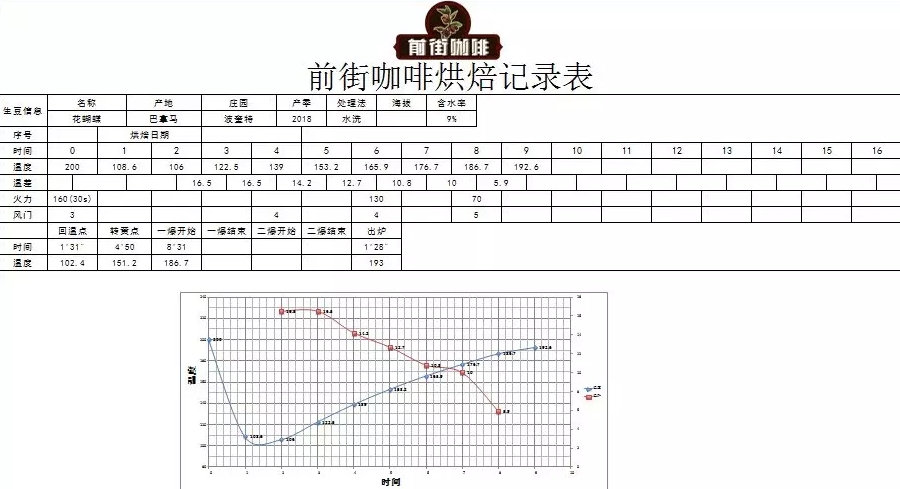
At 7'50", drying completes; wrinkles and black spots appear and the toast smell turns to coffee aroma — the prelude to first crack. First crack begins at 8'31"; open the damper fully to 5 and reduce heat to 70. Development time after first crack is 1'28", dropping at 193°C.
Flavor: citrus, jasmine, honey, berries. Overall clean, with prominent florals and citrus acidity.
Semi-Washed Processing
An improved method that cuts water use dramatically compared to traditional washed processing.
Step 1: Removing Floaters (same as washed)
Step 2: Removing the Pulp (same as washed)
Step 3: Mechanical Mucilage Removal
Instead of fermenting the mucilage away, a demucilager strips it mechanically.
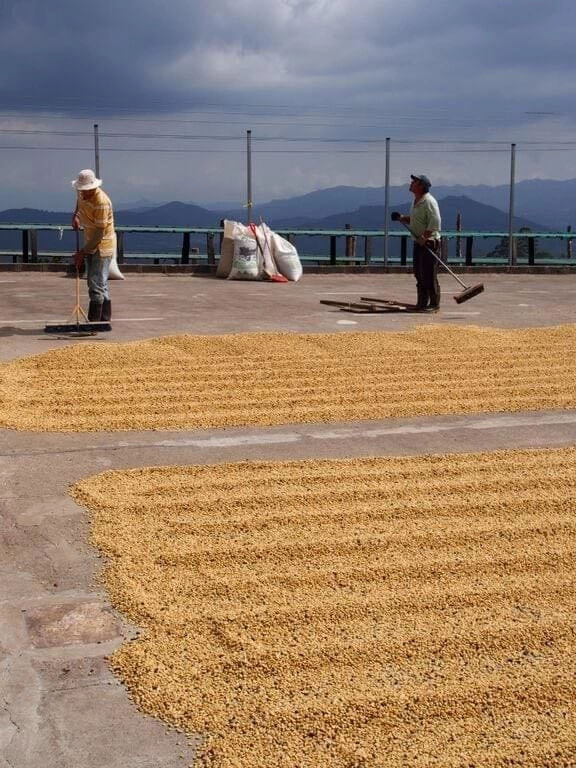
Step 4: Drying
Sun- or machine-dry to 12% moisture. Semi-washed flavor lands between natural and washed: less acidic than washed, less sweet than natural.
Advantages
It delivers washed-style cleanliness without the huge water demand.
Disadvantages
Though a hybrid of washed and natural, its workflow is just as labor-intensive as full washed processing.
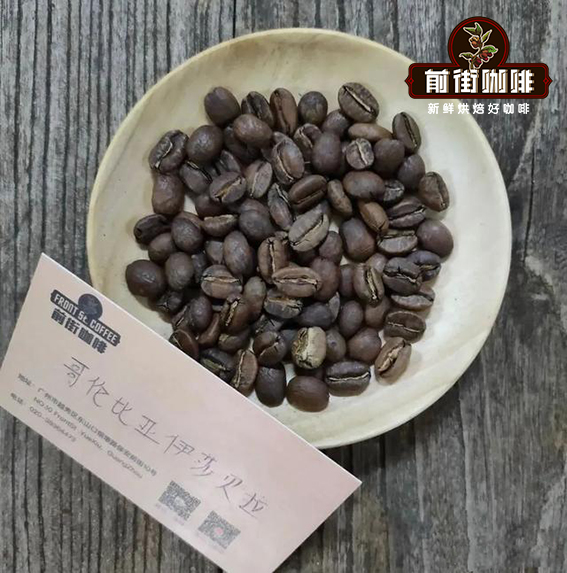
Colombia Isabella
Country: Colombia
Region: Huila
Variety: Pink Bourbon
Processing: Semi-washed
Altitude: 1760 m
Roast Profile
Preheat to 180°C, damper at 3, heat at 120; turning point at 1'42". At 140°C hold heat and open the damper to 4 — the beans yellow, the grassy smell vanishes, and the drying stage begins. At 176°C reduce heat to 100, and at 180°C to 70, damper unchanged.
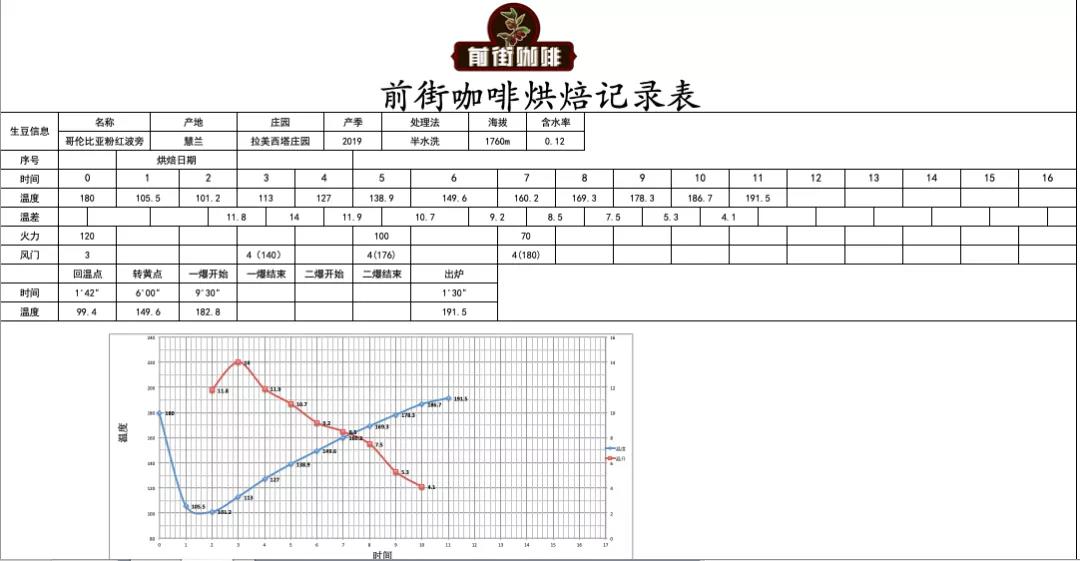
At 8'17", wrinkles and black spots appear and the toast smell clearly turns to coffee aroma — the prelude to first crack. First crack begins at 9'30"; open the damper to 5 (ease the heat down carefully — don't cut it so low that the crack dies), develop for 1'30" after first crack, and drop at 191.5°C.
Flavor: citrus, berries, and cherry tomato on entry; with cooling, honey sweetness and a floral aftertaste, in a smooth, clean cup.
Honey Processing
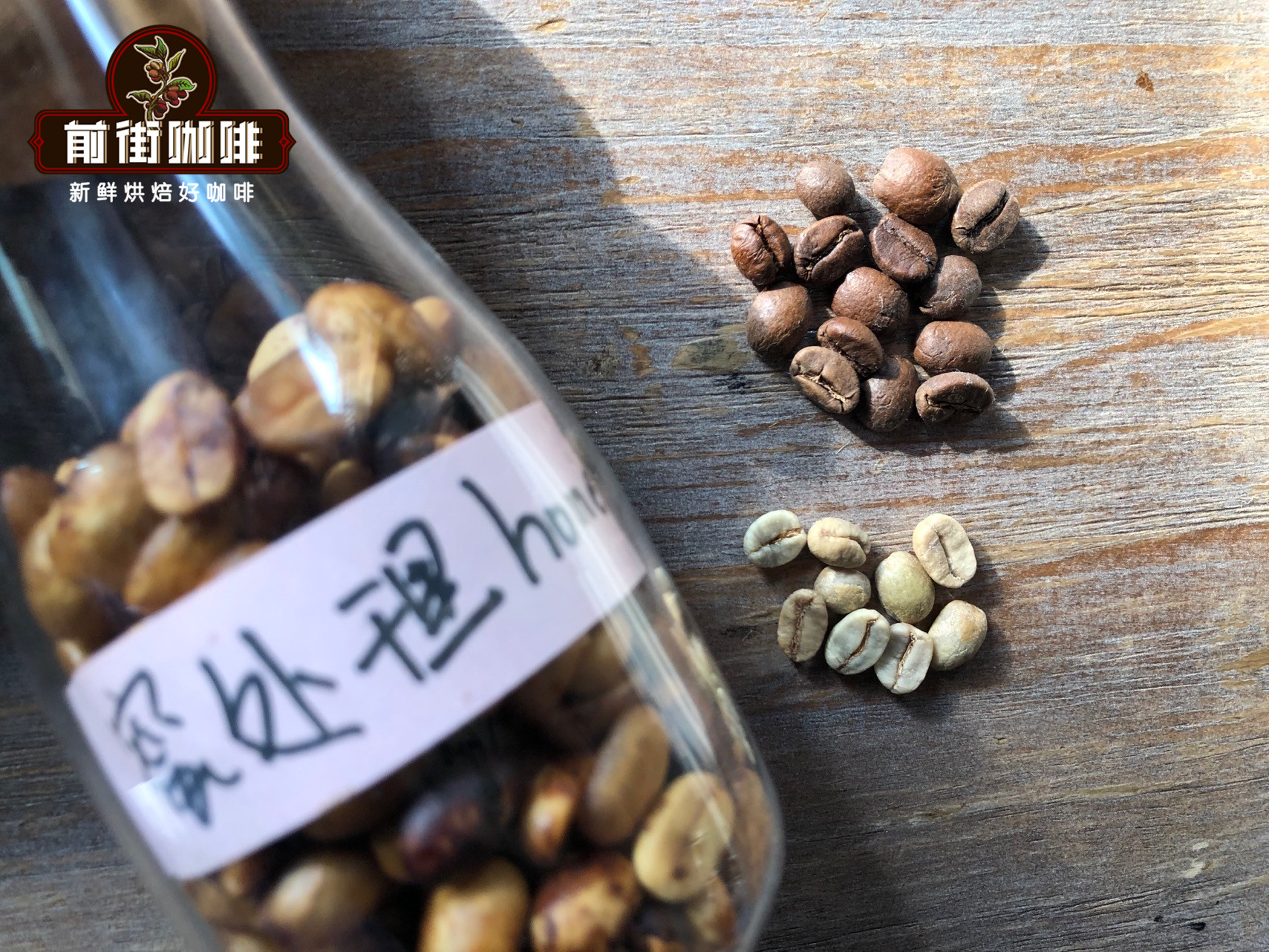
What is honey processing, exactly? Its original English name is "pulp natural." Like washed processing, it removes the cherry's skin — but the sticky mucilage layer underneath is kept. Rather than fermenting it off, you let that layer dry directly, then hull away the dried mucilage and parchment together.
FrontStreet Coffee ran three roast profiles through Panama Boquete honey-processed Geisha to compare their flavors and mouthfeel.
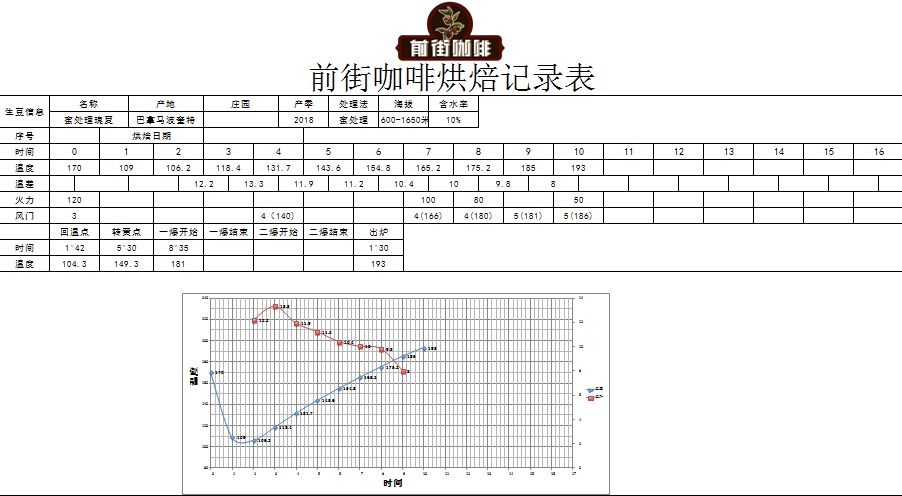
Profile One
Charge temperature 170°C, yellowing point 5'30", first crack at 8'35" at 181°C, develop for 1'30" after first crack, drop at 193°C.

Agtron whole-bean value 78.2 (left image), Agtron ground value 86.4 (right image), roast delta 8.2.
Profile Two
Charge temperature 170°C, yellowing point 5'25", first crack at 8'52" at 181.3°C, develop for 1'45" after first crack, drop at 193.2°C.
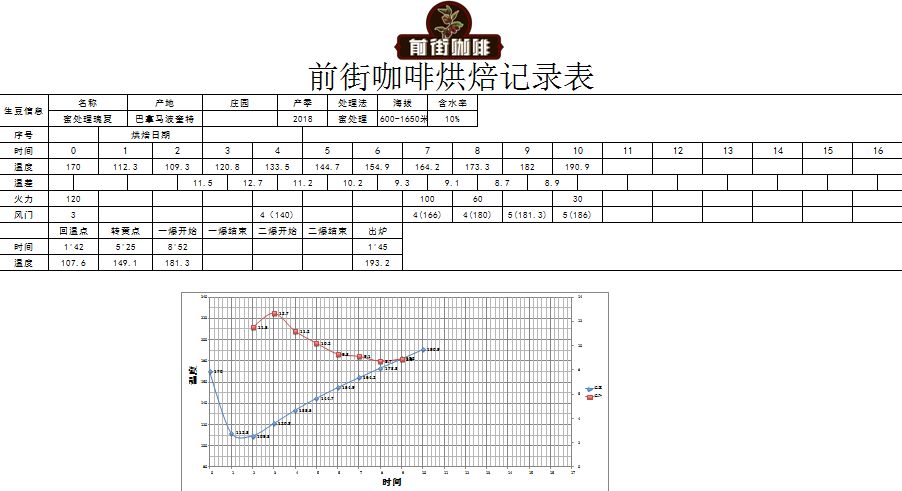

Agtron whole-bean value 76.5 (left image), Agtron ground value 86 (right image), roast delta 9.5.
Profile Three
Charge temperature 170°C, yellowing point 5'25", first crack at 8'37" at 182.5°C, develop for 1'28" after first crack, drop at 190.5°C.
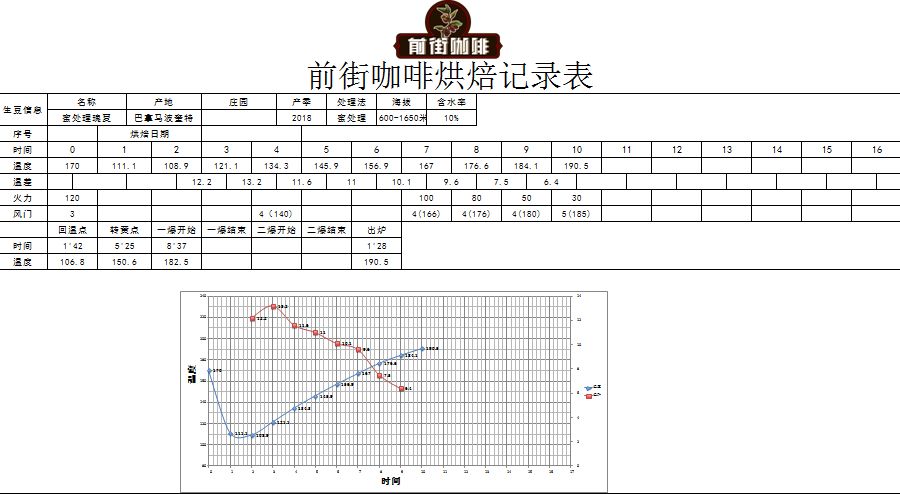

Agtron whole-bean value 82.6 (left image), Agtron ground value 90.3 (right image), roast delta 7.7.
Cupping Comparison
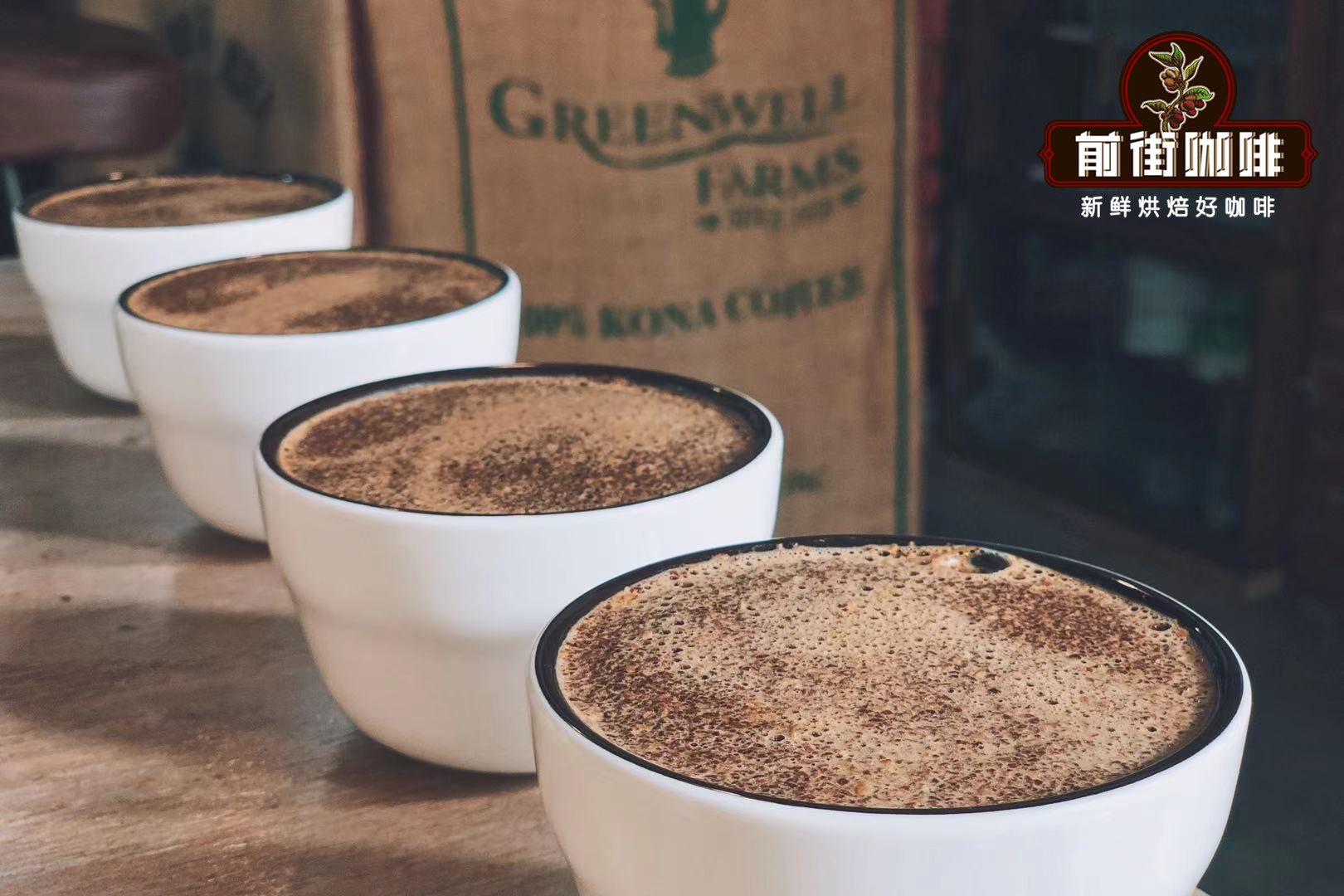
[Profile One] On the slurp: plum, lime, citrus, cream, with a green tea texture and a fermented note.
[Profile Two] On the slurp: sweet orange, plum, citrus, tropical fruit acidity, cream, light fermentation, and florals.
[Profile Three] On the slurp: lemon, plum, sweet orange, cream, with jasmine florals and a fermented note, finishing with an oolong tea texture.
After cupping, we felt Profile One lacked flavor concentration and had relatively thin layers. Profiles Two and Three both excelled in sweetness and acidity, so we brewed a pot of each with pour-over to see how they performed.

Parameters: water temperature 90°C; medium-fine grind, VARIO 5O (80% passing a standard 20-mesh sieve); dripper: Hario V60; coffee-to-water ratio 1:15.
Method: staged pours. Bloom with 30 g of water for 30 seconds, pour to 125 g and stop; when the water level nears the coffee bed, pour to 225 g and stop; when the bed nearly breaks the surface again, remove the dripper (timing starts at the bloom). Total extraction time: two minutes.
[Profile Two] Lime, plum, and pineapple acidity on entry, nuts in the middle, cocoa and nuts at the end, with a caramel aftertaste and a ginger flower finish.
[Profile Three] Fermented and floral aromatics; citrus and lemon acidity on entry, creamy sweetness in the middle, green tea texture at the end, with sucrose and honey in the aftertaste.
Why Honey Processing Is Hard
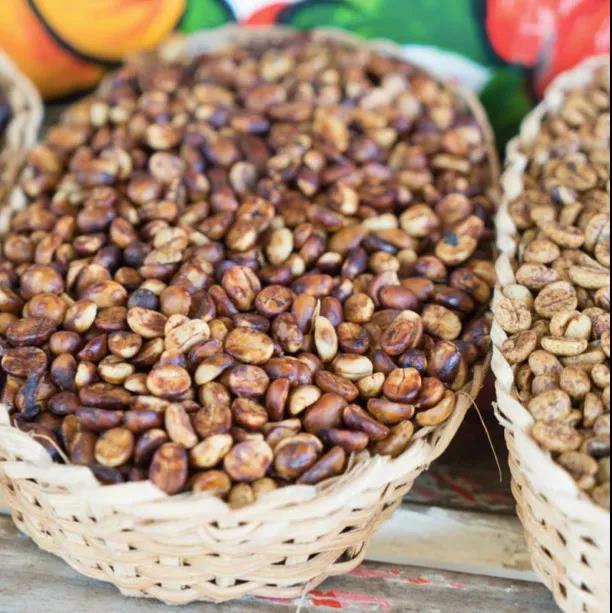
1. With the sticky mucilage still on the beans, the first days of drying demand high-frequency turning to keep the beans from clumping — far more manual labor than typical washed processing.
2. If drying can't be completed quickly, over-fermentation sets in easily.
3. Insufficient turning, a humid and cold environment, or a mucilage layer left too thick all invite mold. Some estates therefore use machines to control the thickness of the retained mucilage, so the beans dry faster and the cup stays more consistent.
4. Compared to washed processing, it needs more space and more drying days.
Best Practices
1. Ideally, get through the first 2-3 days of sun drying under constant monitoring. By then part of the mucilage has dried and the beans are far less likely to pick up unwanted fermentation flavors.
2. Use raised drying beds throughout to improve airflow and keep mold at bay.
3. If drying on a patio, the mucilage's slime seeps into the surface, so it must be scrubbed clean before the next batch goes down.

Flavor Characteristics
Done right, honey processing boosts body and sweetness (hence the name — "honey," or miel in Spanish), tames acidity, and refines the aromatics. But that's only when it's executed perfectly. Done poorly, you get harsh vinegar acidity and onion- or garlic-like off-notes. Even a well-executed honey coffee often carries some earthy tones, a less pristine aftertaste, and heavier off-flavors than a washed coffee. Overall, honey processing is a far riskier bet than washed processing.
FrontStreet Coffee Recommendation
Honey processing runs in the family tree: it evolved from Brazil's pulp-natural (semi-washed) method — FrontStreet's Cerrado is a classic example, all cream, peanut, nut, and chocolate — before Costa Rica refined it into the black, red, yellow, and white honey tiers based on how much mucilage is retained. For the deepest expression of that craft, FrontStreet Coffee's Costa Rica Blackberry uses black honey: almost no mucilage removed, dried under shade for at least two weeks, medium-light roasted, with floral aromatics and notes of grape, berry, and ripe blackberry.
For the cutting edge, try the FrontStreet Mozart, made with raisin honey processing — the fruit is pre-dried on raised beds for at least three days with 100% of the mucilage retained — yielding aromas of osmanthus, pineapple, and raisin whether you brew it as pour-over, cold brew, or moka pot.
Important Notice :
FrontStreet Coffee is a long-established specialty coffee roaster in Guangzhou China, selling freshly roasted beans from its own farm in Yunnan as well as dozens of carefully selected single-origin beans from around the world for both pour-over and espresso. The products deliver consistently excellent quality and great value, with shipping within 24 hours. Guangzhou's FrontStreet Coffee shop is recommended by many coffee lovers, and the beans are now available online at the Tmall 。
FrontStreet Coffee has moved to a new address:
FrontStreet Coffee Address: 315,Donghua East Road,GuangZhou
Tel:020 38364473
 Scan and follow the En Gafei WeChat official account. Please indicate that the reprint comes from "En Gafei".