How to Make Espresso? Italian Espresso Coffee-to-Water Ratio Grind Size and Taste Differences
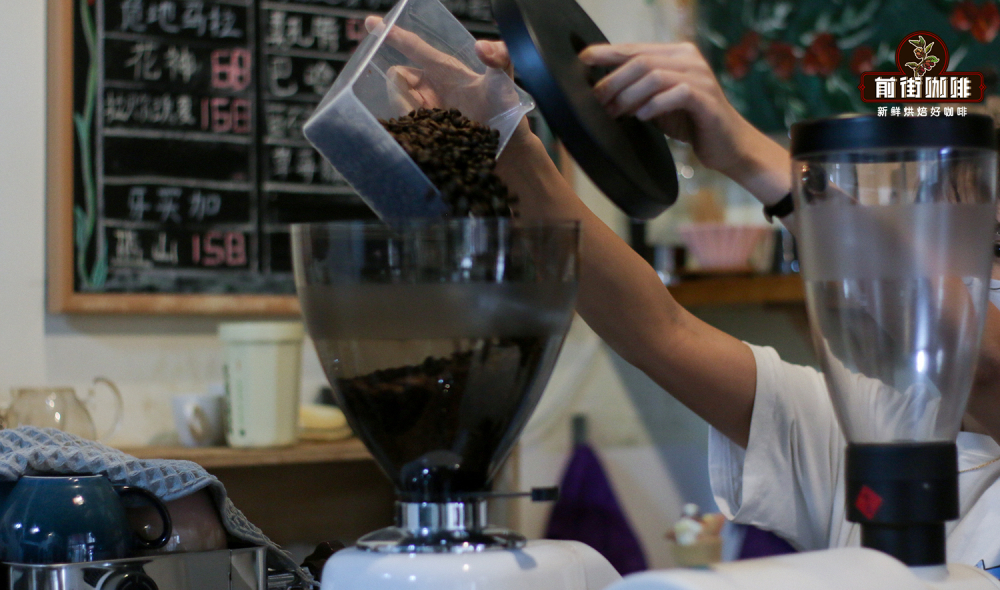
Every day before opening, FrontStreet Coffee dials in the espresso extraction parameters before anything else. Every Italian-style drink we serve uses espresso as its base, so a well-extracted shot is incredibly important.
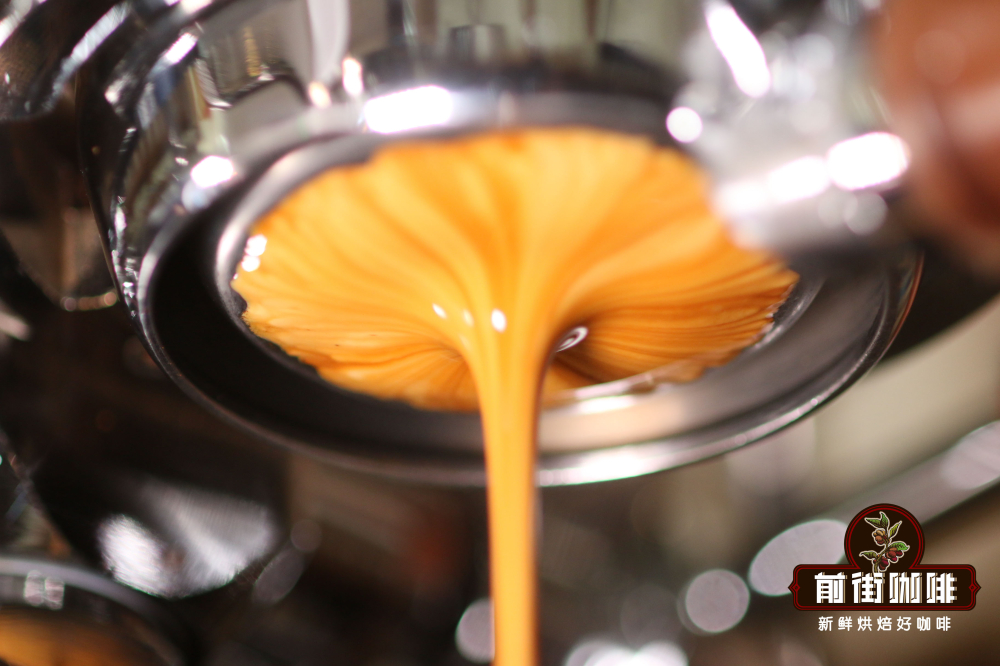
Espresso is made with fully automatic or semi-automatic espresso machines: hot water is forced through finely ground coffee under immense pressure at high temperature, rapidly extracting a liquid rich in crema, intense aroma, and full-bodied texture.
Perfecting Home Espresso Extraction
After enjoying well-made espresso at our café, some friends want to reproduce that quality at home and ask FrontStreet Coffee how to adjust espresso parameters and ratios. The whole point of setting extraction parameters is to make the coffee taste better. Home equipment may not match a commercial machine, but with the right coffee-to-liquid ratio, extraction time, and grind size, you can absolutely pull a delicious shot.
Before dialing in extraction, FrontStreet Coffee recommends choosing freshly roasted, medium-roasted blend beans with rich aromatics. Coffee flavor comes from origin, variety, processing method, and roast level, and roasters understand each bean's individual character. By blending beans from two or more origins and roasting them appropriately, they create espresso with more stable flavors, a balanced profile, and higher extraction tolerance.
The Importance of Crema and Bean Freshness
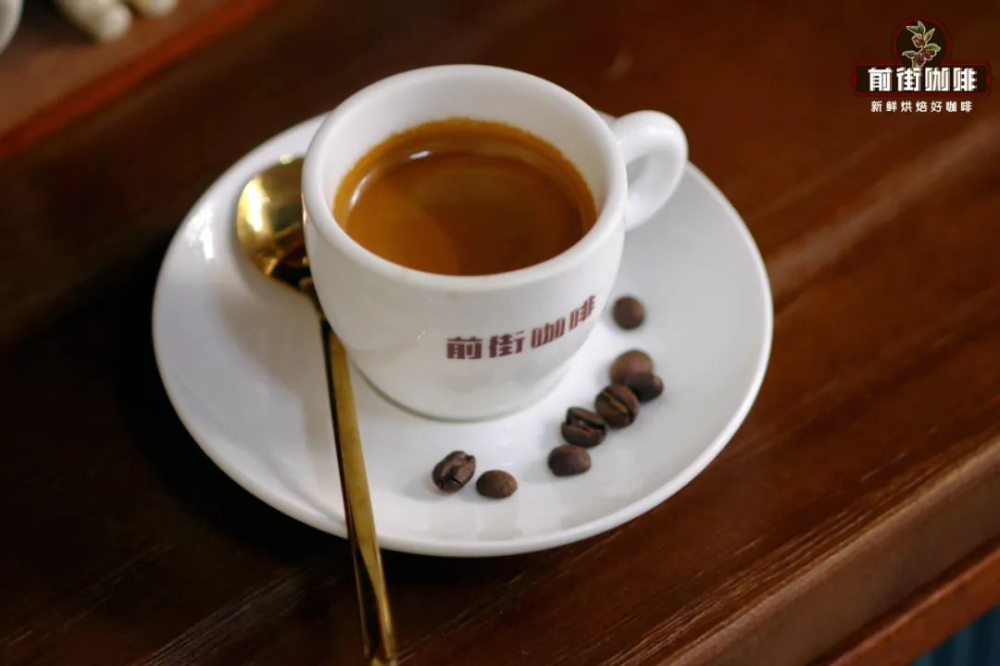
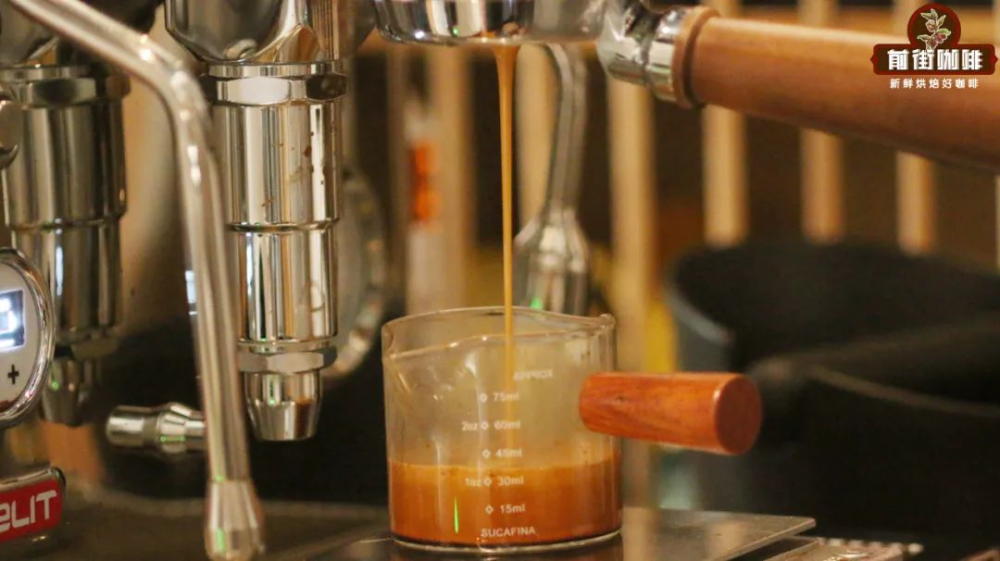
Every espresso FrontStreet Coffee serves wears a dense, hazelnut-brown crema on top, releasing intense wine-like aromas—that crema is the hallmark of freshly roasted beans. Under high-pressure extraction, carbon dioxide released from the grounds gets trapped by the coffee oils, forming those fine bubbles. Blended beans typically need 4-10 days of degassing after roasting before they hit their optimal flavor window, and darker roasts usually need a full 10 days. FrontStreet Coffee ships beans roasted within 5 days, so they may still be degassing when they reach you. We recommend resting them a few days before extraction.
Understanding Extraction Parameters
A delicious extraction pulls an appropriate amount of soluble aromatics into the cup. The Golden Cup Standard suggests that extraction rates between 18-22% produce the most flavorful coffee. To control how much gets extracted, you adjust the coffee-to-liquid ratio, the time, and the grind size.
The extraction ratio is the proportion of ground coffee to liquid weight. There is no single fixed number—it depends on the situation. Espresso ratios typically run from 1:1.5 to 1:2.5, and FrontStreet Coffee uses 1:2. Our café machine has 20-gram double portafilters: 20 grams of grounds extracted into 40 grams of liquid, fine-tuned daily according to how the shots are tasting.
Increasing or decreasing the dose changes the density of the coffee puck, which affects flow rate. More coffee means a denser puck, a slower flow rate, a longer extraction time for the same liquid weight, and a more concentrated shot with a higher extraction rate. In practice, make small adjustments guided by flow rate and flavor.
Time and Grind Size Optimization
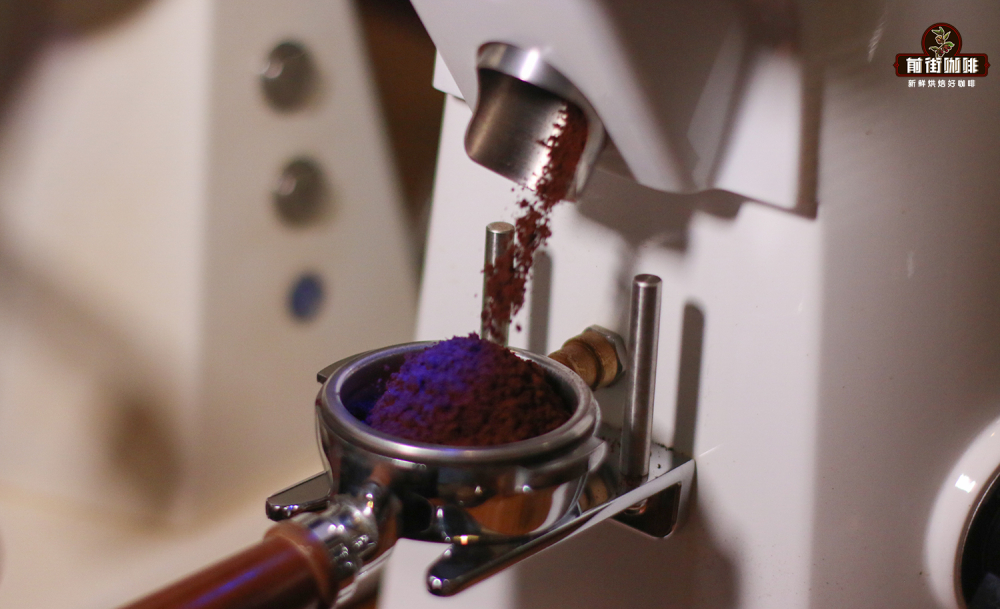
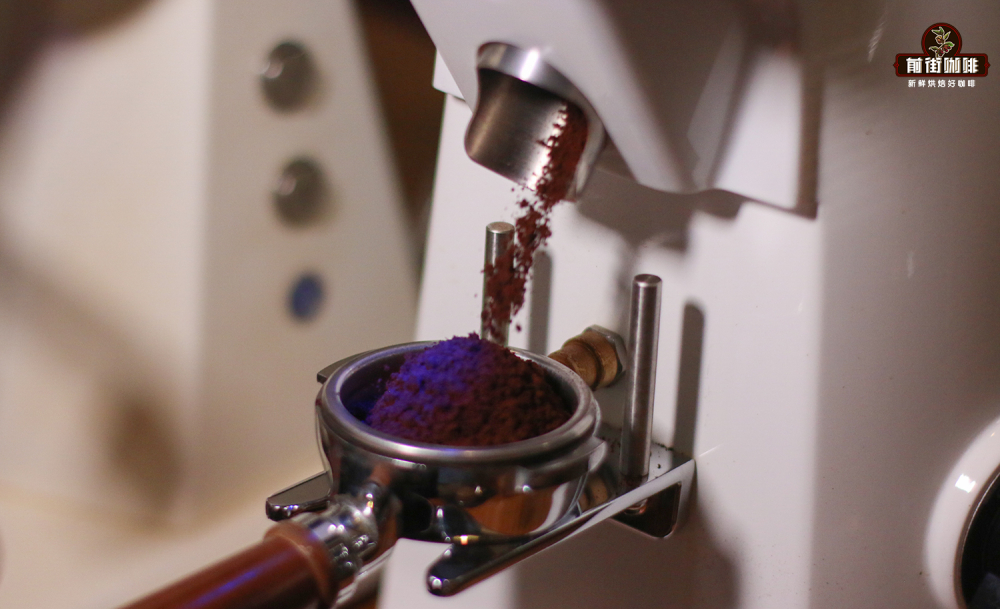
During extraction, with everything else held constant, a shorter time dissolves fewer coffee compounds and a longer time extracts more. With the coffee-to-liquid ratio fixed at 1:2, controlling extraction time between 25-30 seconds by adjusting grind size and dose is the fastest way to dial in espresso.
Because espresso amplifies everything about a coffee, the grind size requirement is extremely strict and adjustments are very fine. It is nearly impossible to judge fineness by eye—usually it shows up in flow rate and flavor. Grind too coarse, and the particles are larger, the puck more porous, the water rushes through, and the shot under-extracts into something weak and sour. Grind too fine, and the shot over-extracts into bitter, harsh flavors with a sharp, astringent mouthfeel.
FrontStreet Coffee's Signature Blend
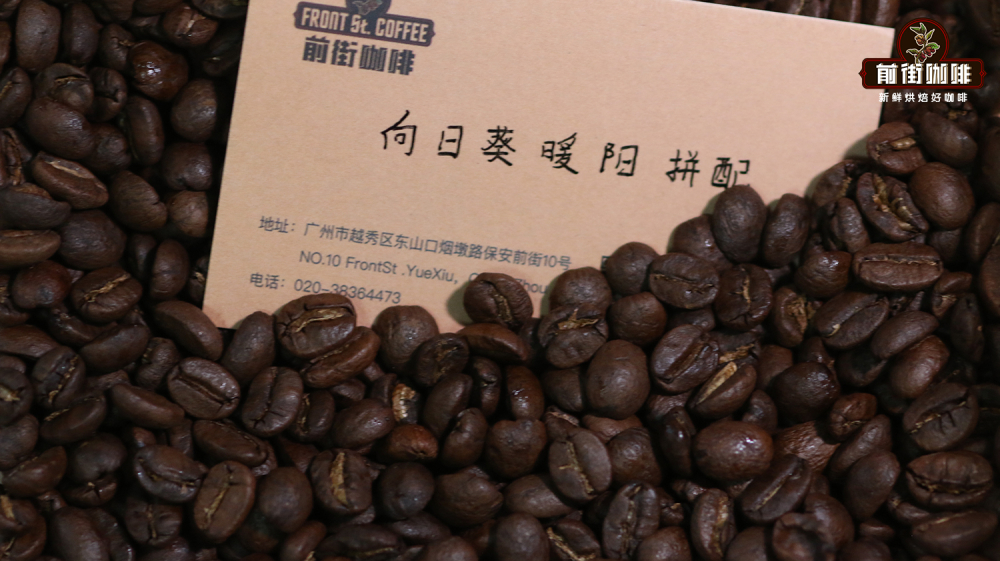
Friends who have ordered espresso at FrontStreet Coffee know we always use our house-roasted "FrontStreet Sunflower Warm Sunshine Blend," composed of 30% FrontStreet Yirgacheffe Natural Red Cherry and 70% FrontStreet Honduras Sherry.
FrontStreet Coffee uses 20 grams of grounds at a 1:2 ratio to extract 40 grams of liquid at 9 bar pressure, with extraction time controlled at 30 seconds.
The shot shows rich whiskey-like aromas with berry-like acidity. As it cools slightly, vanilla and cream emerge, followed by a dark chocolate finish. Overall it is well balanced, with an intense yet smooth mouthfeel.
FrontStreet Coffee Recommendation
If you are building a home espresso setup, FrontStreet Coffee's espresso bean lineup gives you a clear path. For the traditional style—think Americanos and lattes with wild, full-bodied depth—start with the FrontStreet Coffee Classic Blend or the FrontStreet Coffee Commercial Blend. Both build on a time-honored Italian formula with a small share of robusta, so extraction yields butter, nuts, spice, dark chocolate, and toast aromatics along with a thick, explosive golden crema that makes latte art effortless.
If you are drawn to espresso with nut characters—almond, walnut, macadamia—the FrontStreet Coffee Premium Blend and the FrontStreet Coffee Black Cocoa Blend should be first on your list. Both carry a large proportion of Brazilian coffee, giving a comfortable sweet-bitter balance and a creamy peanut fragrance that glides across the palate. FrontStreet Coffee's Premium Blend adds Colombia's nut, chocolate, and caramel notes with a measured acidity, while FrontStreet Coffee's Black Cocoa Blend folds in the ripe-plum acidity of Yunnan small-bean coffee and a cream-chocolate nose—balanced, adaptable, and just as good in specialty coffee creations as in a straight latte or Americano.
And if you would rather explore single origins, FrontStreet Coffee's SOE lineup showcases terroir above all: the natural-process Ethiopia Guji Huakui SOE with cream strawberry and floral depth, the honey-process Costa Rica Blackberry SOE for high sweetness, or the low-acid, gentle Brazil Fazenda Rainha SOE with yellow Bourbon notes of butter cookies, macadamia, and toasted bread. Whichever route you take, FrontStreet Coffee roasts fresh and ships fast, so every shot starts from beans at their aromatic peak.
Important Notice :
FrontStreet Coffee is a long-established specialty coffee roaster in Guangzhou China, selling freshly roasted beans from its own farm in Yunnan as well as dozens of carefully selected single-origin beans from around the world for both pour-over and espresso. The products deliver consistently excellent quality and great value, with shipping within 24 hours. Guangzhou's FrontStreet Coffee shop is recommended by many coffee lovers, and the beans are now available online at the Tmall 。
FrontStreet Coffee has moved to a new address:
FrontStreet Coffee Address: 315,Donghua East Road,GuangZhou
Tel:020 38364473
 Scan and follow the En Gafei WeChat official account. Please indicate that the reprint comes from "En Gafei".