Ethiopia Gesha Village Estate Gold Label Gesha Coffee Bean Variety Characteristics Flavor Profile Description

Ask anyone about Gesha and they'll picture Panama. It's true that Panamanian Gesha — with its rich citrus, abundant enchanting florals, and the sweet fragrance of almond and nectar — leaves an impression after a single sip. But does Gesha actually come from Panama? No. Gesha's birthplace is Ethiopia. In this article, FrontStreet Coffee takes a close look at Ethiopian Gesha Village, a Gesha whose flavor profile is strikingly different from its Panamanian cousins.

The Gesha variety comes from the remote Gesha mountain in southern Ethiopia, near the southwestern edge of the Kaffa Forest close to the Sudanese border, at altitudes of 1,700-2,100 meters. Born in Ethiopia but famous elsewhere — why? FrontStreet Coffee's research explains: "Gesha is not a high-yielding variety; the beans are elongated, its flavor is unremarkable, but it resists leaf rust and works well as a parent plant for hybrids." Judged on those terms, growing Gesha in Ethiopia had little to recommend it, while Panama's soils and the demanding environment of its windbreak forests allowed Gesha's true flavor potential to fully unfold.
What Is Gesha Village Estate?
In 2007, documentary director Adam Overton and his photographer wife Rachel Samuel, filming a documentary on Ethiopian coffee for the government, encountered the Gera coffee forest in the Bench-Maji zone. Along the way they fell for this great land and conceived the idea of starting their own estate and brand. In 2009, they met the celebrated Willem Boot — owner of La Hacienda Esmeralda and a Best of Panama judge — whose idea of "returning to Ethiopia to find Gesha's birthplace" opened the door.

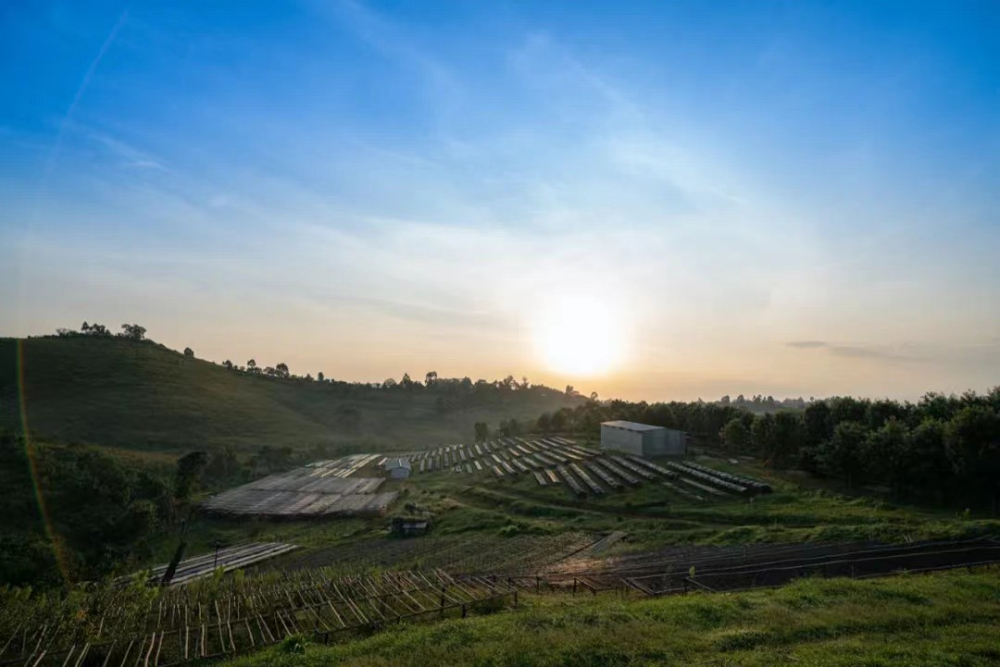
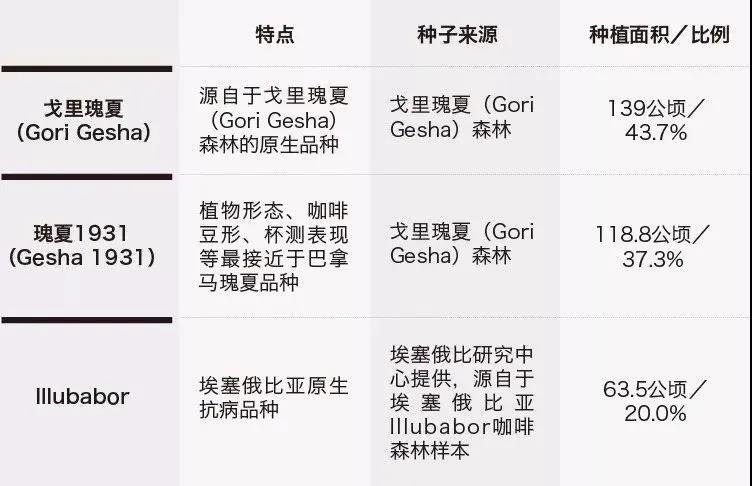
In 2011, the couple returned to Bench-Maji, where several areas bore the name Gesha Village — the likeliest place to find native Gesha. Adam trekked with Willem Boot into the surrounding forests, and in a jungle known as the Gori Gesha Forest they discovered multiple wild coffee varieties — the most thrilling find being native Gesha itself. They collected seeds from those native trees, screened them, and planted them on their new estate: Gesha Village Coffee Estate, located about 12 miles from the Gori Gesha Forest and spanning 475 hectares.
Unlike most small Ethiopian farms, Gesha Village is a large estate of nearly 500 hectares with its own washing station, laboratory, and supporting facilities. Its first harvest came in 2015, and the enthusiastic response led them, with Willem Boot's help, to hold their first international auction on May 31, 2017, offering 21 micro-lots — 19 of 120 kilograms each, plus several even smaller.
Gesha Village coffee is widely beloved, and many competitors have taken its lots onto the competition stage. Most notably, Hong Kong's Chiu Ka Po took third place at the 2017 World Barista Championship with Gesha Village Gesha, and that same year Japan's Ishiya Takayuki used Gesha Village coffee to win his first Japan Barista Championship (JBC) title after ten years of competing.
The Gesha Village Grading System
The estate runs a strict internal grading system with five tiers: Auction, Gold, Red, Green, and Chaka.
Auction
Auction lots account for only 3.7% of Gesha Village's annual production — the estate's very top batches, selected through rigorous screening and available only via global auction.
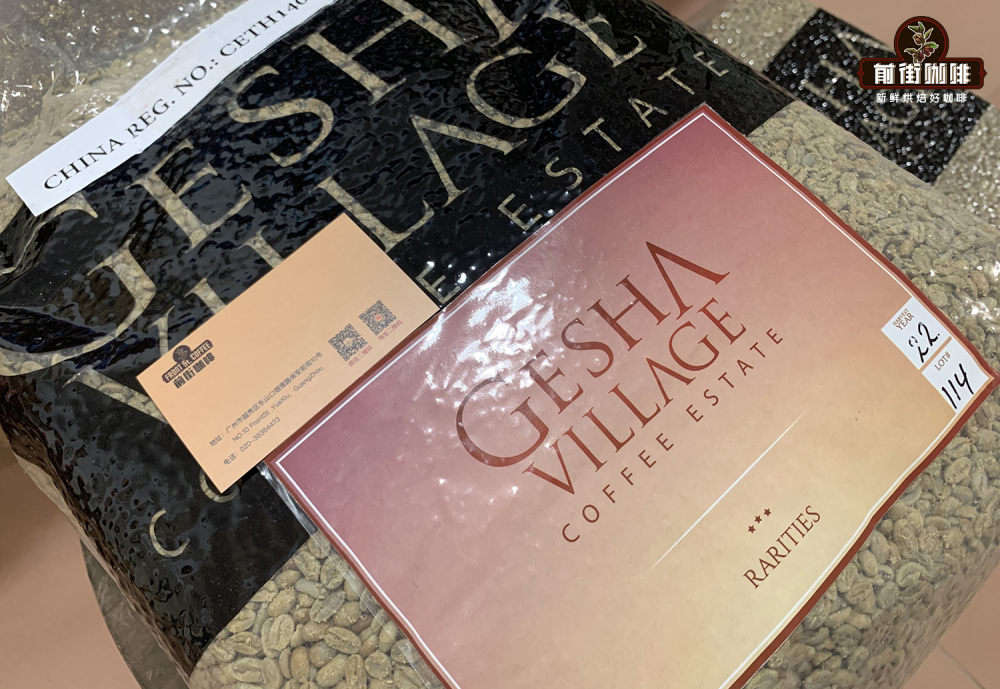
Gold Label - RARITIES
Gold label coffees make up about 10% of annual production — complex, rare, and the highest quality the estate offers outside of auction lots. Many baristas pick gold label batches for competition, and quality-driven roasters buy them too. Every batch is fully traceable with outstanding, complex flavor.

Red Label - RESERVE
Red label beans account for about 15% of annual production. These are fully traceable batches that cup above 88 points on the SCA scale and show the estate's typical character. Their flavor intensity and complexity sit just below gold label, making them excellent value single-origin lots.
Green Label - SINGLE-TERROIR
Green label lots come from a single plot and a single variety on the estate. Every batch number carries full traceability information: the farm plot name, the coffee variety, and the processing date.
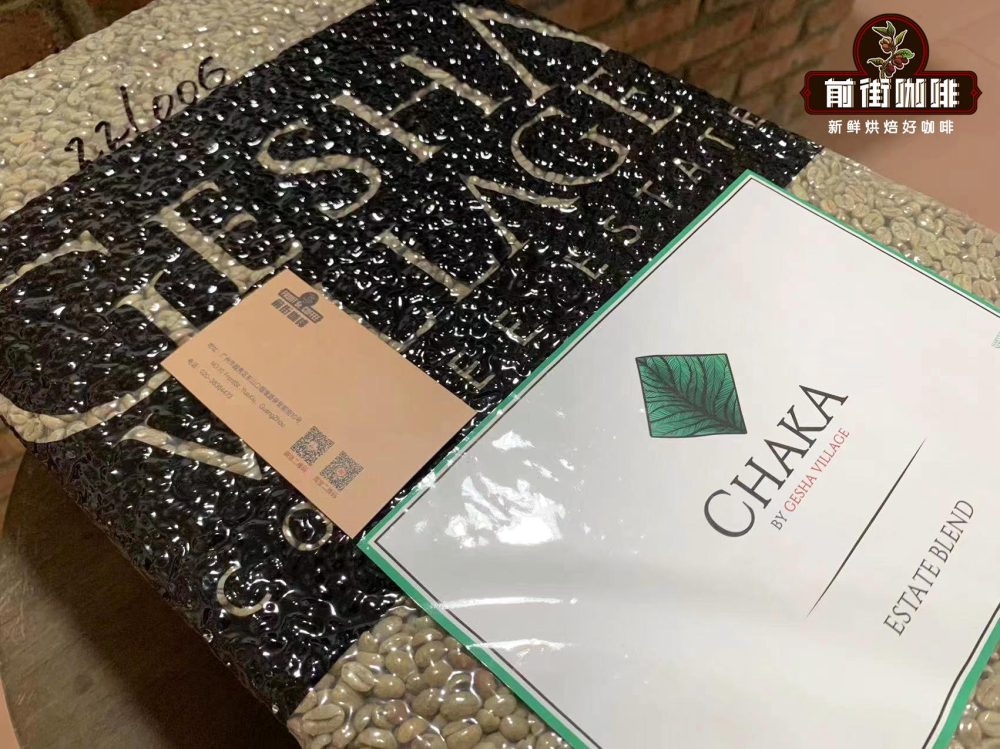
Chaka
Chaka lots blend coffee from every plot on the estate across the entire production season. They are processed both natural and washed and contain all three Gesha Village varieties: Gesha 1931, Gori Gesha, and Illubabor.
Gesha Village Processing
FrontStreet Coffee's Gold Label, Red Label, and Chaka lots are all naturally processed.

The natural process itself is straightforward: first remove floating debris and impurities, then spread the cherries in thin layers on African raised beds, covered with plastic sheeting, to sun-dry. During drying on the beds the cherries are sorted again to pick out insect-damaged and underripe green beans. Total drying time is 18-30 days.
FrontStreet Coffee's Gesha Village Red Label beans have long been a fan favorite, but some people find them tricky to brew well — something always seems to be missing. Here's how FrontStreet brews them. First, know the bean: FrontStreet's Gesha Village Red Label Gesha comes from the estate's Shewa-Jibabu plot in the northwest, where the trees grow at 1,973 to 2,069 meters.
These Red Label beans are from the new harvest season, so FrontStreet's roaster lengthened the drying (Maillard) phase to ensure even heat transfer between the bean surface and core. To showcase the coffee's acidity and floral-fruity aromatics, a light roast was chosen: an Agtron value of 77.1 for whole beans and 81 after grinding.
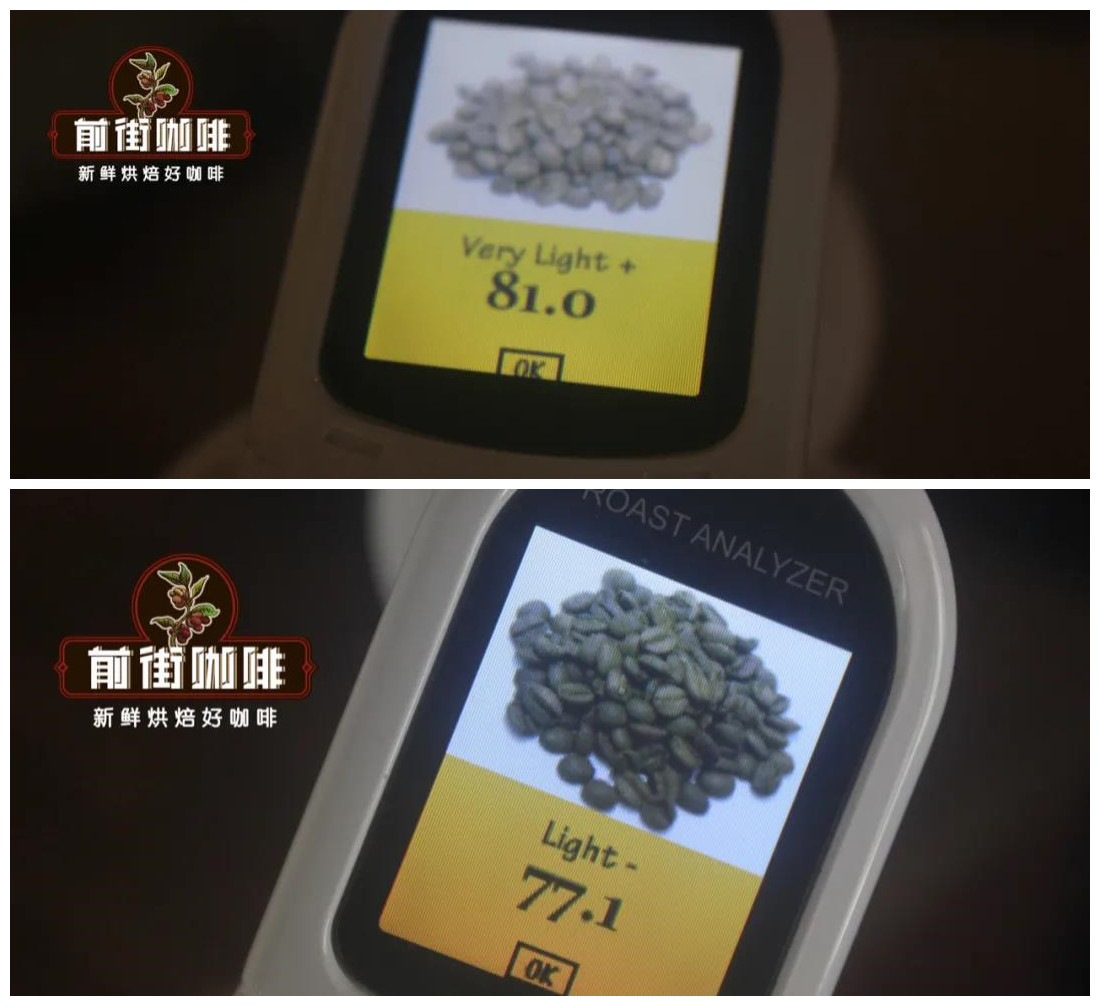
After roasting the new-crop Red Label beans, FrontStreet's baristas re-cupped them.
The cupping revealed distinct yellow stone fruit flavors, white florals, and a light tea sensation with a clear creamy aftertaste. The strength lies in the ultra-high sweetness from the meticulous natural processing, which runs through the entire cup. That front-loaded sweetness keeps the acidity from turning fruity-sour, so the acidity stays gentle while the creamy finish grows more pronounced. The weakness is a lack of body — the cup thins out noticeably as it cools.

Adjusting the Brew
Only once you understand a bean can you tune the parameters to it. Cupping told us this Red Label's strength is sweetness and its weakness is body — so the goal is to highlight sweetness while thickening the cup. To build body, we chose a finer grind to raise concentration and extraction rate.
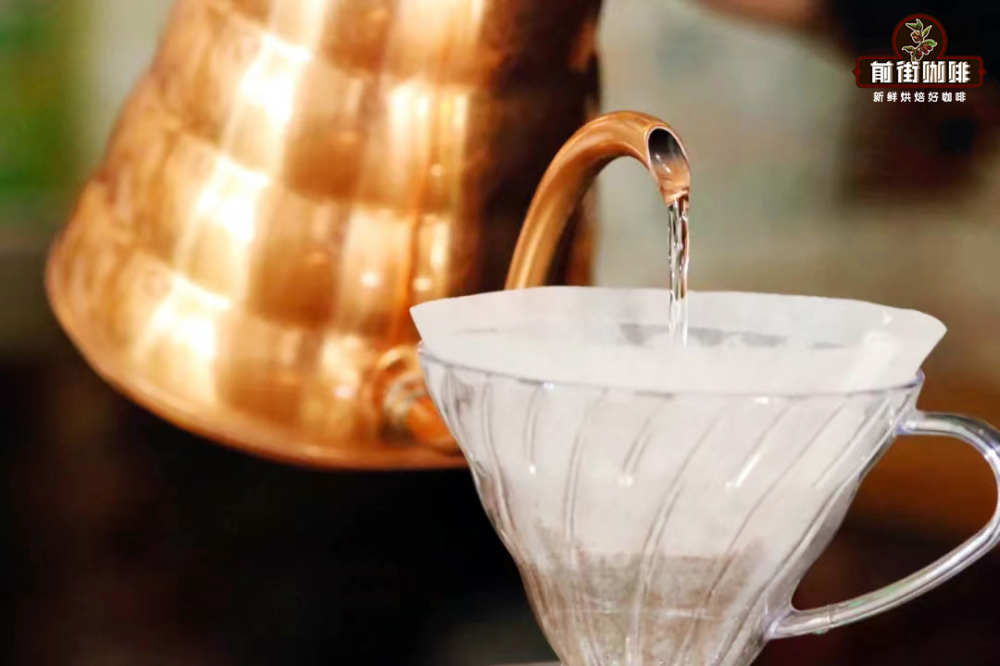
FrontStreet Coffee's Brewing Parameters
Dripper: V60 #01
Water temperature: 91°C
Dose: 15 grams
Coffee-to-water ratio: 1:15
Grind size: medium-fine (80% passing a #20 standard sieve)
FrontStreet uses a staged pour: bloom with 30 g of water for 30 seconds, then pour in small circles to 125 g. When the water level drops to just above the coffee bed, pour to 225 g and stop. When the bed breaks the surface again, remove the dripper (timing starts at the bloom). Total extraction time is 1'55". The target coffee concentration is around 1.32% with an extraction rate of about 18.13% — a fairly high concentration within the Gold Cup range, while the extraction rate just clears the standard, using high concentration to compensate for body.
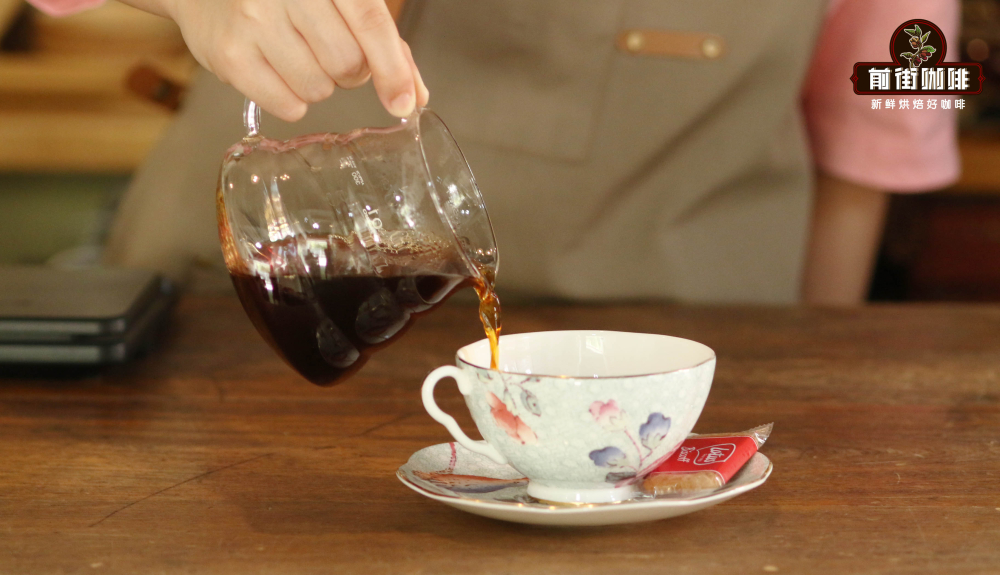
Brewed this way, the Red Label Gesha shows citrus acidity at high temperatures without losing body. As it cools, the acidity softens and the flavors shift toward yellow stone fruit, creamy sweetness, faint florals, and a whisper of dark cocoa on the finish. At low temperatures, maple and berry notes emerge.
FrontStreet Coffee Recommendation
Want to explore Ethiopian Gesha further? FrontStreet Coffee's Gesha Village Gold Label — the Gesha 1931 variety, about 10% of the estate's output, meticulously natural processed — cups with complex, layered sweetness, while the Red Label (Gori Gesha, about 15% of production, 88+ SCA) delivers the estate's single-terroir character at a friendlier price.
For an easier on-ramp, the FrontStreet Genlana Estate Gesha from Yirgacheffe is medium-light roasted, preserving pleasant white florals while highlighting the bright acidity of orange, guava, and citrus — and it doubles beautifully as a medium-roast SOE for espresso.
Important Notice :
FrontStreet Coffee is a long-established specialty coffee roaster in Guangzhou China, selling freshly roasted beans from its own farm in Yunnan as well as dozens of carefully selected single-origin beans from around the world for both pour-over and espresso. The products deliver consistently excellent quality and great value, with shipping within 24 hours. Guangzhou's FrontStreet Coffee shop is recommended by many coffee lovers, and the beans are now available online at the Tmall 。
FrontStreet Coffee has moved to a new address:
FrontStreet Coffee Address: 315,Donghua East Road,GuangZhou
Tel:020 38364473
 Scan and follow the En Gafei WeChat official account. Please indicate that the reprint comes from "En Gafei".