【Tasting】How to Drink Espresso? How to Professionally Drink a Shot of Espresso You Ordered?
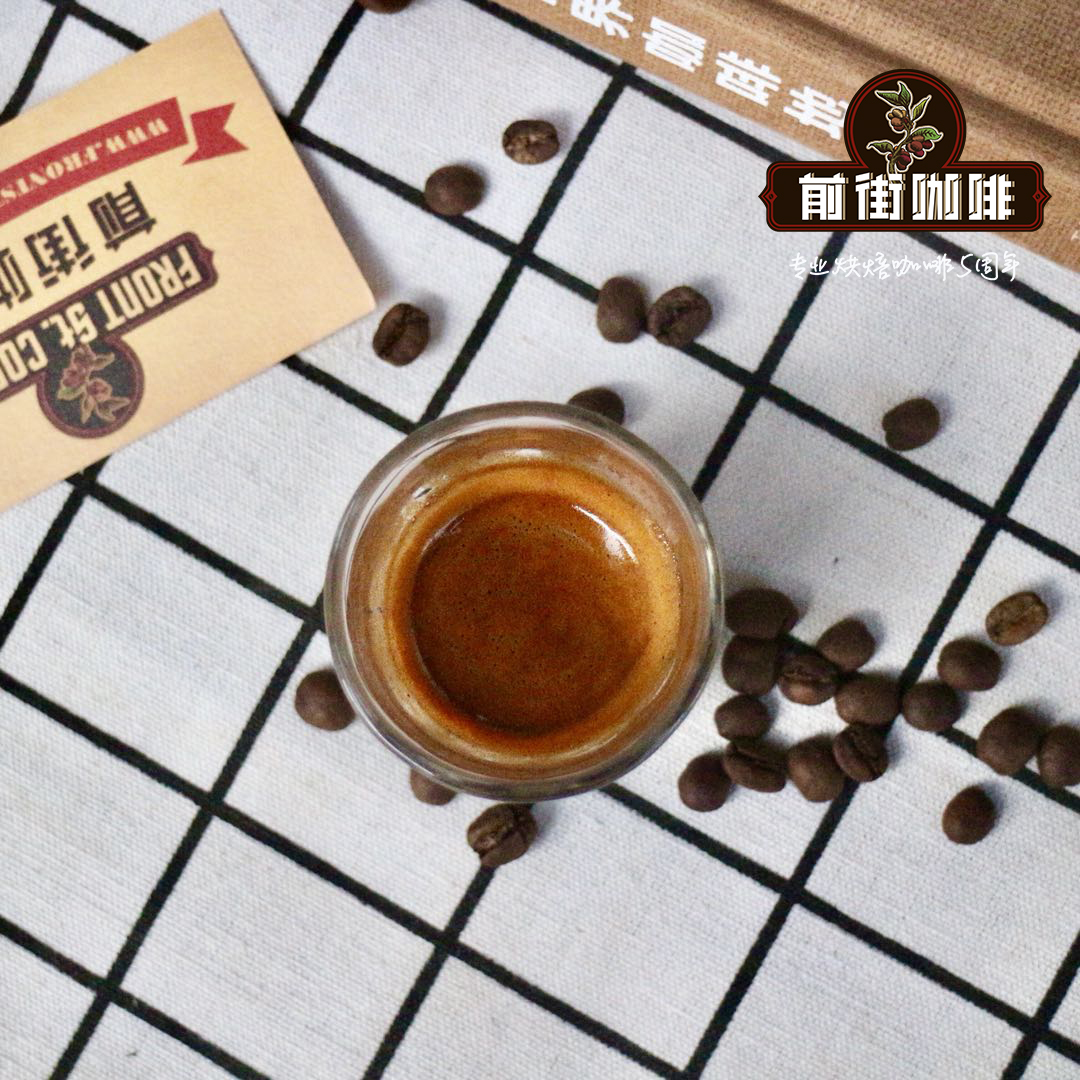
My First Espresso
I still remember my first espresso, back when I was working a part-time job. My reaction: wow — why is this so bitter? Bitterer than bitter tea. Honestly, it is genuinely hard to find a good espresso in China, and most people have never been shown how to taste its many layers. There is far more mystery in that tiny cup than meets the eye.
1. Crema
A well-pulled espresso wears a dark brown, paste-like blanket on its surface — the crema. It does not simply vanish with time; even after the last sip, a residue clings to the bottom of the cup. What is this thick crema for? It seals in the espresso's aroma, keeping it from escaping.
2. The Coffee Beans
Espresso beans on the market generally fall into two stylistic camps: Southern Italian and Northern Italian (or, put another way, the Seattle and Milan styles). At bottom, the difference is roast depth.
(i) Southern Italian (or Seattle Style)
These use a medium-dark to dark roast, which produces thicker crema than the Northern Italian style (darker roasting drives more oil to the bean surface). But that deeper roast also carries heavier bitterness, so comparatively fewer people drink this style straight — most fold it into milk-based drinks. Why "Seattle style"? It comes from the coffee chains headquartered in Seattle, USA. Most coffee shops in China follow this style — Star*cks most famously — so order your espresso straight with lowered expectations at their counters.
(ii) Northern Italian (or Milan Style)
These lean medium-light to medium roast, so the bitterness is gentler than the Southern Italian style and the beans' fruity acidity shows through more freely. Consequently, more people drink this style neat. And the Milan in question is, of course, Milan in northern Italy.
The Recommended Way to Drink It
Drinking espresso pure is a connoisseur's game. For the rest of us, follow the Italian way: add sugar. When I worked in a coffee shop, the foreigners who ordered espresso piled in sugar by the spoonful — sometimes leaving a sweet sludge at the bottom of the cup. Espresso with sugar is bitter and sweet at once. Yes, I'm stating the obvious.
A footnote from "Wan'er Coffee Station" on the subject of sugar: "Although this light roast coffee is more acidic, once sugar is added its sweet-sour interplay becomes unforgettable — it reveals layers of taste perception that the bitterness of dark roast never could."
Useful Common Knowledge
An espresso portion is tiny. In China it generally comes to around 40 cc, so brace yourself: it will be gone in one sip. I once served customers who didn't realize this — their faces went green when the cup arrived, and one asked whether we were playing a trick on them. Truly laughable.
FrontStreet Coffee Recommendation
Bean selection decides half the battle with espresso, and espresso beans come in two broad kinds: the blends most cafés default to, and single-origin espresso — SOE — for drinkers who want a specific origin's character. Blends exist so the coffee becomes more than the sum of its parts: one bean may be silky but aroma-shy, so the roaster adds another that is fragrant, marrying the strengths of each.
For a traditional-style Americano or latte, FrontStreet Coffee's Classic Blend or Commercial Blend are the picks — both build on an old-school Italian recipe with a small addition of Robusta, delivering butter, nut, spice, dark chocolate, and toast aromatics, a wild and thick body, and a burst of golden crema that makes latte art effortless. The Classic Blend is the traditional Mamba-style pairing (Mandheling and Brazil), mellow and warm, easy for newcomers and veterans alike, at home or behind a commercial bar. The nut-obsessed should reach for FrontStreet Coffee's Premium Blend or FrontStreet Coffee's Black Cocoa Blend, both built on a large proportion of Brazilian coffee for a comfortable bittersweetness and creamed-peanut fragrance: FrontStreet Coffee's Premium Blend layers Colombian nut, chocolate, and caramel notes with measured acidity, while FrontStreet Coffee's Black Cocoa Blend adds the ripe-plum acidity of Yunnan small-bean and a creamed-chocolate aroma — balanced, versatile, and equally good in a latte, an Americano, or signature specialty drinks.
For SOE, traceability is the point — a single origin can be followed back to a specific estate or even an individual farmer, which in turn rewards better growing. The natural-processed Flower Queen SOE comes from Hambella in Guji, Ethiopia, where coffee grows at altitudes up to 2,300 meters; roasted medium, it yields cream, cocoa, berry, faint florals, and black tea in an Americano or latte. The Blackberry SOE, a honey-processed Costa Rican single origin, suits drinkers who prefer high sweetness over acidity — bright and refreshing as an Americano, with cranberry-cookie, raisin, and nut flavors alongside milk. And the Queen Estate SOE from Brazil — the distinctive Yellow Bourbon variety — roasted medium-dark, pulls into butter-cookie, macadamia, and toast aromatics with a gentle, honeyed sweetness.
Important Notice :
FrontStreet Coffee is a long-established specialty coffee roaster in Guangzhou China, selling freshly roasted beans from its own farm in Yunnan as well as dozens of carefully selected single-origin beans from around the world for both pour-over and espresso. The products deliver consistently excellent quality and great value, with shipping within 24 hours. Guangzhou's FrontStreet Coffee shop is recommended by many coffee lovers, and the beans are now available online at the Tmall 。
FrontStreet Coffee has moved to a new address:
FrontStreet Coffee Address: 315,Donghua East Road,GuangZhou
Tel:020 38364473
 Scan and follow the En Gafei WeChat official account. Please indicate that the reprint comes from "En Gafei".