What is Espresso? How Do Espresso Machines Make Espresso?
Understanding Espresso: A Complete Guide
What Is Espresso Coffee?
Since Starbucks entered China, "Italian coffee" has appeared on street corners everywhere. But what exactly is Italian coffee? What does Espresso mean? Here is a clear explanation, so you can understand Espresso properly!
The Meaning of "Italian Coffee"
Italian coffee refers to beverages built on an Espresso base — latte, cappuccino, macchiato, con panna and so on. (Strictly speaking, the latte is really a Seattle-style invention: in Italy, "latte" simply means milk.) To understand Italian coffee, you must first understand what Espresso truly is.
The Nature of Espresso
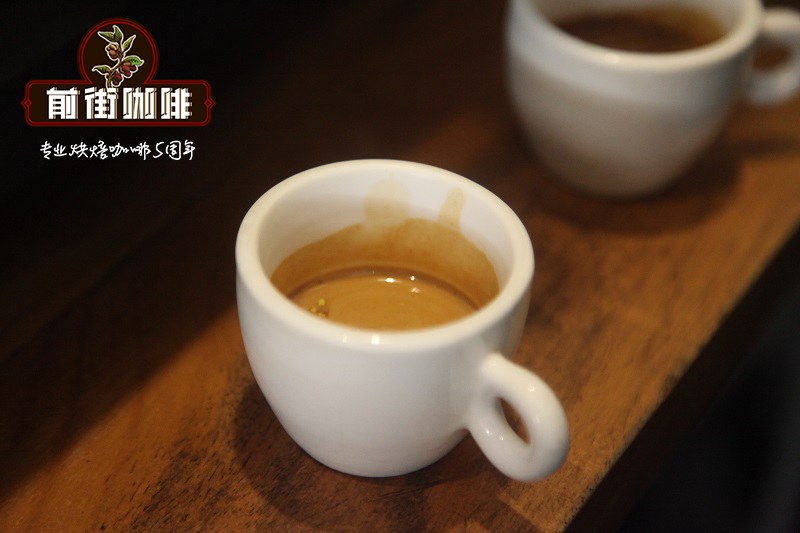
In the Italian imagination, Espresso is a dark beverage served in a thick little cup, crowned with reddish-brown foam (crema) and containing less than 50cc of liquid. (Chinese enthusiasts like to describe that color as reddish-brown, close to the skin of an almond.) Worldwide, nearly 50 million cups of Espresso are consumed every day, its aroma and taste serving as an essential morning stimulant.
What "Espresso" Means
The word carries the sense of "express" — speed, not courier services. It is a drink that must be made to order and consumed at once. There is a saying: "the consumer, not the Espresso, must wait." In other words, it is the customer who waits, not the coffee; Espresso should be drunk the moment it is made. The reason is the crema: once the drink is prepared, that foam must be enjoyed before it dissipates, or the silky texture is lost. And as the cup gradually cools, rising acidity and unbalanced salty notes emerge. Of course, some enthusiasts deliberately wait for the Espresso to cool, curious about its cold texture — the tongue perceives different tastes at different temperatures.
The Importance of Pressure
Pressure is what sets Espresso apart from every other brewing method. In the early 20th century, cafés needed to serve customers faster, so they raised the pressure of the brewing water: water was boiled in a sealed vessel, and steam pressure accelerated extraction (the same principle as today's moka pot). The flaw was temperature — the machine could not brew at the correct temperature (around 90°C water), and boiling water scorched the grounds, producing a harsh, bitter cup. A later solution generated pressure mechanically — with the barista's own arm — and produced Espresso with crema (springs were later added to deliver steadier pressure than any human arm). Today, most machines use electric pumps for effortless, stable pressure.
Extraction Time
Extraction time is the other defining characteristic. Pressurized extraction efficiently draws both water-soluble and fat-soluble substances into the cup, and the ideal average is about 30 seconds. Under 15 seconds, the shot is under-extracted — weak with unbalanced acidity. Over 30 seconds, it is over-extracted — harsh and unpleasant.
Defining Espresso
Espresso therefore has a quantitative definition: a small amount of coffee extracted from ground, roasted beans with hot water, under defined time and pressure conditions.
Related Parameters
The standard parameter ranges are as follows:
Ground coffee dose: 6.5 ± 1.5g
Water temperature: 90 ± 5°C
Water pressure: 9 ± 2 bar
Extraction time: 30 ± 5 sec
Coffee volume: 15–50 ml, ideally 25–30 ml (to the taste of the consumer or barista)
That is Espresso by the book. So the next time you order one at a café and receive only about 30cc of liquid, don't slam the table and accuse the owner of cheating you.
References
Some content in this article is translated from the book "Espresso Coffee, The Science of Quality."
Technical Definition
Definition of Espresso:
Espresso is a brew obtained by percolation of hot water under pressure through tamped, compacted roasted ground coffee, where the energy of the water pressure is spent within the cake.
FrontStreet Coffee Recommendation
Espresso is the foundation of every milk-based classic — the cappuccino above all. A cappuccino is simply espresso topped with milk frothed into dense foam and sculpted with a spoon into a peaked cap; because the milk proportion is small, the cup tastes rich and fragrant with a plush, pillowy touch. FrontStreet Coffee's own cappuccino parameters: a 20g dose, a 1:2 coffee-to-liquid ratio, and a 30-second extraction — high concentration with thorough extraction, excellent in both flavor and body.
For that style, FrontStreet recommends its espresso-dedicated blends: the FrontStreet Classic Blend, a crema bomb for beginners, or the value-focused FrontStreet Black Cocoa Blend. Adventurous drinkers can try the Strawberry Candy espresso blend — aromas of berries, rose, raisins and fruit candy — or the Granada Geisha SOE, a natural-processed, medium-roast single origin with berry, orange and persimmon notes that turns creamy-sweet like milk candy when combined with milk.
For the espresso itself, dose 20g and extract 40ml in about 30 seconds, then build your cappuccino: froth the milk thick and dense, spoon a dollop of foam into the center of the cup to form the golden circle, re-swirl the pitcher and pour boldly down the middle — the foam layer will keep the cup from overflowing — and stop at eleven-tenths full.
Important Notice :
FrontStreet Coffee is a long-established specialty coffee roaster in Guangzhou China, selling freshly roasted beans from its own farm in Yunnan as well as dozens of carefully selected single-origin beans from around the world for both pour-over and espresso. The products deliver consistently excellent quality and great value, with shipping within 24 hours. Guangzhou's FrontStreet Coffee shop is recommended by many coffee lovers, and the beans are now available online at the Tmall 。
FrontStreet Coffee has moved to a new address:
FrontStreet Coffee Address: 315,Donghua East Road,GuangZhou
Tel:020 38364473
 Scan and follow the En Gafei WeChat official account. Please indicate that the reprint comes from "En Gafei".