What's the Difference Between Wet Hulling and Washed Methods? Flavor Characteristics of Indonesian Coffee Beans Processed with Wet Hulling
What Makes Wet Hulling Special?
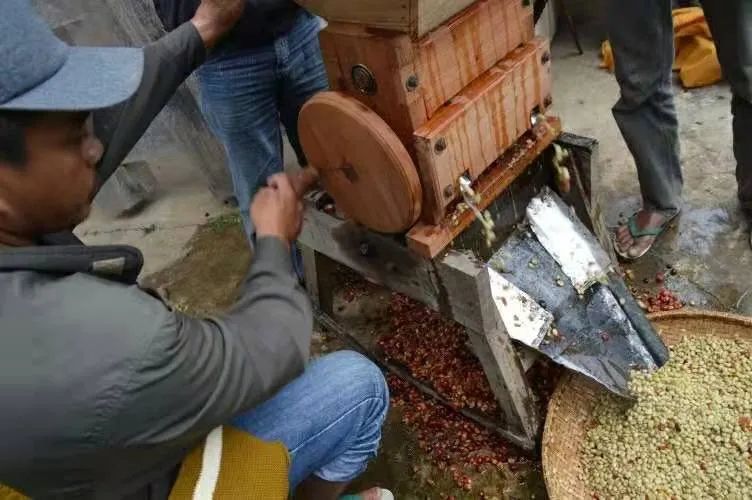
As the name suggests, wet hulling means removing a certain substance from the coffee bean before it is dried — and that substance is the parchment, also called the endocarp. Unlike other processing methods, where the parchment is stripped away only just before export, wet hulling removes it right in the middle of processing.
Why Does Indonesia Use Wet Hulling to Process Coffee Beans?
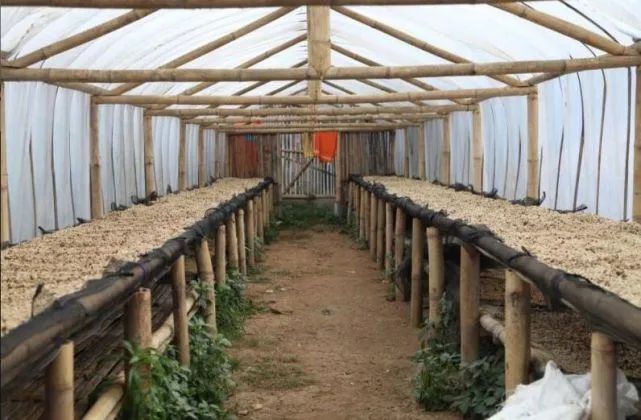
Indonesia is hot and humid all year round, with too little sustained sunlight and humidity typically between 70-90%. Relying on natural sun-drying alone is clearly impractical. Given Sumatra's changeable weather, even washed processing struggles to secure a full week of clear skies for drying. Wet hulling emerged as the answer. After the usual washed steps, the parchment-covered beans are laid out under intense sun for 1-2 days, until the moisture content reaches 30-50%, and then the parchment is removed for further drying. This speeds up drying considerably and shortens the whole process.
Wet Hulling Process
1. After the fresh cherries are harvested, they go through flotation. Some low-density cherries float to the surface; these are considered inferior fruit.
2. The exocarp and pulp are removed from the cherries, which are then placed in clean water tanks to ferment for 12-36 hours, depending on conditions. The aim is to break down and remove the mucilage layer clinging to the beans. Up to this point, the process follows washed processing exactly.
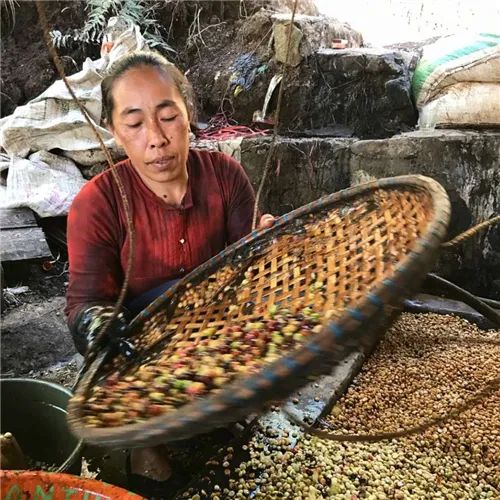
3. The parchment-covered beans are laid out under intense sun for 1-2 days. If both days are sunny, their moisture content will reach roughly 30-50%. At this stage the beans are semi-soft and semi-hard.
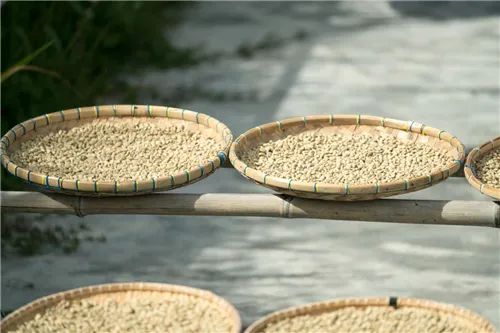
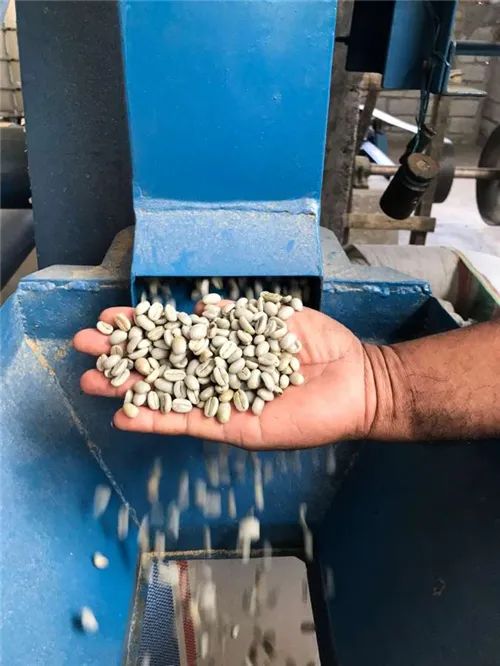
4. A hulling machine then removes the parchment. After about two more days of intense sun, the moisture content can reach 12%. This method shortens processing time dramatically, and for Indonesia's unpredictable weather, wet hulling is the surest way to finish the job.
The Flavor of Mandheling
Mandheling is easy to recognize, both by flavor and by the look of the bean. Because wet hulling strips the parchment while the beans are still semi-soft and semi-hard, they tend to crack under intense sun-drying into "hoof-shaped" beans. They are therefore also known as hoof beans, and they are not counted as defective.
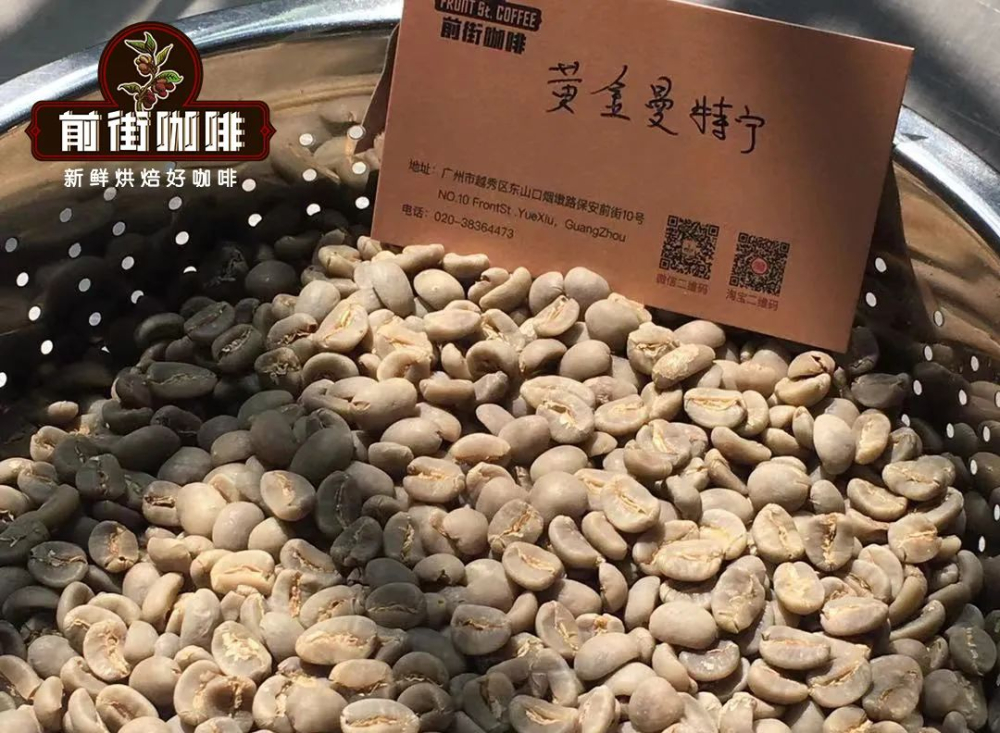
Because wet hulling sharply shortens drying time, the acidity of the beans drops markedly, the body rises, and distinctly caramel aromas come through with a faint fresh herbal note.
FrontStreet Coffee Recommendation
The three great Indonesian growing islands — Java, Sumatra, and Sulawesi — each gave rise to a signature coffee. Sumatra is home to FrontStreet's Mandheling, a coffee with moderate acidity and an intensely heavy aroma. FrontStreet's Indonesian wet-hulled Mandheling is the best place to begin with Indonesian coffee, and it starts with Sumatra. Mandheling refers to the arabica of Sumatra, processed mainly by the local wet-hulled method: because the shell is removed while the coffee is still half-dry, the greens dry fully exposed to the air, which gives the cup its characteristic herbal and spice notes. FrontStreet's Mandheling comes from the Lake Toba area of the Lintong region and is roasted medium-dark to deliver the classic Mandheling profile — low acidity, full body, rich aromas of caramel, dark chocolate, and toasted bread, and a long, sweet aftertaste that suits anyone who likes their coffee strong.
For the finest Indonesian coffee, turn to FrontStreet's PWN Golden Mandheling. PWN is a trading house that buys up premium lots of local Mandheling green beans, selling only specialty-grade Mandheling, and Golden Mandheling is its flagship. Production follows a strict defect-screening standard that weighs bean density, size, shape, and color; the result is sorted by machine and by hand to remove flaws, leaving Mandheling that is complete, even, large, and translucent, with less of the earthy, grassy edge. Freshly roasted FrontStreet PWN Golden Mandheling shows sandalwood, herbs, spice, roasted hazelnut, caramel, and dark chocolate, with a clean, sweet, full body and remarkable complexity — ideal for everyday drinking and even better as a gift for friends and family.
Those who want Indonesian beans for espresso can reach for FrontStreet's classic blend. In the days before light-roast, fruit-forward coffee became fashionable, Mandheling was considered the richest, most aromatic coffee in the world, and it was often used in espresso. The Mamba recipe was created by a Taiwanese roaster: Mandheling blended with Brazil, combining Mandheling's wild character with Brazil's smooth mouthfeel, while Brazil's nutty sweetness offsets Mandheling's stronger bitterness and herbal notes. Because a great Mamba needs a rich, golden crema, FrontStreet's classic espresso blend adds a small amount of Robusta and is roasted dark, pushing the dark chocolate, nut, and caramel aromas to the maximum so that even a beginner can achieve an authentic Mandheling-style cup.
Important Notice :
FrontStreet Coffee is a long-established specialty coffee roaster in Guangzhou China, selling freshly roasted beans from its own farm in Yunnan as well as dozens of carefully selected single-origin beans from around the world for both pour-over and espresso. The products deliver consistently excellent quality and great value, with shipping within 24 hours. Guangzhou's FrontStreet Coffee shop is recommended by many coffee lovers, and the beans are now available online at the Tmall 。
FrontStreet Coffee has moved to a new address:
FrontStreet Coffee Address: 315,Donghua East Road,GuangZhou
Tel:020 38364473
 Scan and follow the En Gafei WeChat official account. Please indicate that the reprint comes from "En Gafei".