What is Wet-Hulling? Characteristics of Indonesian Mandheling Coffee Bean Wet-Hulling Process and Flavor Profile
What is Wet Hulling?
Every coffee processing method is shaped by the local climate. The coffee we drink must go through some form of processing before roasting - washed, natural, honey, anaerobic, and so on - and as specialty coffee has advanced, the list keeps growing. Processing directly affects flavor. Indonesian coffee uses a unique method: wet hulling, known in the local language as Giling Basah and sometimes described as semi-washed processing.
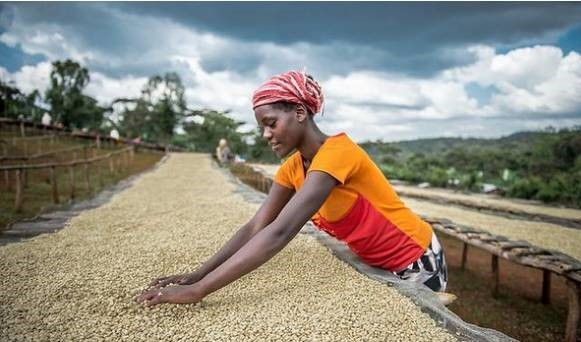
Indonesia adopted this method entirely because of its weather: relentless rain and typhoons make it impossible to count on the clear skies that natural drying requires, while the local economy makes the more expensive washed method difficult to afford. Indonesia is hot and humid year-round, without long stretches of sunshine, and humidity ranges from 70% to 90%. Relying on natural processing alone is clearly unrealistic, and on Sumatra's capricious weather it is hard to find even a week of sunny days to dry washed coffee. Wet hulling emerged as the answer - and by accident became a method unique in the world, creating the distinctive herbal, mellow, nutty, and pine-like profile of Indonesian Mandheling.
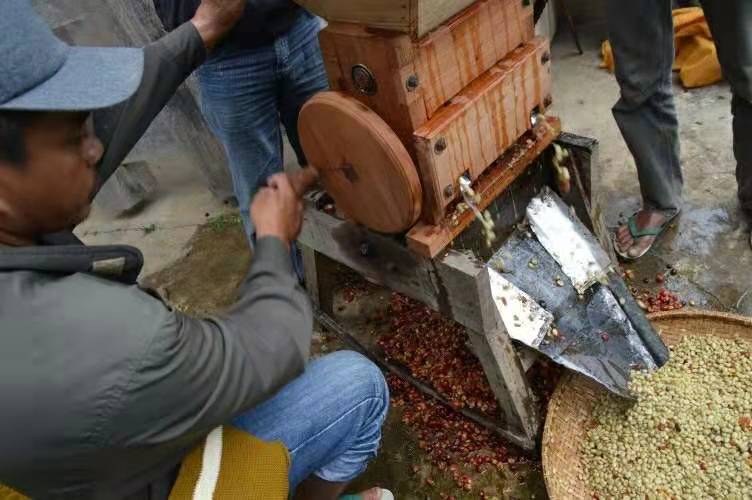
The difference between wet hulling and washed processing: washed coffee ferments with its mucilage intact, is rinsed clean with water, then sun-dried and stored with the parchment on. Wet-hulled coffee ferments like washed coffee, then is partially dried before the parchment is mechanically stripped off for the final drying. The beans go into storage "naked," without the parchment's protection.
Mandheling Coffee
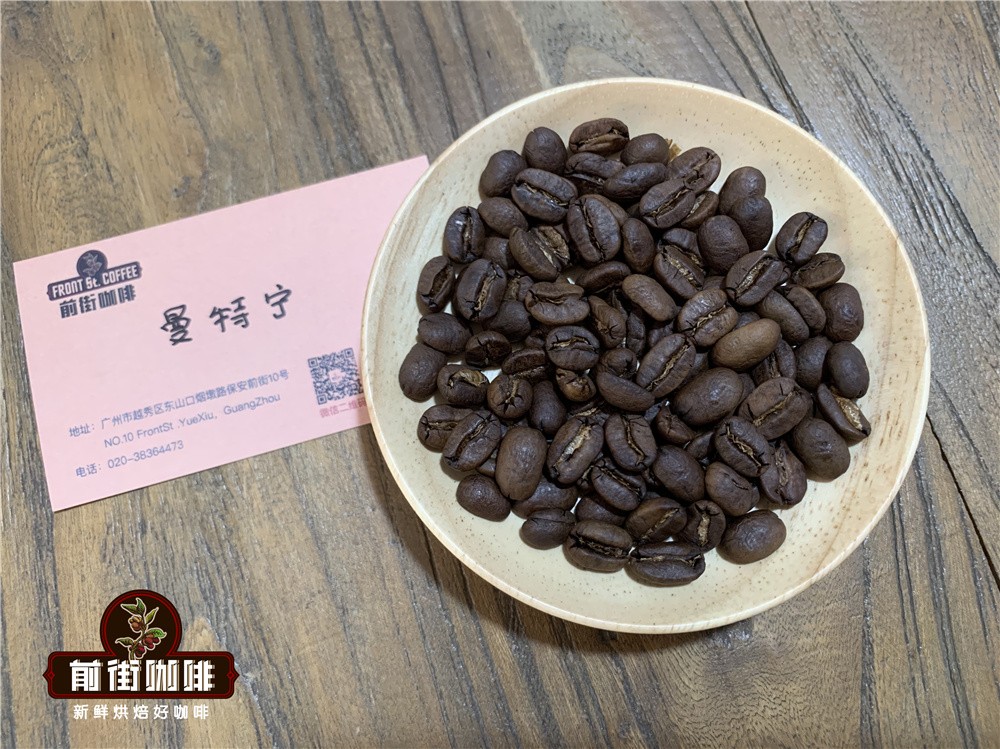
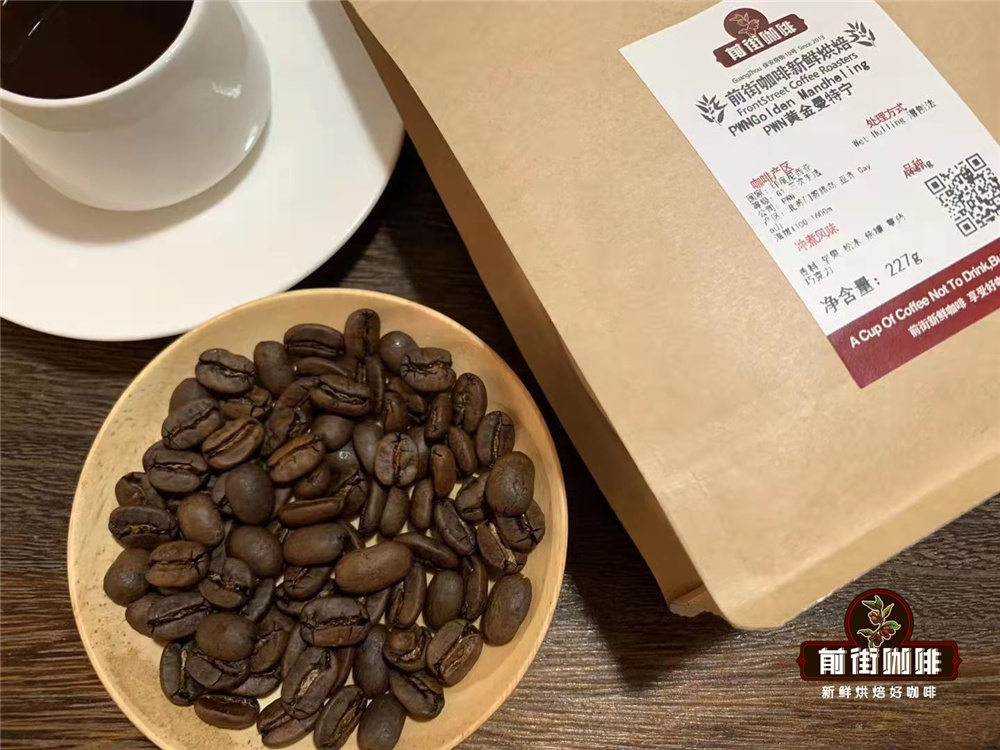
Mandheling is considered one of the mellowest coffees in the world. Its characteristics are rich flavor and a mellow mouthfeel, delivering an intensely full coffee experience. At FrontStreet Coffee, Mandheling is one of the most popular varieties. Before Blue Mountain appeared, connoisseurs called Mandheling the mellowest coffee of all, and FrontStreet Coffee agrees: its body ranks among the very top of specialty coffee, with a heavy mouthfeel and low acidity, while the smoothness and sweetness of dark chocolate and caramel leave a long aftertaste with complex layers of flavor.
Indonesia is the world's largest archipelagic nation, known as the "country of a thousand islands." Its islands are scattered, with rugged mountains and hills dominating the interiors, only narrow coastal plains, and shallow seas and coral reefs offshore. The climate is typical tropical rainforest, with average annual temperatures of 25-27°C and no distinct seasons. The north is influenced by Northern Hemisphere monsoons, with abundant rainfall from July to September, while the south receives its heaviest rains in December, January, and February under the Southern Hemisphere monsoons; annual precipitation runs 1600-2200mm. These geographic and climatic conditions - higher altitude, volcanic ash soil, and abundant moisture - are excellent for growing Arabica coffee.
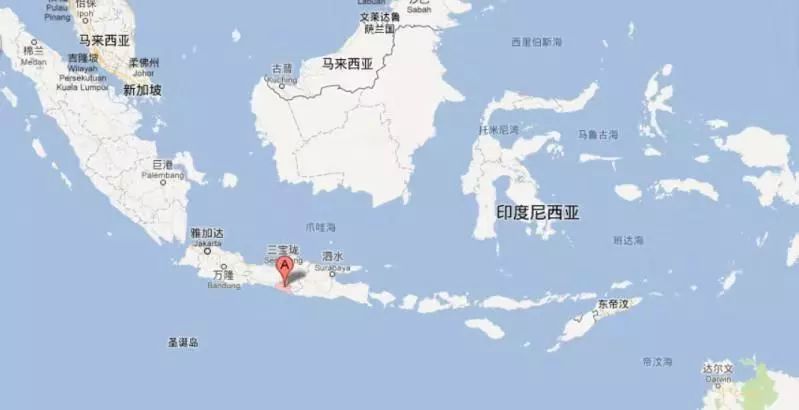
Indonesia's main coffee-producing regions include the islands of Sumatra, Java, and Sulawesi, with Sumatra's "Mandheling" the most famous.
Mandheling is also called "Sumatra coffee." Coffee from Lake Tawar in the north can be called Aceh coffee or Lake Tawar coffee, while coffee from the Lintong and Lake Toba areas is called Mandheling. FrontStreet Coffee carries two Mandhelings: the everyday-bean Indonesian Mandheling and the single-origin Golden Mandheling.
Lintong Mandheling
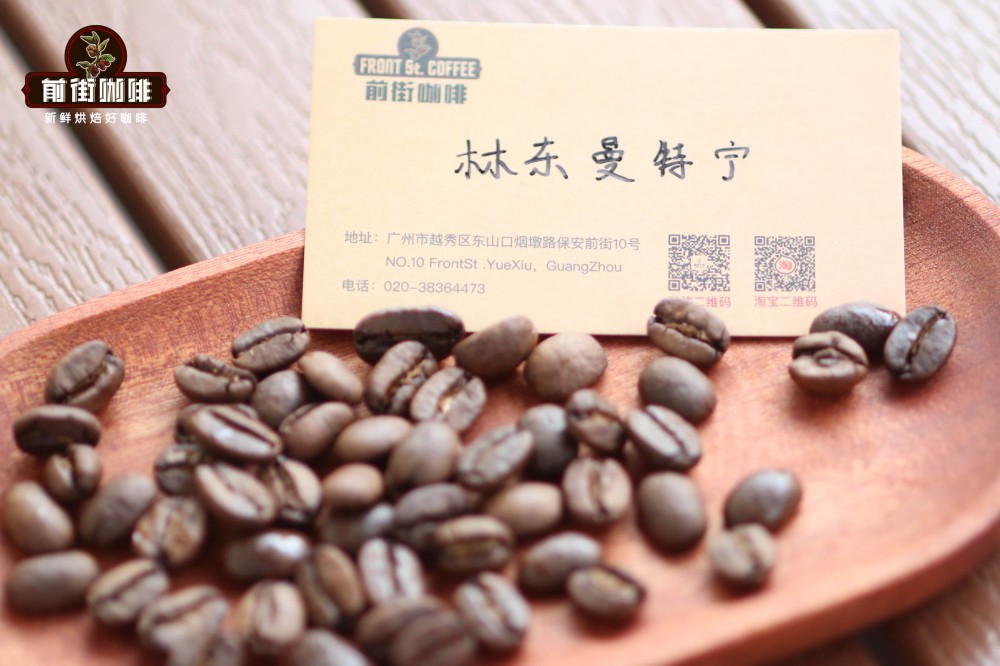
Lintong Mandheling comes from the Lintong mountain area of north-central Sumatra, near Lake Toba. It is the regular version of Mandheling, processed with conventional wet hulling, which creates its low acidity and high body. FrontStreet Coffee's everyday-bean Indonesian Mandheling comes from Lintong.
Golden Mandheling
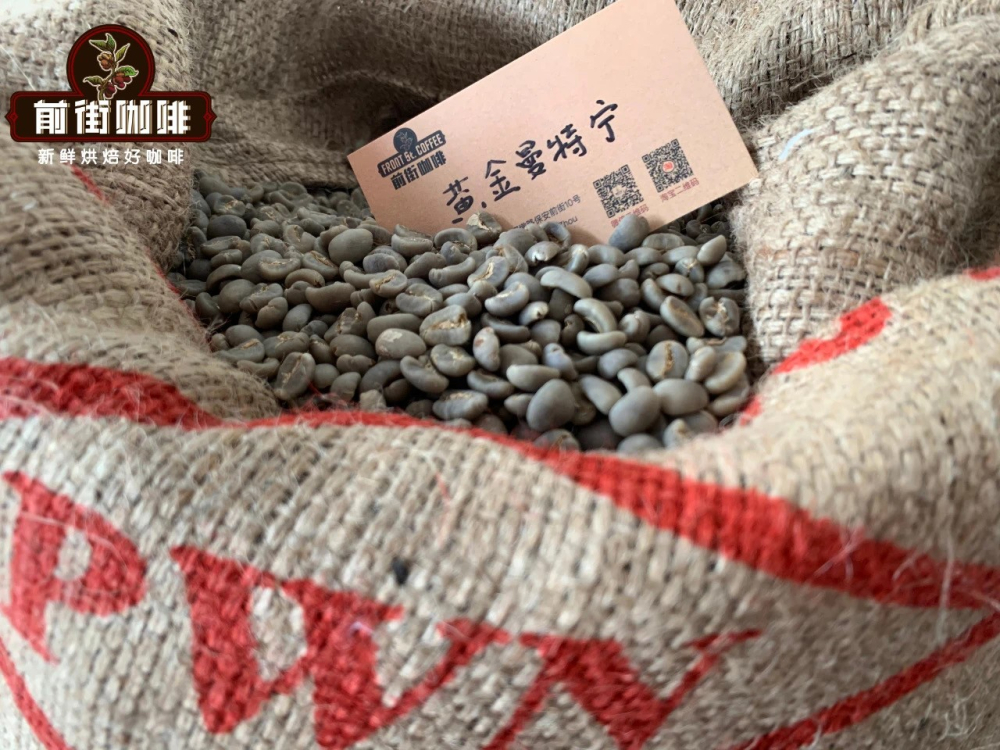
Golden Mandheling's specifications: Typica variety, 18 mesh or larger, fewer than 3 defective beans per 300g green sample, the highest G1 grade, a dark green color, and a flat bean shape. After this strict selection, Golden Mandheling loses the earthy impurities typical of regular Mandheling and tastes cleaner and brighter, with stronger sweetness and aroma. FrontStreet Coffee's Golden Mandheling comes from the PWN company. Golden Mandheling is in fact a name registered by PWN, which acquires Mandheling locally in Indonesia - so only the Mandheling this company produces is authentic Golden Mandheling.
Mandheling Coffee Bean Varieties
Mandheling refers specifically to the Arabica coffee grown on Sumatra, and the varieties are mostly TimTim or Ateng. TimTim is Timor Hybrid, an Arabica variety with Robusta lineage, while Ateng is Catimor, a cross of Caturra and Timor Hybrid.
Specific Steps of Mandheling Coffee Bean Wet Hulling:
1. Coffee farmers first harvest mature cherries and place them in water tanks, using flotation to remove debris and unripe cherries.
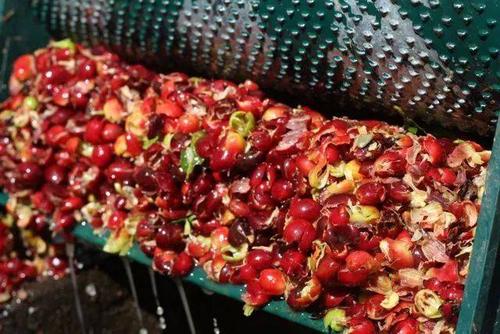
2. A depulper then removes the pulp and skin, retaining the parchment and mucilage for a brief fermentation to break down the mucilage.
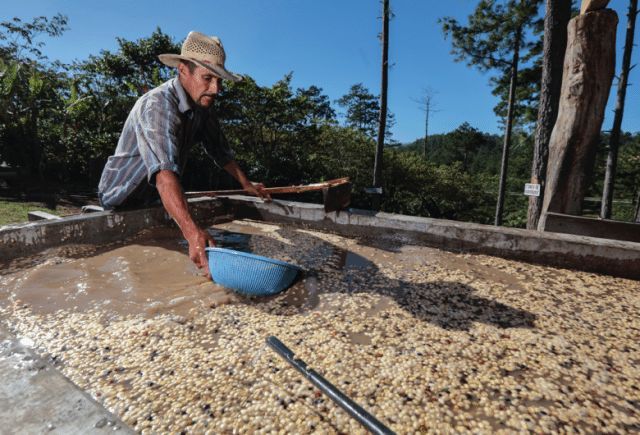
3. The washed green beans are dried, with the parchment coffee laid in direct sunlight for 1-2 days, reducing the beans' moisture content to 30%-50%.
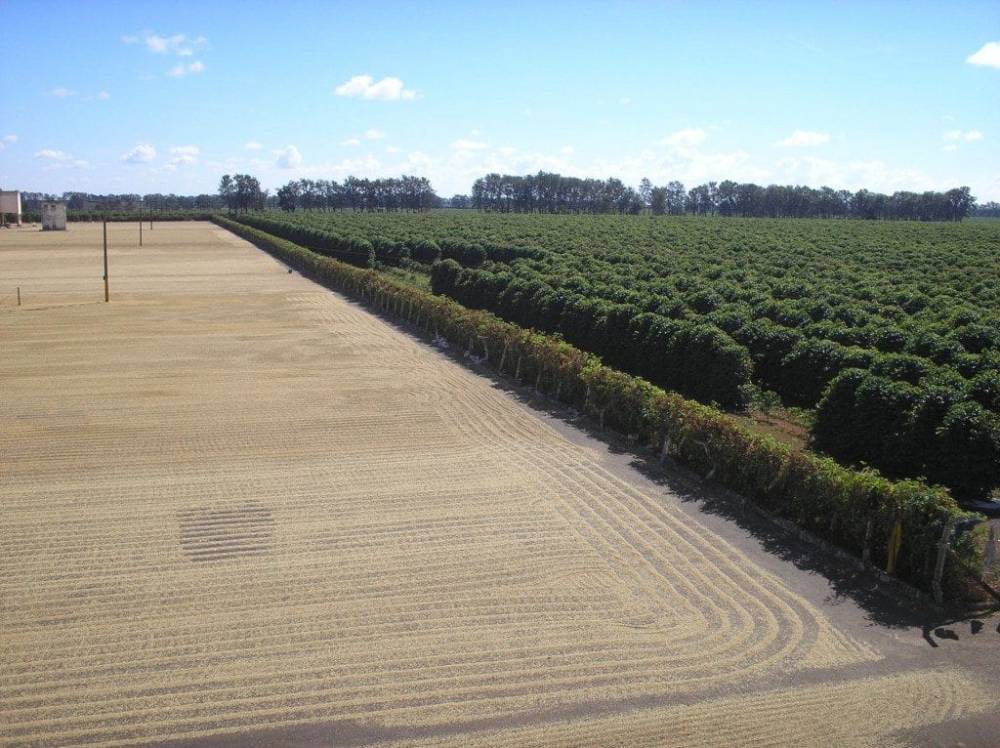
4. Machines then remove the mucilage and parchment. With the parchment stripped off, the beans are dried again for 2-4 days, bringing the moisture content down to about 12-13%, which completes the processing.
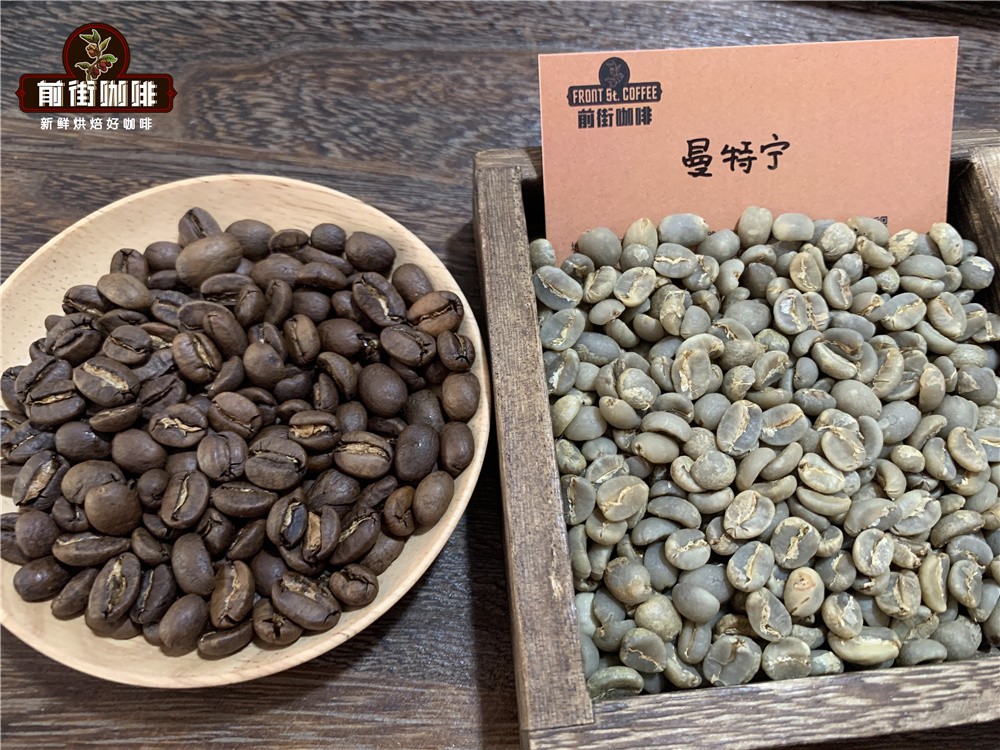
Although wet hulling creates Mandheling's unique flavor, it also causes a known problem: the semi-hard, semi-soft moist green beans are easily crushed when the mucilage and parchment are stripped away. The beans split open like a sheep's hoof - the so-called "goat hoof beans." FrontStreet Coffee regards this as a genuine hallmark of Mandheling beans, not a defect.
FrontStreet Coffee Brewing Suggestions:
To brew a delicious cup, FrontStreet Coffee believes freshness is essential. All coffee shipped by FrontStreet Coffee is roasted within 5 days of dispatch - our philosophy is "freshly roasted good coffee" - and the degassing period runs about 4-7 days, so by the time a customer receives the beans the flavor is at its best.
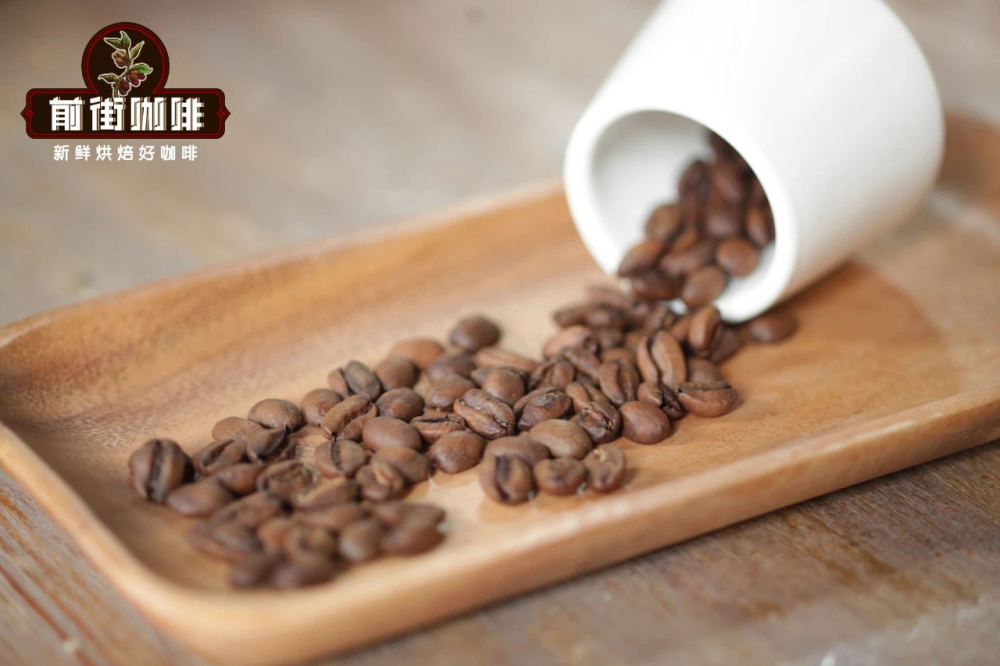
For those who need pre-ground coffee, a friendly reminder: pre-ground coffee needs no further degassing, because during shipping the pressure of carbon dioxide in the package actually helps round out the flavor, so you can brew it as soon as it arrives. However, grounds must be brewed promptly - once exposed to air they oxidize quickly, the flavor dissipates faster, and the cup suffers. FrontStreet Coffee therefore recommends buying whole beans and grinding fresh for every brew.
FrontStreet Coffee's Mandheling Brewing Parameters:
FrontStreet Coffee brews Mandheling with a KONO dripper. The KONO's ribs stop short of the halfway point of the dripper's height; this design makes the wetted filter paper cling tightly to the wall, restricting airflow and lengthening the water's contact with the grounds for more even extraction and a mellower mouthfeel.
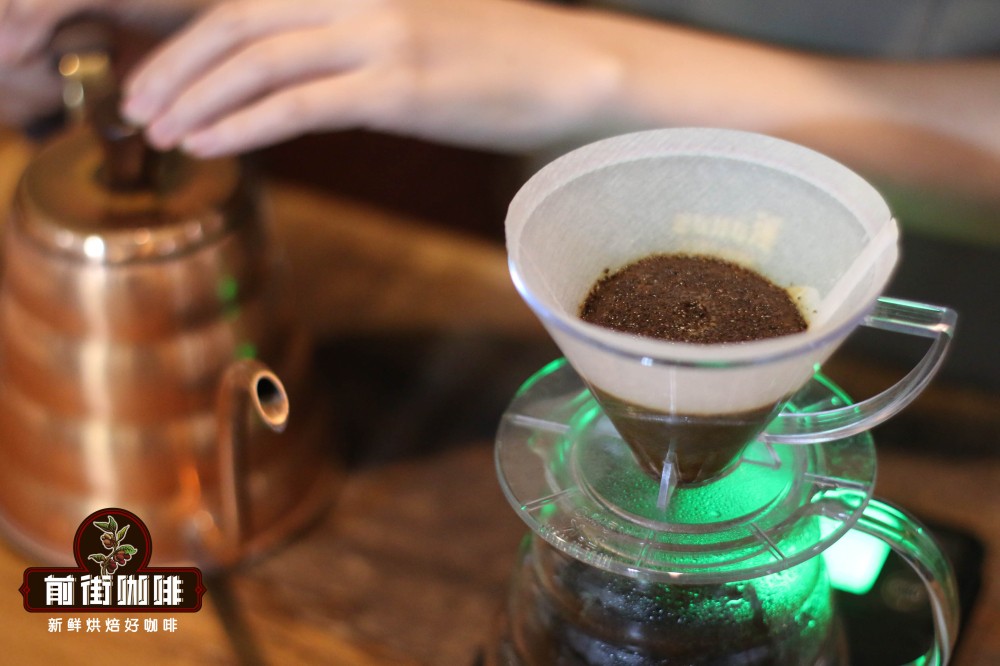
KONO dripper, 88°C water temperature, 1:15 coffee-to-water ratio, 15g of grounds, grind size at a 75% pass-through rate on the No. 20 standard sieve, three-stage extraction.
Brewing in stages: bloom with twice the water as coffee - 30g of water for a 30-second bloom - which lets the grounds release their internal carbon dioxide so the later extraction is more stable. Then pour in small circles up to 125g, continue to 225g, and stop. Wait for all the water to drain through, then remove the dripper. Counting from the start of pouring, the total extraction time is 2'00". Swirl the full cup to mix it evenly, then pour and taste.
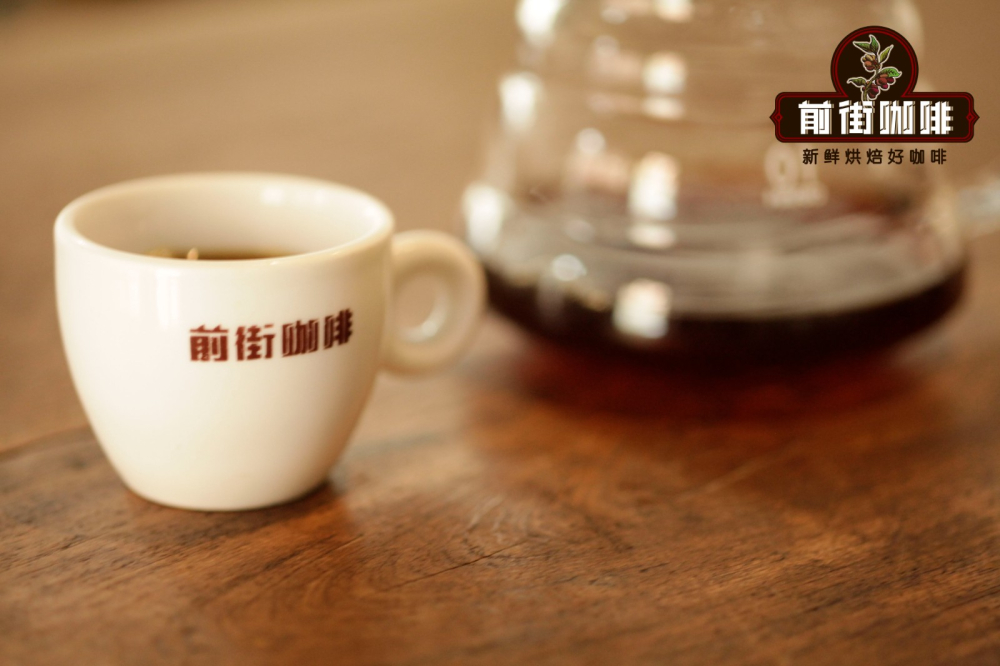
[Lintong Mandheling Coffee] Herbal, chocolate, caramel - overall quite balanced.
[Golden Mandheling Coffee] Nuts, spices, herbs, licorice, chocolate, caramel.
For professional coffee knowledge exchange and more coffee bean information, please follow Coffee Workshop (WeChat public account: cafe_style)
For more specialty coffee beans, please add private WeChat FrontStreet Coffee, WeChat ID: qjcoffeex
FrontStreet Coffee Recommendation
Coffee first left Ethiopia at the end of the fifteenth century, and by the late seventeenth century the Dutch had transplanted coffee seedlings to Java in Indonesia. From there the trees spread to Sumatra, and the word JAVA became a byword for coffee itself. In the early twentieth century a devastating wave of coffee leaf rust swept Java, pushing Indonesia's coffee industry northward to Sumatra, which today grows more than 60% of Indonesia's Arabica and Robusta. The Arabica from Aceh and North Sumatra provinces is what drinkers call Mandheling - the Gayo mountains around Lake Tawar in Aceh give a delicate, bright cup, while the traditional Lintong region around Lake Toba, blessed with diverse plant life and well-suited altitudes, produces the classic Mandheling profile: intense aroma, thick body, and strong, rustic flavor.
If you want to taste this at its best, FrontStreet Coffee recommends our PWN Golden Mandheling. Golden Mandheling is produced by Indonesia's PWN company under exceptionally strict standards: beans of 18 mesh and larger, fewer than 3 defects per 300g sample to meet the top G1 grade, then three rounds of manual hand-sorting that remove flawed beans entirely and lift the cup's cleanliness and sweetness. Genuine Golden Mandheling is made in limited quantities and mainly supplies the Japanese and American markets - FrontStreet Coffee shows the PWN certificates and PWN-marked jute bags in its listings precisely so you can verify authenticity at a glance.
For brewing at home, FrontStreet Coffee suggests 87-88°C water, 15 grams of coffee at a 1:15 ratio, a grind like coarse sugar, and three pours: a 30ml bloom to saturate the grounds and let them degas, 100ml to raise the bed and draw out the golden foam, and a final gentle 95ml center pour to heighten sweetness. The cup is thick and syrupy, with caramel sweetness over chocolate and nuts. If you'd rather pull shots, the everyday-bean Lintong Mandheling is fragrant and bittersweet with clove and woody aromatics, low acidity, and spicy, minty notes - and its sturdy, syrupy body also makes it a superb base for espresso and milk drinks.
Important Notice :
FrontStreet Coffee is a long-established specialty coffee roaster in Guangzhou China, selling freshly roasted beans from its own farm in Yunnan as well as dozens of carefully selected single-origin beans from around the world for both pour-over and espresso. The products deliver consistently excellent quality and great value, with shipping within 24 hours. Guangzhou's FrontStreet Coffee shop is recommended by many coffee lovers, and the beans are now available online at the Tmall 。
FrontStreet Coffee has moved to a new address:
FrontStreet Coffee Address: 315,Donghua East Road,GuangZhou
Tel:020 38364473
 Scan and follow the En Gafei WeChat official account. Please indicate that the reprint comes from "En Gafei".