Colombia Narino Coffee Bean Flavor Profile Introduction - Is Colombia Narino Coffee Good to Drink?
Introduction to Colombian Coffee Knowledge
For professional coffee knowledge exchange and more coffee bean information, please follow Coffee Workshop (WeChat public account: cafe_style)
Major Coffee Growing Regions in Colombia
Colombia's major growing regions include Huila (San Agustin), Narino, Tolima, Popayan (Cauca), Valle del Cauca, Meta, Antioquia (Medellin), Magdalena (Sierra Nevada), Boyaca, and Santander (Bucaramanga). Narino province sits in the country's far southwest, entirely within Colombia's highest-elevation terrain. The provincial capital, San Juan de Pasto, borders Ecuador and faces the Pacific. Coffee cultivation is a vital economic pillar for Narino, where smallholders traditionally farm plots of less than one hectare on steep, remote Andean mountainsides bathed in Pacific breezes. Although Narino has the smallest cultivation area of Colombia's 14 producing regions, its special circular-valley microclimate produces some of the country's best coffee—hence the storied reputation of the "Pope's Holy Grail."
Narino: Colombia's Highest Coffee Region
Narino is the highest-elevation coffee area in Colombia, where coffee trees grow above 2,200 meters in places. Located right at the Ecuador border and almost exactly on the equator—just one degree north—temperatures hold between 16-25°C, ideal for coffee. Mount Galeras, one of the world's most active volcanoes, lends fertile volcanic soil; combined with the extreme altitude, it makes Narino an outstanding region with very distinctive flavors. Tasnaque, in Yacuanquer municipality near Galeras, is a genuinely dangerous place to farm—yet it produces some of Narino's best coffee.
Colombian Coffee's Global Standing
Colombia ranks as the world's third-largest coffee producer (after Brazil and Vietnam). Active volcanism has created some of the world's most fertile soils, yielding sweet, rich, forgiving beans that are easy to brew successfully—excellent as pure black coffee or as the base of blends. In recent years, as competitions have raised farmer incomes, Colombian coffee has shaken off its old image as merely a base or bulk commercial bean and now frequently stands as a specialty coffee in its own right.
Coffee Cultivation and Processing in Colombia
Most Colombian coffee trees are Caturra, with estates interplanting Typica, Bourbon, and others. Nearly every administrative region has outstanding producing areas and estates. Approximately 500,000 Colombians work in coffee production and related industries, and 75% of the crop is exported worldwide. Colombia's unique washed method—developed over more than 10 years of research—has cut water use by 95% and pollution by 90%, protecting the ecosystem while adding variation and layered complexity to the beans.
Narino: The "Holy Grail" Coffee Region
The Narino region near Ecuador has long been famed as the source of the "Holy Grail" used by the Vatican papal court, and it is also the favorite sourcing region of the world's largest coffee chain—most of its coffee is bought up and rarely reaches the open market. Green bean suppliers can obtain it only through direct trade or a handful of top estates, and even then it is extremely scarce. The Reversor Del Patron estate is the finest from this part of Narino: few defects, consistent bean size of about 18 mesh, and a round, smooth shape resembling sapphires—far more uniform and beautiful than typical Colombian beans.
Tasting Notes
In the dry aroma after grinding, there are distinct notes of berry chocolate and a faint milky fragrance. The wet aroma after brewing presents a sweet scent like milk chocolate. Upon sipping, the mouthfeel is smooth, with the sweet flavor of milk chocolate being distinctly layered, accompanied by a subtle brown sugar-like sweetness. As the temperature decreases, the chocolate aroma becomes clearer and more enchanting. The aftertaste lingering in the throat carries some fruit fragrance. Although this coffee bean has a smooth mouthfeel, it's not primarily characterized by thickness, but rather its distinct sweetness is truly unforgettable.
FrontStreet Coffee Recommendation
Colombian coffee is remarkably versatile, appearing in espresso blends, pour-over single origins, fruit-accented profiles, and full-bodied styles alike. FrontStreet Coffee's washed Huila is the classic daily choice: Huila province, ringed by mountains above 1500 meters where Colombia's most important rivers converge, produces beans that—medium-dark roasted—express dark chocolate, nutty sweetness, moderate oils, and a full body. It works for pour-over, French press, moka pot, and espresso, turning into a lovely Americano or latte.
For something more adventurous, the FrontStreet Colombia Sidra from Finca Divisia shows the new wave of innovative processing: grown at 1650-1800 meters and finished with double anaerobic natural fermentation, it bursts with passion fruit, grape, apricot, and dried-fruit aromas, with a bright yet gentle acidity, a touch of spice mid-palate, and a lasting cocoa finish. It suits pour-over, espresso SOE, and iced drip brewing alike.
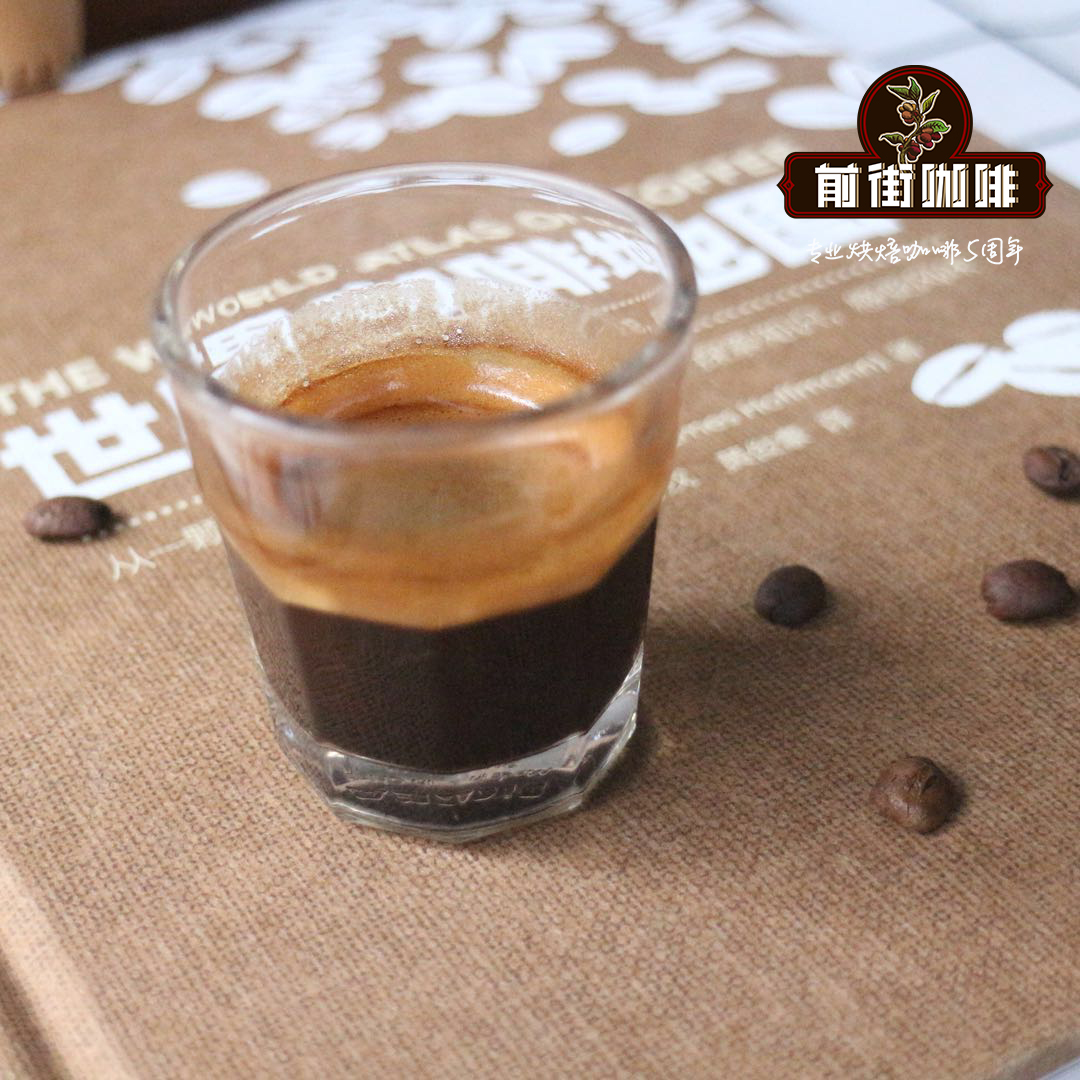
And for home espresso machines or moka pots, the FrontStreet Signature Espresso Blend combines Brazil's creamy nuttiness with Colombia's dark-chocolate depth, extracting a fine golden crema—smooth and dense in a latte, and friendly enough for beginners as the base of Americano, cappuccino, or mocha.
FrontStreet Coffee: a roastery in Guangzhou with a small shop but a diverse range of beans, offering both famous and lesser-known origins, plus online shop services. https://shop104210103.taobao.com
Important Notice :
FrontStreet Coffee is a long-established specialty coffee roaster in Guangzhou China, selling freshly roasted beans from its own farm in Yunnan as well as dozens of carefully selected single-origin beans from around the world for both pour-over and espresso. The products deliver consistently excellent quality and great value, with shipping within 24 hours. Guangzhou's FrontStreet Coffee shop is recommended by many coffee lovers, and the beans are now available online at the Tmall 。
FrontStreet Coffee has moved to a new address:
FrontStreet Coffee Address: 315,Donghua East Road,GuangZhou
Tel:020 38364473
 Scan and follow the En Gafei WeChat official account. Please indicate that the reprint comes from "En Gafei".