Colombian Medellin Coffee Beans: Flavor Characteristics, Name Origin, Historical Stories and Growing Region Introduction
For professional coffee knowledge exchange and more coffee bean information, follow FrontStreet Coffee (WeChat public account: cafe_style)
Colombia grows coffee in many regions across the country, but the central "Coffee Zone" is the most famous - and it is the country's second most visited destination after Cartagena. Beyond the beans themselves, the area is home to a coffee-farm culture spanning more than a century, now listed as a UNESCO World Cultural Heritage site.
The so-called "Coffee Zone" lies about 7 hours west of the capital Bogotá and about 7 hours south of Medellín, covering three provinces - Caldas, Risaralda, and Quindío, with capitals Manizales, Pereira, and Armenia respectively. Locals habitually call this area the "Coffee Axis" (Eje Cafetero).
Colombia's Coffee-Growing Story
What are Colombia's coffee-producing regions?
How to brew Colombian coffee beans?
Growing Regions and Harvest Seasons
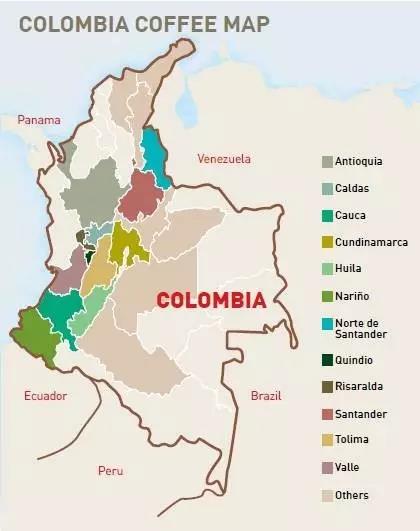
Colombian coffee cultivation stretches along the Andes from south to north, roughly divided into a northern region (green), a central region (orange, purple), and a southern region (yellow). The orange and purple areas have primary and secondary harvest seasons, while the green and yellow regions have a single harvest season.
Harvest Seasons [by Region]
Because geography and climate differ from north to south, the northern and southern harvest seasons are mirror images of each other, while the central region's primary and secondary seasons depend on whether it leans north or south. In effect, beans are produced year-round. Here we mainly distinguish regions by winter and summer harvest seasons.
Winter Harvest Season (September to December)
Includes the following regions:
- Magdalena - Common varieties
- Santander
- Antioquia - Common varieties
- North of Santander
- Boyacá
- Meta
Central regions closer to the north have two harvests: the main season in winter (September to December) and the secondary season in summer (April to May).
- Caldas
- Risaralda
- Some areas of Cundinamarca - Beginning to gain market recognition
- Some areas of Quindío - Beginning to gain market recognition
- Some areas of Tolima - Extremely rare varieties
Central regions closer to the south also have two harvests, but the main season falls in summer (March to June) and the secondary season in winter (October to November).
- Some areas of Valle - Beginning to gain market recognition
- Some areas of Quindío
- Some areas of Cundinamarca
- Some areas of Tolima
Summer Harvest Season (March to June)
Includes the following regions:
- Some areas of Valle
- Cauca - Rare varieties
- Some areas of Cundinamarca
- Huila - Elite varieties
- Nariño - Very rare varieties
Note: The harvest seasons described here refer to the stage at which coffee cherries ripen and are picked for processing at origin. Typically, it takes another 2-3 months after that stage ends before the new-crop beans reach us as consumers.
Growing Pattern
95% of growers are small farmers with family plantings of less than 5 hectares.
Production
Small-farmer families produce an average of 25 bags a year, with each bag weighing 70kg.
Growing Altitude
1000 - 2500 meters
Annual Rainfall
1000 - 2500 millimeters
Average Temperature
15.8 - 20.5 degrees Celsius
Growing Varieties
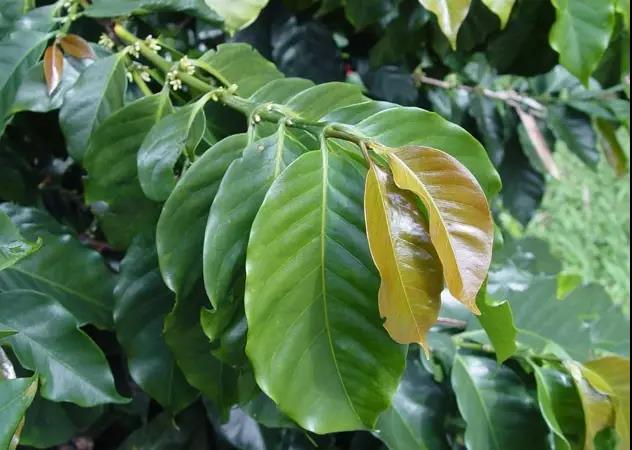
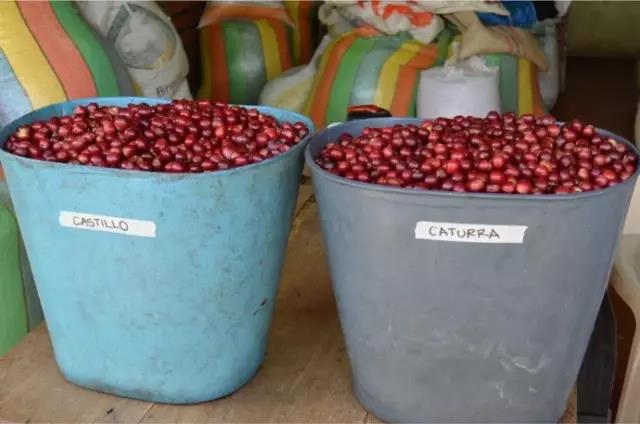
Alongside the common varieties of the Americas - Caturra, Bourbon, Typica, and Pacamara - Colombia has three unique disease-resistant varieties: Castillo, Tabi, and the Colombia variety (named after the country). There are also rare and precious varieties such as Gesha, small-grained Moccha, Rume Sudan, Eugenioides, Laurina (Bourbon Pointu), and Maragogype (a natural mutation of Typica).
Shade Trees
In the growing regions you will see lemon and orange trees used as shade trees. The lemons look remarkably like oranges, but they are extremely sour to eat. Locals have a way of enjoying them with a strong liquor - much like a cocktail - and it is quite delicious.

Harvest Seasons
Shaped by the Andean terrain, Colombia's growing regions divide from south to north into three major zones: northern, central, and southern. The southern and northern zones have distinct single seasons, while the central zone has primary and secondary seasons depending on whether it leans north or south, as detailed above.
Processing Methods
Washed processing dominates, though natural and honey methods are now emerging. In conventional washed processing, fermentation is typically a dry fermentation in open air. Recently, techniques borrowed from winemaking have entered coffee processing, using anaerobic fermentation and varying degrees of oxygen control.
Drying
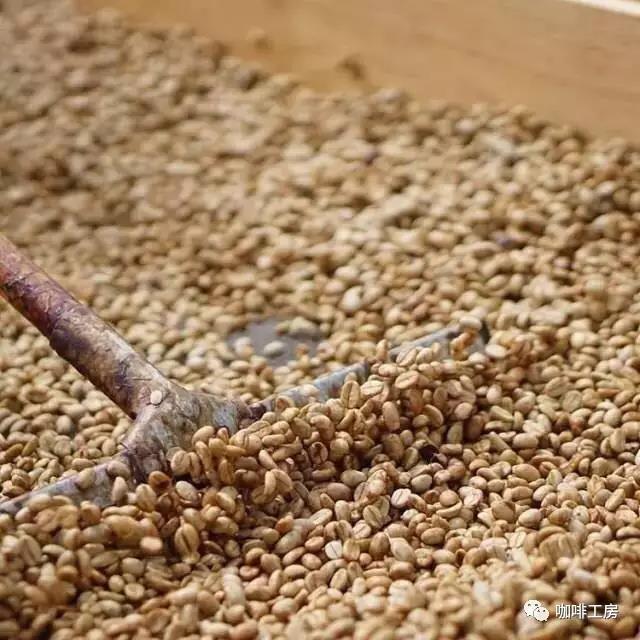
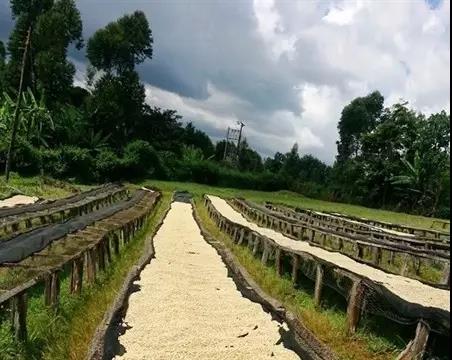
After processing, drying methods include greenhouses (nothing like our rural vegetable greenhouses - picture something the size of a sunroom balcony), patios (open cement ground, though wooden surfaces have appeared recently), and mechanical dryers (many small farmers own these).
About FNC
Industry Chain
The Colombian coffee industry includes: the National Federation of Coffee Growers (FNC), the National Coffee Research Center (CENICAFE), regional coffee producer associations (Colombia has 32 departments, 20 of which grow coffee), traders, international roasters - and all of you reading this, our esteemed "customers."
FNC's primary mission is to serve as the spokesperson for Colombian coffee, committed to buying coffee whenever farmers are willing to sell. FNC is not only the international ambassador for Colombian coffee - famously creating the "Juan Valdez" image - but also invests substantial human and material resources in farmers' cultivation, production, management, and sustainable operations within Colombia.
Founded in 1938, CENICAFE serves as FNC's technical arm, dedicated to coffee variety selection and breeding as well as agricultural training for growers.
About Varieties
Early Colombian plantings were dominated by the old Typica and Bourbon varieties, which began giving way to Caturra from 1970 onward. Caturra not only yields more per plant than Typica or Bourbon; its more compact tree shape also allows more plants per unit area.
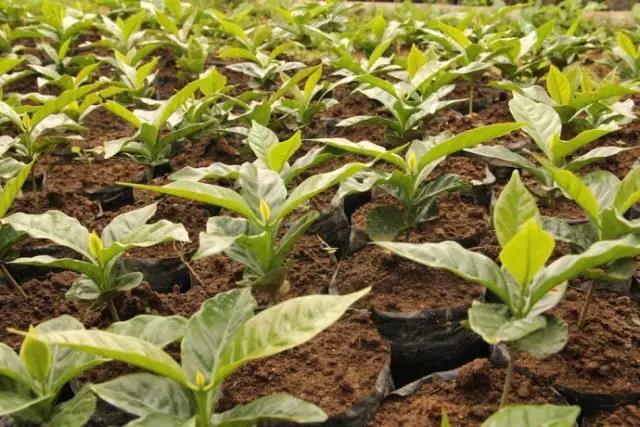
Starting in 1961, CENICAFE began researching the Timor variety with its Robusta lineage, subsequently crossing Timor with Caturra to develop Colombia's Catimor series. After 5 generations of breeding, CENICAFE released Colombia's first disease-resistant variety, Colombia, in 1982. Following the leaf rust outbreak of 1983, the Colombia variety was widely promoted and planted.
CENICAFE's research continued: the second disease-resistant variety, Tabi (a hybrid of Typica, Bourbon, and Timor), arrived in 2002, and in 2005 came the most successful disease-resistant variety to date, Castillo. After the massive leaf rust outbreak of 2008, Colombia began promoting Castillo cultivation in earnest.
Castillo Variety Promotion and Support
This is a coffee-reform support loan program Colombia launched in 2012 to encourage small farmers to plant the disease-resistant Castillo variety:
- A 7-year loan program
- At final repayment, farmers repay only 60% of the principal, with the remaining 40% covered by the government (banks willing to participate)
- No repayment is required during the first two years of the loan
- From the third year onward, the annual interest rate is 11%, with repayments made after farmers receive funds from the post-harvest season
Of course, whether farmers switch to Castillo is entirely voluntary, and the program above applies only to Castillo cultivation trials.
The latest news: in December 2016, CENICAFE released a new disease-resistant variety, CENICAFE 1, also a hybrid of Caturra and Timor (1343). Its flavor quality matches Castillo's, while yielding more and resisting both leaf rust and coffee berry borer.
About Processing Methods
Most Colombian coffee is washed. Each small-farmer family owns a small specialized processor (an Ecomill or Eco-Pulper): harvested cherries are poured in, which removes not only the skin and pulp but also most of the mucilage, using very little water. Next, the parchment beans with residual mucilage go into a small pool or container - a cement pool (sometimes tiled) or a stainless steel barrel - for overnight fermentation to loosen what remains. The next day they are rinsed with clean water, completing the washed process.
For drying, weather permitting, natural sun-drying is preferred. Where possible, beans are spread on wooden racks under a small shed for shade drying; otherwise they are laid out on open cement ground. In bad weather with continuous rain, mechanical dryers are used - these have an inlet temperature control, typically around 50 degrees Celsius.
About Coffee Competitions
Colombia's international coffee competitions have taken two forms from 2005 to the present:
- 2005-2015: Cup of Excellence (CoE)
- Starting in 2016, Colombia organized its first international coffee competition, named "LAND OF DIVERSITY," and held its first live auction. The new format differs markedly from the CoE format:
It is split into two categories, Small Batch and Large Batch, with Large Batch included in the auction system for the first time. Small batches start at $5/lb and large batches at $2/lb.
Coffees are classified and evaluated by attribute categories. The competition judges small-batch coffees across 5 attribute categories, and each coffee may be nominated in one or several categories and win that category's championship award.
The 5 attribute categories are: Acidity, Body, Balance, and Mildness.
FrontStreet Coffee's Recommended Brewing:
- Dripper: Hario V60
- Water Temperature: 90 degrees
- Grind Size: Fuji Royal grinder setting 3.5
- Brewing Method: Water-to-coffee ratio 1:15, 15g coffee grounds. First pour 25g water for a 25s bloom. Second pour to 120g, then wait until the water level drops to half before pouring again. Pour slowly until reaching 225g total. Extraction time around 2:00.
Analysis: Three-stage pouring clearly separates the front, middle, and back-end flavors. Because the V60's many ribs drain quickly, pausing the pour extends extraction time and better draws out the nutty and chocolate notes in the back-end.
Flavor: Multi-layered, overall clean, with a relatively light body.
FrontStreet Coffee: A roastery in Guangzhou with a small shop but diverse bean varieties, where you can find both famous and lesser-known beans. Online shop services are also available. https://shop104210103.taobao.com
FrontStreet Coffee Recommendation
Colombian coffee covers nearly every style a drinker could want: bright and fruity, full-bodied and mellow, or intensely aromatic. For a dependable everyday bean, FrontStreet Coffee's washed Huila comes from Colombia's most celebrated specialty province - hilly terrain above 1500 meters in the southern central cordillera, where the country's most important rivers converge. Roasted medium-dark, it accents the sweet aroma of dark chocolate and nuts with moderate crema and a full body, equally at home in a pour-over, French press, moka pot, or espresso machine.
For an adventurous cup, FrontStreet Coffee's Finca Frontera (Fenjexian) Sidra is processed by anaerobic natural fermentation - sealed, pressure-rated stainless tanks where temperature, time, and pH are strictly controlled. Roasted medium-light, it bursts with passion fruit, grape, apricot, and dried-fruit aromatics in pour-over, cold brew, drip bags, or moka pot.
And if you pull espresso at home, FrontStreet Coffee's Specialty Espresso Blend pairs Brazil's creamy nuttiness with Colombia's dark-chocolate bittersweetness, producing a fine golden crema that makes a rich, silky latte - friendly for beginners and a solid base for Americano, cappuccino, and mocha alike.
Important Notice :
FrontStreet Coffee is a long-established specialty coffee roaster in Guangzhou China, selling freshly roasted beans from its own farm in Yunnan as well as dozens of carefully selected single-origin beans from around the world for both pour-over and espresso. The products deliver consistently excellent quality and great value, with shipping within 24 hours. Guangzhou's FrontStreet Coffee shop is recommended by many coffee lovers, and the beans are now available online at the Tmall 。
FrontStreet Coffee has moved to a new address:
FrontStreet Coffee Address: 315,Donghua East Road,GuangZhou
Tel:020 38364473
 Scan and follow the En Gafei WeChat official account. Please indicate that the reprint comes from "En Gafei".