What Does Brazil Santos Coffee Mean? How to Brew Brazil Santos Coffee? Is It Good?
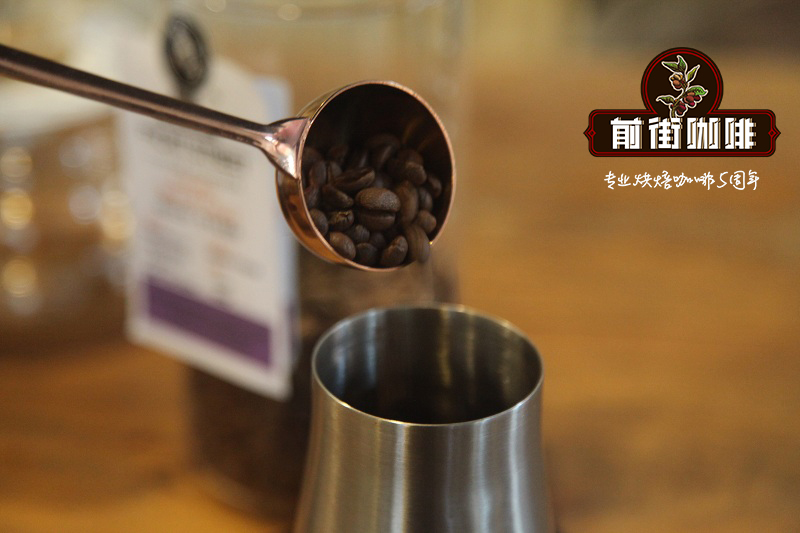
Brazil Santos No.2 Coffee
Brazil is the world's largest coffee producer, accounting for approximately 30% of global production. The coffee produced is generally referred to by its country name "Brazil," but the coffee beans exported from the port of Santos are specifically called "Santos Coffee." Santos coffee is almost exclusively produced in southeastern Brazil and represents the finest grade among Brazilian coffees, itself classified into several grades from No.2 to No.8. The Santos No.2 introduced here indicates that in 300 grams of beans, the defect count representing defective beans is below 4, belonging to the highest grade of beans. Its characteristics are a slight bitterness and a smooth mouthfeel.
You Can Also Enjoy Coffee This Way
Brazilian Coffee Ordering Method: Using Sugar as a Signal?
The most common coffee in Brazil is made from dark-roasted beans brewed into strong coffee and consumed with a lot of sugar. Cafe doors are always wide open, with small cups and saucers arranged around sugar bowls on round tables. When customers enter the cafe, they pick up a cup, place it in front of them, and add sugar to the cup. The waiter will then pour coffee for the customer. It turns out that adding sugar to the cup is the signal for ordering coffee.
Santos No.2
Aroma
Overall, it presents a harmonious aroma. It includes the fruity fragrance of dried dates, cinnamon, nutmeg, and earthy notes.
Taste
Initially, one experiences balance, followed by a distinct acidity that spreads, and finally a rich bitter aftertaste remains.
Raw Bean Appearance
The beans range from medium to large in size but lack green coloration.
Brewing Methods
Santos No.2 is Brazil's highest-grade coffee bean and tastes excellent even when brewed as single-origin coffee.
Brazilian coffee beans are often used as the base for blended coffee because they pair well with beans from almost all origins. It is no exaggeration to say that Brazilian beans can be found in almost all coffee blends. This is likely because Brazilian coffee beans have the world's largest production volume and maintain stable quality levels.
Additionally, when highly acidic beans are mixed with Brazilian beans, the latter's bitterness can moderate the former's distinctive characteristics. For example, when Brazilian beans are mixed with more acidic beans like Mocha, Guatemala, and Kilimanjaro, the bitterness of Brazilian beans moderates their acidity, making the coffee smoother to drink.
If you want to add a small design element to Blue Mountain coffee, where acidity and bitterness are already balanced, to highlight its bitterness, you must also blend Brazilian beans.
Production Regions
Brazil's coffee production accounts for about thirty percent of world output, with main production areas in the southeastern region, and most is exported through the port of Santos, known as "Santos Coffee."
By state, production regions include São Paulo, Minas Gerais, Paraná, Espírito Santo, Santa Catarina, Mato Grosso, Bahia, Goiás, and others.
FrontStreet Coffee Recommendation
Brazilian beans are the backbone of so many blends because of their balance, sweetness, and low acidity, and FrontStreet Coffee offers two excellent single-origin examples. The Cerrado Red Bourbon, a classic half-washed Brazilian, delivers creamy peanut, toasted bread, caramel, and hazelnut with a rounded, barely acidic body. The Queen Estate Yellow Bourbon, from Mogiana, shows an even cleaner fruit sweetness with sugarcane, chocolate, and nutty notes, and it works for pour-over, moka pot, or espresso.
Important Notice :
FrontStreet Coffee is a long-established specialty coffee roaster in Guangzhou China, selling freshly roasted beans from its own farm in Yunnan as well as dozens of carefully selected single-origin beans from around the world for both pour-over and espresso. The products deliver consistently excellent quality and great value, with shipping within 24 hours. Guangzhou's FrontStreet Coffee shop is recommended by many coffee lovers, and the beans are now available online at the Tmall 。
FrontStreet Coffee has moved to a new address:
FrontStreet Coffee Address: 315,Donghua East Road,GuangZhou
Tel:020 38364473
 Scan and follow the En Gafei WeChat official account. Please indicate that the reprint comes from "En Gafei".