How to Make Siphon Coffee with Coffee Beans? What Coffee Beans Are Suitable for Siphon Coffee?
Brewing Champion Shares Siphon Coffee Secrets: How to Make Siphon Pot Coffee
Professional coffee knowledge exchange and more coffee bean information: please follow Coffee Workshop (WeChat official account: cafe_style).
Immersion Extraction
Immersion extraction, as the name suggests, lets coffee grounds steep in a container of hot water for a period of time so they dissolve and diffuse, releasing the coffee's flavor and aromatic compounds and completing extraction before any undesirable flavors emerge. Compared with pour-over, immersion has relatively fewer variables. Common immersion devices include the French press, the siphon pot, and the AeroPress, and the most common of all is the French press, because it is extremely simple to use, needs no filter paper, and quickly produces a full-bodied, rich cup.
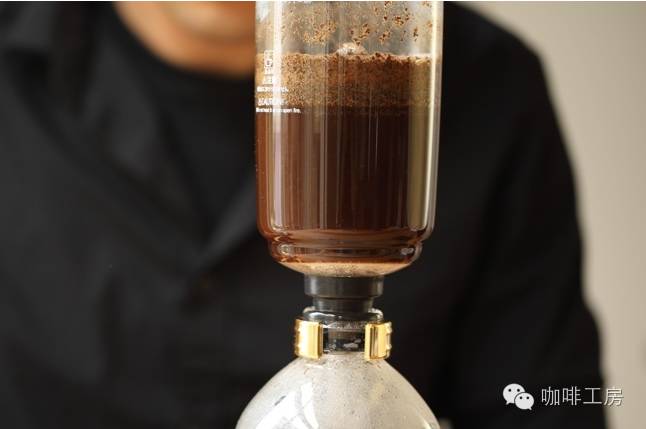
Using immersion, however, does not mean skipping the filtering step. The AeroPress needs filter paper or a metal filter to strain the coffee, and siphon makers pair with a filter assembly of spring hook, mesh screen, and filter cloth, though filter paper or metal filters can also be used. Different filter combinations change the flavor: an AeroPress made with paper tastes different from one made with a metal filter. Because paper absorbs oils, a metal-filter AeroPress gives a richer mouthfeel, while a metal-filter siphon occasionally produces metallic notes and a sharper cup, whereas a ceramic filter gives a smoother mouthfeel and is less prone to flavor residue.
Siphon Coffee vs. Pour-Over Coffee
Pour-over has become the mainstream method in today's specialty scene and is beloved by many drinkers, known for producing coffee with distinct front, middle, and after-notes from just a few simple steps. Siphon coffee is comparatively understated, which leads many to think it is just an elaborate version of pour-over.
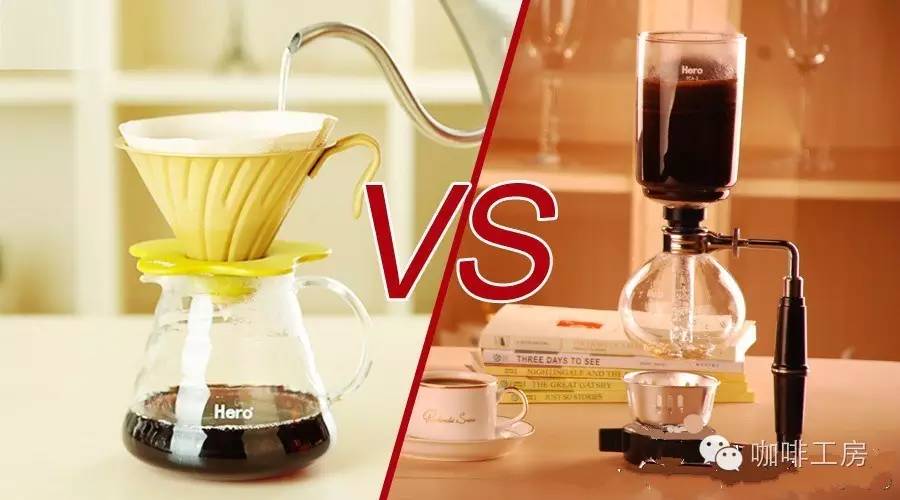
Several key points describe the differences.
1. Different Filtering Equipment
Pour-over requires a dripper, filter paper, and gooseneck kettle, while siphon requires a siphon pot plus an alcohol lamp or halogen heater.
2. Different Extraction Methods
Pour-over uses the filtration extraction method; siphon uses immersion extraction.
3. Different Extraction Times
Pour-over extraction typically takes 2 minutes 30 to 45 seconds, though the "drip method" can run over 4 minutes; siphon extraction is at least 2 minutes shorter, usually completing in 50 to 60 seconds.
4. Different Flavors and Mouthfeel
Thanks to its unique extraction, siphon coffee tastes more aromatic and richer than pour-over, which likely relates to filter paper absorbing some oils. Using a filter cloth for pour-over can add richness.
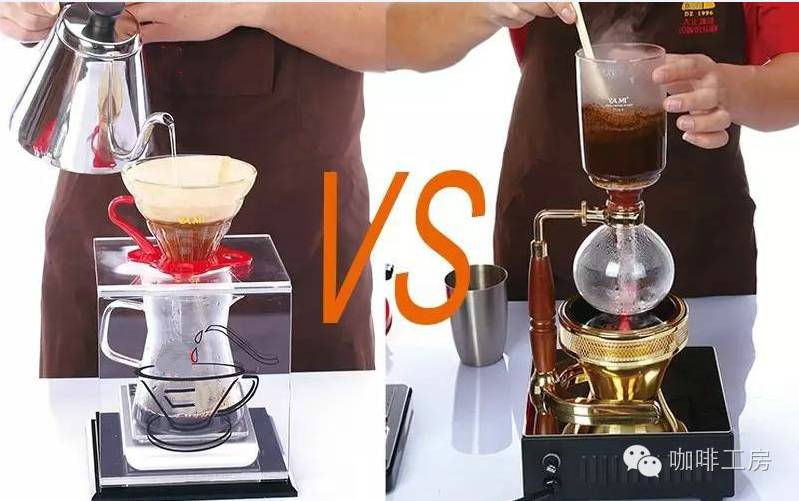
Pour-over is irresistibly dominant, and its greatest charm lies in the ability to taste flavors beyond conventional coffee perceptions, whether fruity acidity or nutty notes, with rich, multi-layered complexity and very distinct front, middle, and after-notes.
Siphon best expresses coffee's original flavor, aroma, acidity, and bitterness, highlighting the taste differences between single-origin coffees, with relatively rich, mellow flavors and high aromatic intensity.
Siphon excels in thickness and richness, while pour-over is known for its elegant, light sweetness and complex acidity. Each has its own merits.
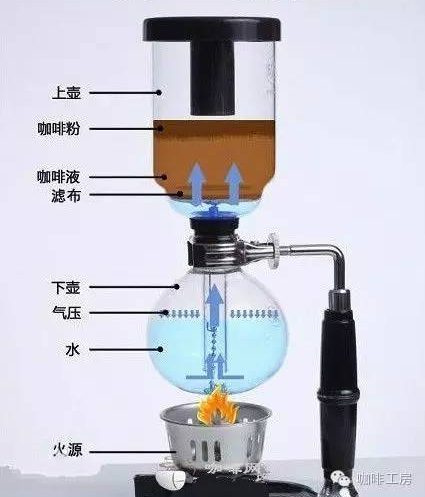
How a Siphon Pot Works
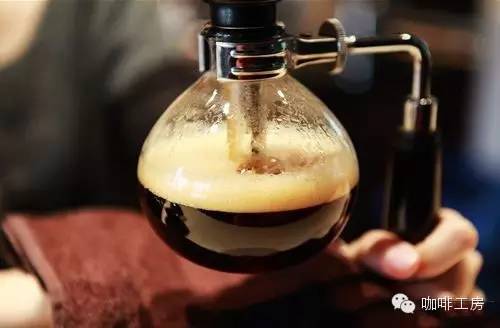
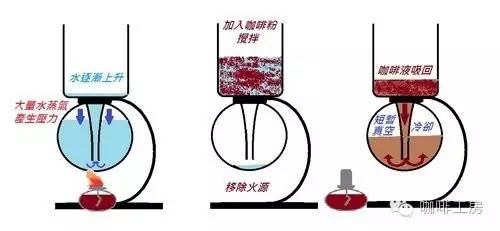
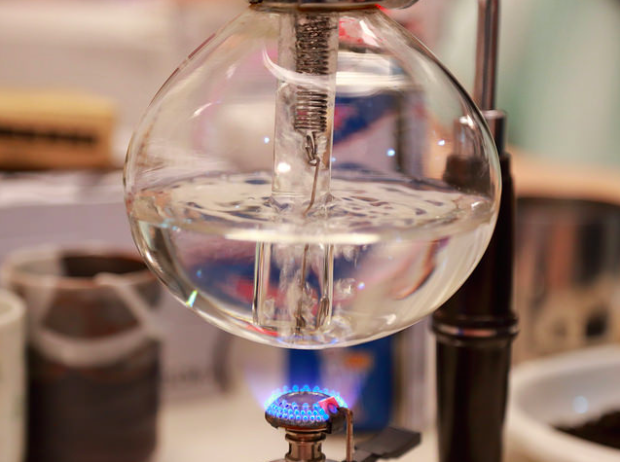
The core principle of siphon extraction is a pressure difference. First, heat the water in the lower chamber to boiling, then insert the upper chamber, creating a vacuum in the lower chamber. Because of the pressure difference between the two chambers, the hot water rises to mix with the grounds in the upper chamber for extraction. When extraction is complete, remove the heat source from the lower chamber, so the pressure difference instantly drops and gravity draws the coffee liquid back down into the lower chamber.
To speed up the return flow, wipe the lower chamber with a damp cloth. That reduces the pressure difference between the chambers and makes the coffee liquid return faster.
Siphon Pot Measurement Standards
1. Water Measurement for the Lower Chamber
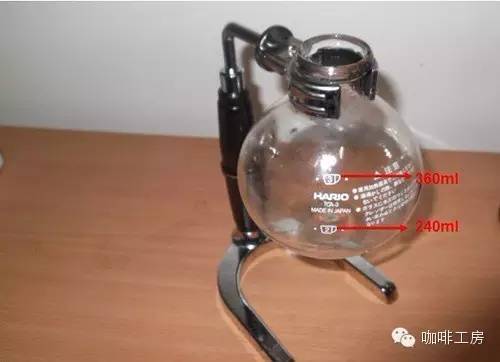
Siphon pots generally come in 2-cup, 3-cup, and 5-cup sizes. A 2-cup holds 2 cups, each with a standard capacity of 120ml and a maximum of 240ml. A 3-cup holds 3 cups, each a standard 120ml, for a maximum of 360ml. A 5-cup holds 5 cups, each a standard 120ml, for a maximum of 600ml. The markings on the pot indicate capacity: N markings mean a water capacity of N x 120ml.
2. Coffee Ground Measurement
Making one cup (120ml) in a siphon generally requires about 15g of grounds. The siphon coffee spoon typically holds 10g, so one cup needs 1.5 spoons of grounds. For more cups, just add the corresponding amount. Two cups usually require 3 spoons, or 30g.
In Summary
One cup of coffee needs 120ml of water and 15g of grounds. Two cups need 240ml of water and 30g of grounds. You can of course raise or lower the dose per cup to taste, generally within a range of 10-20g.
Choosing a Siphon Pot
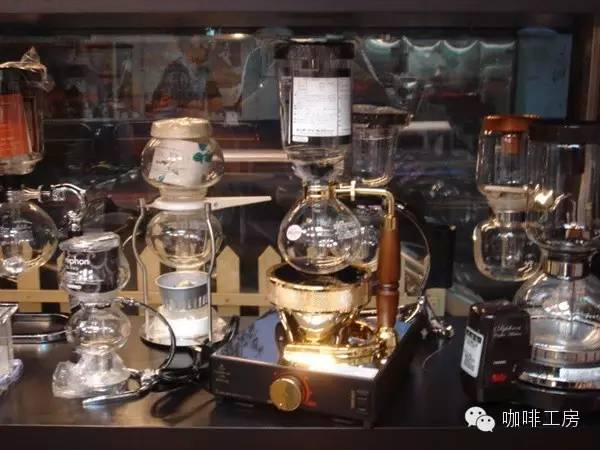
Siphon pots on the market fall into three broad categories: domestic, Taiwan-made, and Japanese-made, with prices rising accordingly. Taiwan-made brands include YAMI, and the best-known Japanese brand is HARIO.
One thing to consider is the glass: choose high-temperature-resistant glass that can withstand temperature differences. Then consider capacity, since siphon pots come in 2-cup, 3-cup, and 5-cup sizes. Prices range from 100 to 200 yuan.
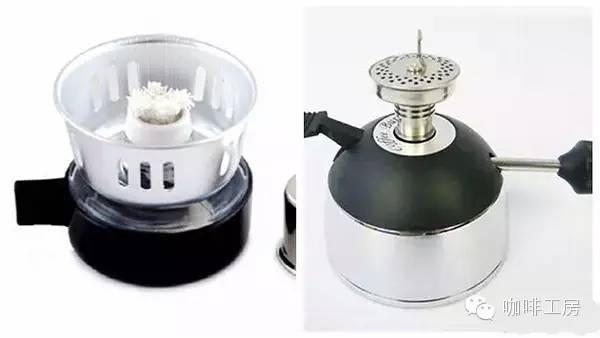
For the heat source, most standard kits include an alcohol lamp, while some people buy a separate gas burner. Alcohol lamps cost about 10-20 yuan online, while gas burners cost about 80-100 yuan.
Alcohol lamps are easy to buy and inexpensive, but they can blacken the pot bottom, so choose high-purity alcohol. High-end cafes now favor halogen lamps, also called halogen heaters, which heat quickly and stably, similar to a microwave, while capping the maximum temperature. Their only drawback is the cost.
There are also electric heaters, though their efficiency is questionable.
Stirring sticks are usually given away free, but you can buy them separately. Choose bamboo, not other materials.
It is best to buy several spare filter cloths. They are made of thickened cotton, turn yellow with repeated use, and can mold if stored improperly, so replace them often to keep filtration clean. Keep one or two extra on hand; a pack of 10 generally costs under 20 yuan.
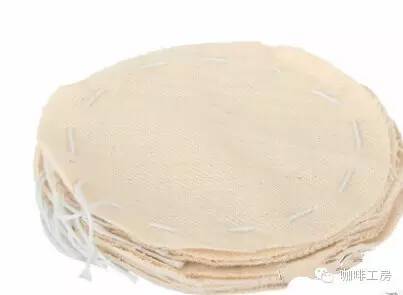
Other essentials such as a thermometer, timer, and towel are self-explanatory.
The Siphon Brewing Process
Just as pour-over has many schools of thought, there are many ways to brew with a siphon. Nobody dictates one correct method. The process below is our own and does not claim to be 100% "standard."
1: Heating
Add boiled water to the lower chamber, preferably purified water that has been boiled. Then wipe the bottom and surface of the pot dry to prevent cracking while heating.
You can also start with cold water, but it will take much longer, especially with an alcohol lamp.
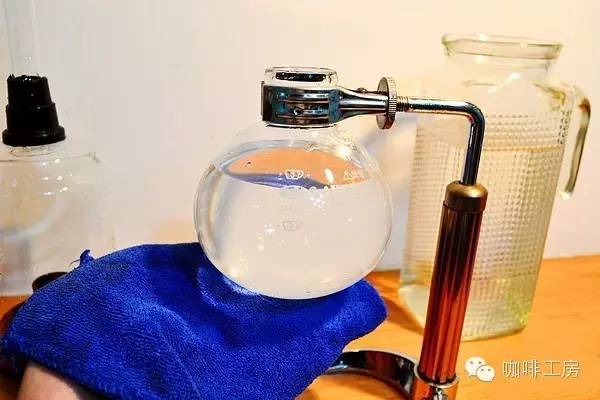
2: Prepare the Upper Chamber
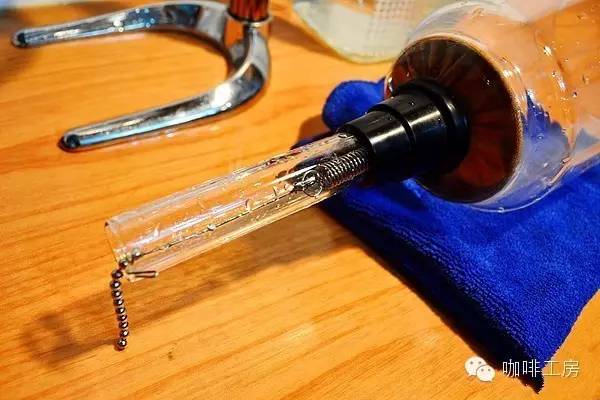
Set the filter cloth into the upper chamber, pull the small hook at the bottom of the cloth to catch on the tube opening, use the stirring stick to center the cloth, then set the upper chamber onto the lower chamber. Do not insert it vertically yet; place it at an angle.
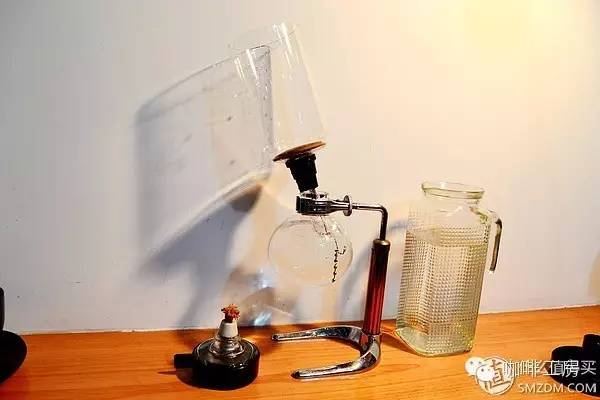
3-1: Adding Coffee First
Adding coffee first means putting the grounds into the upper chamber before the water rises. It is best to test first by boiling an empty pot to check whether the filter is centered. If it is not, the water will produce large, continuous bubbles.
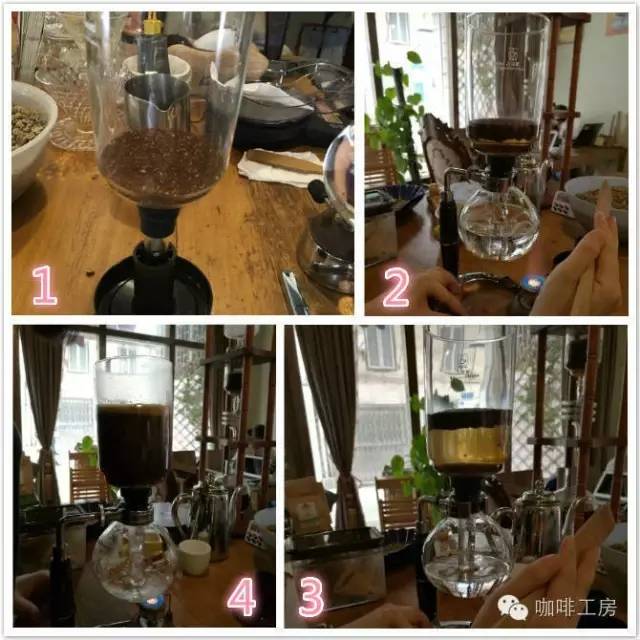
3-2: Adding Coffee Later
In contrast, adding coffee later means letting all the water rise to the upper chamber before adding grounds. Before adding them, you have ample time to lower the heat source to just enough to keep the water from falling back, then adjust the filter position to keep it centered.
Typically, when the water first rises, the temperature is around 90-95°C, so let it drop by 2-5 degrees before adding grounds. Stirring accelerates cooling.
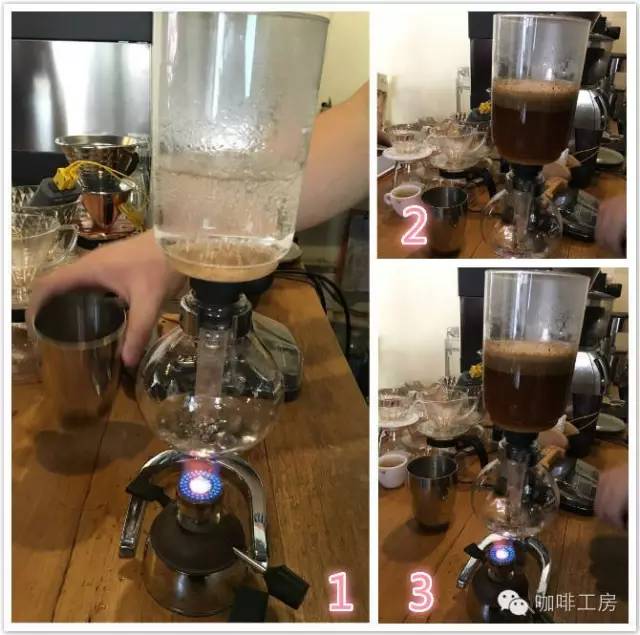
4: Stirring
Stir the grounds clockwise from the outer edge toward the center for 10 seconds so all grounds are immersed. Start timing, and after 45 seconds, a stage we usually call blooming, stir the coffee liquid again in a clockwise or cross pattern for 5 seconds. After 50-55 seconds from adding the grounds, turn off the heat, quickly remove and extinguish the alcohol lamp, then wait for the coffee liquid to begin flowing back from the upper chamber to the lower chamber.
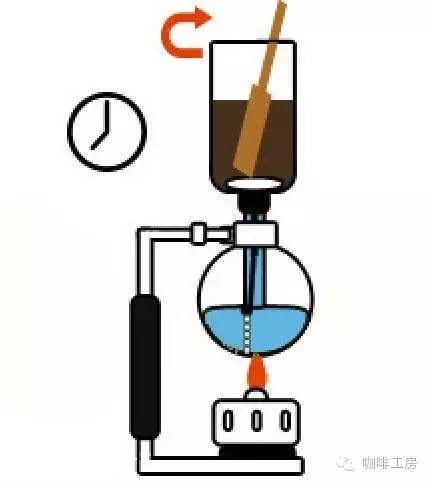
5: The Return Flow
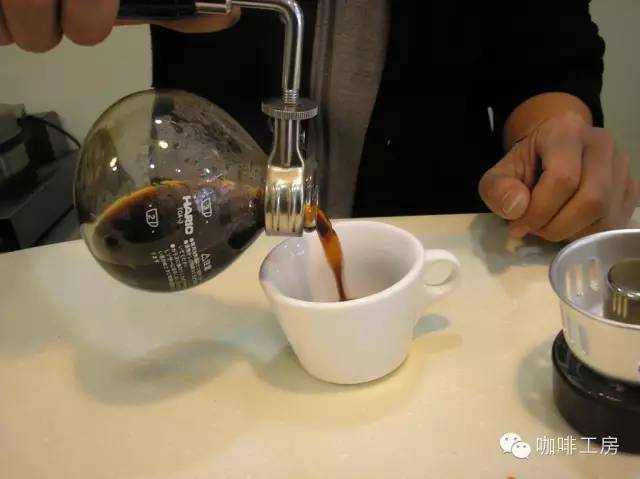
During the return flow, wiping the lower chamber with a semi-damp towel quickly reduces the air pressure inside it, speeding the coffee back down to avoid over-extraction.
Finally, remove the upper chamber. Do not pull straight up; instead rotate slightly and shake gently from side to side to loosen it.
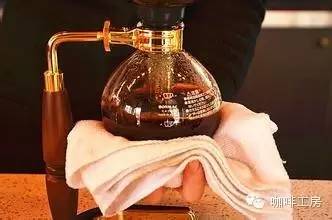
Siphon Extraction Times
Practical parameters:
30-45 seconds: medium-dark and dark roast beans.
45-60 seconds: moderate strength, suitable for light, medium, and light-medium roasts.
60+ seconds: concentration, viscosity, aroma, and bitterness all increase, suitable for those who prefer a heavy taste.
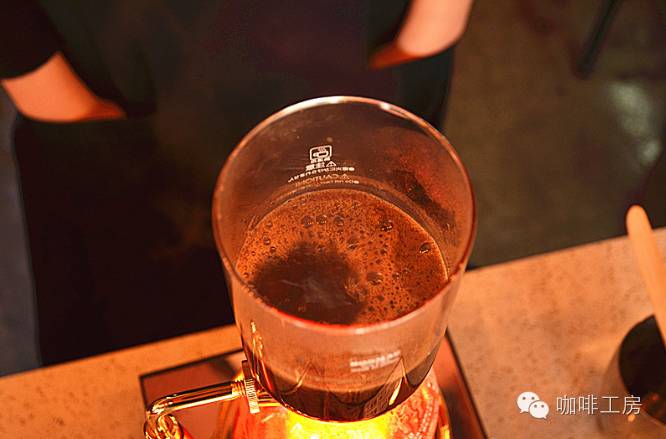
Adding Coffee First vs. Later
Adding Coffee First
Adding coffee first demands greater control over heat. You need to adjust the heat to the right level while the water is rising so no large bubbles form and disrupt the bloom. Its advantage is that it gives the grounds a gradual wetting, reducing the number of initial stirs and promoting a better bloom. Temperature control, however, is poorer, making the timing of inserting the upper chamber especially important. Adding coffee first looks simple but actually requires more experience than adding it later.
It emphasizes high clarity, sufficient and long-lasting aroma, and a complete flavor presentation, but demands high skill: poor control easily leads to under- or over-extraction with wide swings.
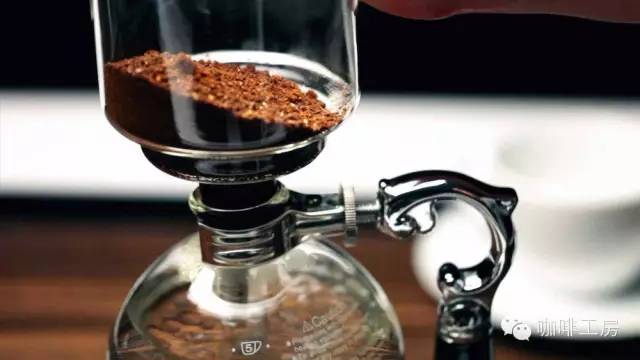
Adding Coffee Later
When adding coffee later, as long as you lower the heat to just enough to keep the upper-chamber water from falling back, the siphon temperature can also be fine-tuned. Usually the water rises at around 90-95°C, so let it drop 2-5 degrees before adding grounds. Stirring accelerates cooling.
In general, the higher the temperature, the stronger the bitterness and the greater the risk of burnt flavors. Lower temperatures bring out more acidity and aroma, but if too low they cause under-extraction, reducing body and making the acidity sharply sour. Choosing the right temperature for the coffee you are extracting is therefore crucial.
Adding coffee later produces a rich mouthfeel, full body, and prominent mid-range flavors. Clarity is weaker, aroma is less prominent and less elevated, and temperature control matters greatly.
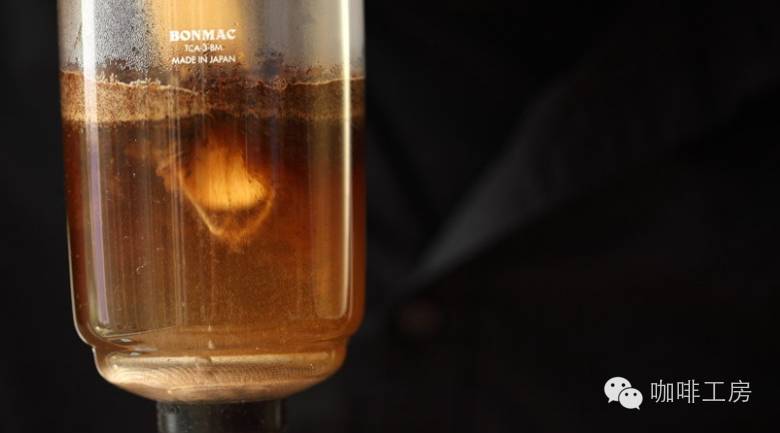
The above is a personal brewing experience shared for reference.
Important Details for Siphon Brewing
1. The lower pot must be wiped dry, with no water droplets.
2. When removing the upper chamber, tilt right, return to center, then pull up; do not break it.
3. The spring under the middle filter must be pulled tight, the hook engaged, and pulled to the center.
4. When inserting the upper chamber, insert it tightly, but not too forcefully.
5. Watch water quality: use pure, filtered, or magnetized water; avoid mineral water and distilled water.
6. Temperature should be between 85°C and 95°C.
7. Brewing time: complete extraction, from water-ground contact to the end of filtering, should be 50-60 seconds, and not much longer.
8. Coffee beans must be fresh.
9. Coffee is best when freshly ground and freshly brewed.
10. Mind the wind direction; do not let it blow directly on the heat source.
11. Mind the heat-source size: high, medium, low, or micro heat.
12. Loosen the used grounds by tapping, discard them, then rinse the upper pot with clean water.
13. Grind setting should fall between 2.5 and 3.5; the basic principle is dark roast ground coarse, light roast ground fine, with new grinders set higher and old grinders lower.
14. Pre-warm the coffee cups.
15. Keep filters soaked in clean water or refrigerated when not in use to extend the cloth's life.
16. When removing the upper chamber, grip the lower chamber handle firmly with your left hand.
17. Use hot water in the lower chamber to save boiling time.
18. The stirring method must be correct; do not stir in circles.
19. Discard the remaining clean water in the lower chamber, and separate the remaining foam as the coffee finishes descending.
20. When stirring with the wooden stick, insert it only two-thirds of the way and do not scrape the bottom filter.
21. Do not let the wooden stick touch other moisture and then return to stirring.
22. Coffee grounds and water amounts must be correct.
23. When finished, cover the upper chamber with your hand and smell, or fan it with your hand and then smell.
24. When wiping the lower chamber with a damp cloth, wipe the bottom first, then the left and right sides, to prevent cracking.
25. The coffee bean blend must be correct.
26. Wait until the water is nearly boiling and bubbling before inserting the upper chamber.
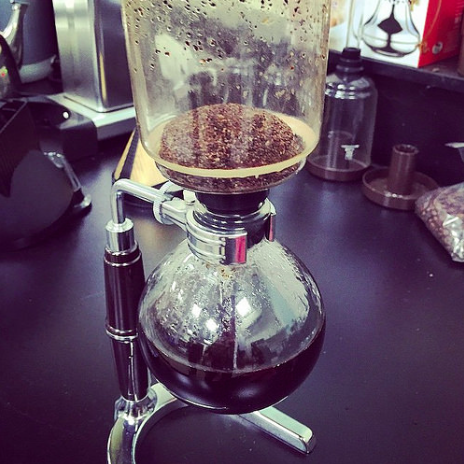
Tasting Siphon Coffee
The mouthfeel of siphon coffee varies not only with the beans but also with the heat source, which creates high, medium, and low temperature phases during brewing and thus rich flavor variation.
When you drink it, the first sensation is heat, then sweetness, with acidity emerging as the temperature drops slightly. At high temperature the aroma is very intense. As it cools to around 70°C, the beans' inherent richness gradually emerges in full.
So do not be impatient with siphon coffee: let it cool a little, then savor it carefully.
Siphon Pot Cleaning Tips
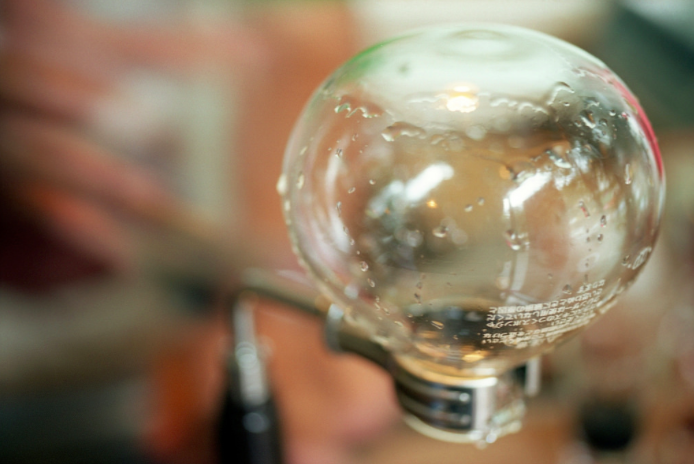
1. Hold the upper-chamber glass tube and gently tap three times near the opening with your left palm.
2. Tap three more times around the glass to loosen the coffee powder.
3. After discarding the grounds, rinse the inner edge of the upper chamber with clean water, rotating once as you rinse.
4. Rinse the filter directly with clean water to clear residue.
5. Remove the filter spring hook and wash it thoroughly.
6. Use both hands to squeeze and twist dry in circular motions; when not in use, keep the filter and cloth in water to prevent oxidation.
7. Use a cup brush and detergent to scrub the upper chamber, taking care not to break the opening or knock the glass tube against the sink or cups.
Siphon Coffee Video
For a perfect demonstration of the complete siphon process, watch the barista from Intelligentsia Coffee in Chicago.
FrontStreet Coffee Siphon Bean Recommendations
FrontStreet Coffee's freshly roasted single-origin beans for the siphon, such as FrontStreet Coffee's Yirgacheffe and FrontStreet Coffee's Mandheling, offer full assurance in both brand and quality and suit a range of brewing methods. More importantly, they deliver outstanding value: a half-pound (227g) bag costs only about 70-90 yuan. At 200ml per cup of single-origin coffee with a 1:15 ratio, one bag makes 15 cups of specialty coffee for just 5-6 yuan each, extremely cost-effective compared with the dozens of yuan a cafe typically charges.
FrontStreet Coffee: a Guangzhou-based roastery with a small shop but a diverse range of beans, where you can find many famous and lesser-known lots. They also provide online shop services at https://shop104210103.taobao.com
FrontStreet Coffee Recommendation
The siphon is an immersion brewer, and its closest everyday cousin is the French press. For a bean that suits this style, FrontStreet Coffee's Strawberry Candy, a Geisha blend of Costa Rican honey-processed coffee and Panama washed Geisha, is a great choice. Steeped in a French press it gives off rose, citrus, grape, and raisin aromas, and with milk it turns into the aroma of strawberry soft candy.
If you prefer a low-acid, full-bodied black coffee, reach for FrontStreet Coffee's PWN Golden Mandheling. As one of Asia's most famous specialty coffees, it goes through three hand sorts and one machine sort, so the beans are even and translucent; after a medium-dark roast they are large and carry rich spice, caramel, cedar, and dark chocolate aromas with a full body and good oils. With a French press or siphon, grind coarse like raw sugar (EK43s setting 10.5, hand grinder setting 26) and start from a 1:15 ratio, 4 minutes of steeping, and water about 1-2°C above your usual pour-over temperature.
Important Notice :
FrontStreet Coffee is a long-established specialty coffee roaster in Guangzhou China, selling freshly roasted beans from its own farm in Yunnan as well as dozens of carefully selected single-origin beans from around the world for both pour-over and espresso. The products deliver consistently excellent quality and great value, with shipping within 24 hours. Guangzhou's FrontStreet Coffee shop is recommended by many coffee lovers, and the beans are now available online at the Tmall 。
FrontStreet Coffee has moved to a new address:
FrontStreet Coffee Address: 315,Donghua East Road,GuangZhou
Tel:020 38364473
 Scan and follow the En Gafei WeChat official account. Please indicate that the reprint comes from "En Gafei".