Specialty Coffee Bean Origins Varieties Characteristics Latte Coffee Arabica Espresso Blend Coffee Bean Recommendations
Understanding Coffee Varieties: Arabica and Beyond
Nowadays many coffee merchants have set off on new journeys with their coffee drinks, and plenty of them lean on Arabica as promotional material, all claiming to use "100% Arabica." Some even go so far as to announce: Freshly ground black coffee, 100% Arabica!
Dear reader—Arabica is a coffee bean variety, not a type of coffee.
Coffee Varieties
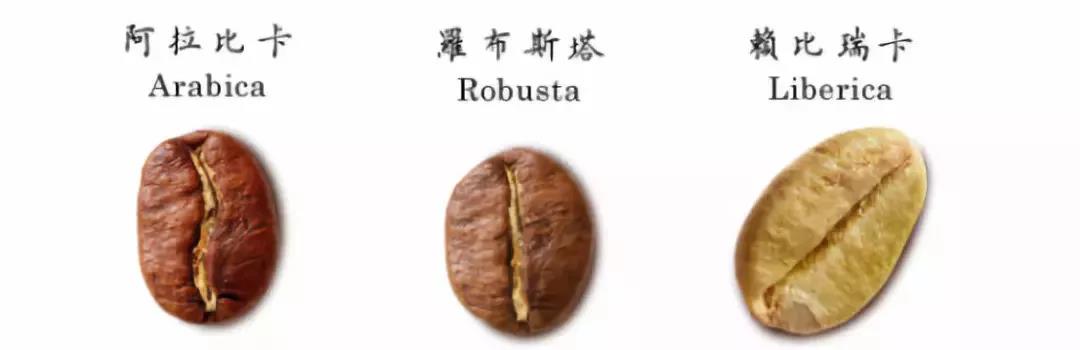
The three major native coffee varieties are Arabica, Robusta, and Liberica. Arabica ranks first in production at roughly 60-70% of the world's total coffee output, with sub-varieties such as Bourbon and Typica. Robusta accounts for about 30-40% of global production. Liberica makes up only 3% of the total, grown mostly in the Asia-Pacific region.
Liberica, also known as large-seeded coffee, is extremely vigorous, but its flavor is weak and it resists leaf rust poorly. With cultivation below 1%, it has essentially withdrawn from the commercial market and survives mainly in scientific research. So today our focus falls on Arabica and Robusta.
Arabica Coffee Bean Variety
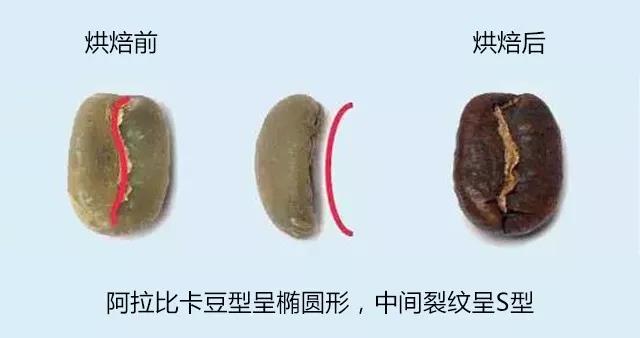
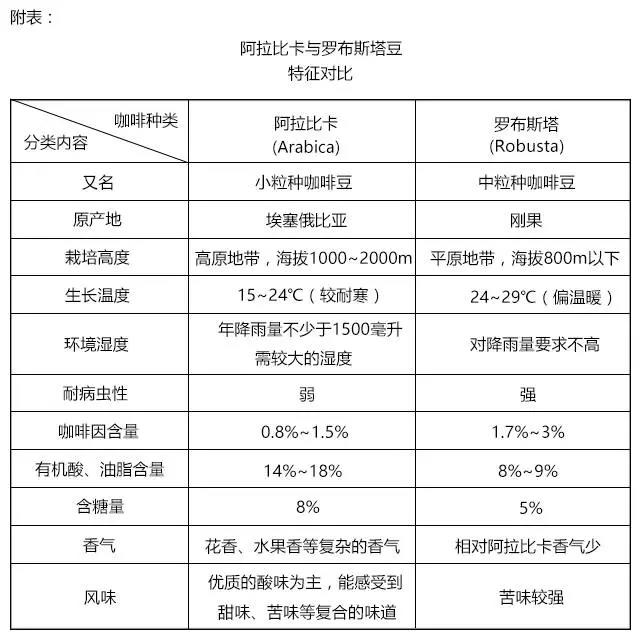
Arabica, also called small-seeded coffee, originates from Ethiopia. The trees mostly grow at altitudes between 1000-2000 meters; they are fairly cold-hardy, suited to growing temperatures of 15-24°C, and demand high humidity with annual rainfall of no less than 1500 millimeters—not to mention skilled cultivation. Arabica trees are large shrubs with oval, deep green leaves and elliptical fruits that usually contain two slightly flattened beans: long-elliptical from the front, with a narrow, S-shaped curved crack down the middle and a relatively flat arc on the back. Caffeine content is approximately 0.8%-1.5%.
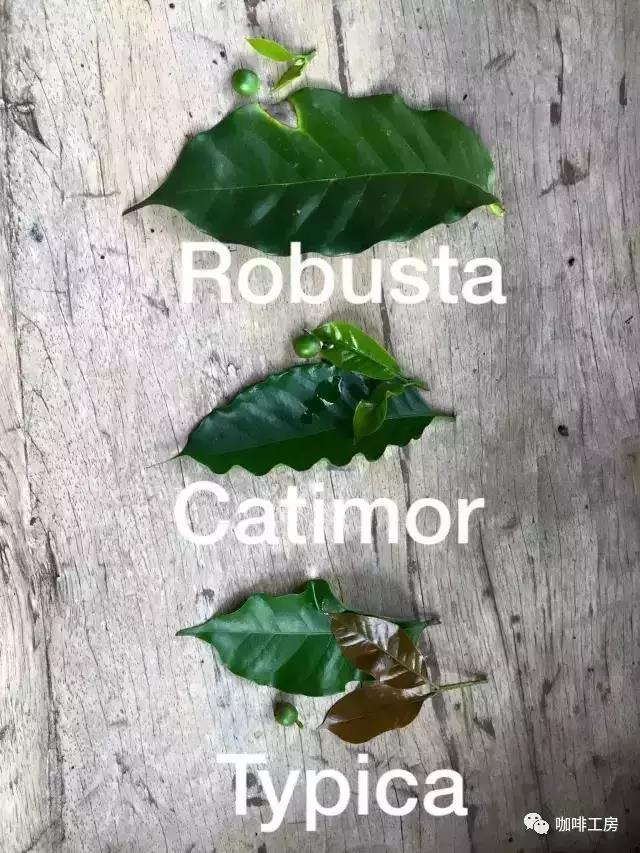
The excellent flavor and aroma of Arabica make it the only one of the three native varieties that can be drunk straight as a single origin. Jamaican Blue Mountain, Indonesian Mandheling, Yirgacheffe, and Brazilian coffee all belong to this category. But its resistance to drought, frost, pests, and disease is weak—it is especially intolerant of coffee's greatest enemy, leaf rust—so producing countries keep working to improve the varieties.
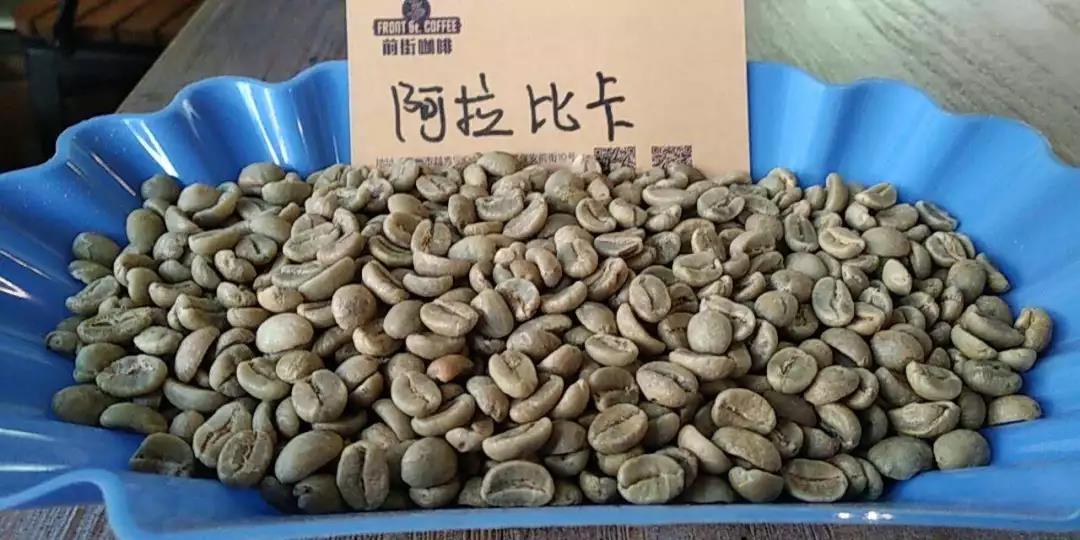
Arabica grown in different regions, altitudes, and climates develops its own character and completely distinct flavors. Unroasted, it smells of fresh grass; after proper roasting it shows "fruit aroma" at light-to-medium roast and "caramel flavor" at dark roast. It suits single-origin brewing and all kinds of blends, and it can be prepared with virtually every extraction method.
Robusta Coffee Bean Variety
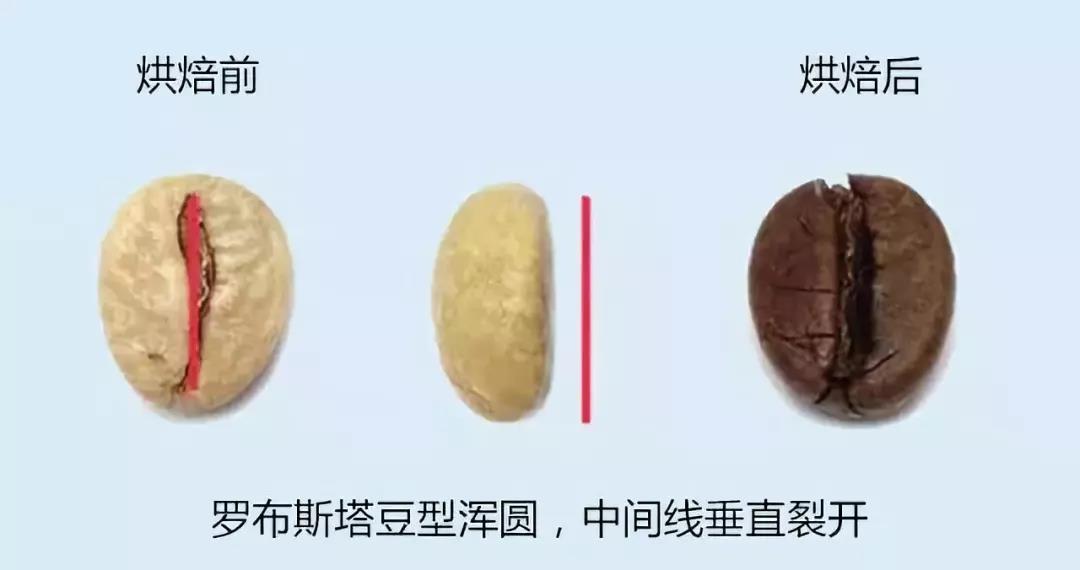
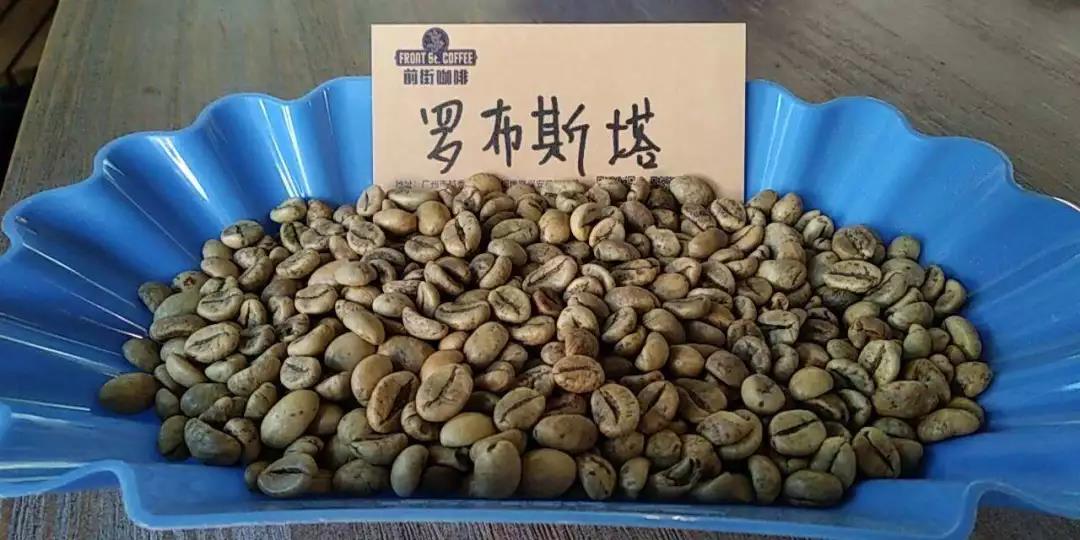
Robusta, also called medium-seeded coffee, originates from Congo in Africa. The trees are mostly planted in lowlands at 200-800 meters; they prefer warm climates, need temperatures between 24-29°C, and are not demanding about rainfall. This variety relies on insects or wind for pollination, so the fruit takes 9-11 months from pollination to ripening—longer than Arabica.
Robusta trees sit between shrubs and tall trees, with longer, bright green leaves; a tree can reach up to 10 meters tall, though the roots run very shallow. The fruit is fuller than Arabica beans, cracking along a vertical center line, flat or bulging in the middle from the side, and noticeably harder to the touch—like little stones.
Robusta's Flavor Generally Falls Short of Arabica
The Value of Robusta
As a very important variety in the coffee world, Robusta has made indelible contributions commercially. Its value is not to serve as a negative example that flatters Arabica's flavor—Robusta holds an unshakable position in espresso blends. Italian blends add a small amount of Robusta to boost body and produce espresso with richer crema.
Once espresso meets milk, the result is a rich, full-bodied drink. Milk coffee becomes creamier and mellower thanks to the complementary pairing of Robusta and Arabica: Robusta supplies the body that Arabica lacks.
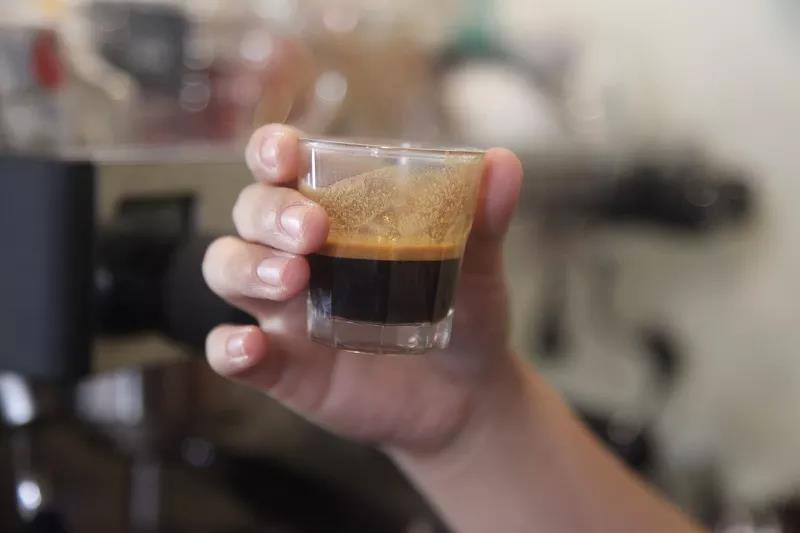
[Robusta]
Mainly used in espresso blends to add body and obtain rich crema. Though Robusta's flavor cannot rival Arabica's, it has its own value.

Beginner Questions:
1. What's the difference between 10 yuan coffee and 30 yuan coffee?
Looking at the coffee market, beans fall mainly into two categories: commercial beans and specialty coffee beans. On price, Robusta international futures run about $1,686 per ton, which works out to roughly 11.5 RMB per kilogram at today's exchange rate. Specialty coffee beans cost several times more than commercial beans. From a cost standpoint, commercial beans obviously leave fatter margins, but their flavor falls far short of specialty coffee, and they are mainly used for Italian-style drinks like lattes and cappuccinos.
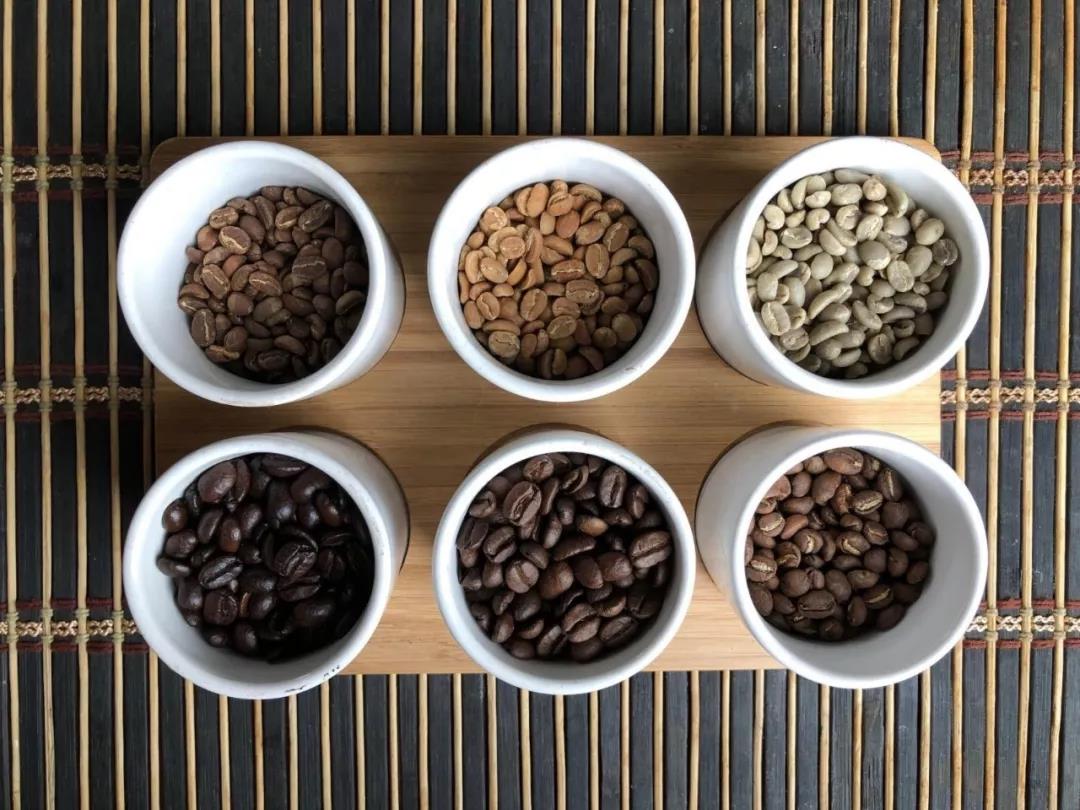
Between commercial coffee and specialty coffee, 10 yuan and 30 yuan do mark a real quality gap. Simply put, specialty coffee beans are high-quality raw beans roasted with fine technique to restore the flavor inherent to that particular bean and no other. They are processed with care—meticulous washing and sun-drying and other refined green-bean treatments give the coffee "layered," "fruity-acidic," "sweet," and "mellow" character.
Specialty beans cost several times more than commercial beans, so from a cost perspective commercial beans clearly carry bigger margins. Large-scale batch production and packaging generally signals commercial beans.
From the standpoint of individual bean flavor, commercial beans are generally chosen for blending. They are cheaper, and both the raw beans and the roasting follow mass-production standards. The biggest difference between specialty and commercial coffee lies in quality and price: specialty beans might run 90 yuan per pound while commercial beans can dip as low as 40-50 yuan per pound.
That said, blends can produce very tasty coffee too—it all depends on which beans go into the blend.
2. "Blue Mountain Coffee" and "Kopi Luwak" are coffees; Arabica is a coffee bean variety
Most people have heard of "Blue Mountain Coffee" and "Kopi Luwak"—these are coffee beverages.
"Arabica" coffee, on the other hand, refers to the variety.
◆ "Blue Mountain Coffee" is coffee brewed from beans produced in Jamaica's Blue Mountains.
◆ "Kopi Luwak" comes from an animal called the civet, which eats coffee cherries and excretes the beans largely unchanged; people collect the beans from its droppings and process them.
So the "Arabica" we so often see today is actually a classification based on bean variety.
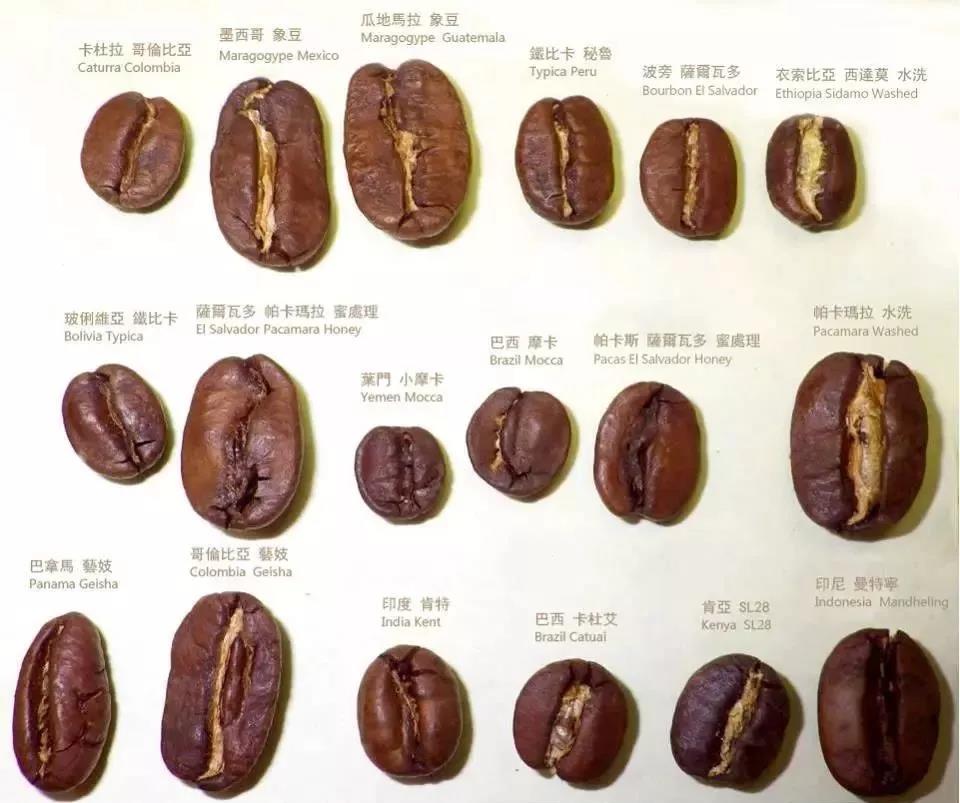
Coffee varieties divide mainly into three: Arabica, Robusta, and Liberica, with Arabica itself subdivided into Typica, Bourbon, Caturra, and more.
In fact, not every coffee made from Arabica beans is specialty coffee. Unfortunately, many people miss this point, and many brands exploit it, using "100% Arabica coffee beans" as a gimmick to make consumers assume their coffee must be excellent.
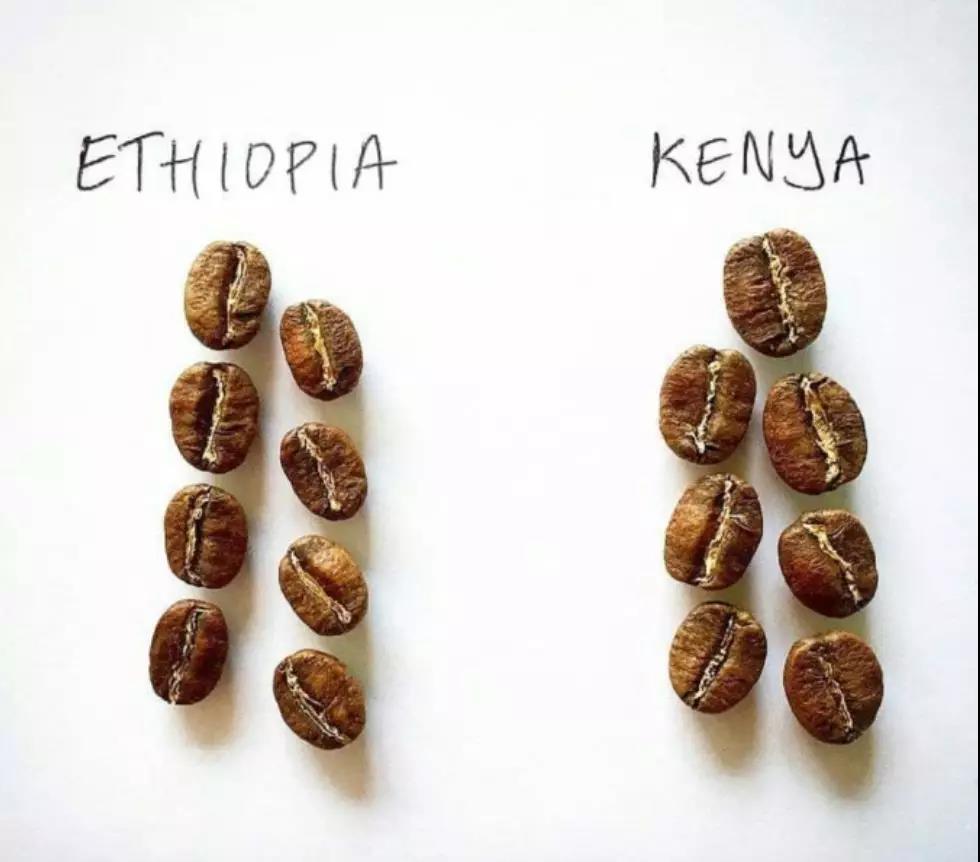
In "relatively professional" coffee shops, ordering single-origin coffee, you will almost never see "Arabica beans" as the selling point. At FrontStreet Coffee, for instance, you'll see words like "Kenya," "Colombia," "Yirgacheffe." Tasting single-origin coffee is how you learn the character and flavor of coffee from a particular country or region.
FrontStreet Coffee Recommendation
Ethiopia, the birthplace of coffee, remains a treasure land for lovers of Arabica, offering countless native varieties and faithful, distinctive flavors. FrontStreet's washed Yirgacheffe is the classic entry point: white jasmine florals, bright citrus and lemon acidity, and a tea-like finish—an affordable everyday bean that shows what great Arabica tastes like.
The Gedeb Cooperative lot from the Worka zone at Yirgacheffe's southeastern tip, once part of a YCFCU member cooperative and independent since 2012 with roughly 300 member farmers, is washed after the fruit pulp is removed, so its inherent character comes through clear and bright: citrus and lemon tones, elegant white florals, and a delicate, luminous cup.
And for those who want their Arabica in a blend or at the espresso machine, FrontStreet's natural Red Cherry lot—sun-dried for two weeks to 12% moisture, then machine- and hand-sorted bean by bean—brings peach, cocoa, honey, and lemon, proof of how far refined processing can lift this remarkable species.
Important Notice :
FrontStreet Coffee is a long-established specialty coffee roaster in Guangzhou China, selling freshly roasted beans from its own farm in Yunnan as well as dozens of carefully selected single-origin beans from around the world for both pour-over and espresso. The products deliver consistently excellent quality and great value, with shipping within 24 hours. Guangzhou's FrontStreet Coffee shop is recommended by many coffee lovers, and the beans are now available online at the Tmall 。
FrontStreet Coffee has moved to a new address:
FrontStreet Coffee Address: 315,Donghua East Road,GuangZhou
Tel:020 38364473
 Scan and follow the En Gafei WeChat official account. Please indicate that the reprint comes from "En Gafei".