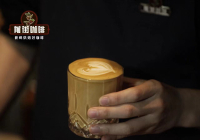
What's the Difference Between Iced and Hot Flat White? The Distinctions Between Cappuccino, Flat White, and Latte
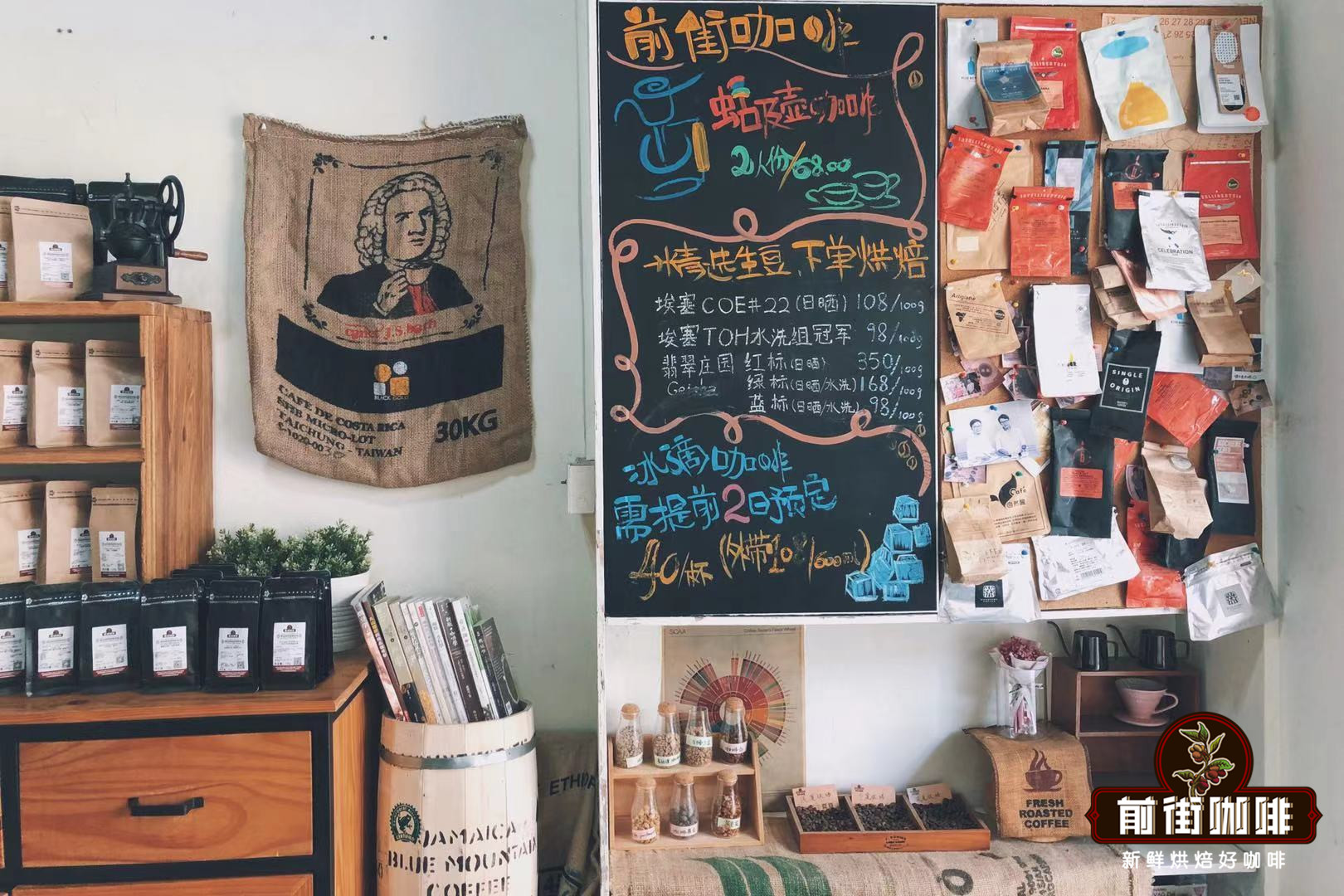
In January 2015, Starbucks in the United States began selling the flat white in several sizes, and that September the mainland China stores followed, dubbing it "Fu Rui Bai." Actually, Fu Rui Bai is simply what everyone calls the "Australian White." It's an espresso-based drink prepared much like a cappuccino or a latte — yet with its own personality. In this article, FrontStreet Coffee untangles the differences between these drinks.
The Foundation: Espresso
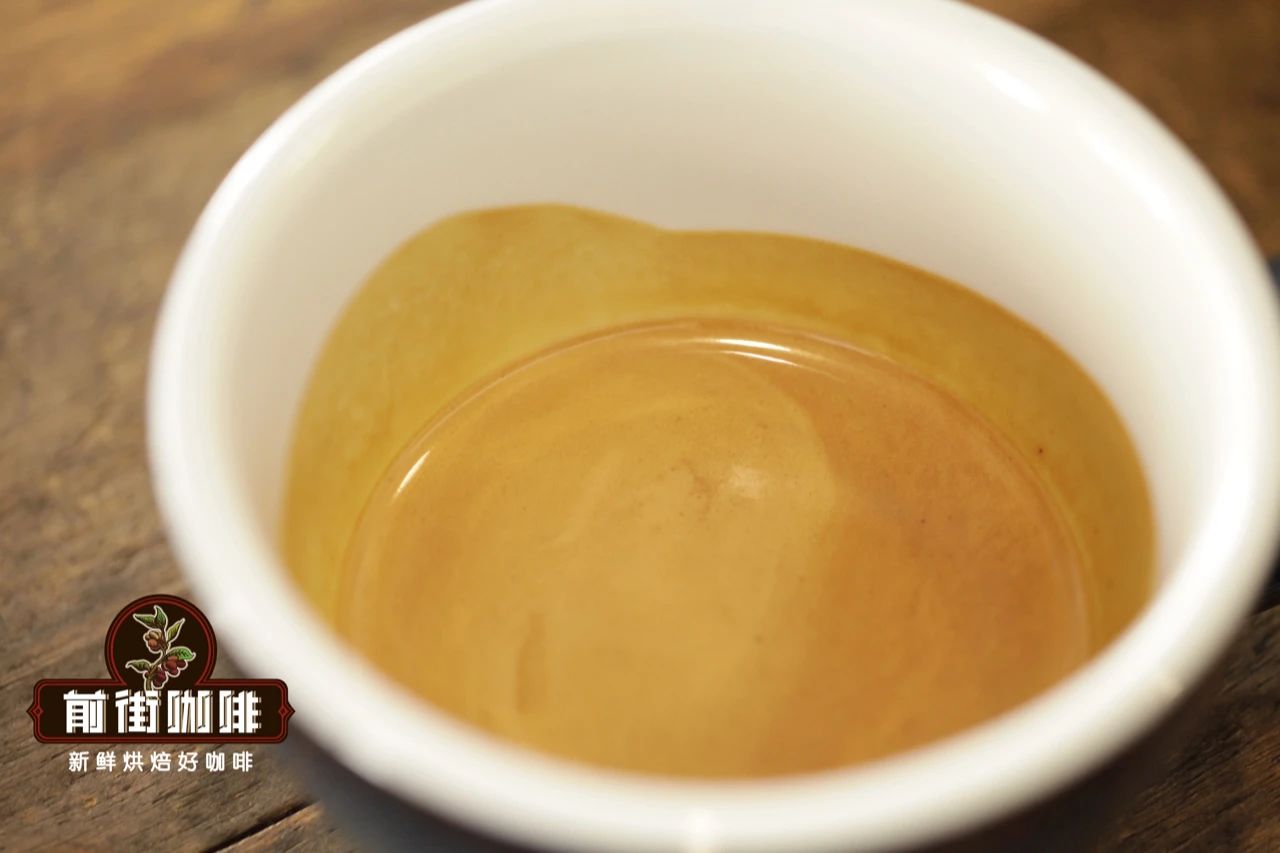
Cappuccino, flat white, and latte all stand on the same foundation: espresso. Espresso is the essence of Italian coffee culture and has gradually spread across the world. High pressure forces water through finely ground coffee, extracting the rich crema that espresso lovers prize.
Flat White: The Smooth, Coffee-Forward Choice
From that espresso base, different milk ratios create the whole family of milk drinks. The flat white — the Australian White — has a very thin foam layer and an extremely smooth texture, making it the most coffee-forward of the three. Some cafes build it on a single shot of espresso, others on a double ristretto.
The recipe varies so much because the flat white originated in New Zealand and Australia in the 1970s and 1980s before spreading worldwide, changing along the way. New Zealanders typically use a double ristretto, while Australians favor a single espresso — which is why every café's flat white seems to taste different.
Its foam is dense and thin, and the drink is served at a moderate temperature, so every sip combines the foam with the coffee milk beneath. Flat white is best served hot — that's the only way to truly appreciate its texture. Pour it over ice and the melting quickly dilutes the drink until it's essentially an iced latte.

When FrontStreet Coffee makes a flat white, we extract the espresso first, then froth the milk, choosing a 180ml tulip cup. The frothed milk is poured into the espresso and blended until the cup is 80% full, then finished with a simple pattern. Because flat white foam is thin, patterns lose their shape easily — simpler hearts or dots, or no latte art at all, is the safe route.
Cappuccino: The Rich Foam Choice
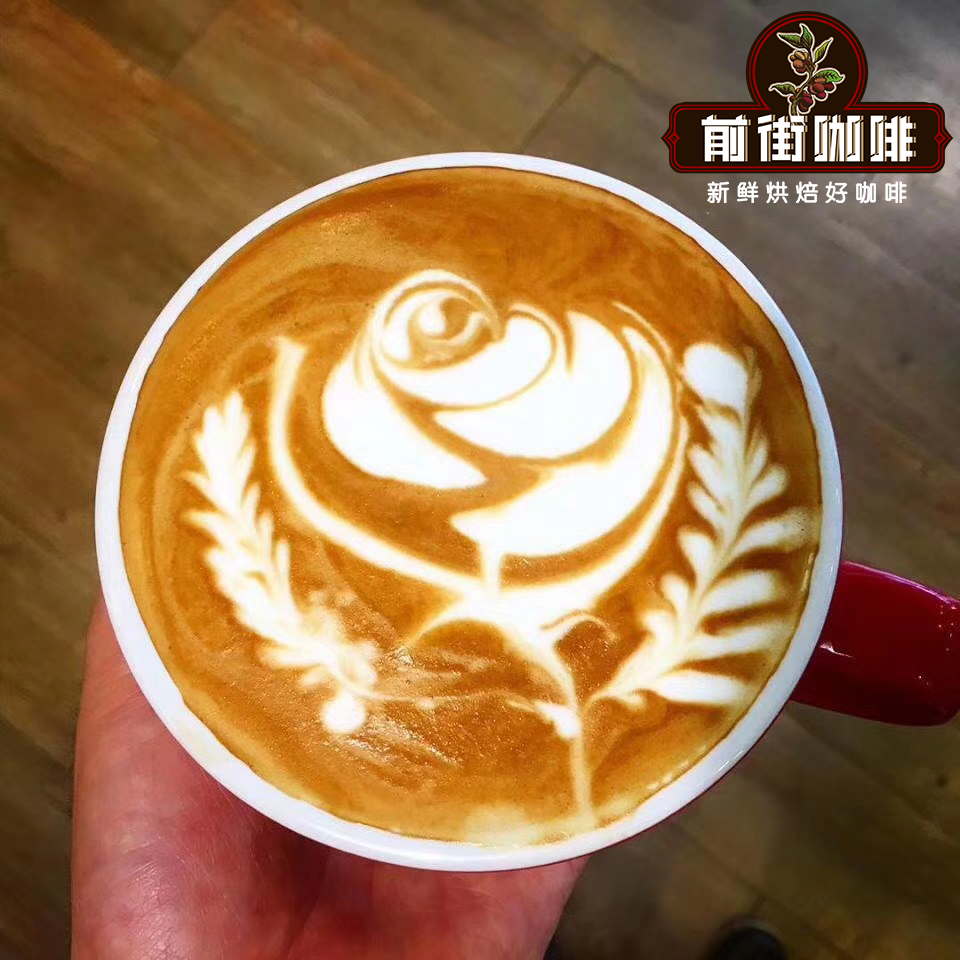
Cappuccino starts the same way as latte — extract espresso, froth milk — but diverges from there. It comes in two styles: dry cappuccino, with more foam and a rich, airy texture, and wet cappuccino, with less foam than the dry style but a milkier flavor. Both carry relatively thick foam. The latter style is more common in China — thicker foam with an appropriate amount of milk, creating a dense, velvety texture that wins many fans. FrontStreet Coffee thinks of cappuccino as a latte with less milk and thicker foam; the flavor is stronger than a latte, and the thicker foam gives it a more velvety mouthfeel. That's why we usually recommend cappuccino to customers who love thick foam.

Latte: The Milk-Forward Choice
Then there's the perennial favorite, the latte — "latte" simply means "milk" in Italian. FrontStreet Coffee describes a latte as milk with coffee flavor. Every café mixes it differently, but the general rule is more milk than coffee.
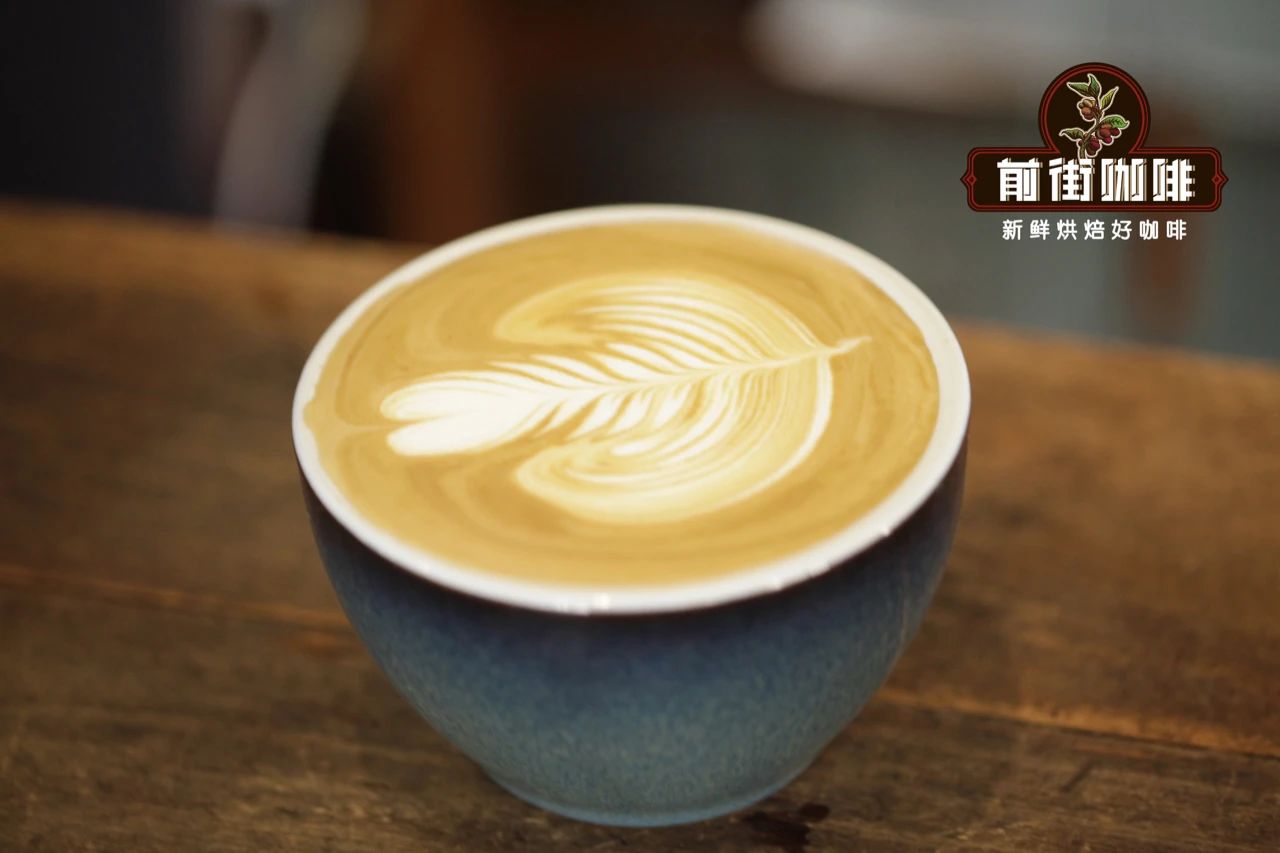
At FrontStreet Coffee, making a latte has three parts: extract the espresso, froth the milk, then blend the two for latte art. Our stores use the Sunflower Warm Sun blend as the espresso base — 60% sherry-barrel-aged beans blended with 40% natural Yirgacheffe. After repeated adjustment, the recipe landed at 20 grams of coffee extracting 40 grams of espresso in 28 seconds.
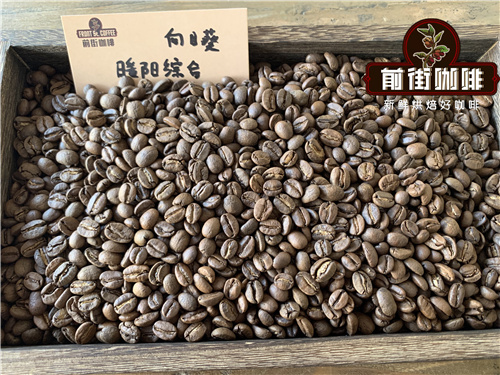
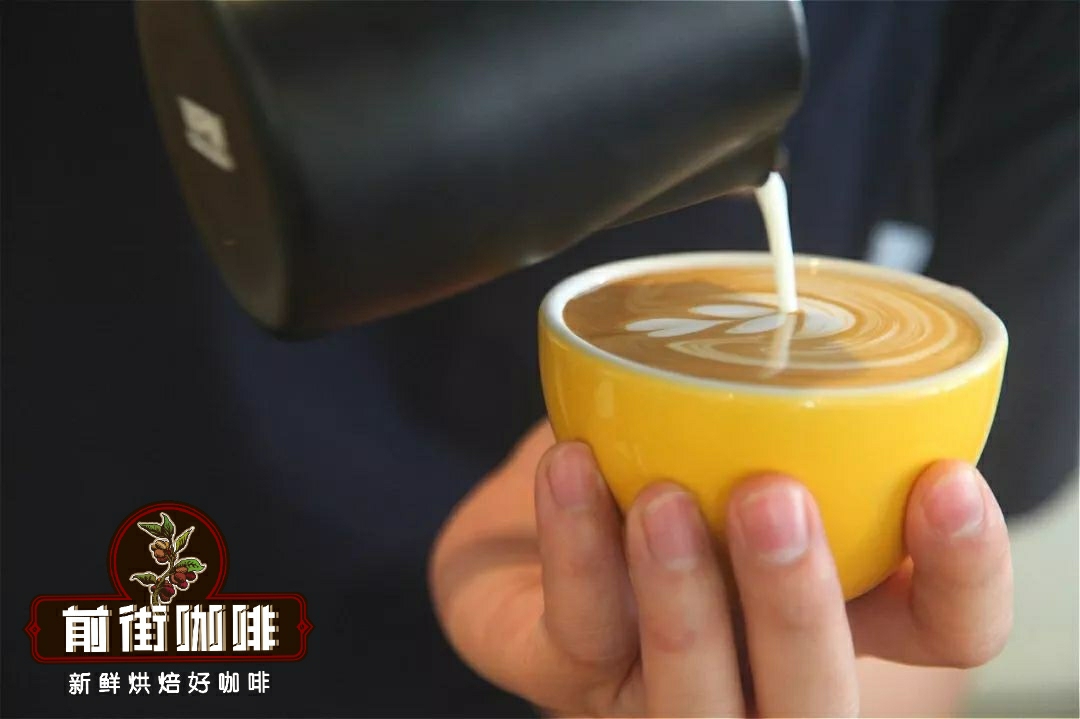
We serve lattes in a 300ml cup that holds 280ml of milk. The milk pitcher should never be more than 2/3 full, or milk easily overflows during frothing. Before steaming, briefly open the steam valve to purge condensation from the wand, then submerge the steam tip just below the milk surface and switch on.

Hold the steam holes at the milk surface — this is the aeration stage, louder, and it determines foam thickness. Once the foam approaches latte thickness, deepen the wand to smooth things out: submerge it fully, lower the pitcher slightly, and let the milk spin into a whirlpool under the steam. This stage determines foam quality. When finished, purge the wand again to flush out any residual milk. Good latte foam has a glossy surface, no visible bubbles, moderate thickness (about 1cm), and gentle fluidity. Blend it with the espresso, pour your pattern, and a fragrant hot latte is done.
Iced Latte: The Cool Alternative
And then there's iced latte, which is far simpler than the hot version. FrontStreet Coffee pre-chills the glass with ice, adds 100 grams of ice and 180 grams of milk, and finally pours in the espresso. Stir well and enjoy.

Which One Should You Order?
In short: a latte is milk with coffee flavor; a flat white is coffee with milk, very thin foam, and a smooth texture; a cappuccino delivers rich coffee flavor with a dense, velvety foam. Choose whichever suits your palate.
FrontStreet Coffee Recommendation
Every café has its own "secret flat white formula," but they all come down to three points: less milk, thinner foam, stronger coffee flavor. A great flat white starts with the right beans and the right milk — plus how well they blend. For home brewing, FrontStreet Coffee's Classic Blend, with its butter-and-cheese character, is a reliable pick: mellow, low in acidity, with full, silky crema that pairs beautifully with milk. If you chase floral and fruit aromas, the low-bitterness FrontStreet Coffee Strawberry Sugar blend pulls with vivid grape and blueberry notes — over fresh milk in a flat white it tastes remarkably like a strawberry milkshake.
Milk matters just as much. Too thin and the drink falls flat; too heavy and it buries the coffee's aromatics. FrontStreet Coffee recommends cold fresh milk, which steams into a sweet, creamy partner for the espresso. For reference, our own flat white recipe uses a ristretto base — 20g of coffee extracting 32g in 22-25 seconds — topped with 160ml of fresh milk and foam stretched to just 0.3cm, so the first sip lands all silky crema and cream-hazelnut, white chocolate sweetness.
Important Notice :
FrontStreet Coffee is a long-established specialty coffee roaster in Guangzhou China, selling freshly roasted beans from its own farm in Yunnan as well as dozens of carefully selected single-origin beans from around the world for both pour-over and espresso. The products deliver consistently excellent quality and great value, with shipping within 24 hours. Guangzhou's FrontStreet Coffee shop is recommended by many coffee lovers, and the beans are now available online at the Tmall 。
FrontStreet Coffee has moved to a new address:
FrontStreet Coffee Address: 315,Donghua East Road,GuangZhou
Tel:020 38364473
 Scan and follow the En Gafei WeChat official account. Please indicate that the reprint comes from "En Gafei".