The History and Origin of Geisha - Premium Geisha Coffee Bean Grade, Flavor, and Taste Characteristics

In 2003, the Peterson family discovered the potential of Geisha when, during its first cupping, it revealed an exceptionally intense white floral aroma, an extremely clean mouthfeel, and berry, citrus, and bergamot-like notes that together formed a very typical Panama Geisha profile. Amazed by these qualities, the group decided to enter the variety in the 2004 BOP (Best of Panama) competition under the name "Geisha."
Geisha's Origins in Ethiopia
Like many Arabica varieties, Geisha originates in Ethiopia, the birthplace of coffee. In 1931, Geisha was first collected from the wild Kaffa forest in southern Ethiopia in a search for new disease-resistant varieties, and it was named after the nearby Geisha Mountain. It was later transferred to research institutes in Kenya, Uganda, Tanzania, and other countries for trial planting. In 1953, the variety reached CATIE (the Tropical Agricultural Research and Higher Education Center) in Costa Rica, where it was recorded as T2722. Although it had cultivation records on several local farms, Geisha's brittle branches and low yield kept it from becoming popular among farmers, and it was never widely planted.

Beginning in the 1960s, CATIE distributed T2722 Geisha to Panamanian coffee farmers, and Geisha began its true journey into Panamanian soil. In the 1990s, the Peterson family, owners of Hacienda La Esmeralda, began focusing on coffee production and acquired a new high-altitude farm in Jaramillo. Many coffee trees on the farm suffered from leaf rust, but Daniel Peterson noticed that the Geisha trees were not severely damaged, so they decided to transplant Geisha, which had originally been mixed with other varieties, to more areas of the farm while increasing its planting altitude.
After years of comparison and testing by Daniel and his sister Rachel, they finally identified the variety in 2003. Two weeks before the 2003 Best of Panama competition, during internal cupping sessions to select competition lots, they discovered that Geisha possessed outstanding jasmine, citrus, peach, blueberry, bergamot, and sugarcane flavors. These flavors differed from the tastes the coffee community preferred at the time, but Daniel still chose to enter the Geisha variety, and it won first place. The globally acclaimed Panama Geisha coffee of today is therefore that same T2722 variety.
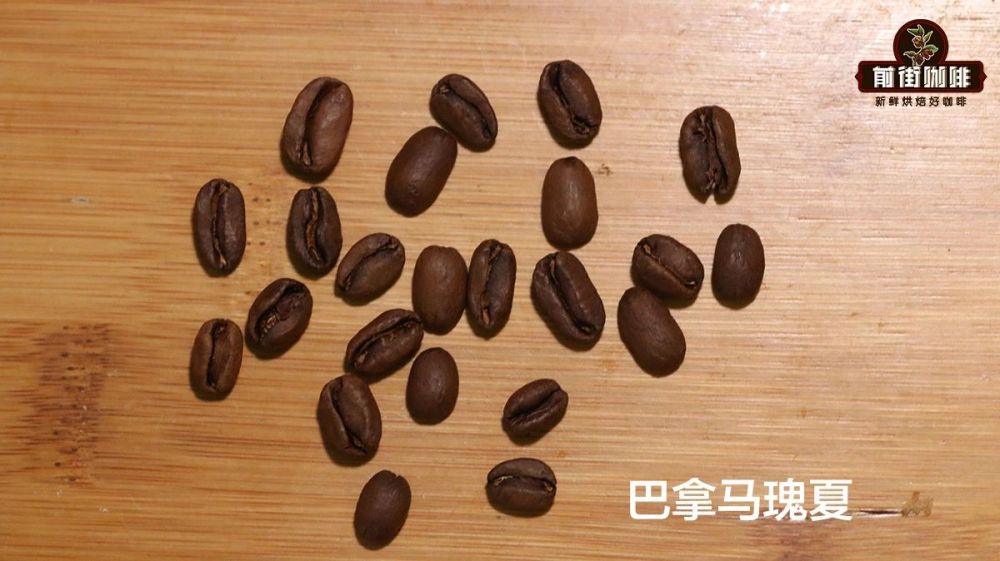
In 2005, Hacienda La Esmeralda entered Geisha in the SCAA (Specialty Coffee Association of America) competition, defeating many renowned varieties and earning the honor of a world-class specialty coffee. It won world championships in 2006 and 2007, once again attracting worldwide attention. Since then, coffee-producing regions around the world have raced to introduce Geisha, including Yunnan province in China, which began cultivating the popular variety. Although Geisha is now produced worldwide, FrontStreet Coffee believes that as the discoverer of Geisha's flavor profile, Hacienda La Esmeralda not only strictly controls the quality of its coffee but also uses natural processing methods to best present the classic Geisha flavor.
What Makes Premium Geisha Coffee?
Although many regions now grow Geisha, each area has its own terroir, and different terroirs create distinct flavors. Geisha displays its own characteristics too. FrontStreet Coffee believes Geisha's explosive popularity is inseparable from Boquete's exceptional environment.
Panama has only three main coffee-producing regions, Boquete, Volcan, and Renacimiento, yet they produce some of the world's most expensive coffee. Boquete is one of the towns of Chiriquí Province, on the eastern side of Barú Volcano at roughly 1,000-2,000 meters on a plateau. It faces the warm, humid monsoon from the Caribbean Sea with cold Atlantic currents behind it, and the mountains are high and steep. Barú Volcano National Park is a conservation area of rich biodiversity with seven microclimates, and together with year-round mist and abundant rainfall it creates excellent growing conditions. FrontStreet Coffee's Panama Hacienda La Esmeralda and Elida Estate Geisha coffees both come from the Boquete region.

Geisha is very particular about its growing environment, requiring high altitude, fertile soil, and cloud cover or plant shade, and avoiding direct sun. The owner of Hacienda La Esmeralda has noted that the farm needs many shade trees to protect the delicate Geisha from direct sunlight, and that traditional pruning methods must be used during early planting, otherwise the plants are prone to dying. Geisha planted at higher altitudes has a longer fruit-maturation period, and the flavor expression is more complex and unique.
After Geisha won its championship titles, the Peterson siblings systematically managed the farm's Geisha trees by altitude, region, and cupping performance, dividing the growing areas into three main plots: Cañas Verdes, Jaramillo, and El Velo.
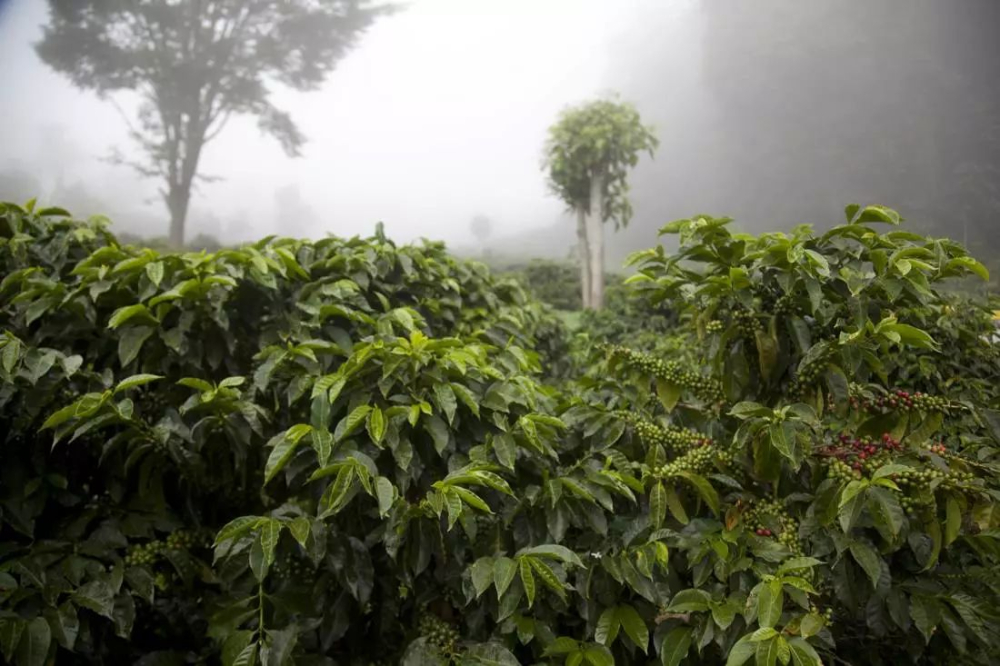
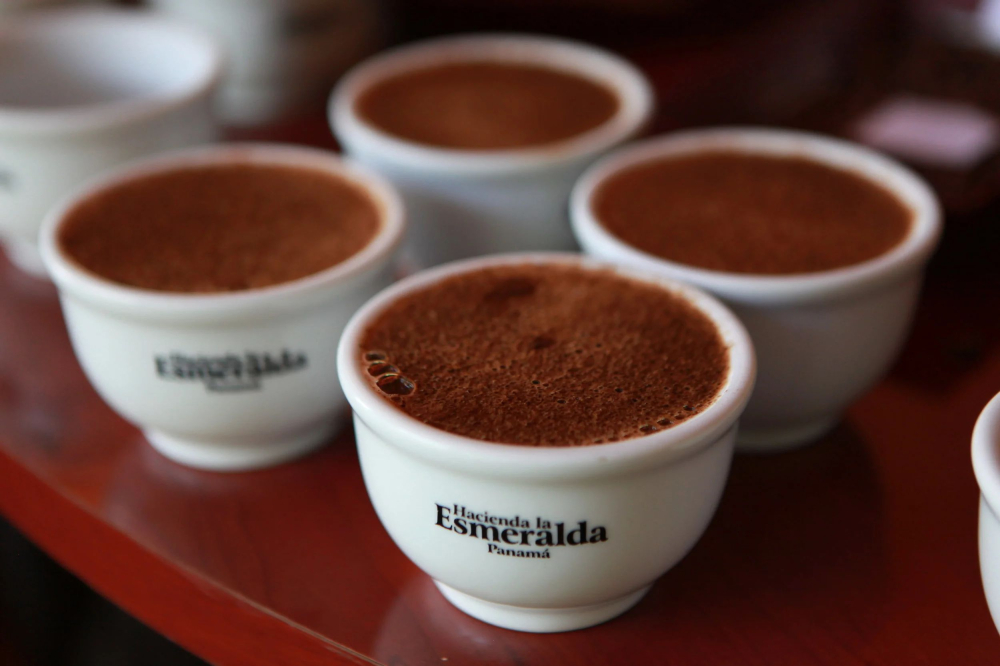
To ensure the traceability of each coffee lot, Peterson divided each major plot into smaller sub-plots, so buyers of Geisha can access specific planting-plot information through batch records. Jaramillo has an average altitude of over 1,650 meters, where the mountain's cool, moist air lets the Geisha absorb the natural essence of the place. FrontStreet Coffee's Esmeralda Red Label comes from the Mario plot in Jaramillo, using natural processing to present an intoxicating aroma of rose, citrus, berries, and honey.
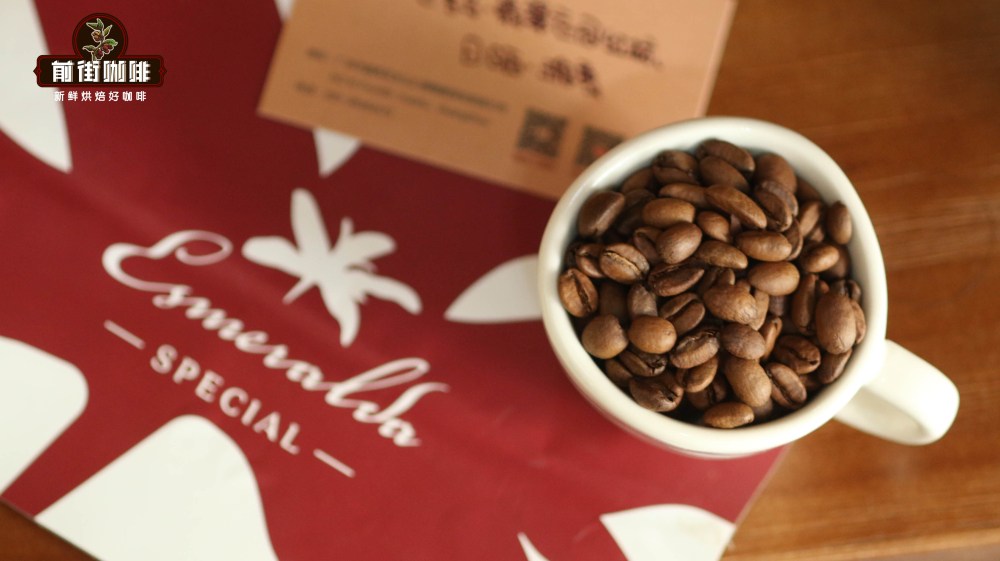
How to Brew Esmeralda Red Label Geisha Without Waste
Below, FrontStreet Coffee demonstrates the brewing steps for Esmeralda Red Label Natural Geisha as served in our store. You can compare them with your own approach.
Geisha is renowned worldwide for its rich floral aromas and complex fruit character. FrontStreet Coffee's roasters want to preserve more of Geisha's excellent acidity, so they choose light to medium-light roasting, with slight adjustments for different batches. This roast level does not significantly change the high hardness of the high-altitude beans, so brewing requires a higher extraction rate to present fuller flavor layers, which means higher water temperature and a slightly finer grind to extract more aromatic compounds. FrontStreet Coffee also wants clearer flavor expression in Geisha, so it uses a larger coffee-to-water ratio of 1:16.
Hand-Brew Parameters for Red Label Geisha
Filter: V60
Water temperature: 91-92°C
Coffee amount: 15g
Coffee-to-water ratio: 1:16
Grind size: fine sugar (80% passing a No. 20 sieve)
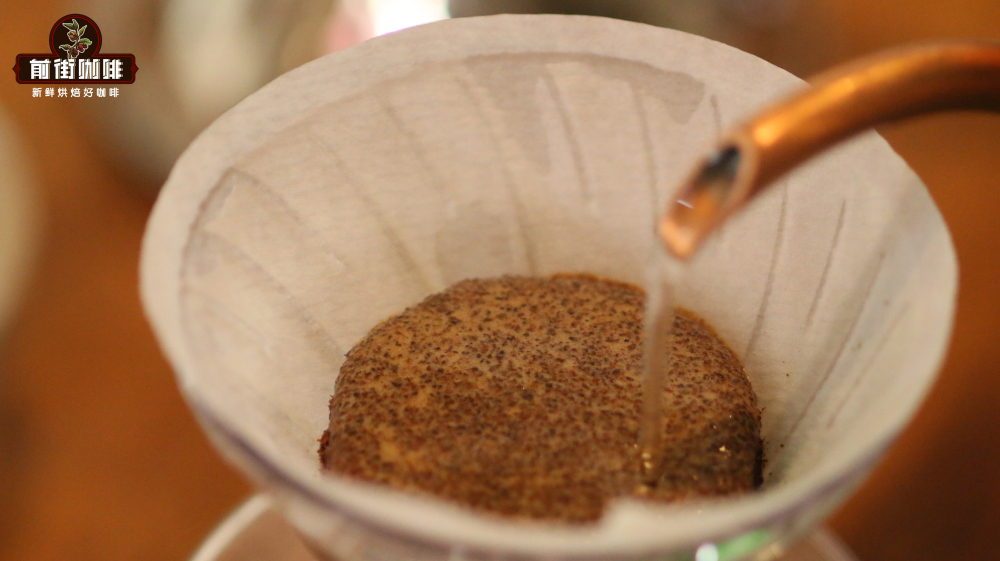
Three-stage extraction: first, add 15g of grounds to the filter and zero the scale. The first stage is 30g of water for a 30-second bloom, starting the timer at the same time. Use a small stream, starting from the center and spiraling outward, making sure the whole coffee bed is moistened.
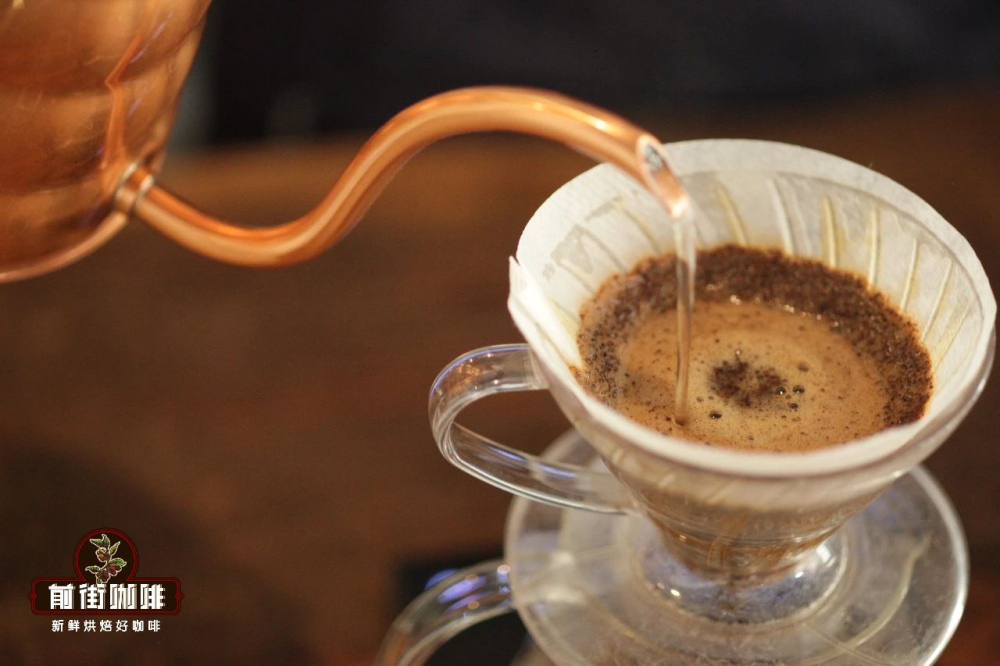
For the second stage, use a slightly larger stream to pour 120g of water, aiming to raise the whole coffee bed, with the stream poured vertically and evenly. At this point the scale should read 150g, and the pour should finish around 55 seconds.
When the liquid level drops to halfway, begin the third stage with a small stream in small circles, pouring 90g. Try to control the stream and avoid too-large circles, which can scatter the coffee bed and cause under-extraction. The total water amount should be 240g, with the complete dripping time around 2 minutes 10 seconds. Remove the filter and shake the coffee in the sharing pot evenly before tasting.
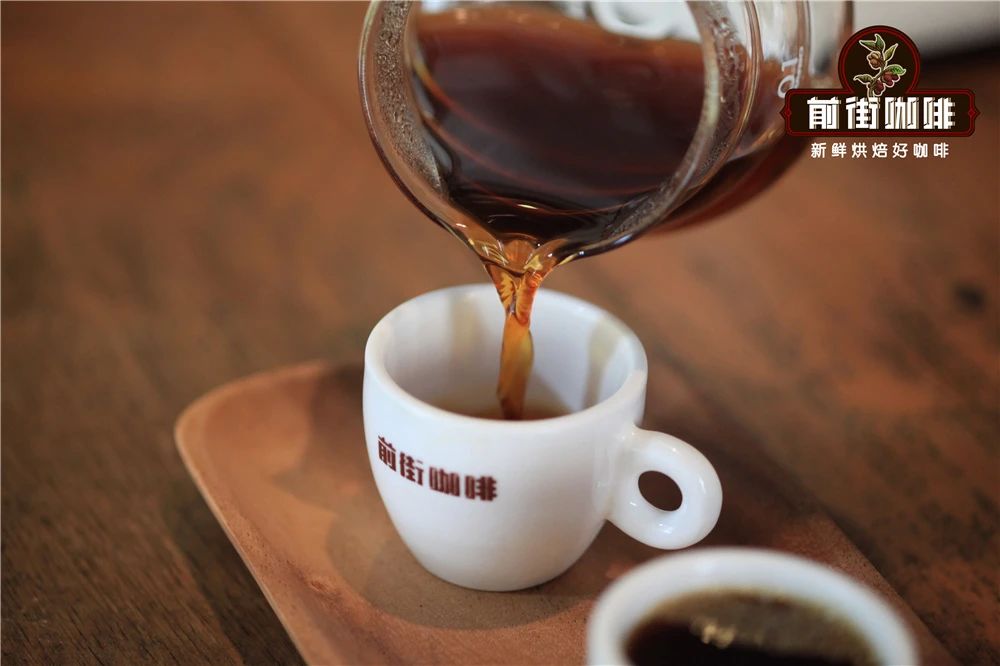
Hand-brewed Esmeralda Red Label Geisha offers fresh jasmine, citrus, and tropical fruit acidity, with flavor layers that shift with temperature. The overall mouthfeel is smooth, and the tea-like finish is pleasant.
For professional coffee knowledge exchange and more coffee bean information, please follow Coffee Workshop (WeChat official account: cafe_style).
FrontStreet Coffee Recommendation
If you want to taste the rumored Geisha flavor without spending a fortune, FrontStreet Coffee usually suggests the Panama Boquete Geisha first. This entry-level Geisha lets you enjoy the classic orange-blossom honey note of high-quality Panama Geisha at a friendly price, with an oolong-tea body, a fine fruit acidity, and clearly defined layers.
For a deeper step into estate-level Geisha, try FrontStreet Coffee's Esmeralda Green Label, which blends lots from several plots to express the signature high-altitude Geisha character at a more affordable price. Geisha is a medium-light, floral and fruity bean with a hard texture that tends to sink and clog the dripper, so FrontStreet suggests grinding to a fine-sugar size (about 78% passing a No. 20 sieve) and using 91°C water, with 15g of coffee in a small Hario V60 at a 1:16 ratio, poured in three stages.
Important Notice :
FrontStreet Coffee is a long-established specialty coffee roaster in Guangzhou China, selling freshly roasted beans from its own farm in Yunnan as well as dozens of carefully selected single-origin beans from around the world for both pour-over and espresso. The products deliver consistently excellent quality and great value, with shipping within 24 hours. Guangzhou's FrontStreet Coffee shop is recommended by many coffee lovers, and the beans are now available online at the Tmall 。
FrontStreet Coffee has moved to a new address:
FrontStreet Coffee Address: 315,Donghua East Road,GuangZhou
Tel:020 38364473
 Scan and follow the En Gafei WeChat official account. Please indicate that the reprint comes from "En Gafei".