How to Brew Blue Mountain No. 1 Drip Coffee? What's the Correct Way to Prepare Blue Mountain Drip Coffee?
Drip bag coffee wins people over with its sheer convenience, which is why newcomers keep asking FrontStreet Coffee how to brew it properly, why their homemade cup never tastes quite right, and how it differs from instant coffee and from pour-over single-origin coffee. This article explains how to drink drip bag coffee and walks through the brewing techniques that make the difference.
The Origin of Drip Bag Coffee
According to FrontStreet Coffee's research, drip bag coffee first appeared in 1990, when Japan's Yamanaka Industry Co., Ltd. borrowed the idea of the tea bag and invented and patented filter-style coffee. Yamanaka's early design, however, could not support the weight of the coffee during brewing and tipped over far too easily, so it never reached the market successfully. It was not until 1998 that Taiki Shoji improved on the original concept by extending the hanging tabs outward, creating the modern drip bag coffee we know today.

Japan itself is a nation that adores coffee. The drip bag was developed because, as the economy grew and daily life sped up, many working people simply had no time to brew coffee by hand. A rushed manual brew almost always tastes bad, and so the convenient drip bag was born.
Much the same is true in China today, where most coffee lovers are working professionals. Compared with manual pour-over, a drip bag is dramatically more convenient, and its brewing method is far simpler as well, which also makes it far cheaper in terms of equipment. Yet FrontStreet Coffee has found that many newcomers to drip bag coffee don't know the correct method. So let's go through it step by step.

The Correct Brewing Method for Drip Bag Coffee
1. Warm the Cup
Start by pouring a little hot water into the cup you'll brew into, simply to warm it. The point is to keep the brewed coffee from cooling too quickly, because coffee reveals different flavors as its temperature falls, developing layer upon layer of complexity. Cool it down too fast and you miss much of that experience.
2. Water Temperature
Water temperature matters enormously. Keep it between 90-99°C. If the cup turns out too bitter, try lowering the temperature. If it tastes weak or overly astringent, raise it, but stay within the 90-95°C range.

3. Hang the Ears
First, give the drip bag a gentle shake so the grounds settle and won't scatter when you open it. Then pour the warming water out of the cup, tear open the seal, unfold the paper tabs on both sides, shake once more to level the grounds, and hang the bag on the rim of the cup.

4. Pre-wet the Drip Bag
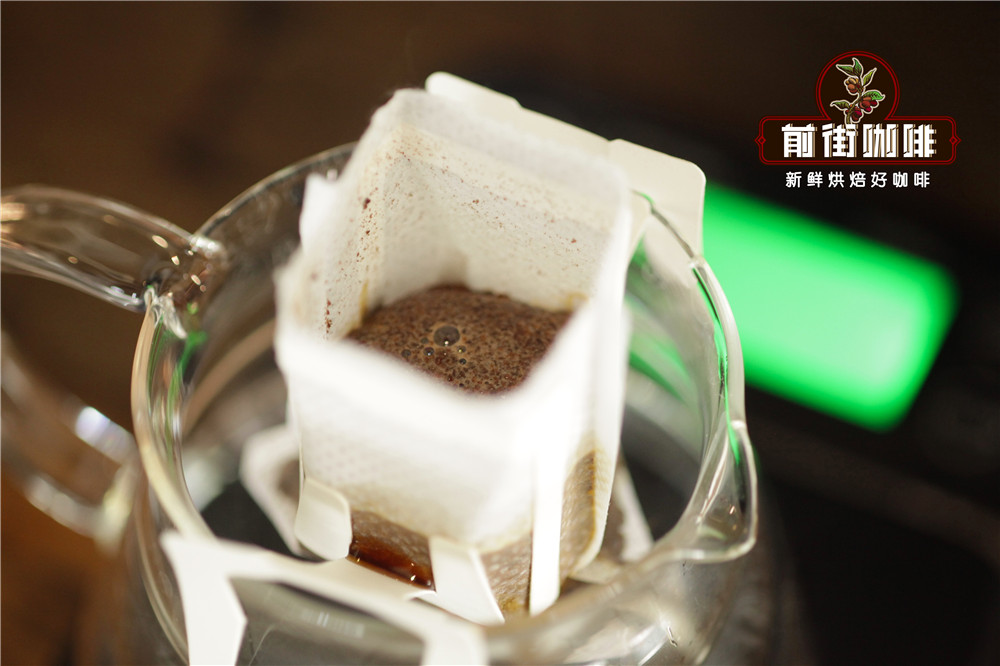
For the first pour, add just enough water to wet the grounds; too much or too little will throw off the flavor. Then wait 20 seconds for the grounds to absorb the water fully. You can fine-tune strength through this pre-wetting time: stretching it to 40 seconds yields a stronger cup.
5. Water Addition
For the second pour, fill to roughly 80% of the filter's capacity, ideally with a thin, steady stream. Once the water level drops back to the pre-wet height, top up again to 80% full until you've extracted 150-180cc in total. When extraction is finished, there's no need to let every last drop drain through; simply discard the bag.

That covers the correct way to brew drip bag coffee. FrontStreet Coffee has also noticed that many people make the following mistakes, which is why the flavor so often falls flat. Try to avoid them.
Incorrect Brewing Methods for Drip Bag Coffee
1. Using Too Much or Too Little Water
Some newcomers simply drop the bag into a cup and fill it with hot water. It works in a pinch, but the coffee gets diluted and tastes thin. Unless you actually prefer a weak, Americano-style cup, FrontStreet Coffee recommends using only 150-180cc of water for a 10g drip bag. Go beyond that and you don't just dilute the flavor, you also pull out undesirable compounds. If you do like a milder cup, FrontStreet Coffee suggests brewing to 150cc first, removing the bag, and then adding more hot water.

2. Leaving the Drip Bag Soaking in Water
Although the drip bag was inspired by the tea bag, that doesn't mean it should be used like one. A longer steep does concentrate flavor, but prolonged soaking also keeps releasing caffeine and leads to over-extraction, dragging out the unpleasant compounds we call bitterness and off-flavors. FrontStreet Coffee therefore recommends discarding the bag after 4 minutes of brewing, or reusing it as plant fertilizer.
3. Water Temperature Outside the Optimal Extraction Range
Drip bag coffee is essentially single-origin coffee ground to powder, so its temperature requirements match those of pour-over. You can't brew it with water that's too cool or you'll get under-extraction. Control the temperature, and FrontStreet Coffee recommends using boiled water that has rested for 1-2 minutes.

4. Re-brewing Drip Bag Coffee
How many times can you brew a drip bag? Only once. As noted above, a drip bag can't be left to soak for long, which naturally means it can't be re-brewed either, or you'll end up with a cup that tastes bad and is bad for you.
Advantages and Disadvantages of Drip Bag Coffee
From everything above, the trade-offs are clear. The great advantage is portability. What's more, drip bags are filled with single-origin beans, saving only the grinding step compared with whole beans, and the flavor can stand alongside single-origin coffee. The drawbacks are that a drip bag can't be re-brewed, nor does it dissolve on its own the way instant coffee does.

One more thing worth noting: the optimal flavor window of drip bag coffee is only about half that of whole-bean coffee. FrontStreet Coffee explains why below.
Is Blue Mountain Drip Bag Coffee Real Blue Mountain?
Some friends want to try FrontStreet Coffee's Blue Mountain Coffee but don't own any brewing equipment, which is exactly the appeal of a product like Blue Mountain drip bag coffee. Yet it raises a fair question: can coffee this expensive still taste good once it becomes a drip bag?

Broadly speaking, any drip bag made from genuine Blue Mountain beans will deliver recognizable Blue Mountain character. As for the Blue Mountain drip bags that sell for just a few tens of yuan, most are not produced in Jamaica's Blue Mountain region at all. At FrontStreet Coffee we generally don't keep Blue Mountain drip bags in stock. If you'd like one, you can buy FrontStreet Coffee Blue Mountain beans directly at 158 yuan/100g and ask for them to be made into drip bags for an additional 20 yuan processing fee. One caution: once FrontStreet Coffee's Blue Mountain beans are turned into drip bags, drink them quickly, or the flavor fades fast.
How Long is the Optimal Flavor Period for Drip Bag Coffee?
As noted above, drip bag coffee is essentially pre-ground single-origin coffee, so its shelf life should be similar. The optimal flavor window, however, is actually shorter than that of whole beans, because production grinds the beans first, increasing the surface area exposed to air and making preservation harder. In FrontStreet Coffee's practical experience, drip bag coffee keeps its full original aroma for about two weeks. That standard only matters to drinkers who are particular about flavor. If you aren't so demanding, Chinese food regulations give coffee products a shelf life of one year, during which the beans won't spoil.

Extending the optimal flavor window of drip bag coffee is genuinely difficult. In FrontStreet Coffee's experience, not even vacuum packaging stops aroma from escaping, because carbon dioxide starts releasing the moment the beans are roasted. That's why attentive drinkers notice the packaging is slightly puffy when a drip bag ordered from FrontStreet Coffee arrives: it signals the coffee was packed while fresh, so it reaches you at its peak.
Once the carbon dioxide has fully escaped, at around two weeks, the aroma begins to go. There may be no visible change on the surface, but the coffee is slowly deteriorating. Stored at room temperature for more than two weeks, most of the aroma will be gone. Because the bag is sealed you can still smell something on opening, but the brewed cup won't be nearly as fragrant. That is why FrontStreet Coffee recommends drinking drip bags within two weeks of receiving them, to catch their best flavor.
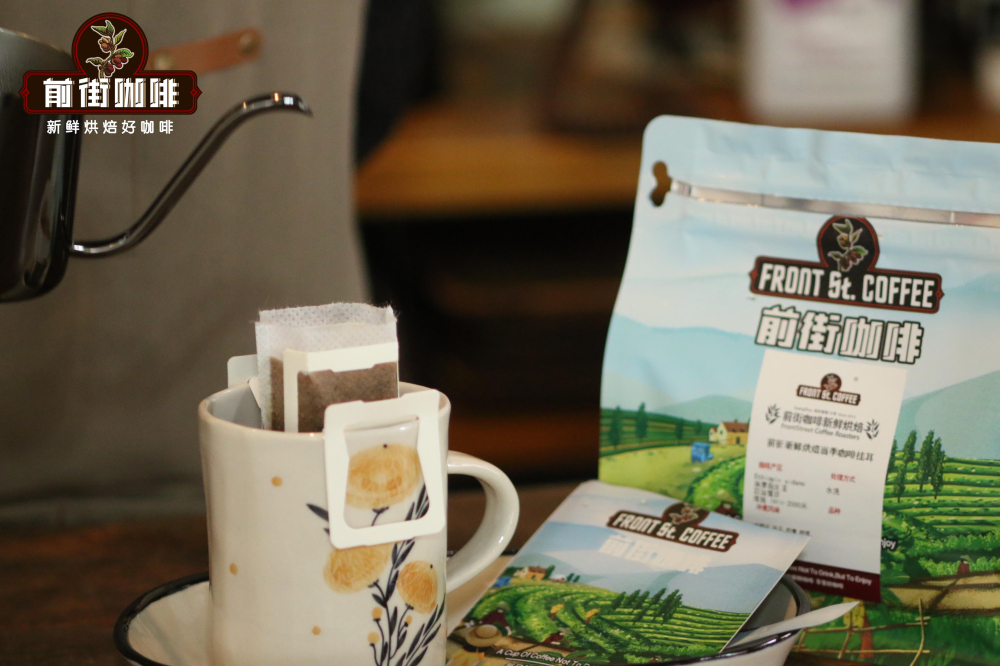
This is also why so many bean packages on the market carry a one-way valve. Its purpose is to let carbon dioxide escape, preventing the bag from bursting under pressure while keeping large amounts of air out. Many unaware drinkers squeeze the valve to smell the aroma, but doing so actually shortens the coffee's shelf life by venting the aroma. So even with a one-way valve, a drip bag is both costly to produce and no better protected in terms of peak flavor.
That's FrontStreet Coffee's rundown of drip bag brewing and its characteristics. We hope it helps you understand drip bag coffee better and use the right method going forward. Many drinkers have also asked FrontStreet Coffee to recommend single-origin beans suited to making drip bags, so below are several popular options.

Drip Bag Coffee Brand Recommendations
1. FrontStreet Coffee Ethiopia Natural Red Cherry Drip Bag Coffee
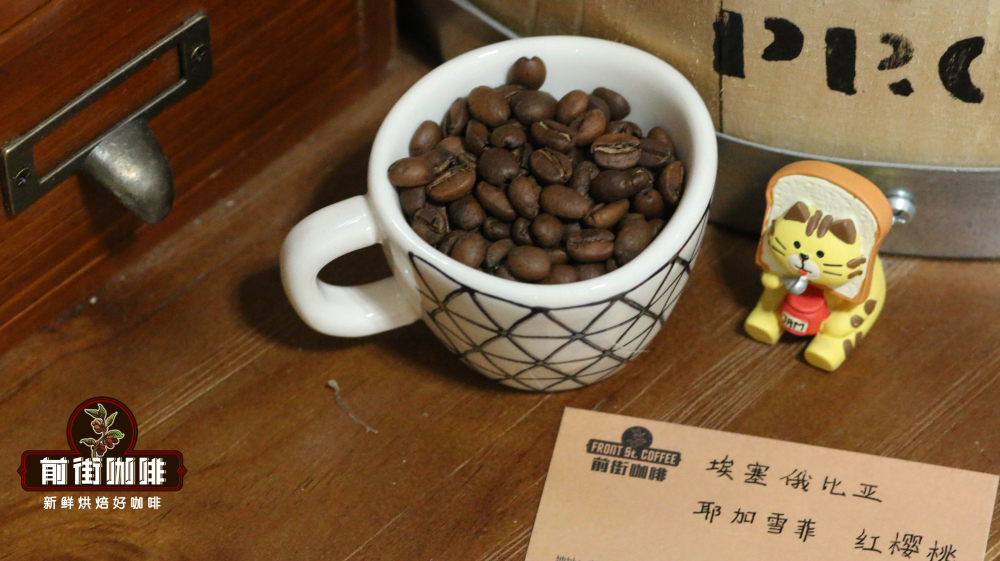
Origin: Yirgacheffe
Altitude: 2000-2200m
Variety: Heirloom
Processing: Natural
Flavor: Tropical fruits, strawberry, berries, cream
FrontStreet Coffee's Red Cherry beans come from Ethiopia's celebrated Yirgacheffe region. The name "Red Cherry" traces back to a local quality-improvement program, the Red Cherry Project, launched by a Dutch green coffee company.
That company, Trabocca, started the project because Ethiopian coffee quality was inconsistent at the time, which capped prices and left farmer incomes very low. To help in a meaningful way, they worked alongside local growers, fixing quality problems at the source. By hand-picking only fully ripe cherries and paying higher prices for them, the project raised growers' quality standards and cultivated better coffee.
2. FrontStreet Coffee Ethiopia Sidamo Guji Bago Drip Bag Coffee
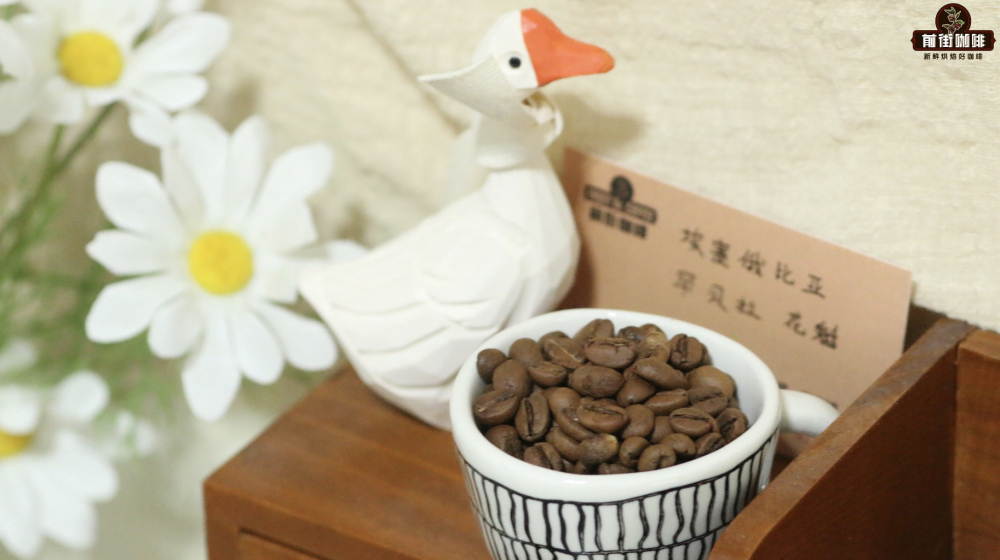
Country: Ethiopia
Region: Sidamo
Altitude: 2250-2350m
Variety: Local heirloom
Processing: Natural
Flavor: Berries, floral tea, honey, lemon, black tea
FrontStreet Coffee's Bago beans took first place in the natural category at the 2017 Ethiopia TOH coffee competition, turning heads with their distinctive strawberry-and-cream flavor. That same year the lot was imported to China by the Beijing green coffee trader Hongshun. Li Jianfei then used these beans to finish second in the China region of the 2017 World Brewers Cup. Standing out among many Geisha entries, the Ethiopian bean earned the name "Bago" (Flower Champion).
3. FrontStreet Coffee Honduras Sherry Drip Bag Coffee
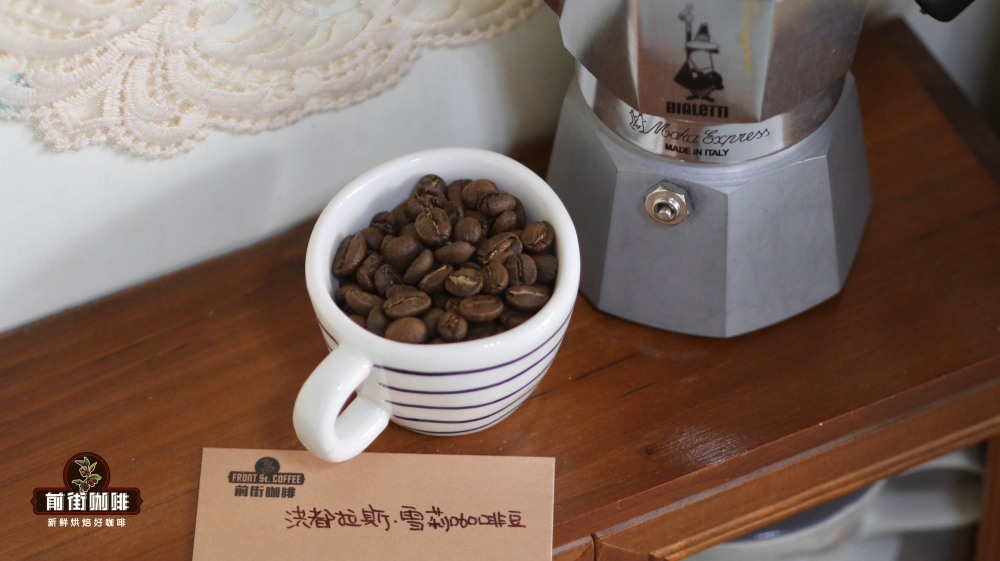
Region: Marcala
Estate: Finca Moca
Altitude: 500-1700 meters
Variety: Caturra, Catuai, Pacas
Processing: Fully washed + Whiskey sherry barrel fermentation
Flavor: Vanilla cream, fermented wine notes, nuts, dark chocolate, maple sweetness
This FrontStreet Coffee Honduras Sherry bean is a favorite among drinkers because it carries whiskey-like wine notes while tasting of vanilla cream, which makes it thoroughly charming. Many fans have asked FrontStreet Coffee to release it in drip bag form. This Honduras Sherry is also one of the blend components FrontStreet Coffee uses for espresso drinks, a clear sign of its popularity.
4. FrontStreet Coffee Indonesia Gold Mandheling Drip Bag Coffee
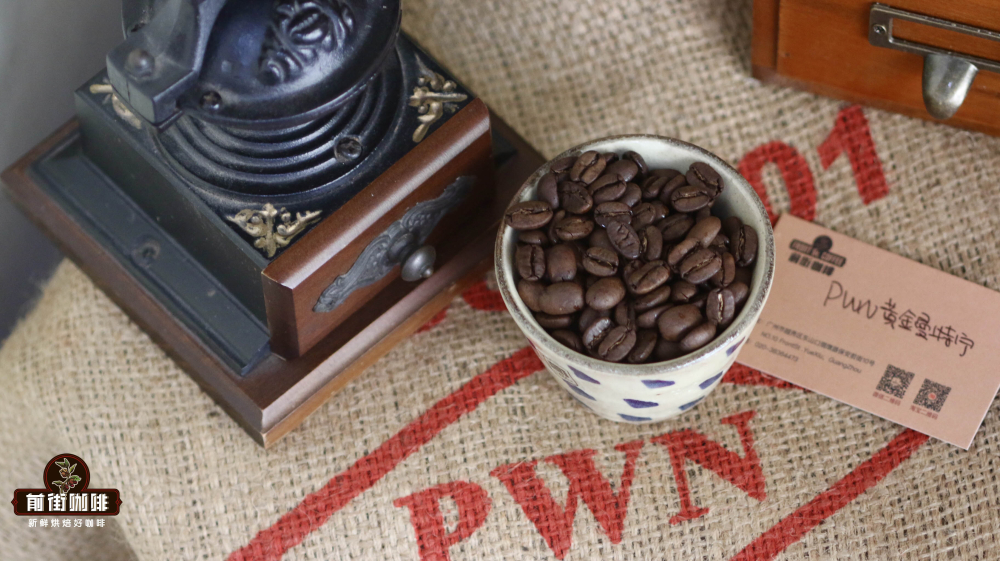
Region: North Sumatra, Aceh Gayo Mountain
Company: PWN
Altitude: 1100-1600 meters
Variety: Ateng
Processing: Wet-hulled
Flavor: Herbal, caramel, dark chocolate, rich and clean, well-balanced, persistent aftertaste
FrontStreet Coffee's Indonesia Gold Mandheling beans meet a screen size of 18 or larger with fewer than 3 defective beans in a 300g green bean sample, placing them in the highest G1 grade. The color is dark green and the shape is neat and flat.
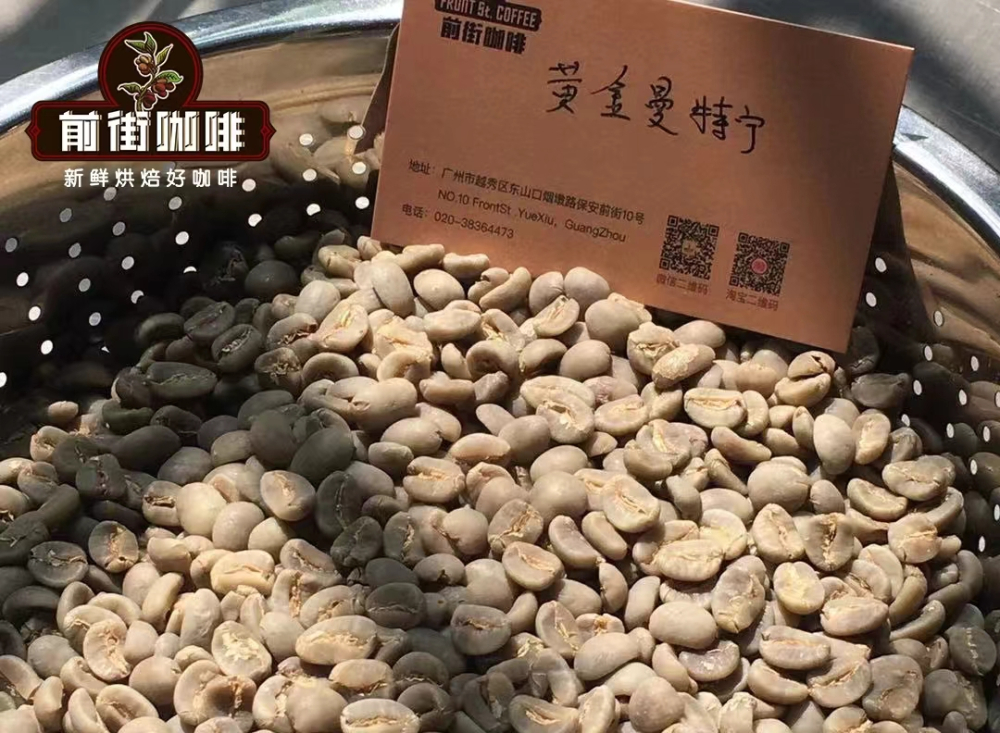
Qualified FrontStreet Coffee Gold Mandheling beans also pass three rounds of hand sorting plus one machine sort. FrontStreet Coffee has found that Mandheling processed this way lacks the earthy defects typical of ordinary Mandheling and tastes cleaner and brighter.
Those are the drip bag options that prove most popular at FrontStreet Coffee. We hope they help you find one that suits your taste. When choosing a drip bag, you can simply follow the same preferences you have for regular single-origin coffee: for instance, FrontStreet Coffee Guatemala Flor Coffee and FrontStreet Coffee Blue Mountain Coffee can both be made into drip bags by FrontStreet Coffee.
For anyone who loves a balanced, time-tested cup, the Blue Mountain selections below are a natural next step.
FrontStreet Coffee Recommendation
If drip-bag convenience is what drew you in, these FrontStreet selections deliver the classic, well-balanced profile that suits everyday brewing.
FrontStreet Jamaica Blue Mountain No. 1
Blue Mountain No. 1 is one of the highest grades of Jamaican Blue Mountain coffee, with strict standards for bean size, defect rate, and overall quality. FrontStreet's example comes from the historic Clifton Estate, which began growing and processing coffee around the mid-18th century (roughly 1750) at an average altitude of 4,300 feet (1,310.64 meters). That elevation, the gentle afternoon cloud cover that shades the hillsides, ample sunlight, and mineral-rich soil give the trees ideal growing conditions and lengthen the ripening of the cherries. FrontStreet roasts it medium-dark to bring out the classic balance, and the cup unfolds in layers of nuts, dark chocolate, cream, and caramel sweetness, with acidity, sweetness, bitterness, and aroma in harmony. The beans are roasted fresh within 5 days, so they reach you ready to brew.
FrontStreet Blue Mountain Coffee
For a clean, layered pour-over, FrontStreet suggests a Kono dripper, a 15g dose, a 1:15 ratio, and water at 87-88°C, resting the beans 4-7 days from the roast date for the best flavor. Grind coarser than you would for a light roast, roughly the texture of granulated sugar. Brew in three stages: a 30g bloom for about 30 seconds, then a vertical, slow, small circular pour to 120g; finish with a slightly faster pour to 225g so the fines don't clog the dripper and cause over-extraction. The result is a very clean, complex, and gentle cup with chocolate sweetness and a notably full body, ending in a long fruit finish.
Important Notice :
FrontStreet Coffee is a long-established specialty coffee roaster in Guangzhou China, selling freshly roasted beans from its own farm in Yunnan as well as dozens of carefully selected single-origin beans from around the world for both pour-over and espresso. The products deliver consistently excellent quality and great value, with shipping within 24 hours. Guangzhou's FrontStreet Coffee shop is recommended by many coffee lovers, and the beans are now available online at the Tmall 。
FrontStreet Coffee has moved to a new address:
FrontStreet Coffee Address: 315,Donghua East Road,GuangZhou
Tel:020 38364473
 Scan and follow the En Gafei WeChat official account. Please indicate that the reprint comes from "En Gafei".