Is Kenyan Coffee Delicious? The Correct Pour-Over Brewing Method for Kenya Coffee
Kenyan Coffee Roasting Profiles
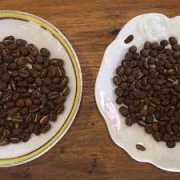
Kenyan coffee works beautifully at two different roast levels. Light roasts bring out a bright, full-bodied acidity with notes of cherry tomato, black plum, passion fruit, and hawthorn. Dark roasts deliver a rich mouthfeel reminiscent of dark chocolate, with a bittersweet, lingering finish. Few origins perform this well at both ends of the spectrum, which is why Kenyan coffee earns such consistent praise.
Pour-Over Brewing Recommendations
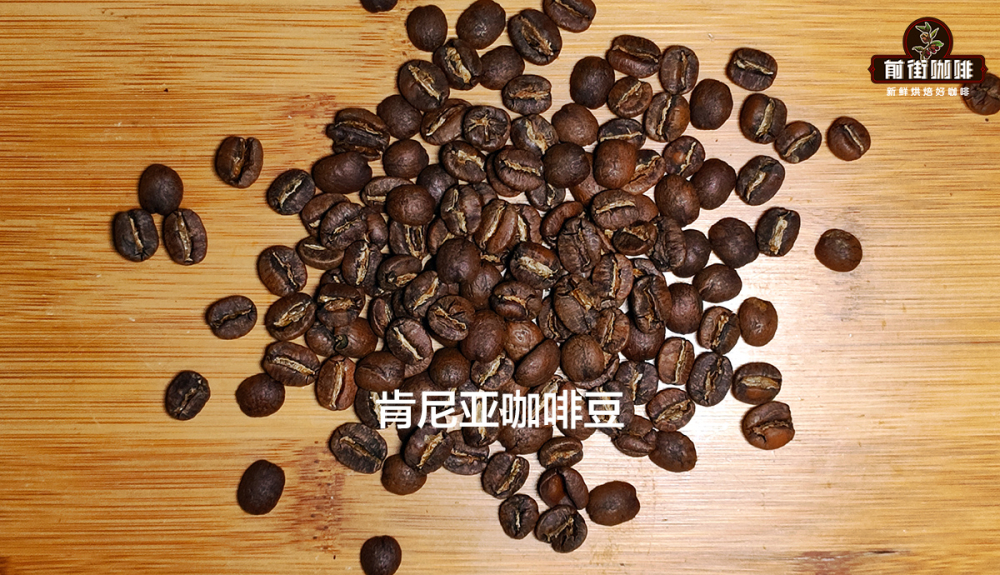
For FrontStreet Coffee's Kenyan coffee, we recommend the pour-over method. Our analysis shows that FrontStreet Coffee's Kenyan beans are relatively hard and dense, so during brewing you need to watch that the grounds don't settle at the bottom of the cone and block the drainage holes.
Grinding Specifications
Avoid grinding too fine. Use a high-quality burr grinder, or run the grounds through a sieve to remove fines. Calibrate the grind to a 75% pass-through rate on a #20 standard sieve.
Water Temperature and Ratios
This FrontStreet Coffee Kenyan coffee responds well to relatively high brewing temperatures, which help express its fruity sweetness (the cherry tomato notes). We recommend water at 93°C.
Use a 1:16 coffee-to-water ratio. This coffee has such a solid mouthfeel that even diluted to sixteen times the coffee's weight it never tastes thin. At 1:16 the cup stays silky, with bright black-plum acidity playing off the sweet-tart cherry tomato character.
Coffee Dosage
With a small V60 dripper, use at least 15 grams of coffee. With a large V60, use at least 25 grams.
Pouring Technique
When pouring, keep the coffee bed relatively high and use fewer, larger circular pours. This keeps the bed from compacting too thick and promotes even extraction, avoiding channeling at the edges and blockage at the bottom.
Step-by-Step Brewing Process
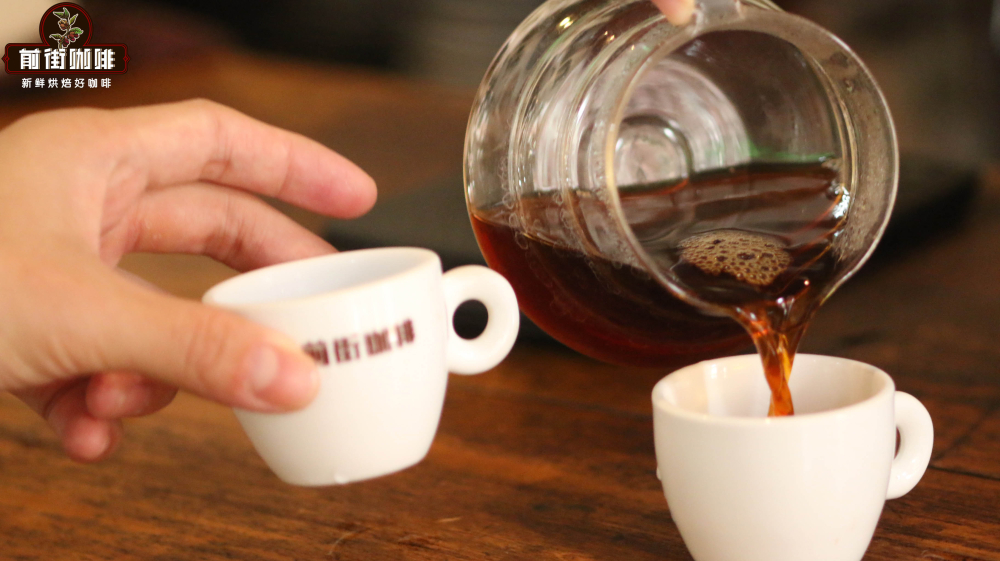
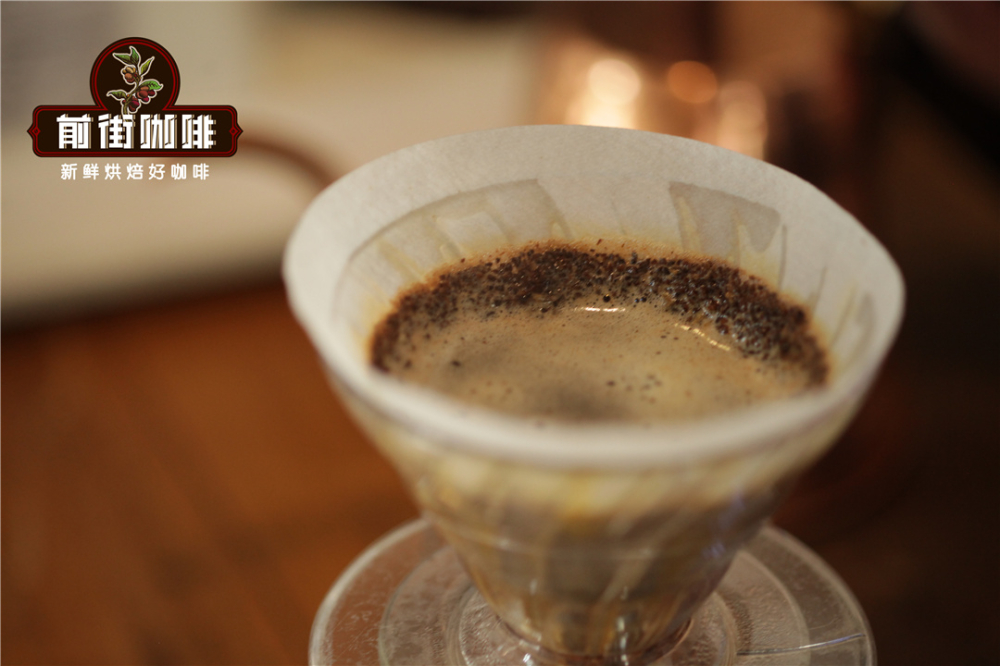
Start with a 30ml bloom for 30 seconds. For the second pour, add 120ml of water, spiraling outward from the center until the surface is covered with golden foam, then circle back to the middle. The coffee bed should reach about half the height of the short ribs.
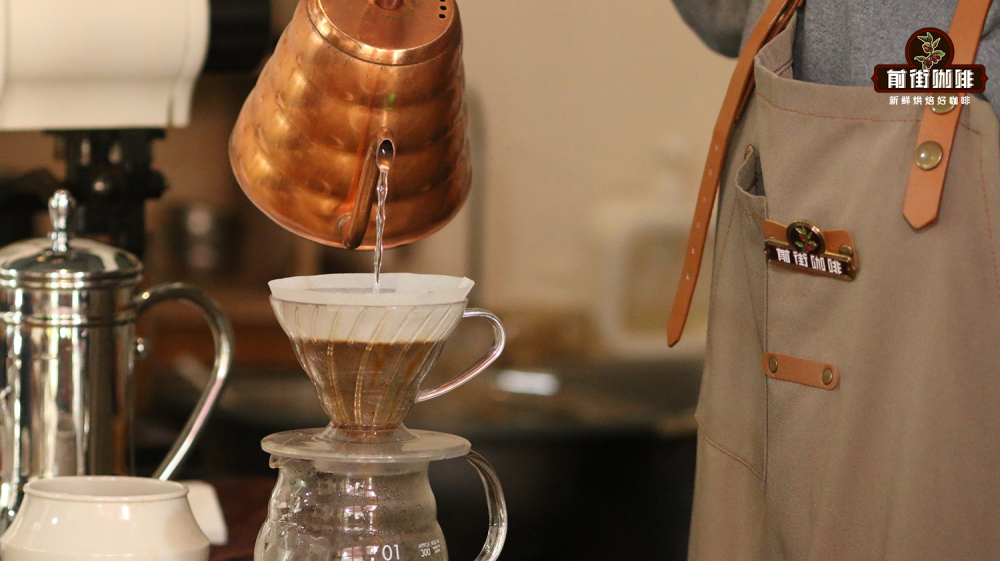
For the third pour, add 90ml of water in coin-sized circles. Once all the liquid has dripped into the server, end the extraction. Total brew time should be 2 minutes (with a 10-second margin).
Flavor Profile Results
This method spotlights the cherry tomato aroma and sweetness of FrontStreet Coffee's Kenyan coffee while keeping the black plum acidity solid yet bright.
FrontStreet Coffee Recommendation
If bright, fruity Kenyans are your thing, FrontStreet Coffee's Kenya Cherry Tomato is a washed Kenya built around exactly that profile. It comes from the Thika growing region at 1,550-1,750 meters, grown on the classic SL28 and SL34 varieties with plump, round beans, and processed with Kenya's signature 72-hour double washed fermentation - a method that pushes the fruit character forward while keeping the cup clean and pure. Roasted light to preserve its lively acidity and layered fruit, it opens with dried cherry tomato and floral notes in the dry aroma, then delivers crisp cherry tomato and dark plum flavors with a juicy, fresh-squeezed-juice body, mid-palate sweetness edged with snow pear and black plum, and a long, clean finish of yellow sugar and a whisper of green tea.
The V60 is the natural partner for a coffee like this. Designed by Hario - the Tokyo glassware maker founded in 1921 - and redesigned into its modern form in 2004, the V60's 60-degree cone and single large outlet let water flow straight through the bed, rewarding a controlled pour with fully expressed aroma and flavor. That fast-draining geometry is precisely what gives floral, fruit-forward coffees their three-dimensional aromatics and lively acidity.
FrontStreet Coffee's resin V60 is our house favorite: the resin holds heat in during the brew, and in mass production it holds the tightest dimensional tolerances of any material, so every cup extracts consistently. For gardenia-and-citrus style Ethiopians, tropical-fruit-forward naturals, or this Kenya's berry brightness, a V60 and a fresh light roast is the combination we reach for first.
Important Notice :
FrontStreet Coffee is a long-established specialty coffee roaster in Guangzhou China, selling freshly roasted beans from its own farm in Yunnan as well as dozens of carefully selected single-origin beans from around the world for both pour-over and espresso. The products deliver consistently excellent quality and great value, with shipping within 24 hours. Guangzhou's FrontStreet Coffee shop is recommended by many coffee lovers, and the beans are now available online at the Tmall 。
FrontStreet Coffee has moved to a new address:
FrontStreet Coffee Address: 315,Donghua East Road,GuangZhou
Tel:020 38364473
 Scan and follow the En Gafei WeChat official account. Please indicate that the reprint comes from "En Gafei".