What's the Difference Between Starbucks Flat White and Australian White Coffee? Flat White vs Short Coffee Distinctions
Flat White is one of the most-ordered milk coffees in the world, and it is also one of the most confusing. Depending on which shop you walk into, it may be called Flat White, Australian White, or a handful of other names. This article from FrontStreet Coffee explains where the drink came from, how it differs from a latte, a cappuccino, and a piccolo latte, and how to make one at home.
When people walk into a coffee shop, many are captivated by the techniques baristas use to make fancy coffee. With smooth latte art, baristas blend espresso and milk into a delicious, rich drink. Although FrontStreet Coffee's stores focus mainly on pour-over, with over 50 different coffees from various regions, FrontStreet Coffee also serves espresso-based coffee.

FrontStreet Coffee's Espresso Selection
FrontStreet Coffee's espresso menu includes latte, cappuccino, Americano, toffee latte, and mocha latte, each with its own distinctive flavor profile. Espresso drinks like piccolo latte, dirty coffee, and flat white appear less often. Coffees like flat white are more commonly found at Starbucks. The English name for flat white is Flat White, which is the famous Australian White. Flat White has many translations: coffee shops generally call it "Australian White," Costa calls it "Artisan White," Starbucks calls it "Flat White," and other chains market their own interpretations. The bitterness level varies slightly between versions, but the underlying drink is the same.
Understanding Flat White
When you first hear the name "Flat White," you might associate it with white coffee or think it means coffee with less coffee content and a whiter color. Starbucks' "Flat White" tastes very similar to a latte, but its bitterness is stronger than its milk flavor, making it slightly more bitter than a latte with a lingering aftertaste, while a latte has a stronger milk flavor with only slight bitterness. In memory, a latte is milk flavor with slight bitterness, while a Flat White is bitterness with a hint of milk flavor. A coffee that has become popular globally and in the Chinese market is actually a variation of cappuccino - "flat white" - originating from Australia with fine milk foam, and it actually appeared as early as the 1980s.

The Origins and Characteristics of Australian White
On this point, FrontStreet Coffee should clarify a few things about Australian White. Australian White is a coffee beverage that originated in Australia, though some later argued it actually originated in New Zealand. New Zealanders like to use a Double Ristretto, while their Australian counterparts use a Single Espresso. Australian White blends fine, tiny milk foam into a single espresso or double ristretto. To some extent it resembles a traditional 5-ounce cup (150mL) cappuccino or latte, so the coffee proportion is higher, the milk foam is lighter and more delicate, and the espresso flavor is richer while still carrying the aroma of milk.
Understanding Ristretto
"Ristretto" means "restricted," so a ristretto is actually a restricted-flow espresso, meaning its flow rate is slower. FrontStreet Coffee gives a simple example: if an espresso uses 18g of coffee grounds to extract 36g of espresso liquid in about 25 seconds, then a ristretto uses 18g of grounds to extract 18g of espresso liquid in about 25 seconds, making it very concentrated (and its grind size also differs from a normal espresso).
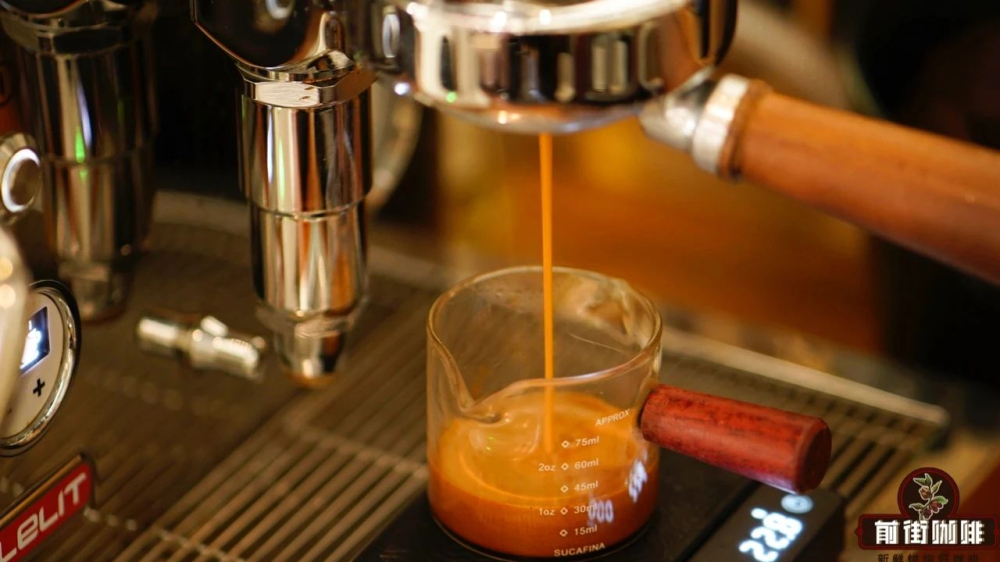
When FrontStreet Coffee makes Australian White, it usually blends a double ristretto with lightly textured milk and serves it in a 180mL cup, which makes the coffee aroma more intense. For a flat white in a 200ml cup, the base is two shots of espresso, and some places extract the espresso for longer, using two ristrettos.
Understanding the Differences Between Coffee Varieties
According to FrontStreet Coffee's understanding, many people have only partial knowledge about the differences between Australian White, piccolo latte, dirty coffee, cappuccino, and latte, so FrontStreet Coffee shares some background here.
What's the Difference Between Australian White Coffee and Piccolo Latte?
Piccolo latte is more like a miniature latte - small cup, small capacity, with less coffee and milk than common espresso drinks. It requires extracting 15 to 20 grams of refined espresso, paired with 4 times the amount of milk. Australian White coffee, as the previous text shows, is a coffee that highlights the coffee flavor. Latte is a coffee drink with a large amount of milk added, while cappuccino is a milk coffee with thicker foam. Australian White has a more intense coffee flavor, less milk, and thinner foam. The preparation also varies. In the choice of espresso base, New Zealanders like a double ristretto, while Australian baristas prefer a single espresso.
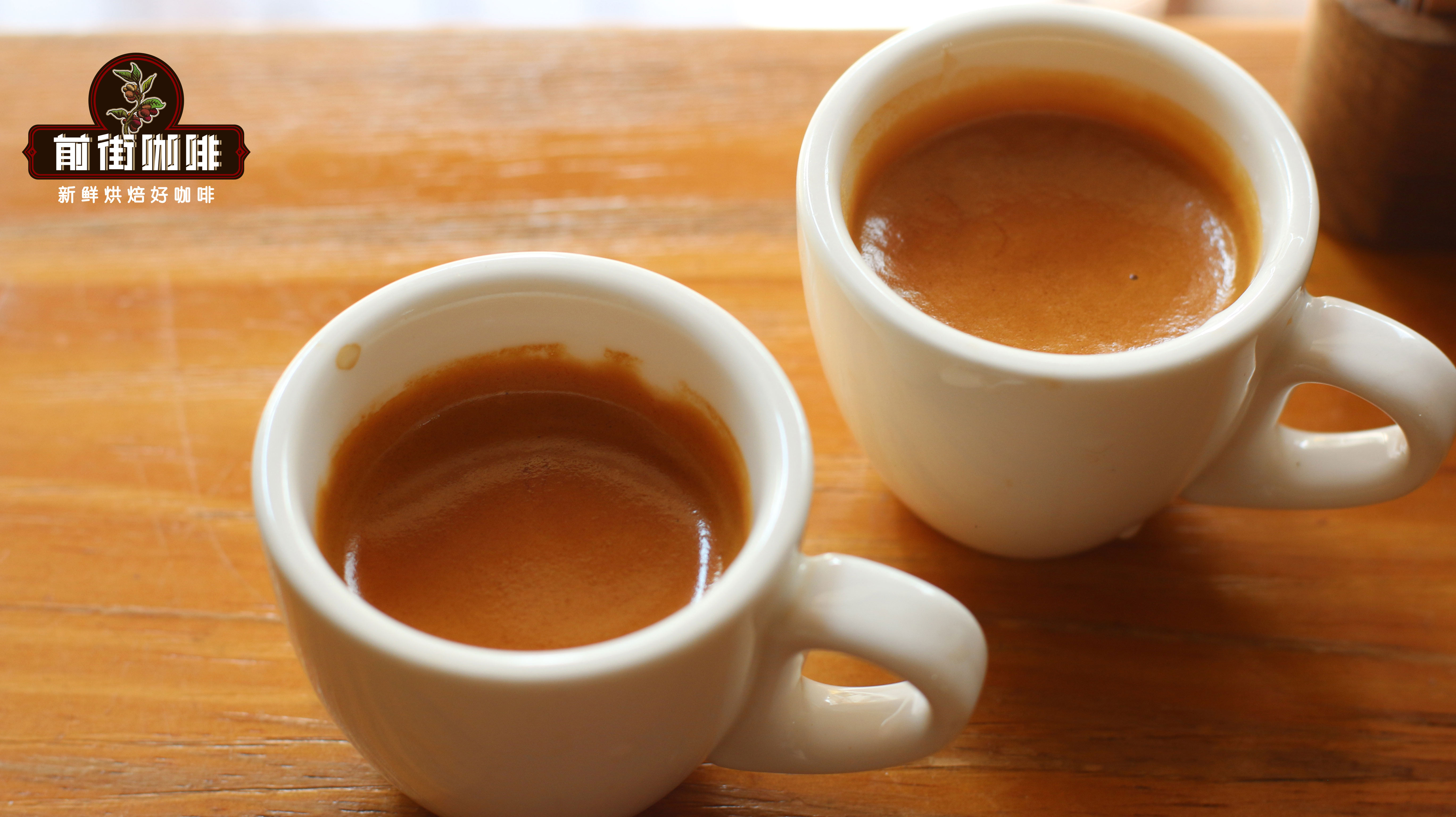
FrontStreet Coffee believes Australian White feels more like coffee with milk; a latte feels more like milk with coffee flavor; and a cappuccino feels like creamy foam coffee. Australian White showcases the quality of the beans better than a latte and is more suited to expressing a coffee's region of origin, much like the currently popular SOE (single origin espresso), which speaks to the third wave's emphasis on origin and traceability. Dirty coffee uses a cup pre-chilled in the refrigerator, with refrigerated fresh milk poured in first, followed by the espresso. Visually, the coffee appears to stain the white milk, and when tasting, the fusion of hot on top and cold on the bottom brings a unique layered texture.
The Key Differences: Coffee Ratio and Milk Foam
Search online for the differences between these three coffees and most explanations focus on the thickness of the milk foam. FrontStreet Coffee believes the thickness of the foam only affects texture to a certain extent and doesn't determine flavor - the main difference between Australian White, cappuccino, and latte lies in the coffee ratio.
In fact, the three can be ranked by the richness of coffee aroma: Australian White, then cappuccino, then latte; and by milk foam thickness: cappuccino, then latte, then Australian White. Flat White's requirement for milk is to remove the relatively loose surface foam and keep only the more delicate middle part.
How to Make a Delicious Australian White Coffee
So much for the basics. Below, FrontStreet Coffee continues with how to make a delicious Australian White. Before making it, you need to select espresso beans first. Good espresso beans extracted into espresso can significantly enhance the quality of the drink.
Currently, FrontStreet Coffee uses the Sunflower Warm Sunshine Blend, sold in-store. It combines Honduras Shirley and Ethiopia Yirgacheffe Red Cherry. Through continuous blending by FrontStreet Coffee's baristas, a relatively perfect ratio of 7:3 was achieved. The resulting espresso has distinct fruit acidity, along with berry aroma and wine fragrance, with a comfortable sweet aftertaste.
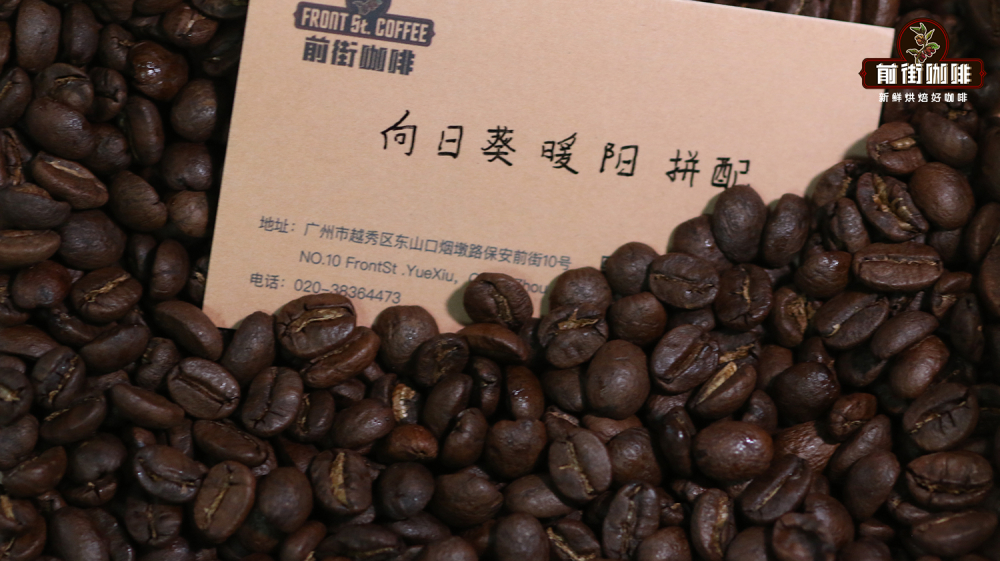
You might wonder why only espresso beans can be used to make espresso, and not pour-over beans. This comes down to roast degree. Generally, espresso beans have a darker roast, known as Italian roast, while pour-over beans range from light to dark. Using a light roast for espresso extraction produces more acidity and a poorer-tasting espresso. FrontStreet Coffee believes there is another reason: cost. Pour-over beans generally require cupping scores above 80, placing them at the specialty coffee level, while espresso beans mostly use commercial blends, which naturally cost much less than pour-over coffee.
How to Make Flat White Australian White Coffee?
Step 1: Prepare the Espresso Base
FrontStreet Coffee chose espresso, using 20g of coffee grounds to extract 27g of espresso liquid in 20 seconds.
Step 2: Froth the Milk
Keep the milk foam as minimal and thin as possible. Pour the frothed milk into the espresso, blending until eight-tenths full, then gently create a simple pattern. Because Flat White's foam is relatively thin, patterns easily lose their shape, so it is best to make simple heart or dot patterns, or skip latte art altogether. A delicious Australian White is then ready.
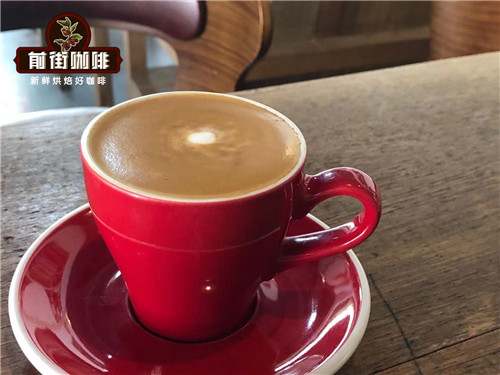
Pairing a balanced espresso base with carefully textured milk is really all it takes to make a good flat white at home.
FrontStreet Coffee Recommendation
If you want a FrontStreet Coffee bean that works for both espresso and milk drinks, the Brazil Queen Estate is a strong choice. It has low acidity and a balanced body, with rich nut and cocoa aromas and a clear caramel sweetness, and its smooth, non-astringent character makes it suitable for pour-over, espresso, or a moka pot. It performs especially well as espresso, with good oils that hold up under milk.
For a classic, balanced milk coffee, the Jamaica Blue Mountain No. 1 is another option: it is neither sharply acidic nor heavily bitter, instead balancing acidity, sweetness, bitterness, and aroma, with cream, caramel, chocolate, nut, honey, and light fruit notes and a clean, long finish. If you prefer something in the espresso machine with a fuller body, the Brazil Queen Estate is the easier everyday pick.
Important Notice :
FrontStreet Coffee is a long-established specialty coffee roaster in Guangzhou China, selling freshly roasted beans from its own farm in Yunnan as well as dozens of carefully selected single-origin beans from around the world for both pour-over and espresso. The products deliver consistently excellent quality and great value, with shipping within 24 hours. Guangzhou's FrontStreet Coffee shop is recommended by many coffee lovers, and the beans are now available online at the Tmall 。
FrontStreet Coffee has moved to a new address:
FrontStreet Coffee Address: 315,Donghua East Road,GuangZhou
Tel:020 38364473
 Scan and follow the En Gafei WeChat official account. Please indicate that the reprint comes from "En Gafei".