Ingenious Creative DIY Cold Drip Coffee Maker! Which Brand of Cold Drip Coffee Maker is Best?
Cold Drip Coffee
When summer arrives, coffee lovers' social feeds inevitably fill up with iced coffee photos. Whether it's cold drip or the increasingly popular cold brew, no one who loves good coffee passes up the chance to enjoy an icy cup.
And the range of DIY contraptions people build to make it is genuinely astonishing. Coffee fanatics' creativity simply cannot be stopped!
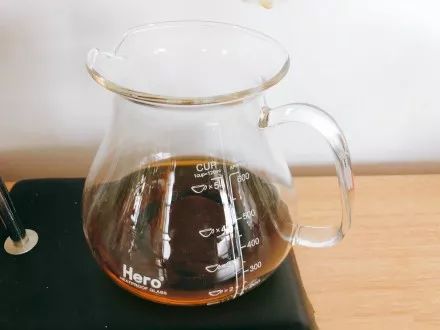
One office worker reported colleagues whiling away the hours making cold drip coffee right at their desks:
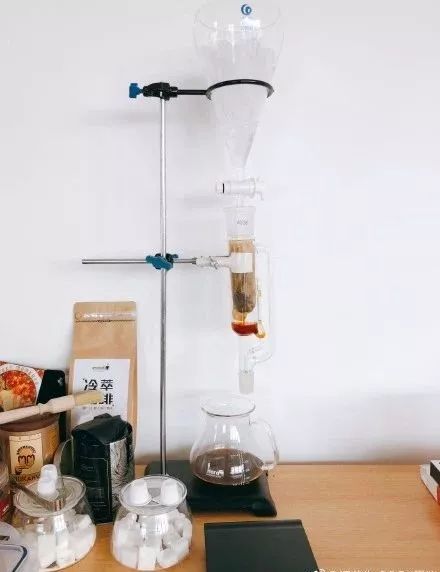
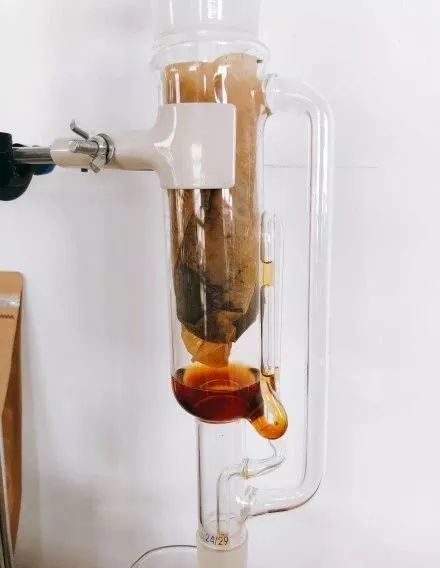
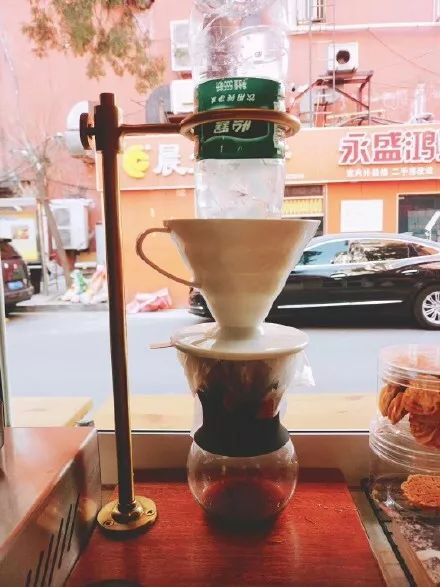
Another built a cold drip tower out of a mineral water bottle:
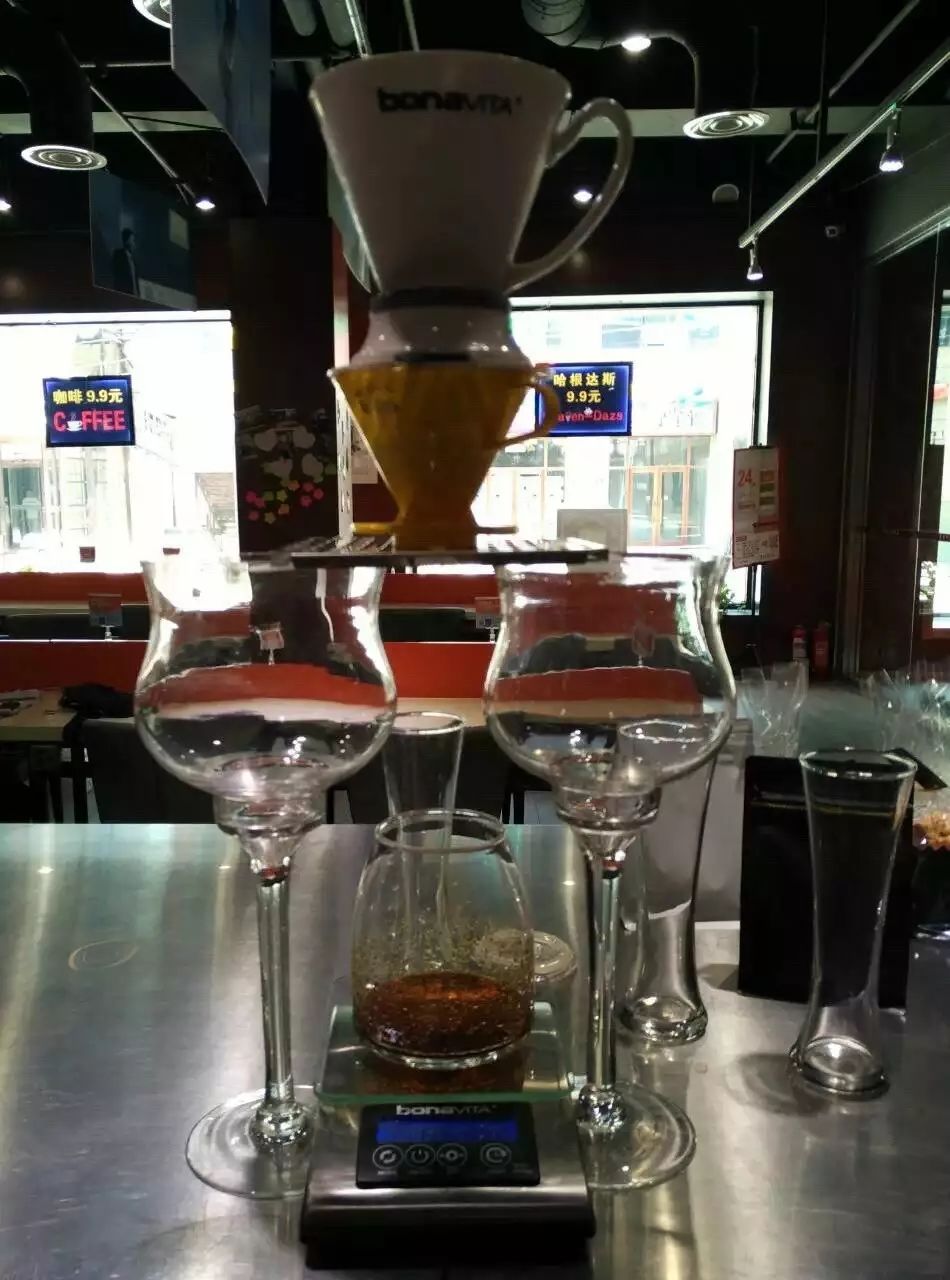
Someone rigged a homemade cold drip from a stack of pour-over kettles:
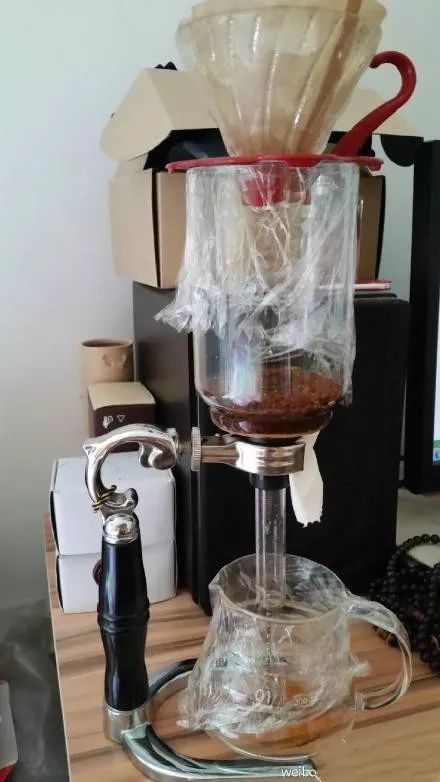
And here's a siphon pot converted into a cold drip device:
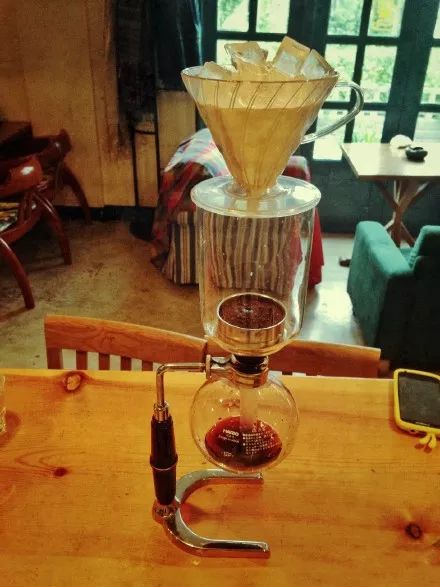
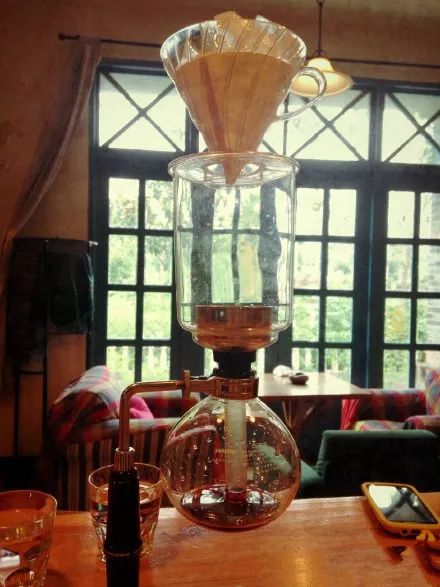
What on earth is this one?!
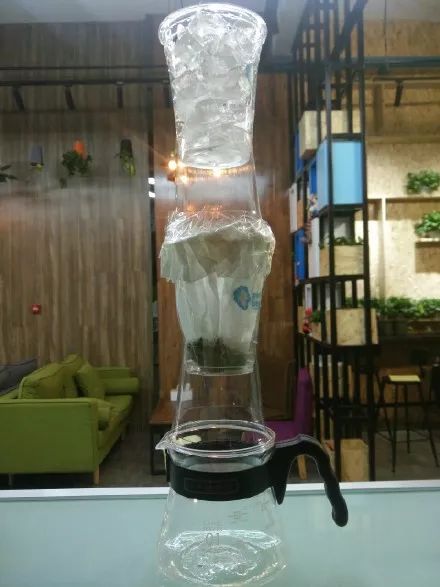
Where's the water? Where's the water??
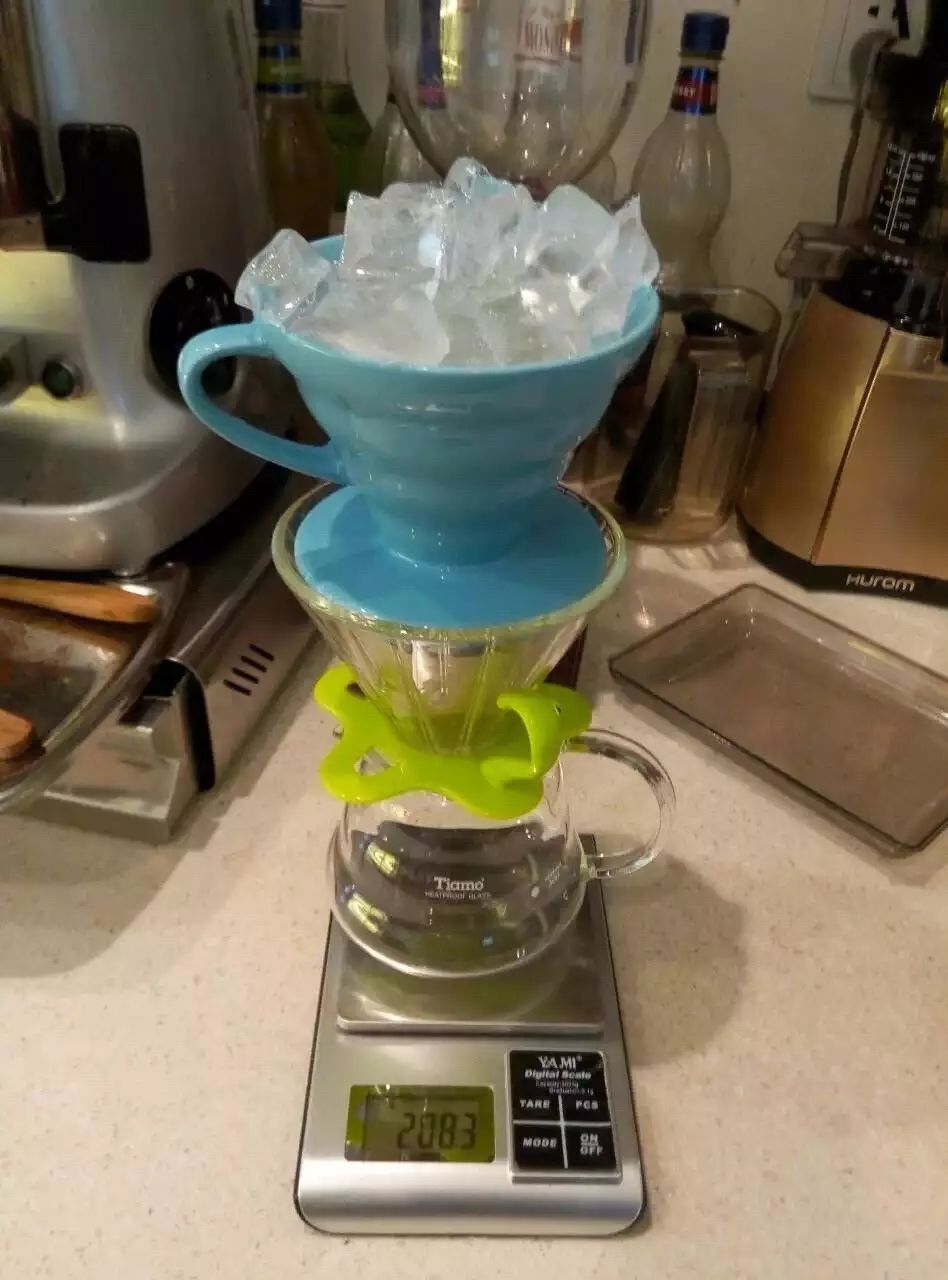
"So aesthetically pleasing!"
"Appearance is justice!"
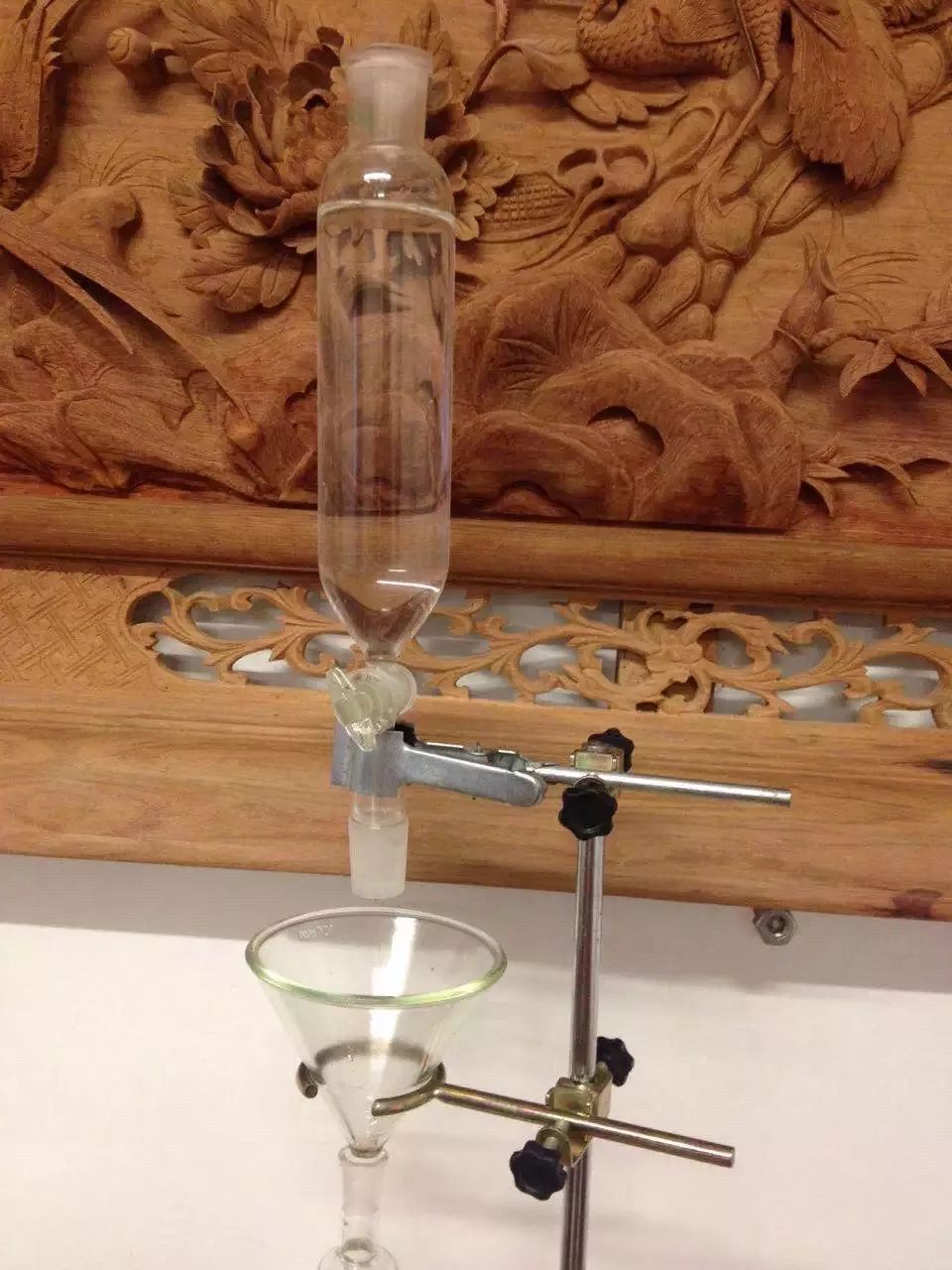
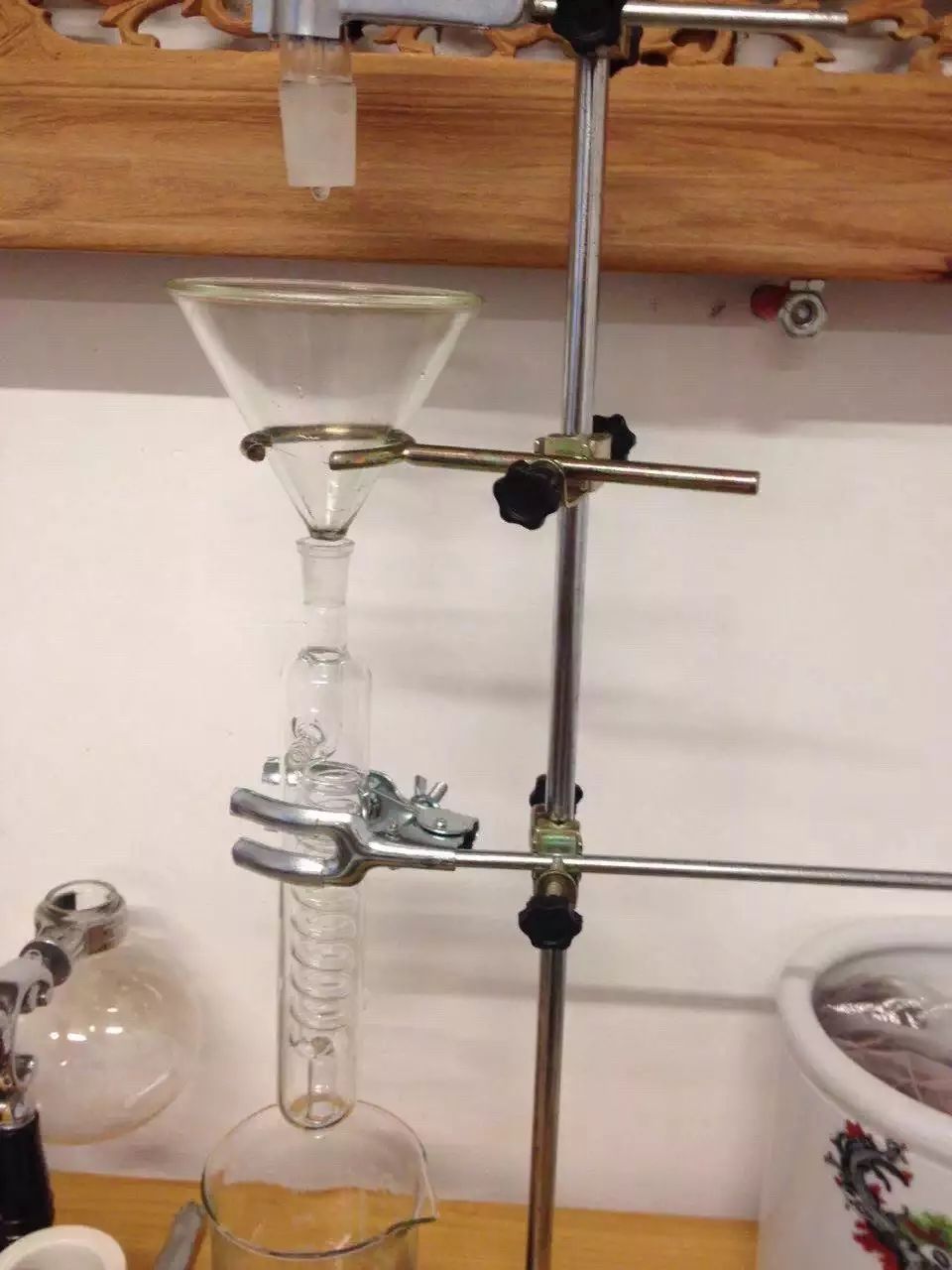
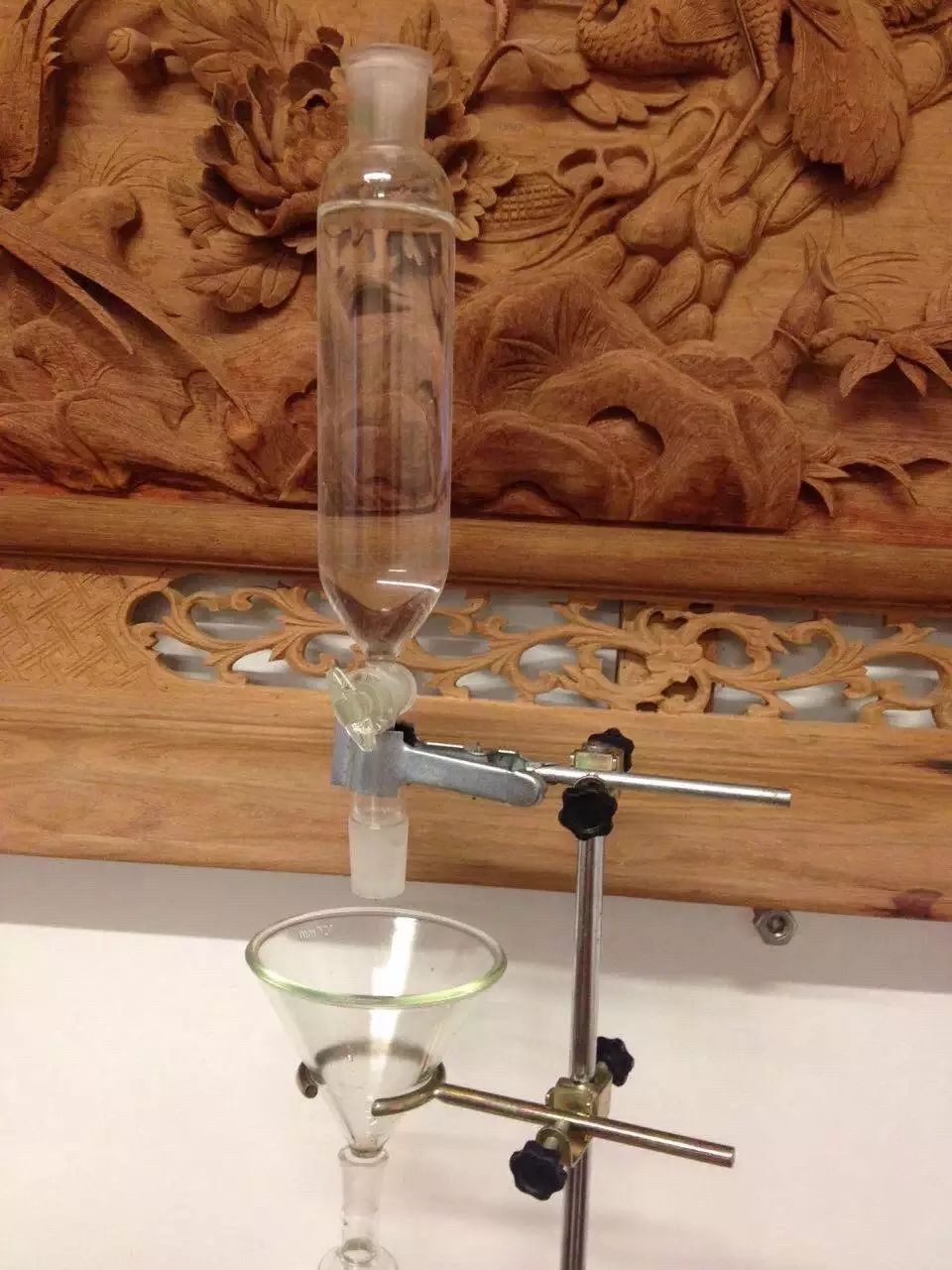
An AeroPress cold drip!
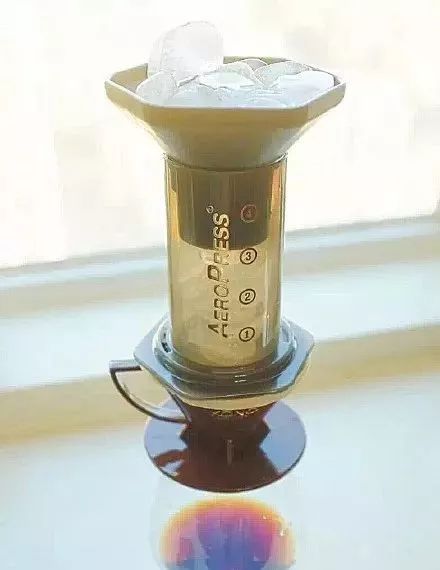
A mineral-bottle cold drip rig of a different breed:
"Impressive! Impressive!"
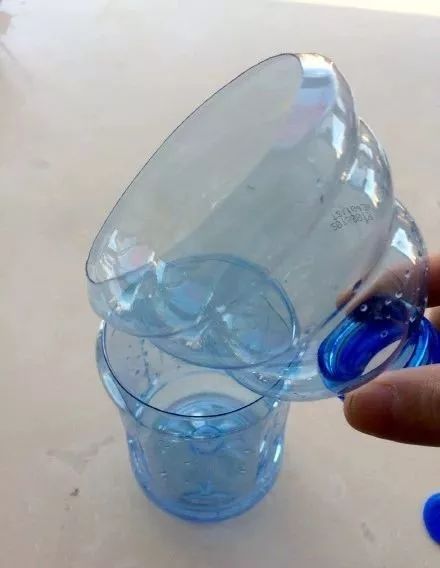
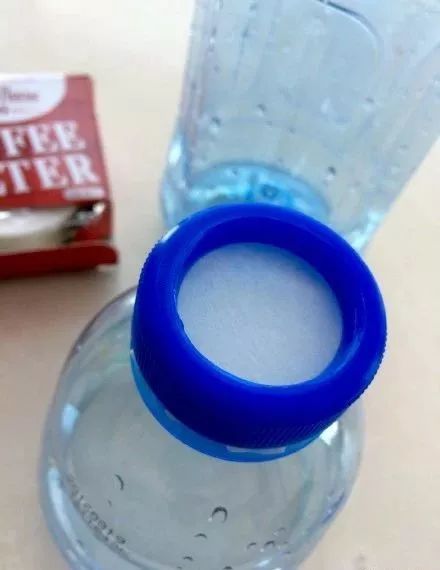
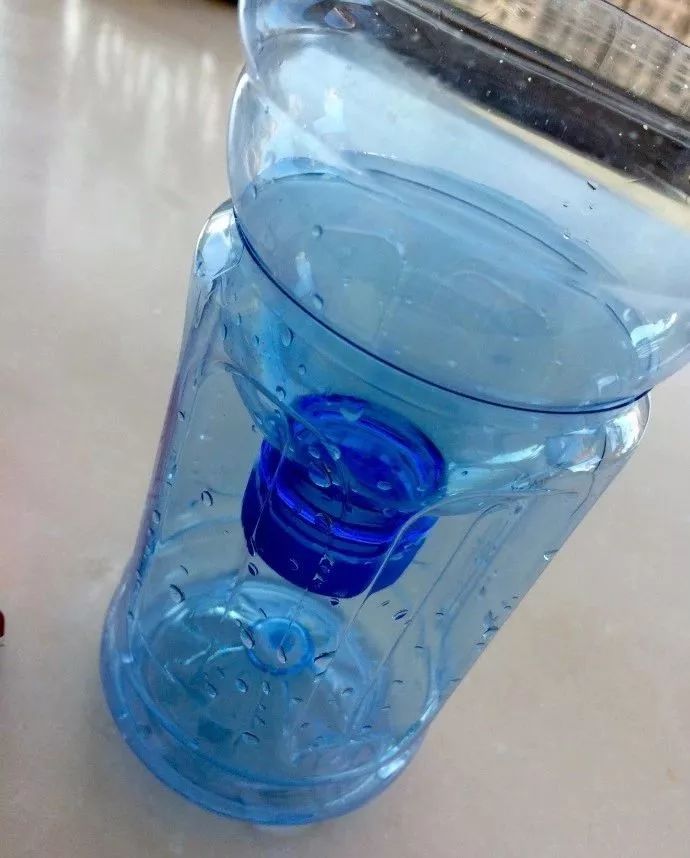
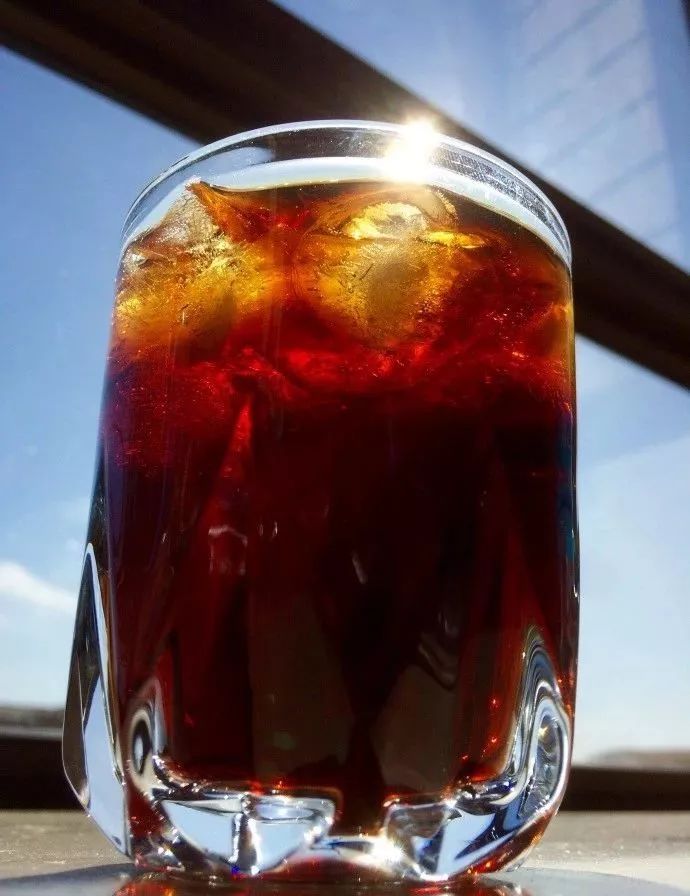
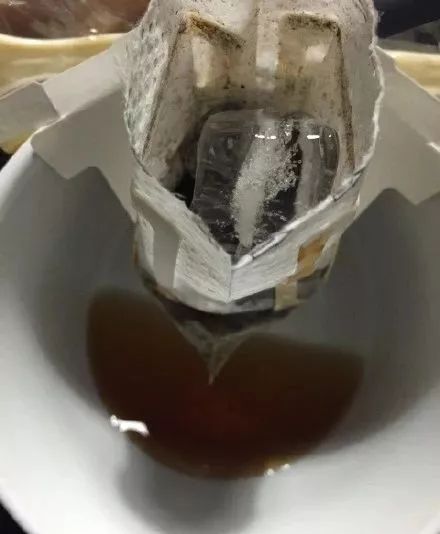
A drip-bag version cold drip—if you want a taste of this one, patience is a must!
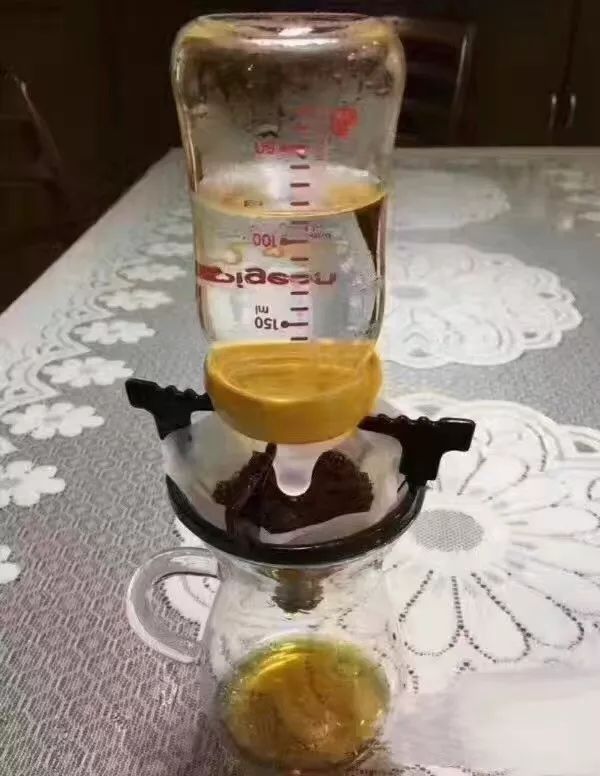
And still, none of these compare to the final masterpiece: a cold drip device built out of a baby's milk bottle!
The "Traditional" Cold Drip Method, Shared
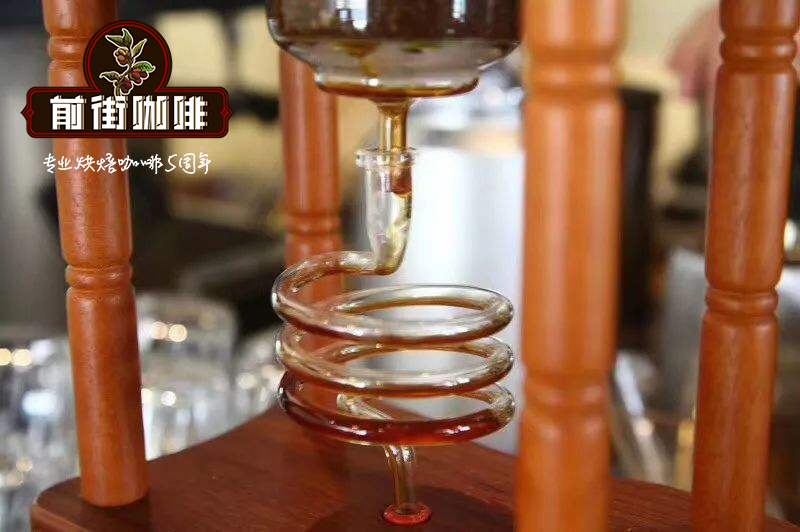
For cold drip coffee, single-origin beans are recommended. Use a slow drip rate of about 7 drops every 10 seconds for roughly 6-8 hours. This long, low-temperature extraction lets the grounds saturate fully, washing out bitterness and tannins. The finished coffee is a clear amber, with a rich, smooth mouthfeel, no acidity or astringency, and gentle on the stomach.
—— Ingredients ——
- FrontStreet Coffee single-origin beans, 100g (try Kenya, Sidamo, Yirgacheffe, and so on)
- 500g room-temperature drinking water;
- 500g ice cubes;
- AeroPress disc filter paper (◆important);
- One cold drip setup;
—— Method ——
- Grind the beans (reference: EK43 setting 7, or Fuji 2.5), place a filter disc or filter paper, and pour in the grounds;
- Mix all the ice with the water, and lay a filter cloth or filter paper over the coffee bed so it sits snugly against it;
- First wet the bed quickly and wait for the grounds to absorb water and expand evenly, then adjust the drip rate;
- Start dripping once the bed has fully expanded, at about 7 drops every ten seconds;
◆ ◆ ◆ ◆ Key Points ◆ ◆ ◆ ◆
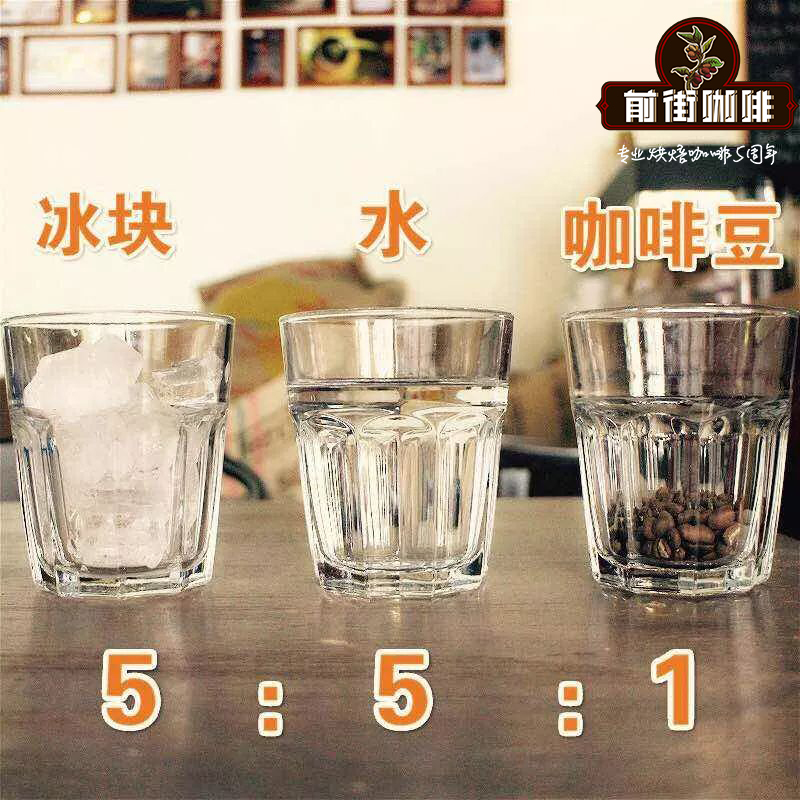
Coffee : water : ice = 1:5:5
- "Pre-infusing" with ice water is much like blooming in pour-over: it improves extraction efficiency and consistency. In cold drip's cold, filtered extraction, dripping straight onto dry grounds can leave the bed unevenly saturated—some grounds over-extract while others never join the party;
- Covering the bed with filter cloth and paper also increases contact between each falling droplet and the coffee, ensuring even extraction;
- Drip speed matters enormously. At 7 drops every 10 seconds over 6-8 hours, the low temperature and long contact time extract mostly the small-molecular flavor compounds—florals and fruit aromas—while the larger compounds behind smoky and roasted notes barely dissolve. The result is a smoother, richer cup with clear layering, an obvious sweet aftertaste, and none of the heaviness.
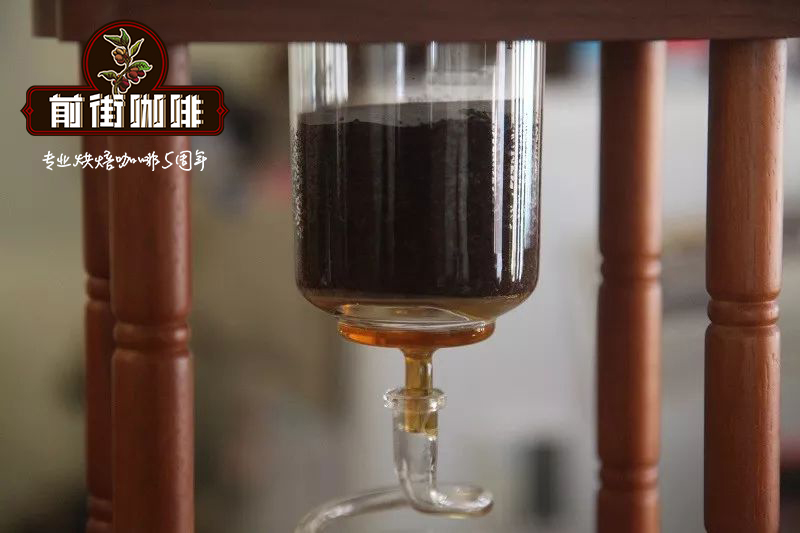
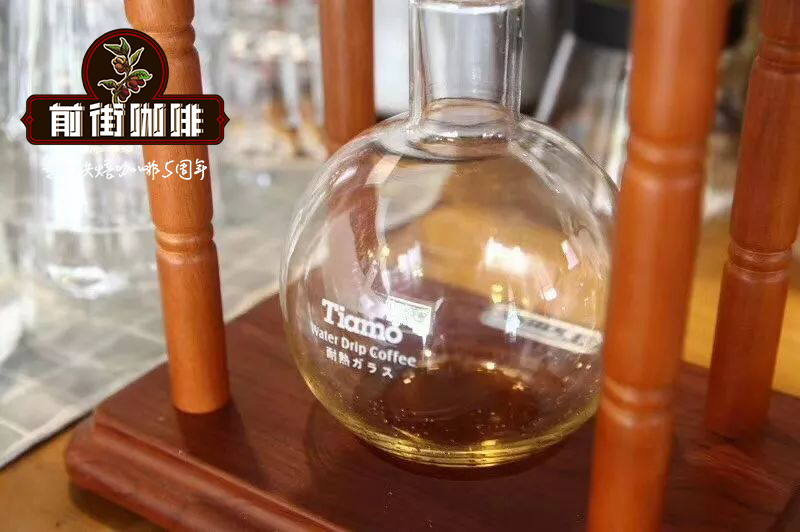
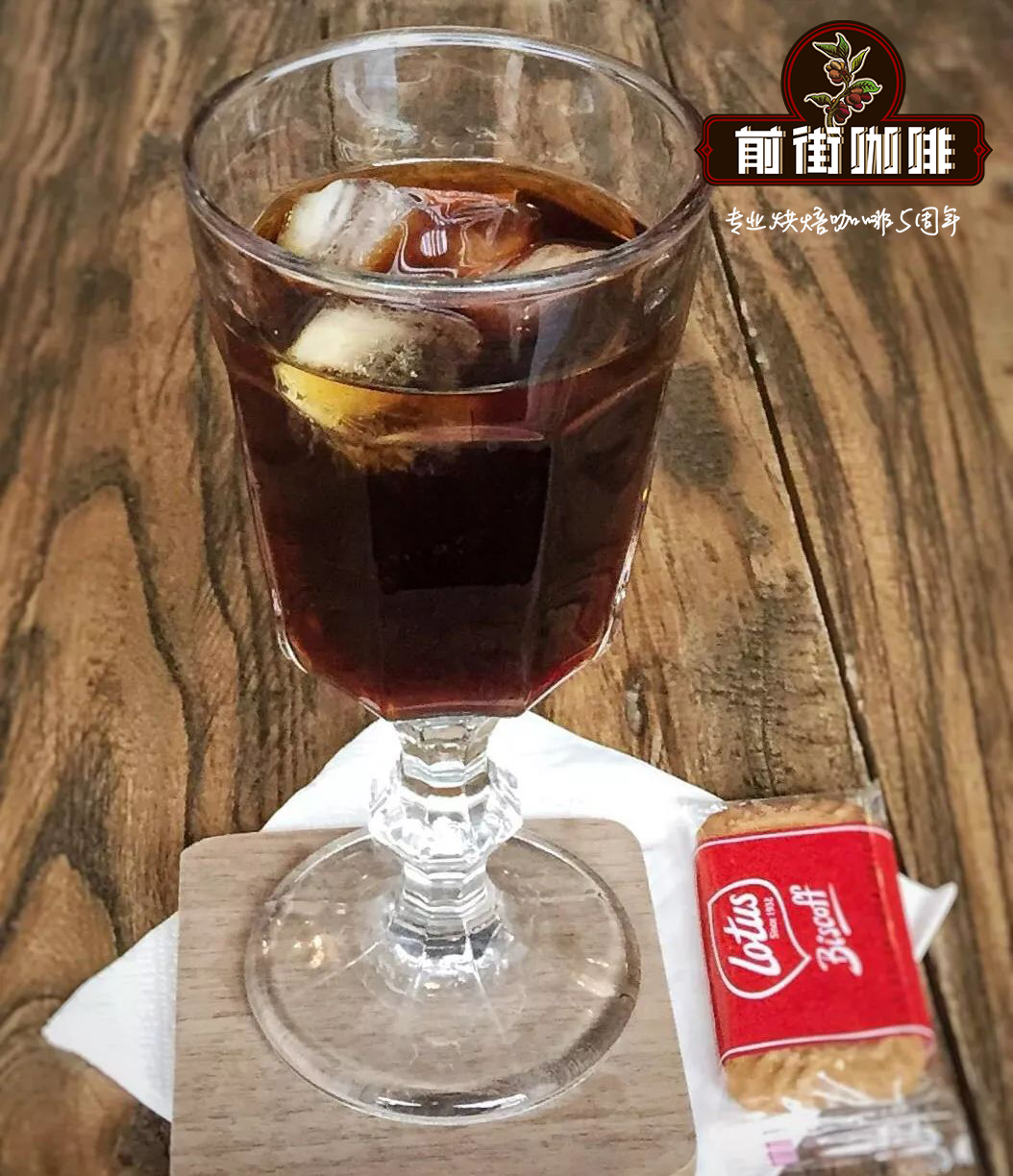
- The finished cold drip is light and clean on the palate, intensely aromatic, with a very long finish. Best of all, the whole process averages only 6-8 hours—efficient enough for home or shop service. :) Store it in a glass bottle in the fridge overnight and it tastes even better.
Summer Is Here
Go make some cold drip!
All images are from the internet.
FrontStreet Coffee Recommendation
What beans make the best cold drip? Cold extraction amplifies floral and fruity notes while muting woody and roasted tones, so light-to-medium roasts show best. FrontStreet's natural Huakui from Ethiopia—dried in the fruit so the beans soak up sweetness from pulp and skin—brews into a cold coffee with magnolia, creamy strawberry, dried mango, guava, and black tea notes. For full-on juiciness, the Kenya Cherry Tomato lot from Thika, built on the classic SL28 and SL34 varieties and given the local K72 double-washed fermentation, delivers cherry tomato, snow pear, black plum, and smoked plum acidity over a low-bitterness, refreshingly clean body.
FrontStreet's Gelana (Guji) cooperative lot from Yirgacheffe—washed, bright, and honeyed with berry and floral character—is another cold-drip favorite and an affordable everyday bean. And since cold drip uses more coffee than pour-over, FrontStreet suggests a budget-friendly trick: blend the passion-fruit-and-apricot Colombia Sidra at 1 part to 2 parts Costa Rica Tarrazu, and you keep the florals and fruit while stretching your value twice as far.
Important Notice :
FrontStreet Coffee is a long-established specialty coffee roaster in Guangzhou China, selling freshly roasted beans from its own farm in Yunnan as well as dozens of carefully selected single-origin beans from around the world for both pour-over and espresso. The products deliver consistently excellent quality and great value, with shipping within 24 hours. Guangzhou's FrontStreet Coffee shop is recommended by many coffee lovers, and the beans are now available online at the Tmall 。
FrontStreet Coffee has moved to a new address:
FrontStreet Coffee Address: 315,Donghua East Road,GuangZhou
Tel:020 38364473
 Scan and follow the En Gafei WeChat official account. Please indicate that the reprint comes from "En Gafei".