Pour-over or Espresso? Find the Perfect Coffee Beans for You - Single-Origin Coffee Bean Buying Guide
Professional coffee knowledge exchange. For more coffee bean information, follow Coffee Workshop (WeChat public account: cafe_style).
Finding Your Beans
If you don't know how to find suitable coffee beans, the best way is to visit your favorite café and ask the local baristas or roasters for advice. They know coffee beans inside out and can guide you—some may even generously share a few beans for you to try. On the other hand, the choices online are abundant, and you can also buy beans yourself, green or roasted, and experiment at home.
FrontStreet Coffee's Taobao link—there must be a coffee you'll like: https://taichancafe.taobao.com/?spm=a1z10.3-c-s.0.0.101f1b50JCIpW2
Breaking Price Myths
Specialty coffee generally costs more than commercial coffee and tastes better—but remember, in the specialty coffee world "you get what you pay for" doesn't always hold. Island coffees from Jamaica or Hawaii, for example, are generally more expensive not because their flavors are exceptional, but because of higher production costs and lower yields.
Ask local baristas or roasters for advice. They know coffee beans and can point you in the right direction.
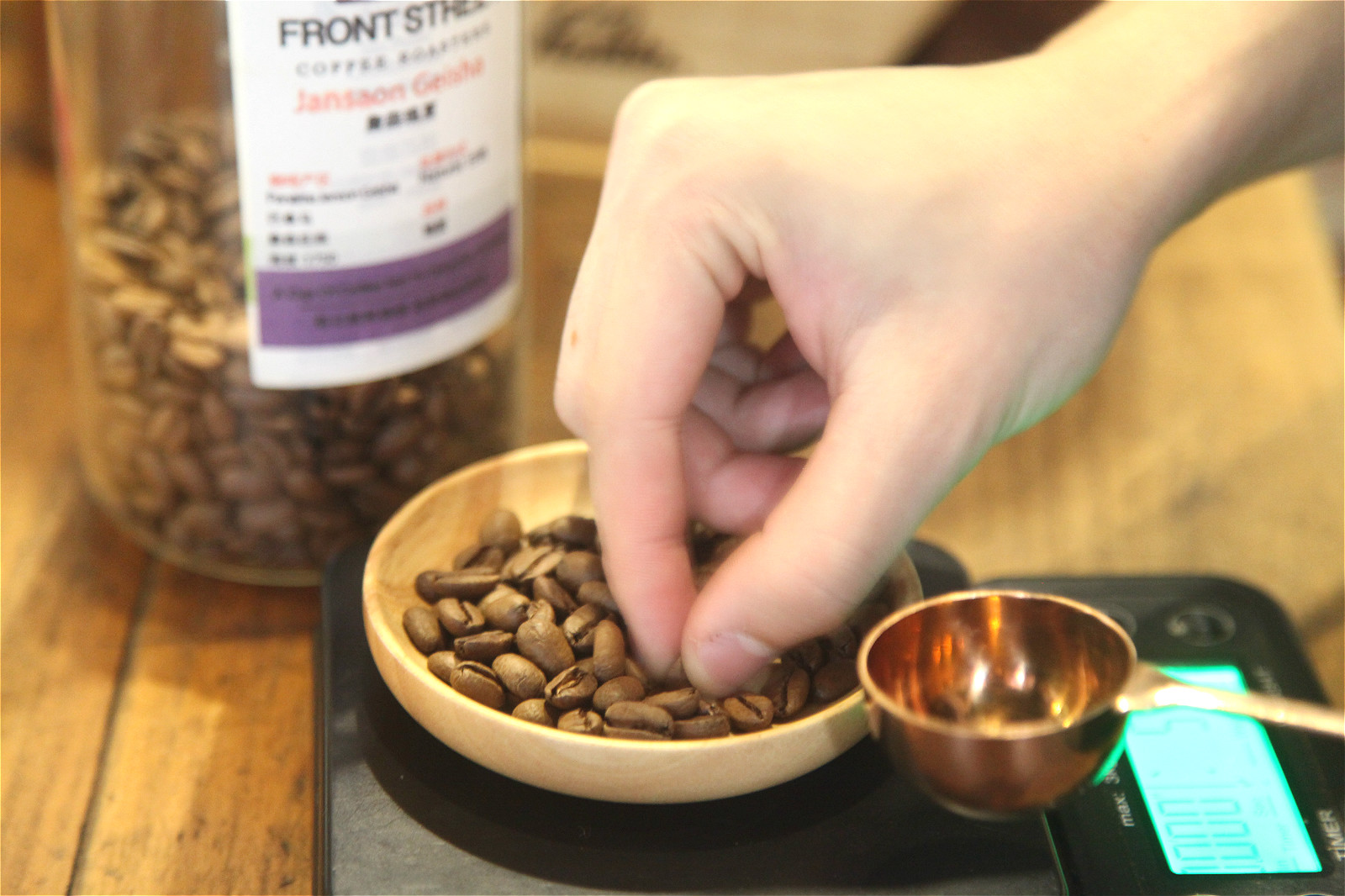
Decide How You'll Drink It
Specialty beans generally fall into two camps: those suited to espresso and those suited to pour-over. So before buying, decide how you plan to brew. Pour-over beans have lighter flavors and more complex nuances, ideal for slow drip brewing. Espresso beans are deeper in color and richer in flavor, able to stand up to the high-pressure extraction of an espresso machine.
Also, delicate single-origin coffees generally don't pair with milk, which can drown their finer nuances. For lattes or cappuccinos, it's best to choose Robusta blends or full-flavored single origins like Brazilian coffee.
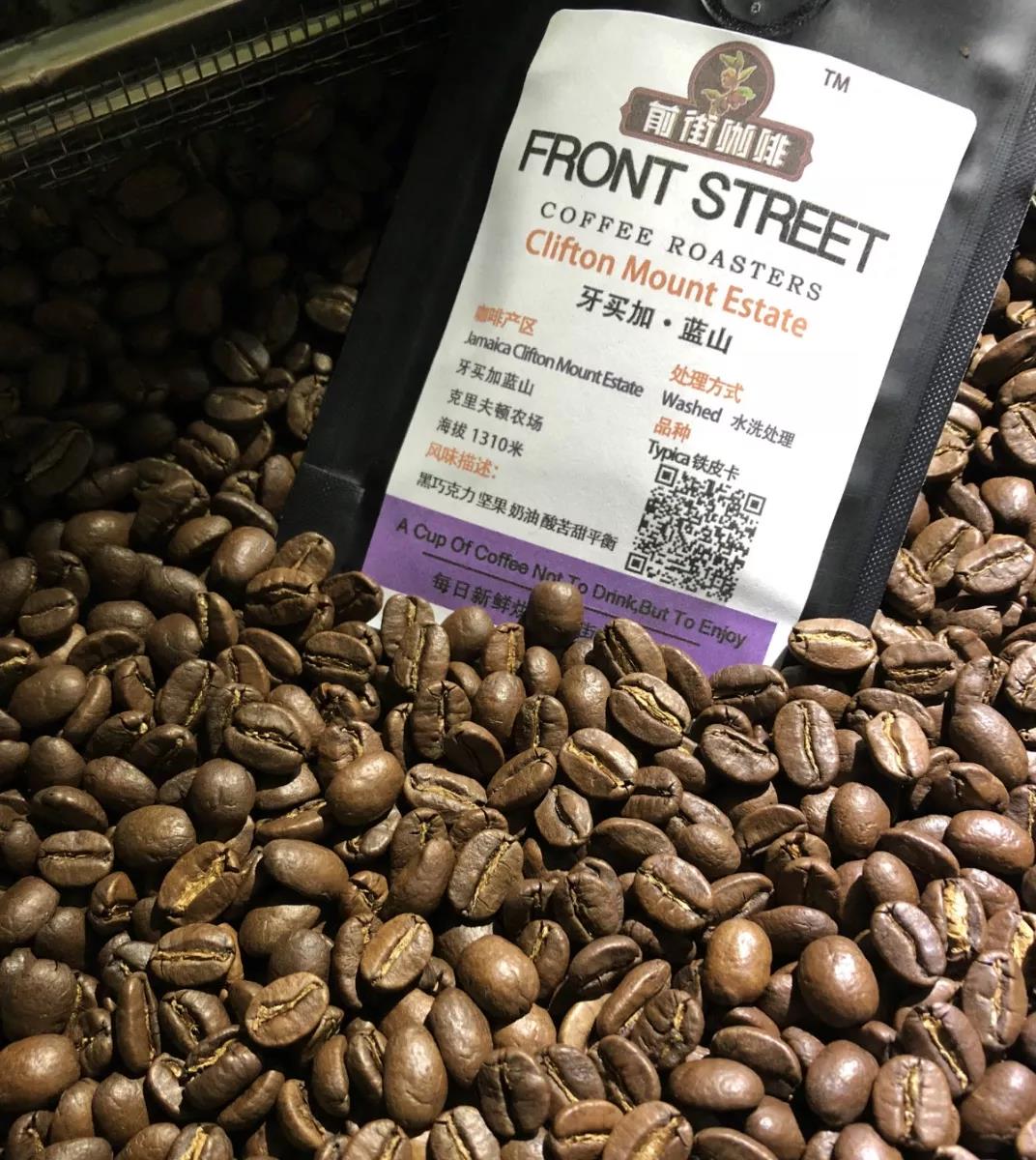
Drink While Fresh
When buying beans, check the roast date on the bag. Opinions vary on the ideal tasting window, but the common wisdom is that beans need 1–4 days of rest after roasting and peak between the 5th and 10th day; within three weeks of the roast date they're still at their best. That said, the best way to judge coffee is to taste it yourself—some coffees peak earlier or later, and what matters most is the quality of the beans and how they're roasted and brewed.
Buy Whole Beans
Grinding releases a bean's flavors rapidly and abundantly—which also shortens its prime and speeds deterioration, usually to just a few hours. Ground coffee loses most of its complexity within a day and goes bland within a week. It's best to buy a grinder and grind fresh for each cup. If you really, really won't, buy the freshest pre-ground coffee available.
Store Properly
Once you've found the right beans, store them well. You could buy dedicated coffee storage containers, but honestly it isn't necessary: keep the beans sealed, fully isolated from air, and away from heat, and buy only one to two weeks' worth at a time. Sealed glass jars or ceramic containers in a cool place work well. But whatever anyone tells you, never put coffee in the refrigerator or freezer—the beans absorb moisture and odors and lose flavor, and your double espresso will taste sour, like last Thursday's leftover pizza.
If you're just stepping into—or haven't yet entered—the world of coffee, are you overwhelmed by the dazzling array of beans on the market? If you haven't yet formed a systematic picture of coffee and suffer from choice paralysis, start with the following questions to understand your own needs.
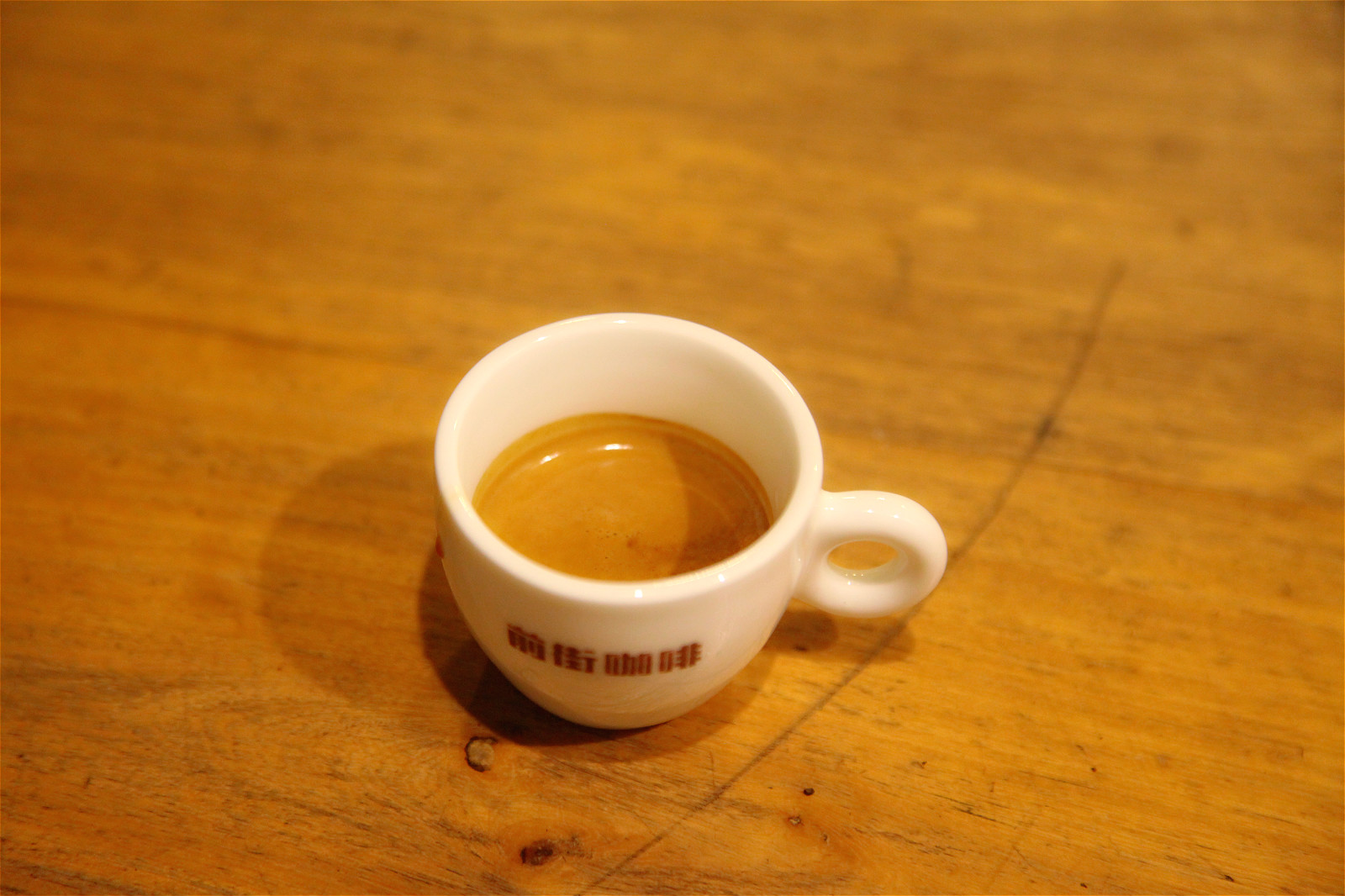
Black Coffee or Milk Coffee
Many people habitually drink coffee with milk, while the fashion for specialty black coffee keeps growing. Time to pick your camp!
If you drink it with milk, an espresso machine or moka pot suits you better—choose espresso beans. For black coffee, drippers or siphon pots are the tools of choice—pick single-origin beans. Of course, a few friends drink their espresso straight, without milk.
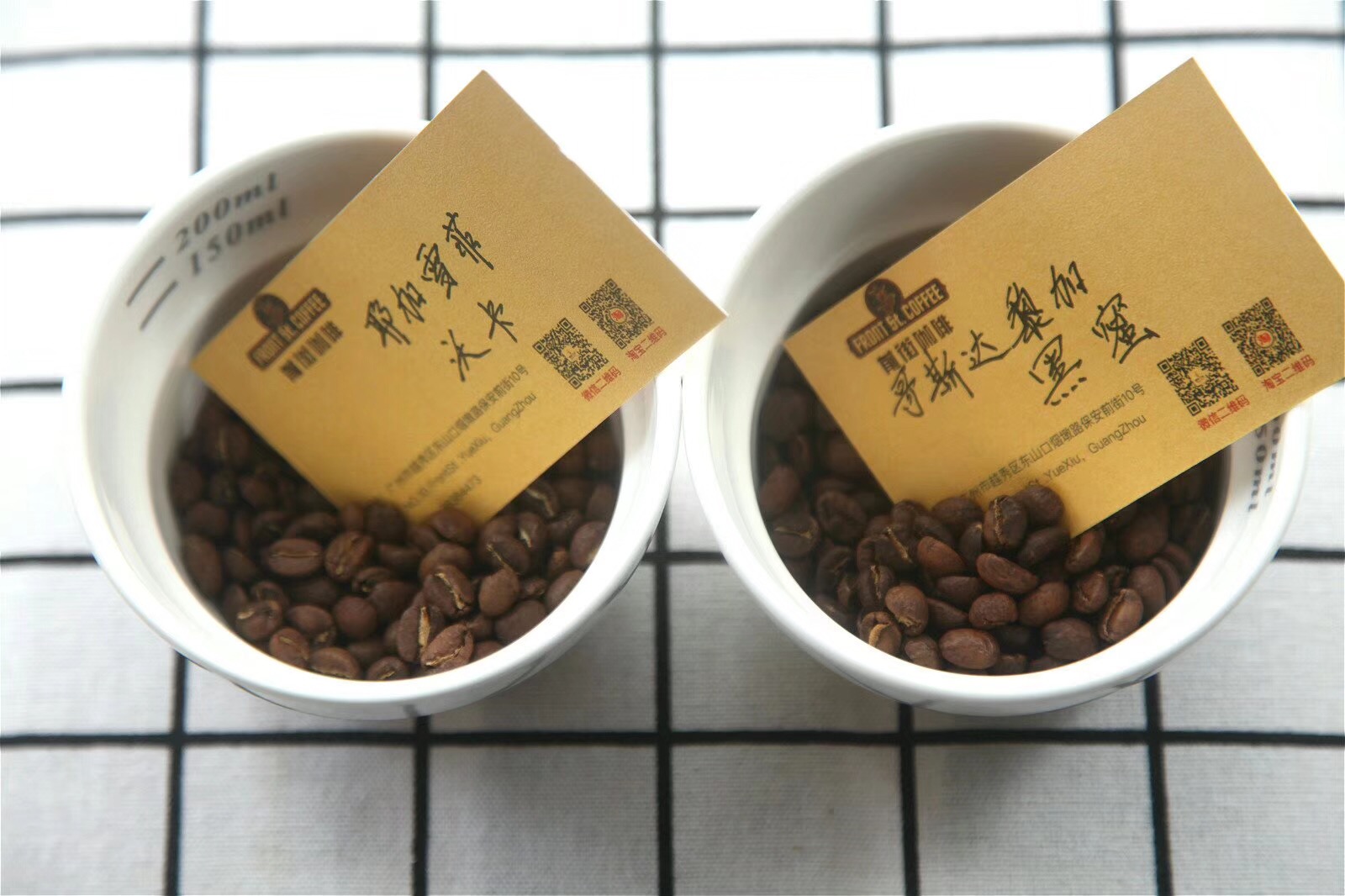
Fruity Acidity or Rich Bitterness
Coffees differ wildly in flavor—one word can't cover them all. But for beginners, the most intuitive divide is between "sour" and "bitter" tendencies.
Many people say "I don't like acidity in coffee"—yet acidity is one of the hallmarks of quality coffee. Those who dislike it usually haven't met good acidity. Premium beans like Yirgacheffe and Kenya show pronounced acidity; they're typically light to medium roasted, allowing more delicate layers and distinct, clear flavors.
If you prefer rich bitterness and firmly reject acidity, we won't stop you. Mandheling-style coffees, known for their mellow, low-acid profiles, have long been market favorites—usually roasted darker, with more obvious sweet-bitter flavors and a thick, rich texture.
And then there are balanced beans that hold bitterness and acidity in good proportion—mostly medium roasted, and the easiest for most people to enjoy.
Fresh or Not Fresh
Whatever the beans, freshness is non-negotiable. Coffee beans keep a long time on the shelf, but their optimal tasting period is about a month, after which flavors slowly fade—so always choose beans with recent roast dates.
Pre-ground coffee isn't recommended: for a demanding barista, coffee starts losing aroma 40 seconds after grinding; even by forgiving standards, grounds half an hour old have lost significant aroma. Buy fresh beans and grind them yourself.
One exception: in the office or traveling, when you can't grind fresh, relatively fresh drip bag coffee with double-layer sealed packaging lets you enjoy fragrant coffee anytime, anywhere—no equipment to carry.
This Origin or That Origin
Most specialty coffees can be traced to their origin, even specific estates. Origin information doesn't guarantee quality, and judging beans by country alone isn't rigorous—but origin still offers useful clues. Kenya from Africa often shows distinct fruit aromas; Guatemala from South America is often mellow with a hint of wildness; Indonesia's Mandheling is typically low-acid and mellow; and Ethiopia's Yirgacheffe often has strikingly distinct flavor character.
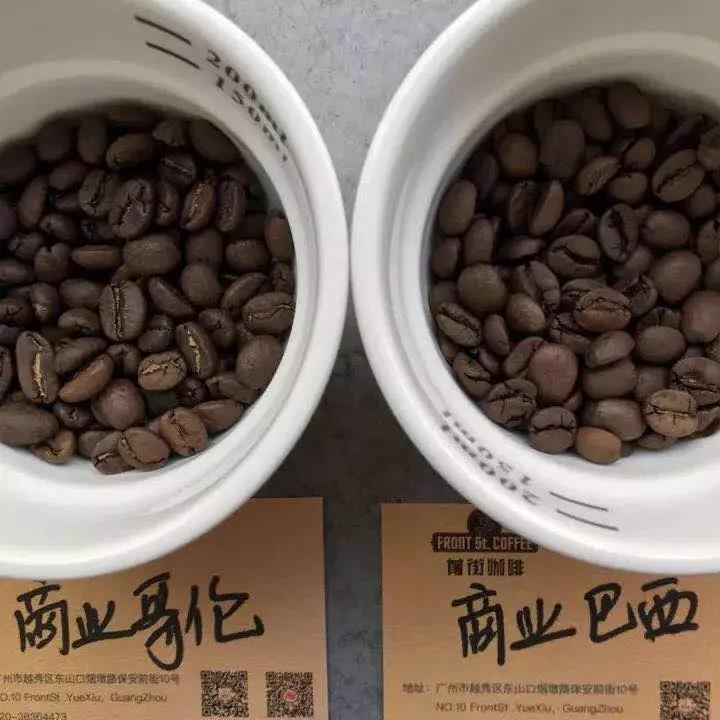
Blend or Single Origin
A single coffee bean may lack the complexity needed for a truly delicious cup. Many blends combine three to seven different coffees; master roasters know each bean's character and blend them artfully to create a new, intended flavor—and their blending formulas are considered the industry's most closely guarded secrets.
In the United States, the finest blends are built on 100% arabica. In Italy, some Robusta goes into blends to boost crema, caffeine, and flavor complexity.
Whether to roast first or blend first is a perennial roaster debate. Generally, roasting each component separately before blending lets each coffee's character shine—producing the best results.
FrontStreet Coffee Recommendation
So which beans suit the V60 dripper—the pour-over classic? Designed by Hario, founded in 1921 in Tokyo as a maker of heatproof laboratory glassware, the V60 was redesigned in 2004 into the shape we know today, named for its 60° cone angle and "V" shape, and launched the following year. The cone and single large aperture let flow speed depend entirely on the brewer's pouring control, so gentle, fast extraction reveals a coffee's layered aromas and lively acidity. Before the third wave, roasting leaned medium-dark and cups prized body, sweetness, and caramelized notes—think FrontStreet Coffee Blue Mountain No. 1 and FrontStreet Coffee PWN Golden Mandheling, the era's most popular beans. With the third wave's pursuit of terroir—Ethiopian white florals, Kenyan berry acidity—roasting turned lighter, and the V60's quick extraction is perfect for floral-fruity beans like FrontStreet Coffee Idido (classic Yirgacheffe), FrontStreet Coffee Huakui (rich tropical fruit), FrontStreet Coffee Strawberry Candy (Geisha character), and FrontStreet Coffee Mozart (raisin notes).
If you're starting out, light roasts like FrontStreet Coffee Yirgacheffe Idido are an easy first step: vivid citrus, berries, and florals with a green-tea-like finish—and unlike the "sour coffee" you may fear, good Yirgacheffe acidity is soft and bright, like fruit itself. Want something that doesn't taste like coffee at all? FrontStreet Coffee Ethiopian Huakui is one of the specialty market's biggest stars: intense strawberry, passion fruit, jackfruit, even lychee aromas, obvious sweetness, almost no bitterness, and a juicy, silky body. Chasing brightness and complexity? FrontStreet Coffee Kenya Cherry Tomato—SL28/SL34 grown at 1,550–1,750 m in Thika, 72-hour double washed fermentation, lightly roasted—delivers cherry tomato and dark plum over fresh-pressed-juice acidity, with pear, black plum, yellow sugar, and a clean, long finish.
If you lean toward rich, low-acid cups, the medium-dark side of the list has you covered: FrontStreet Coffee PWN Golden Mandheling (deep roasted, herbal and dark chocolate over a hint of earth, mellow and long), FrontStreet Coffee Brazil Queen Estate (low acid, balanced, intense nut and cocoa with caramel sweetness, great crema for espresso or moka pot), FrontStreet Coffee Jamaica Blue Mountain No. 1 (creamy, caramelly, nutty balance that nearly everyone loves), FrontStreet Coffee 2013 Yunnan Sun-dried Typica (clean, with citrus and caramel over nuts, chocolate, and brown sugar), and FrontStreet Coffee Papua New Guinea Bird of Paradise—the "little Blue Mountain," Typica grown at 1,600–1,800 m on volcanic soil, AA grade, triple washed, clean and sweet with barely any acidity.
Important Notice :
FrontStreet Coffee is a long-established specialty coffee roaster in Guangzhou China, selling freshly roasted beans from its own farm in Yunnan as well as dozens of carefully selected single-origin beans from around the world for both pour-over and espresso. The products deliver consistently excellent quality and great value, with shipping within 24 hours. Guangzhou's FrontStreet Coffee shop is recommended by many coffee lovers, and the beans are now available online at the Tmall 。
FrontStreet Coffee has moved to a new address:
FrontStreet Coffee Address: 315,Donghua East Road,GuangZhou
Tel:020 38364473
 Scan and follow the En Gafei WeChat official account. Please indicate that the reprint comes from "En Gafei".