What Grade of Coffee Variety is Robusta? Comparing Indian Fine Robusta Coffee Beans with Arabica Flavor Profiles

The greatest characteristic of Robusta is that it grows faster than Arabica and resists extreme climates better. Today, about 30% of global coffee production is Robusta. FrontStreet Coffee believes that high-quality Robusta tastes better than low-quality Arabica. Robusta beans are commonly used in espresso blends to enhance richness and body. FrontStreet Coffee's commercial espresso blend, for example, contains 10% Robusta, which creates espresso with a rich, full-bodied texture and abundant crema. Next, FrontStreet Coffee will look at Robusta coffee beans in more detail.
The Origin of Robusta Coffee Beans
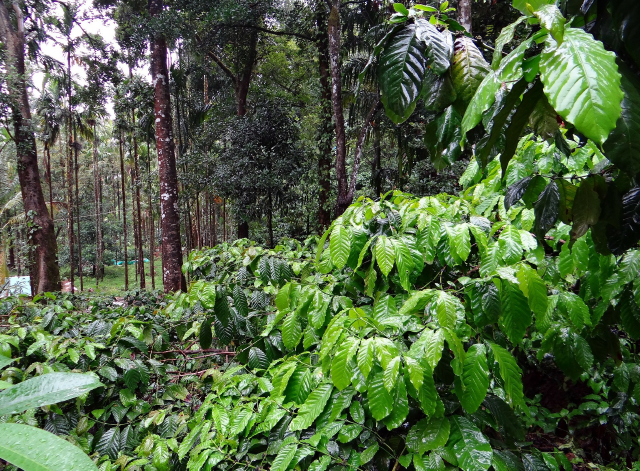
Robusta originated in the Congo region of West Africa. We often compare Arabica with Robusta, but that isn't entirely accurate, because they belong to different botanical classifications. Robusta actually belongs to the Canephora species, also known as Congensis — similar to how Typica belongs to the Arabica species. Unfortunately, only one variety within Canephora — Robusta — has been commercialized and become well known, so Robusta has almost completely replaced Canephora as the name for the species.
How to Identify Robusta Coffee Beans
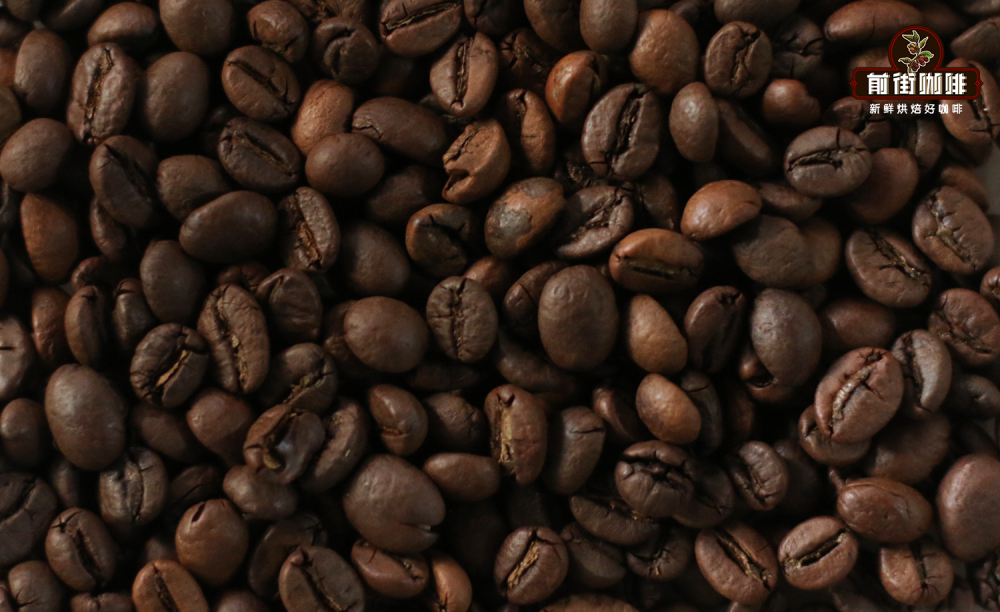
Robusta coffee beans produce one bean per cherry. Robusta beans are more round and C-shaped; the center crease appears as a straight line, and raw beans have a yellowish-brown color.

Advantages of Robusta
Growing Conditions: Global coffee growing regions lie between the Tropics of Cancer and Capricorn, and Robusta is no exception. However, Robusta's growing conditions are less demanding than Arabica's. Robusta can grow at lower altitudes and higher temperatures, grows faster than Arabica, and tolerates extreme weather better. It is widely cultivated in countries like Vietnam, Brazil, and India. Hainan, China also grows Robusta. FrontStreet Coffee often says that refined coffee flavor needs two basic conditions: excellent Arabica varieties and high-altitude cultivation. Because Robusta is cultivated at low altitude and has its own variety characteristics, its flavor tends to be deeper and more full-bodied.
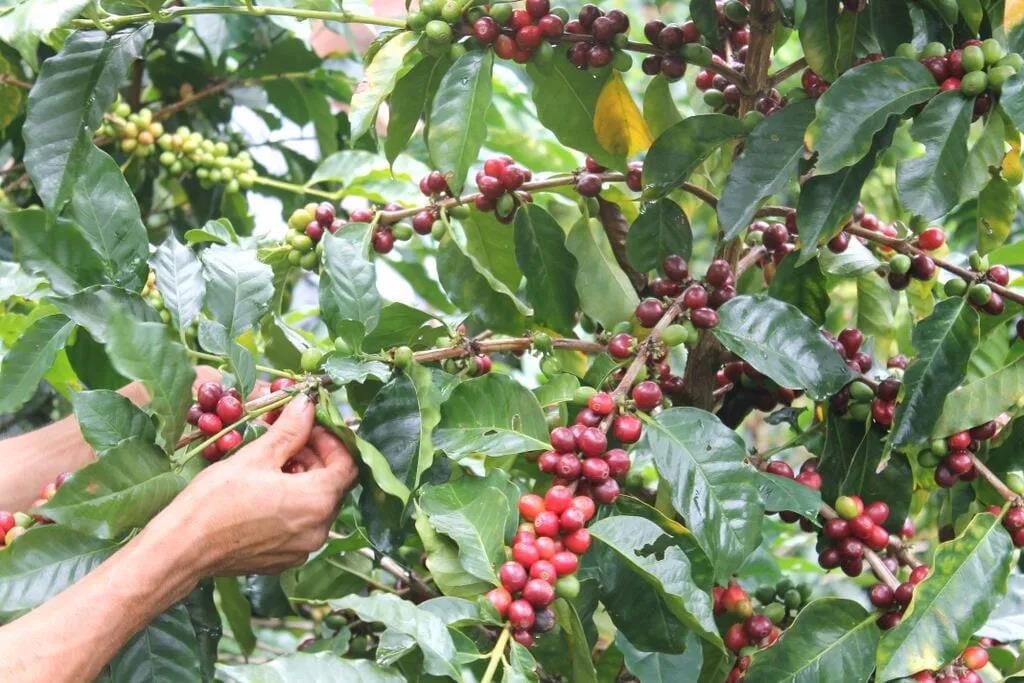
Pest Resistance: Robusta's caffeine content ranges from 2.7%-4%, twice that of Arabica. Caffeine acts as a natural pesticide for the plant, protecting it from most insect damage.
Disease Resistance: Arabica has 44 chromosomes while Robusta has 22. Generally, more chromosomes mean higher genetic complexity and advancement, but Arabica is self-pollinating while Robusta is cross-pollinating. Pollination involves genetics — typically, cross-pollination produces higher-quality plants, because offspring inherit traits from both parents and may develop new characteristics that help them survive in changing environments. Self-pollinating Arabica is therefore quite fragile, its genes becoming increasingly uniform through continuous breeding (with no external genes entering). If certain diseases (like leaf rust) appear, they could wipe out coffee plants with identical genes. Robusta's strength lies in its ability to keep adapting to its environment through genetic change.
Disadvantages of Robusta
Flavor: As FrontStreet Coffee just mentioned, because of low-altitude cultivation and its variety characteristics, Robusta has higher caffeine, amino acid, and chlorogenic acid content than Arabica. Chlorogenic acid is the source of bitterness, so Robusta naturally lacks the delicate aromatic fragrance unique to Arabica. Instead, it offers a richer, deeper body with flavors of walnut, peanut, hazelnut, wheat, and grains, and sometimes even pungent earthy notes. Because of this inferior flavor, Robusta is often rejected by the specialty coffee community and generally used in blends with Arabica or for instant coffee.
Since Robusta is undemanding about growing conditions and has high disease resistance, while Arabica has relatively rich flavors, are there hybrid varieties of the two? Yes! Catimor is the hybrid offspring of these two varieties.
Catimor Coffee Variety
Catimor is a combination of the Arabica and Robusta species. Robusta has good leaf rust resistance, rich oils, high yield, and easy cultivation. After hybridizing with Arabica's Typica, Catimor gained 25% Robusta genes, improving leaf rust resistance while keeping rich oils and retaining some of the complex flavors of the original Typica. Catimor is the most widely planted coffee variety in Yunnan. FrontStreet Coffee's Yunnan coffee beans include some Catimor small-bean coffee.
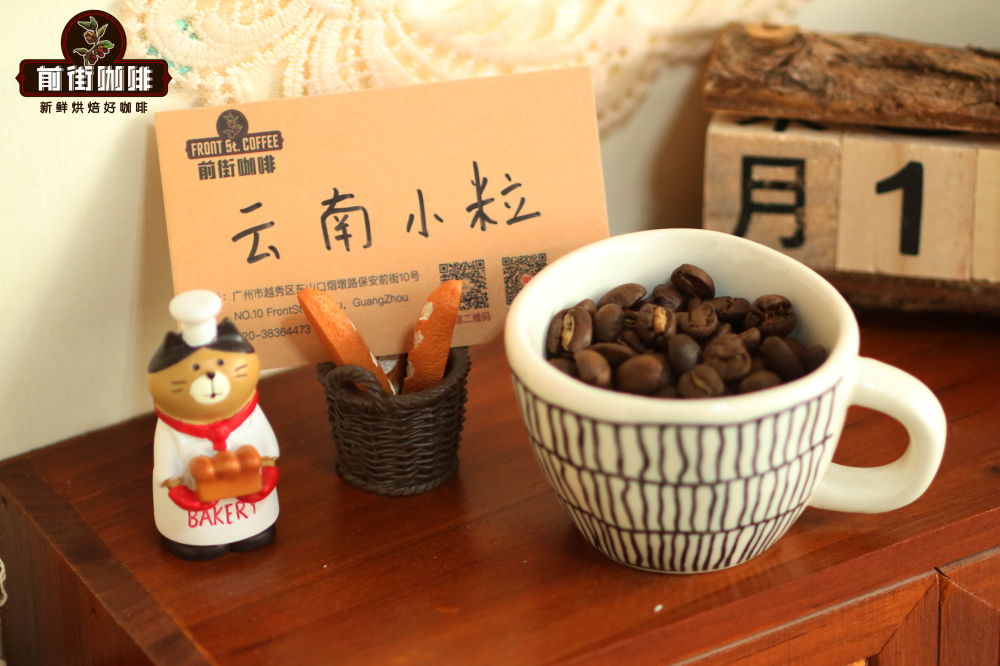
FrontStreet Coffee's Yunnan Catimor Small Bean Coffee
Region: Baoshan, Yunnan
Altitude: 1200 meters
Variety: Catimor
Processing: Washed
Washed Processing Method
Because Yunnan has a long rainy season and an unstable climate, most Yunnan coffee beans use washed processing. Harvested cherries run through a depulping machine to separate most of the fruit flesh from the beans; the parchment beans then go into a clean water tank and soak for fermentation to completely remove the remaining fruit flesh. In the past (about five years ago), washed processing was often the preferred method for high-quality beans.

Through water processing, unripe and defective beans are separated out by buoyancy differences, and fermentation is easier to control. So unlike natural processed beans, which may have impure flavors, washed processing presents bright fruit acidity, slightly more complexity, and cleaner cup characteristics, without negative flavors like astringency or sharpness.
FrontStreet Coffee's Roasting Recommendations
Yangjia 800N (300g batch size): preheat roaster to 190°C, heat power at 120, damper at 3. Return temperature at 1'40". When roaster temperature reaches 145°C, open damper to 4 and keep heat unchanged. When roaster temperature reaches 166°C, the bean surface turns yellow, the grassy aroma disappears completely, and the beans enter the dehydration phase. When roaster temperature reaches 188°C, adjust heat to 60, damper to 5.
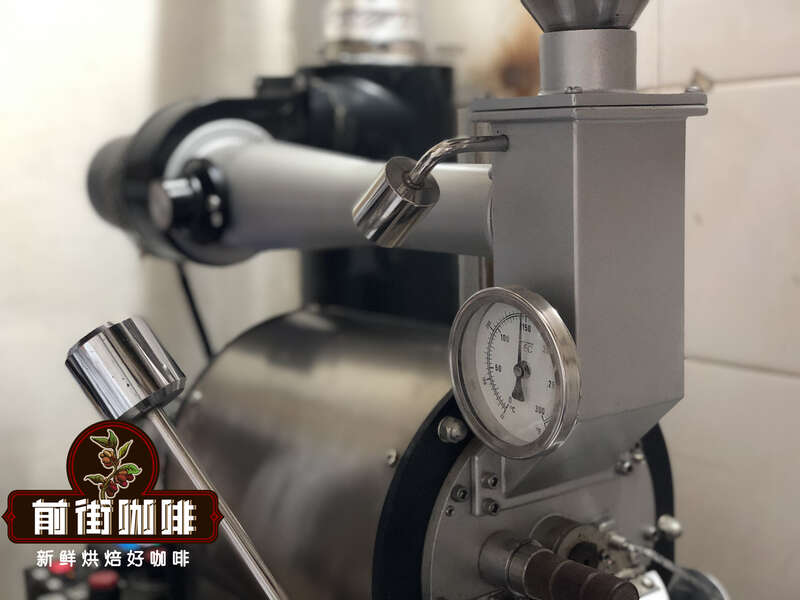
At 8'37", the bean surface shows ugly wrinkles and black spots, and the toasted bread aroma clearly transforms into coffee aroma — this can be defined as the prelude to first crack. Listen carefully for the first crack. First crack begins at 9'00"; keep the damper unchanged, develop for 3 minutes, and drop at 198°C.
FrontStreet Coffee's Cupping Report
Smooth entry, Asian herbal plant aroma, lively and bright acidity, salivation on both cheeks, soft acidity with a good balance between richness and body, rich layers, distinct black chocolate, honey, and cane sugar in the aftertaste, with brown sugar flavors when completely cooled.
FrontStreet Coffee's Brewing Recommendations
FrontStreet Coffee recommends a more balanced approach when brewing Yunnan coffee — neither pushing acidity too far forward nor over-correcting the finish. Use 15g of grounds, a recommended coffee-to-water ratio of 1:15 (or 1:16 for a clearer profile), a Kono dripper, and 88°C brewing water to soften the acidity, with a medium-fine grind (fine sugar size, 80% pass-through on the #20 sieve).
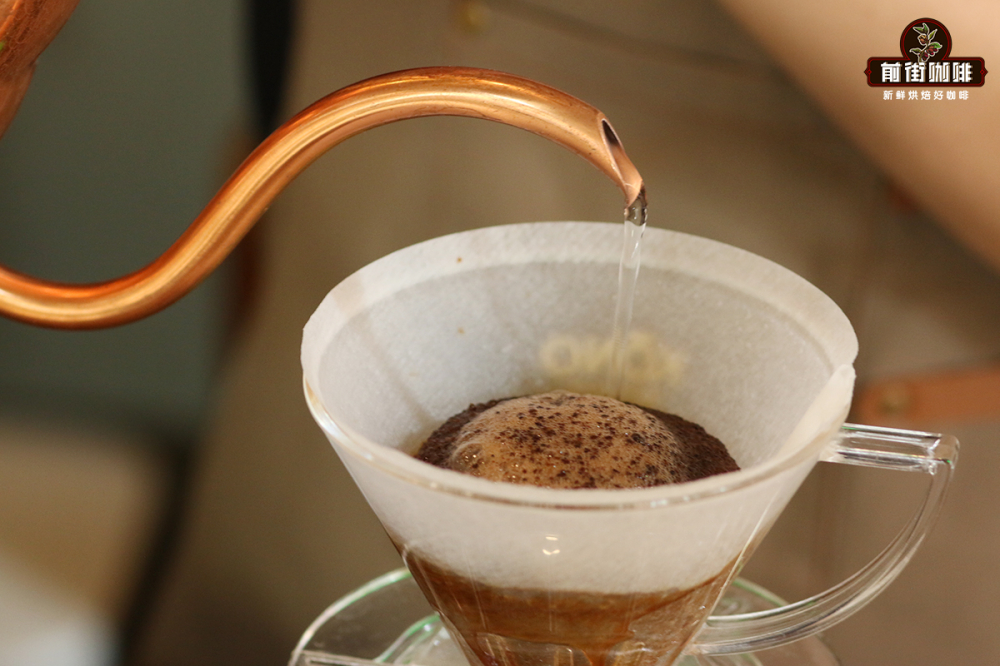
FrontStreet Coffee's staged brewing technique: use 30g of water for a 30-second bloom, then pour in a small circular motion to 125g and pause. When the water level drops and is about to expose the coffee bed, continue pouring to 225g and stop. When the water level drops and is about to expose the bed again, remove the dripper. Extraction time is 2'00" (counted from the start of the bloom).
Brewing flavors: Nutty aroma, herbal notes, chocolate, caramel, with light fruit acidity in the aftertaste.
Finally, FrontStreet Coffee wants to talk about specialty Robusta coffee beans — yes, they exist too!
India's "Kappi Royale" Robusta: "Kappi Royale" means "top grade." At present, at least four private coffee estates in India grow and produce "Kappi Royale" grade Robusta using specialty Arabica standards and procedures.
The emergence of "Kappi Royale" specialty Robusta is undoubtedly changing the world's perception of Robusta. Most people who taste it are amazed by its combination of thickness and cleanliness. Thanks to refined cultivation and processing, "Kappi Royale" grade Robusta mostly presents very clean flavors without the disturbing defects of cheap Robusta. Robusta naturally lacks the delicate aromatic fragrance unique to Arabica; instead, it offers a thicker, more stable body with intense walnut, peanut, hazelnut, and wheat flavors reminiscent of peanut butter and hazelnut spreads.
FrontStreet Coffee Recommendation
Robusta's real home in specialty coffee is the espresso blend, where a small share goes a long way. If you want to taste what that 10% can do, FrontStreet Classic Blend is the first choice — it's built for espresso and moka pot, and its standout is crema. Even on a non-professional home machine, a beginner can pull dense, fine crema. It follows the traditional Mamba blend recipe for a full, warm body, and it's the base behind everyday lattes, cappuccinos, and Dirty — forgiving enough for newcomers and solid enough for commercial use.
If you'd rather keep the blend fully Arabica, FrontStreet Black Cocoa Blend is the value pick: 100% Arabica, generous crema, a full body, and a friendlier price, balancing quality and cost for home users and café owners watching their margins. For a more balanced, classic espresso, FrontStreet Specialty Blend combines Brazilian Cerrado with Colombian Huila for creamy, nutty sweetness and a dark-chocolate backbone that's excellent with milk.
For single-origin espresso, FrontStreet's SOE range lets one region shine. FrontStreet Natural Flower Queen SOE, from Ethiopia's Gugi Hambela at 2,300 meters, is naturally processed and medium-roasted for a creamy strawberry note with cream, cocoa, berries, light florals, and black tea as Americano or latte. FrontStreet Costa Rica Blackberry SOE is honey-processed for a high-sweetness cup — bright and clean as Americano, or cranberry-cookie, raisin, and nut as a latte. And FrontStreet Brazil Queen Estate SOE, a Yellow Bourbon roasted medium-dark, pulls butter cookie, macadamia, and toast notes with low, gentle acidity.
Important Notice :
FrontStreet Coffee is a long-established specialty coffee roaster in Guangzhou China, selling freshly roasted beans from its own farm in Yunnan as well as dozens of carefully selected single-origin beans from around the world for both pour-over and espresso. The products deliver consistently excellent quality and great value, with shipping within 24 hours. Guangzhou's FrontStreet Coffee shop is recommended by many coffee lovers, and the beans are now available online at the Tmall 。
FrontStreet Coffee has moved to a new address:
FrontStreet Coffee Address: 315,Donghua East Road,GuangZhou
Tel:020 38364473
 Scan and follow the En Gafei WeChat official account. Please indicate that the reprint comes from "En Gafei".