What is Flat White Coffee and How to Make It - The Origin Story and Meaning Behind Starbucks Flat White Name
In recent years, as coffee culture has spread, coffee shops of every style have opened everywhere, and the pace at which café menus evolve is astonishing. Alongside the traditional Americano, latte, mocha, and cappuccino, many "niche" drinks have joined the boards—Flat White, Dirty, Piccolo, Long Black... Among them, Flat White, propelled by Starbucks, officially entered the "popular coffee list" and became known to the public under the name "Fu Rui Bai."
The Mysterious Origins of Flat White Coffee
On September 29, 2015, Starbucks China launched the Flat White at its first Coffee Culture Festival, naming it "Fu Rui Bai." "Bai" is a literal translation of "White" and also nods to the white dot poured during latte art; "Fu Rui" sounds like "Flat White" while also suggesting rich, fragrant flavor. Other chain brands soon followed with their own versions: COSTA called theirs "Chun Yi Bai," Luckin Coffee called theirs "Ao Rui Bai," and others offered "Xiao Bai Coffee," "Ao Bai Coffee," "Ping Bai Coffee"... Whatever the stage name, they all point to the same drink from Australia—the Flat White.
As for where the Flat White was born, Australians and New Zealanders each insist it came from their own country—a debate still without a winner. In the early 1970s, Italians brought espresso machines to Australia, opening a new wave of coffee culture there. Compared with traditional lattes, Australians wanted milk drinks with thinner foam and a stronger coffee flavor. By the 1980s, Flat White was a fixture on menus across Australia, and it soon spread to cafés in Europe and America.
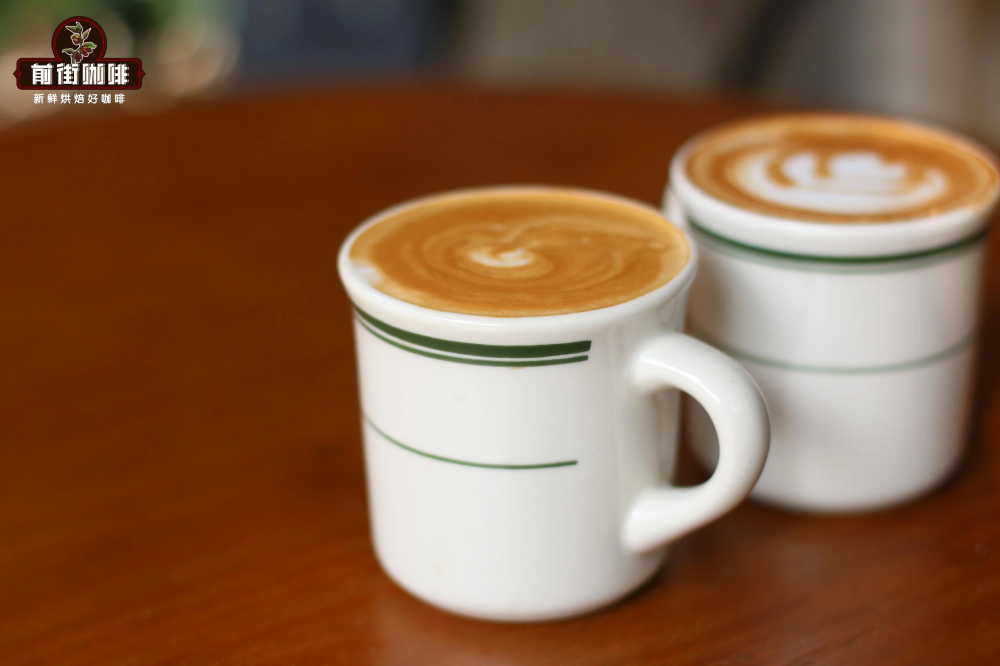
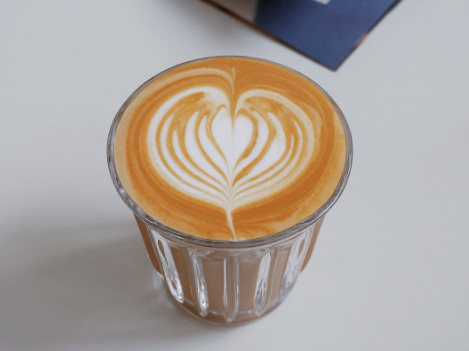
By Australian standards, a latte should be served in a thick, wide-mouthed ceramic cup with foam at least 1cm thick to count as properly made—some pours run a full inch of foam. That thick, fine milk foam gives a latte its soft, delicate layers: you taste the coffee while also enjoying big mouthfuls of foam. A Flat White, by contrast, must have foam under 5mm—smooth, fine, and well integrated with the coffee. What the drinker gets is not the latte's softness but a silky smoothness.
How to Make a Qualified Flat White?
To make a proper Flat White, you first have to tell it apart from the other hot milk coffees—latte and cappuccino.
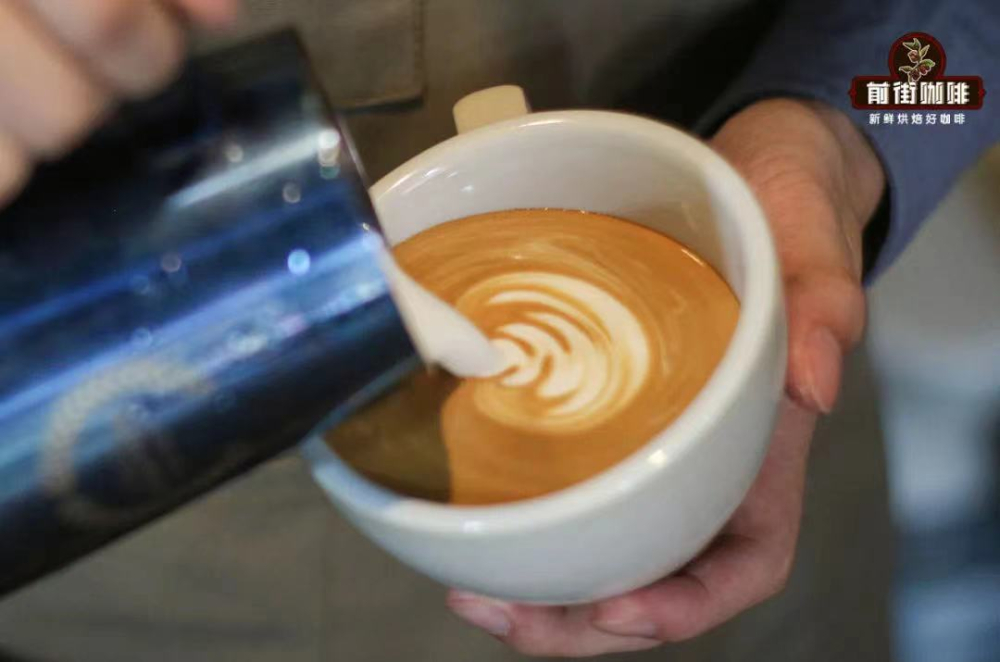
In foam thickness, the order runs cappuccino > latte > Flat White. Cappuccino carries the thickest foam, generally a "hamburger-shaped" cap 1-2cm high that you sip through before reaching the coffee. The latte's foam runs 0.5-1cm, aiming for a soft, balanced mouthfeel. The Flat White's is the thinnest at 0.3-0.5cm—thin enough to sit level with the cup rim without bulging, so that every sip of espresso arrives wrapped in a dense layer of microfoam.
New Zealand baristas, wanting a richer coffee, adjusted the coffee-to-milk ratio: they pulled the drink in a smaller cup (about 150ml) than a latte and standardized on a double espresso base—less milk, more coffee, and naturally a more intense flavor.
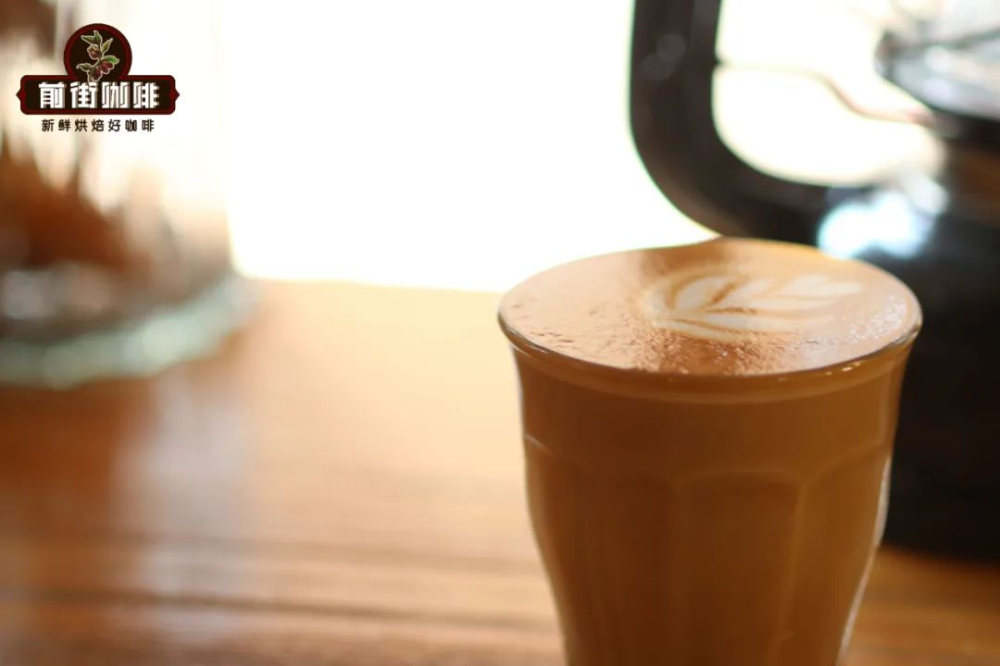
Melbourne baristas, meanwhile, swapped the base for a double ristretto and folded in foam of latte-like thickness, still in a 150ml cup. A ristretto extracts less liquid from the same dose of grounds—essentially a concentrated espresso that focuses on the early and middle stages of the shot, giving richer flavor and demanding higher-quality beans.
FrontStreet Coffee's espresso program uses its house-roasted "Sunflower Warm Sun Blend," which combines 70% Honduras Sherry coffee with 30% Yirgacheffe Natural Red Cherry coffee. The sherry's whiskey, vanilla, and cream notes pair with the red cherry's tropical fruit and fermented tones for a cup that is rich yet smooth. For its Flat White, FrontStreet keeps the defining features: small cup, thin foam, double ristretto base.
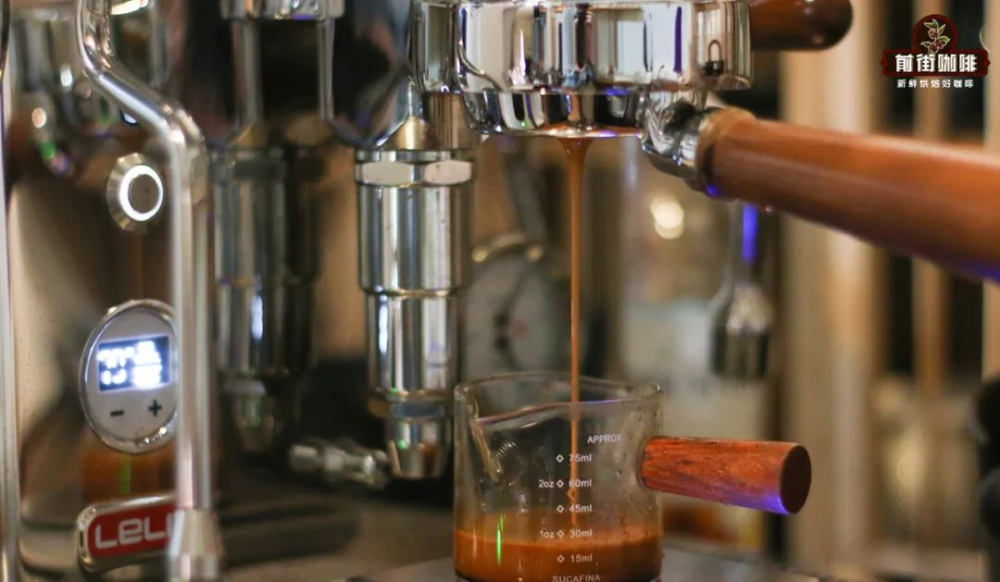
Because most of the store's espresso drinks build on a standard Espresso, FrontStreet's baristas dial in a reference shot before opening each day, and every bean's extraction recipe varies slightly. The recipe below is the daily pre-opening calibration for the Warm Sun Blend: 20g of grounds extracted to 40g of liquid in 28-30 seconds. For the ristretto, grind and dose unchanged, 20g of grounds yields 27g of liquid in 20-25 seconds—intensifying the berry acidity, wine aroma, and caramel flavors.
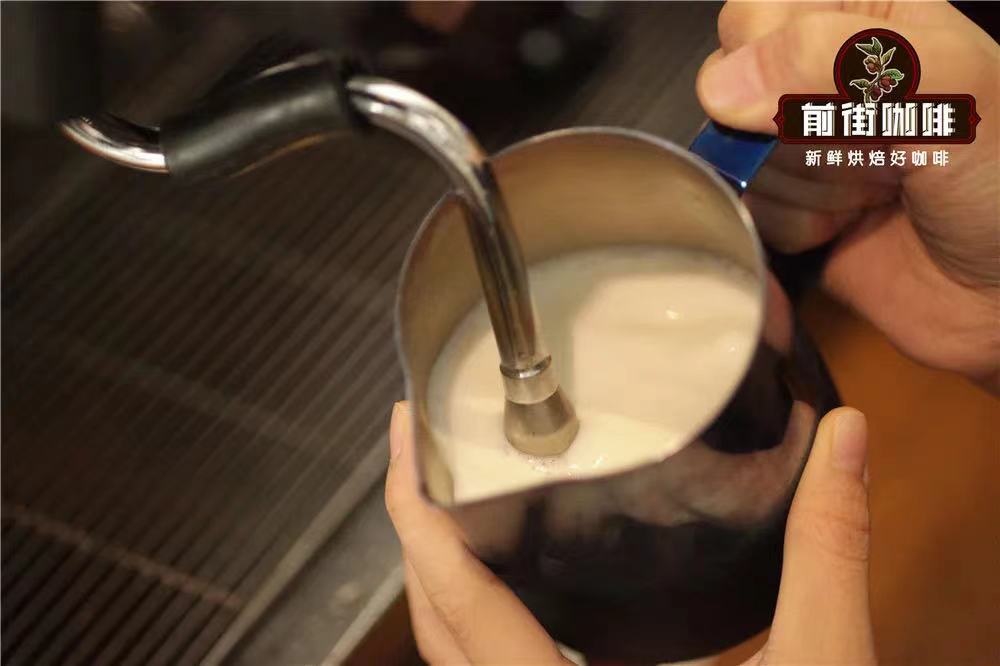
The extracted coffee goes into a prepared cup of about 200ml, and 150ml of milk is steamed in the pitcher. The Flat White takes less air than a latte, building thinner, denser foam, and the milk should be held between 55-60 degrees Celsius for the best drinkability. Finally the steamed milk is blended evenly into the coffee—latte art optional.
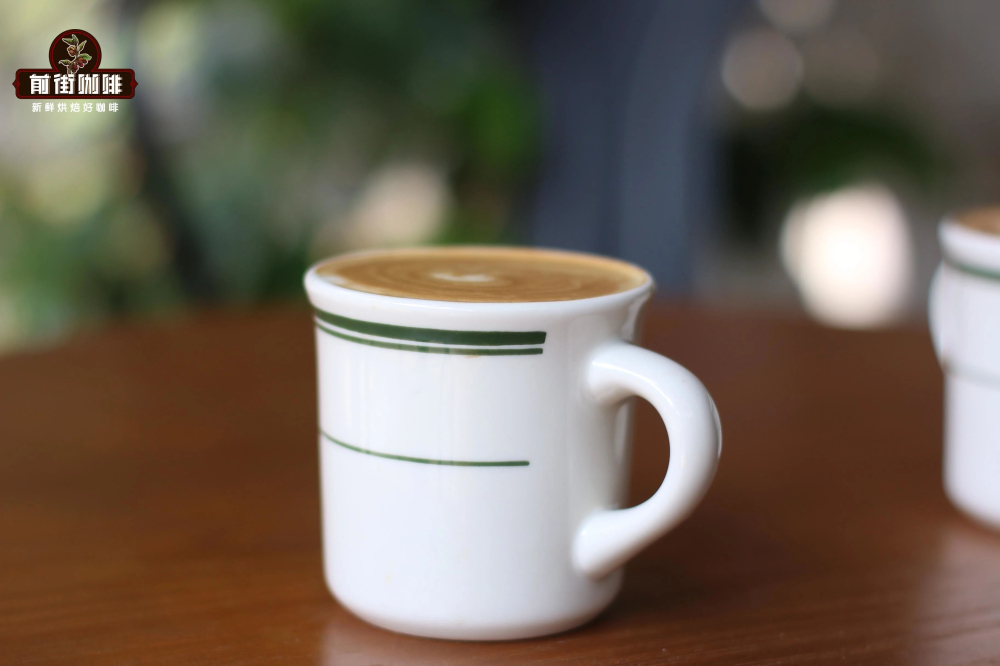
FrontStreet's Flat White offers aromas of vanilla, cream, chocolate milk, and whiskey-filled chocolates along with sweet-tart berry notes. The entry is smooth, fragrant, and rich, with a very persistent aftertaste.
FrontStreet Coffee Recommendation
If you're learning latte art at home, start with FrontStreet's Classic Blend, a medium-dark espresso formula built from three origins and inspired by the old-school "Mandelbling-Brazil" pairing, with a touch of Robusta added for aroma and crema. It pours with clear notes of butter, toasted bread, and caramel cookie, a strong, solid body, fine crema, and very stable extraction—an essential home bean for beginners.
Those who prefer a nut-forward cup should reach for the Specialty Blend, a medium-dark pairing of washed Colombian and pulped-natural Brazilian beans. As espresso it shows nuts, dark chocolate, and caramel; in Americanos, lattes, or Flat Whites it brings smooth cream, almond, and cocoa aromas, with crema that matches any café's output—more than enough for practicing your pours, whether you dream of opening a shop or just mastering home machines.
And for would-be shop owners, FrontStreet Coffee's Commercial Blend—built on the Specialty Blend with a little Robusta for deeper, darker brown crema and heavier body—keeps nuts, cocoa, and caramel in every Americano, latte, or mocha while making latte art effortless.
Important Notice :
FrontStreet Coffee is a long-established specialty coffee roaster in Guangzhou China, selling freshly roasted beans from its own farm in Yunnan as well as dozens of carefully selected single-origin beans from around the world for both pour-over and espresso. The products deliver consistently excellent quality and great value, with shipping within 24 hours. Guangzhou's FrontStreet Coffee shop is recommended by many coffee lovers, and the beans are now available online at the Tmall 。
FrontStreet Coffee has moved to a new address:
FrontStreet Coffee Address: 315,Donghua East Road,GuangZhou
Tel:020 38364473
 Scan and follow the En Gafei WeChat official account. Please indicate that the reprint comes from "En Gafei".