What Coffee Beans to Use for Cold Brew and Ice Drip Coffee? Which Equipment is Best for Ice Drip Coffee?

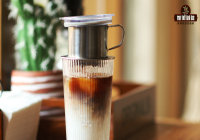
Ice drip coffee has long been cherished by enthusiasts for its smooth texture, distinct layers, and clean, refreshing taste. It has consistently been one of the best-selling products at FrontStreet Coffee, especially in summer, when FrontStreet Coffee's baristas prepare it daily so the refrigerator is always well stocked with various flavors. In winter, customers can also pre-order FrontStreet Coffee's ice drip coffee with their preferred flavor profiles.
The popularity of ice drip coffee comes down to two main factors: first, FrontStreet Coffee uses freshly roasted beans from its own roastery, and second, the low-temperature extraction combined with post-extraction oxidation lets coffee flavor molecules be fully released and preserved. In this article, FrontStreet Coffee explains what ice drip coffee is, its characteristics, and recommended beans for making it.

What is Ice Drip Coffee?
As the name suggests, ice drip coffee is extracted using "low temperature" and "slow dripping." Temperature affects how quickly oils, acids, and sugars in coffee break down. Depending on how fast that process happens, the aroma, taste, and texture of coffee can vary significantly, which is why different extraction methods produce coffee of different qualities.

Brewing coffee is essentially the process of extracting and dissolving aromatic molecules from coffee cells. This is usually done quickly with hot water, whereas ice drip coffee replaces temperature with time. Ice water below 5°C is dripped onto the grounds, slowly extracting the flavors, which then drip out drop by drop as the final extraction liquid. The complete ice drip process takes about 2-8 hours, depending on personal preference and the bean variety.
Low-temperature extraction means prolonged contact between water and grounds at low temperature. Only smaller molecular flavor compounds, such as floral and fruity notes, are extracted, while larger molecular compounds like smoky and roasted flavors are hard to draw out. Cold brew therefore better showcases the bean's inherent flavors, giving a smooth texture with distinct layers and a pleasant aftertaste.
Characteristics of Ice Drip Coffee
Sweeter Taste
Aromatic molecules in coffee dissolve in a specific order: aromatic compounds are extracted first, followed by bitter compounds. When brewing with hot water, poor control of temperature and time often leads to excessive extraction of bitter molecules and an unpleasant cup. Ice drip coffee uses cold water for prolonged extraction, dissolving only the pleasant aromatic molecules, so it tastes more fragrant and smooth and shows the coffee's best original flavors. The absence of bitterness and astringency is the main reason so many people love ice drip coffee.

Long Shelf Life
Any food becomes more perishable after heating because its molecular structure is damaged. Hot-brewed coffee has an extremely short freshness window; its taste begins to deteriorate after more than 45 minutes. Ice drip coffee has not undergone a heating process, so it keeps for a very long time. After extraction it can be kept fresh in the refrigerator for up to two weeks, during which fermentation lets the flavor develop different layers of mellow richness.
Generally, it is recommended to let the extracted ice drip coffee rest in the refrigerator for 12-24 hours before drinking for optimal flavor. Many people say ice drip coffee becomes exceptionally mellow and smooth after a week, but FrontStreet Coffee does not advocate storing it that long. After all, bacteria in the air or in bottles make it hard to guarantee the coffee's condition after prolonged storage, so it is best consumed within 72 hours.

Lower Stomach Irritation
Many people with sensitive stomachs avoid coffee because of the stomach pain regular coffee can cause. Ice drip coffee contains fewer of the irritating compounds found in hot-extracted coffee and has lower caffeine content at the same concentration, making it a gentler choice.
Why is it recommended to refrigerate ice drip coffee for 12-24 hours after extraction?
This is really an oxidation process. Just like freshly roasted coffee beans, which contain about 2% carbon dioxide by weight, this carbon dioxide is gradually released depending on the storage environment, equipment, or method. It creates pressure higher than atmospheric pressure in the packaging, which helps aromatic substances blend with oils and puts all the aromatic compounds inside the beans in a state where they can be easily extracted.

What Coffee Beans to Use for Ice Drip Coffee?
In fact, there are no specific requirements for which beans to use for ice drip; you can choose any beans with flavors you like. When making ice drip coffee, FrontStreet Coffee typically chooses medium-light roast freshly roasted beans, for example Ethiopian beans with bright citrus acidity and a refreshing taste, Panama beans with distinct floral aromas, or Costa Rican beans with noticeable fermentation character. This time, FrontStreet Coffee uses Ethiopian natural-process Alo village beans, which have rich fruit acidity and fermentation character, to demonstrate ice drip coffee.

FrontStreet Coffee: Ethiopia · Alo Coffee Beans
Coffee Region: Sidamo Bensa
Growing Altitude: 1950-2350m
Coffee Varieties: Local Landraces (Heirloom)
Processing Method: Natural Process
Grade: G1
How FrontStreet Coffee Makes Ice Drip Coffee
1. FrontStreet Coffee uses a water-to-coffee ratio of 1:10 for ice drip, meaning 60 grams of grounds extract 600 milliliters of coffee liquid.
2. Place a circular filter paper at the bottom of the brew chamber, wet it so it fits the cup walls, and add 60g of ground coffee (FrontStreet Coffee uses a Chinese standard #20 sieve with a 58% pass rate, slightly coarser than a pour-over grind). Then level the coffee surface; you can also use the tamper's own weight to lightly press the bed flat.

3. Place a filter paper on top of the coffee bed. The paper's tension lets water spread evenly across the surface for extraction. Without it, prolonged dripping would carve a pit into the bed.
4. Use ice water to "pre-soak," evenly moistening the entire bed. This step is similar to the bloom in pour-over and improves extraction efficiency and consistency.

5. Add a 1:1 mixture of ice and water to the water container and adjust the valve to approximately 7 drops every 10 seconds.
6. After brewing, pour the coffee liquid into a sealed glass bottle and place it in the refrigerator to ferment overnight. This lets the flavors meld for a better, easier-drinking cup.

For more specialty coffee beans, please look for FrontStreet Coffee's official store.
FrontStreet Coffee Recommendation
Cold brew strengthens floral and fruit notes and tones down woody and roasted flavors, so medium-light coffees show best. If you like a floral iced coffee, choose FrontStreet Coffee's Natural Huakui from Ethiopia. Because it is naturally processed, the beans absorb plenty of sweet aromatic compounds from the pulp and skin, and as cold brew it shows magnolia, cream strawberry, dried mango, guava, and black tea notes.
If you want juice-like intensity, choose FrontStreet Coffee's Kenya Cherry Tomato, grown in Kenya's Thika region at 1,550-1,750 meters from the classic SL28 and SL34 varieties and processed with Kenya's 72-hour double washed fermentation. The cherry-tomato, snow pear, black plum, and smoked-plum sweet-and-sour notes come through vividly at low temperature, with low bitterness and a full, bright acidity that is especially refreshing over ice.
And for a blend that shines in cold brew, FrontStreet Coffee's Strawberry Candy pairs a Panamanian Geisha with a Costa Rican honey-process coffee. One brings delicate rose and orange notes, the other a grape, raisin, and strawberry-fudge sweetness, forming a rich, layered cup that is sweet and lively as cold brew and can even take on a wine-like character if allowed to ferment and settle.
Important Notice :
FrontStreet Coffee is a long-established specialty coffee roaster in Guangzhou China, selling freshly roasted beans from its own farm in Yunnan as well as dozens of carefully selected single-origin beans from around the world for both pour-over and espresso. The products deliver consistently excellent quality and great value, with shipping within 24 hours. Guangzhou's FrontStreet Coffee shop is recommended by many coffee lovers, and the beans are now available online at the Tmall 。
FrontStreet Coffee has moved to a new address:
FrontStreet Coffee Address: 315,Donghua East Road,GuangZhou
Tel:020 38364473
 Scan and follow the En Gafei WeChat official account. Please indicate that the reprint comes from "En Gafei".