What's the Difference Between Drip Bag Coffee and Instant Coffee? The Correct Brewing Method for Premium Black Coffee Bean Drip Bags
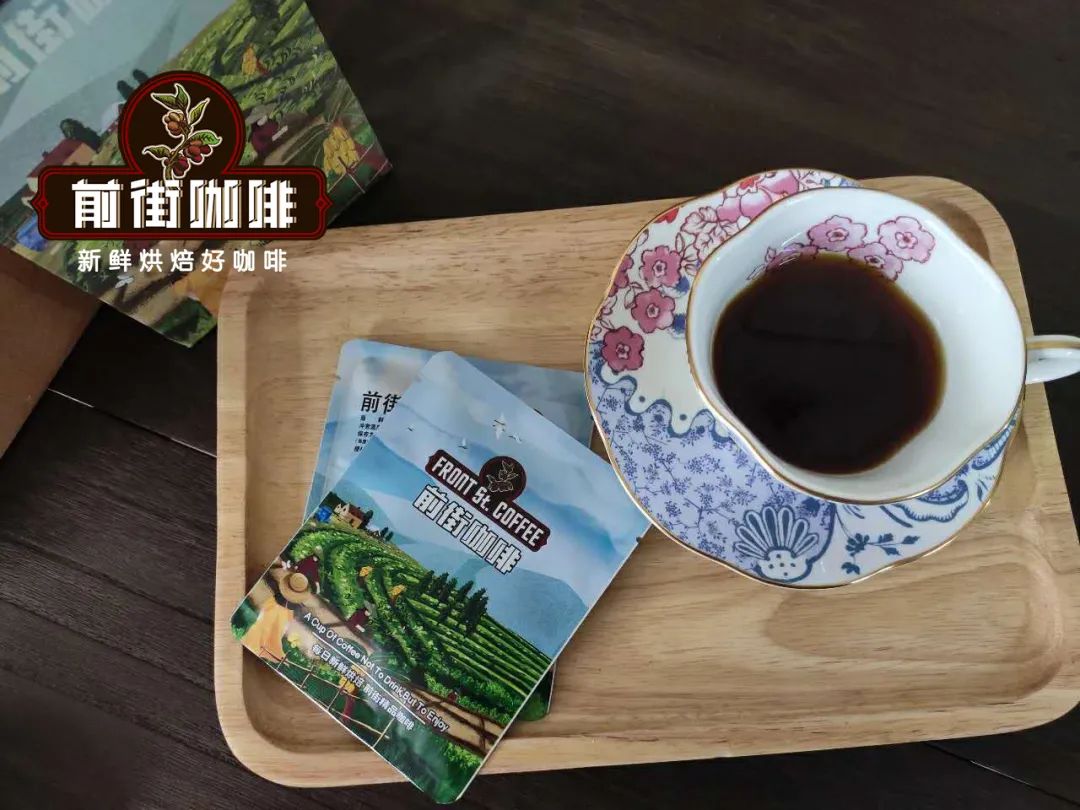
As the specialty coffee market has grown, plenty of enthusiasts have started learning to brew pour-over at home, while those who work in offices often reach for the convenience of drip bag coffee. Yet FrontStreet Coffee has noticed that many newcomers treat drip bag coffee exactly like instant coffee—and end up with a terrible cup and a wasted bag. Here, FrontStreet Coffee explains how the two are different.
What Is Drip Bag Coffee?
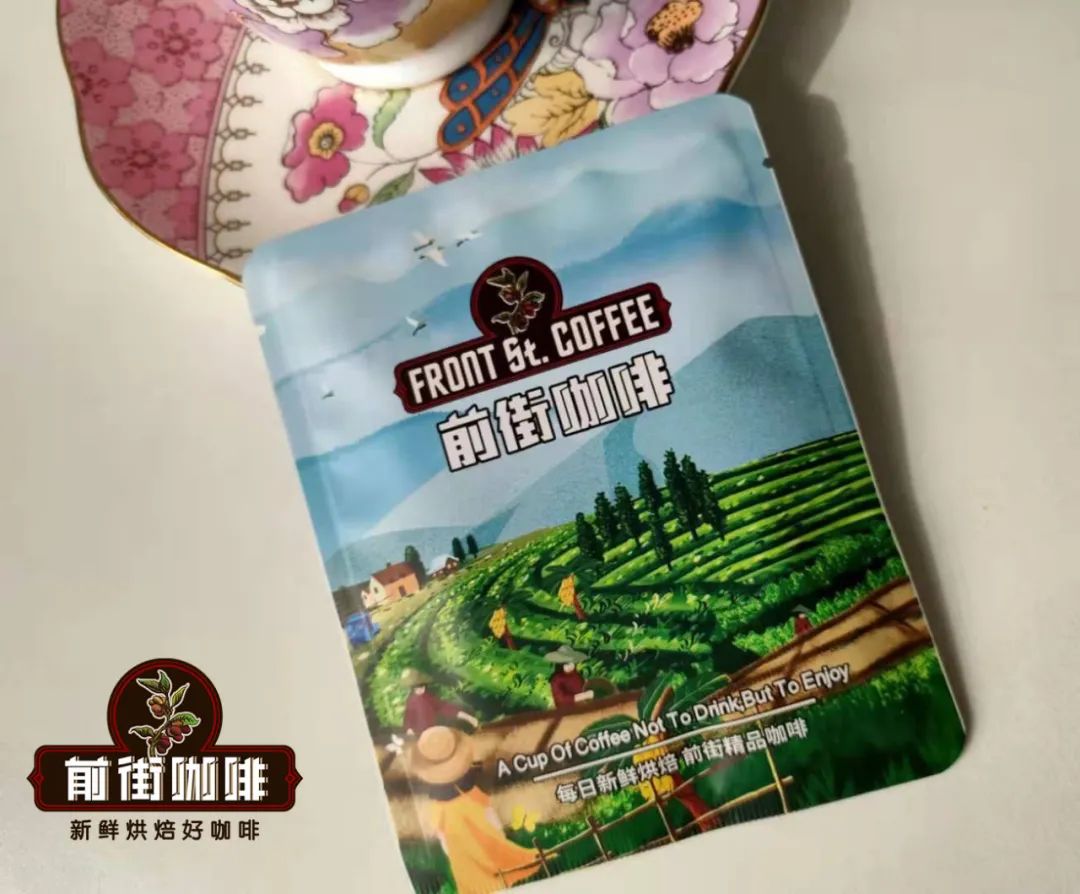
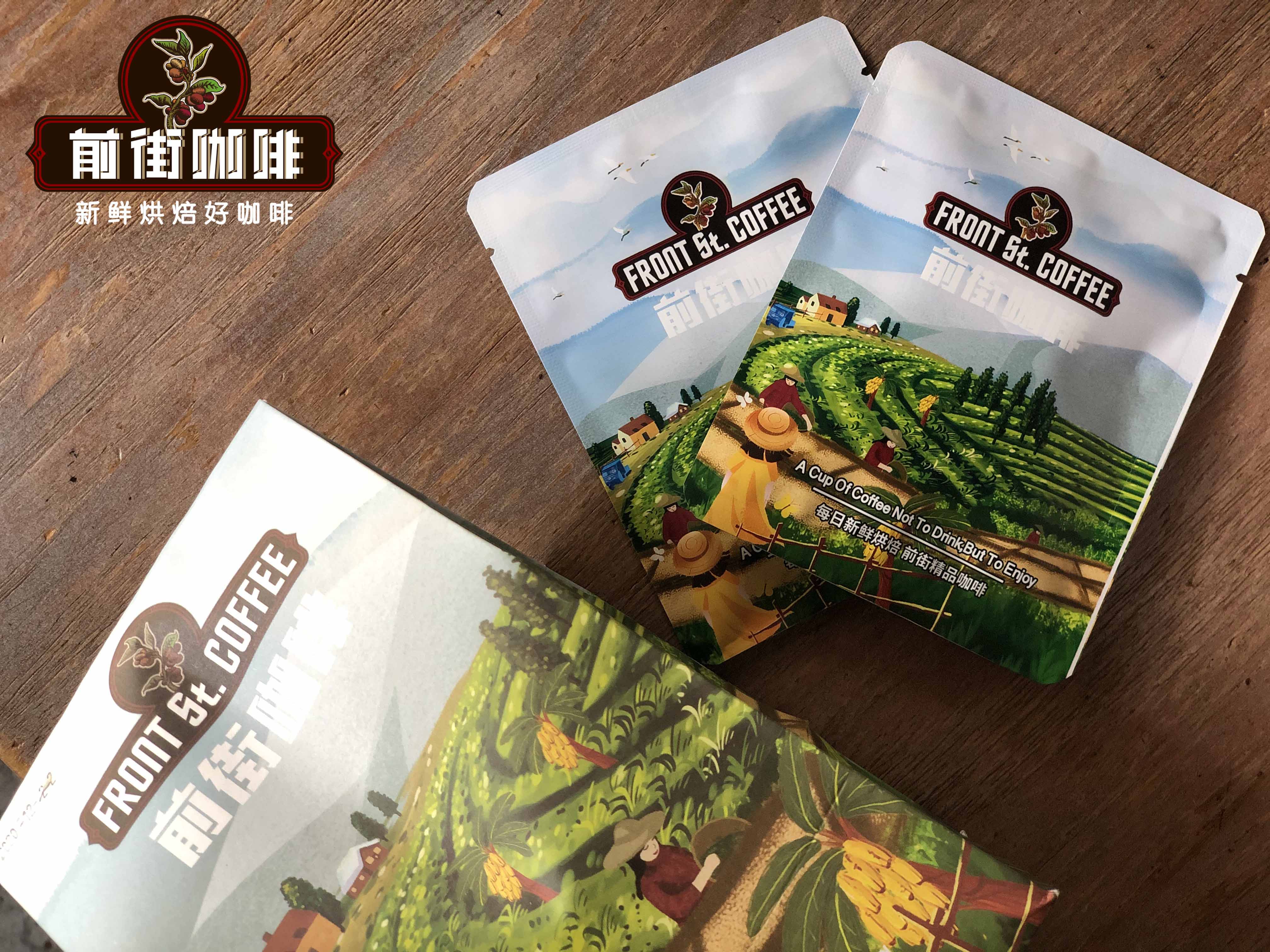
Drip bag coffee is single-origin coffee ground and sealed inside a filter bag. To brew, you prop up the small paper tabs on either side of the bag and hang it on the rim of your cup, which is where the name "drip bag" comes from.
As FrontStreet Coffee understands it, it was Yamanaka Industrial Co., Ltd. of Japan that first applied the tea bag idea to coffee, inventing and patenting the hanging filter. The early design, however, could not support the weight of the brewing coffee and tipped out of balance easily, so it never reached the market. It was not until 1998 that Taiki Shoji improved the invention by extending the hanging tabs outward, creating the drip bag coffee we know today.
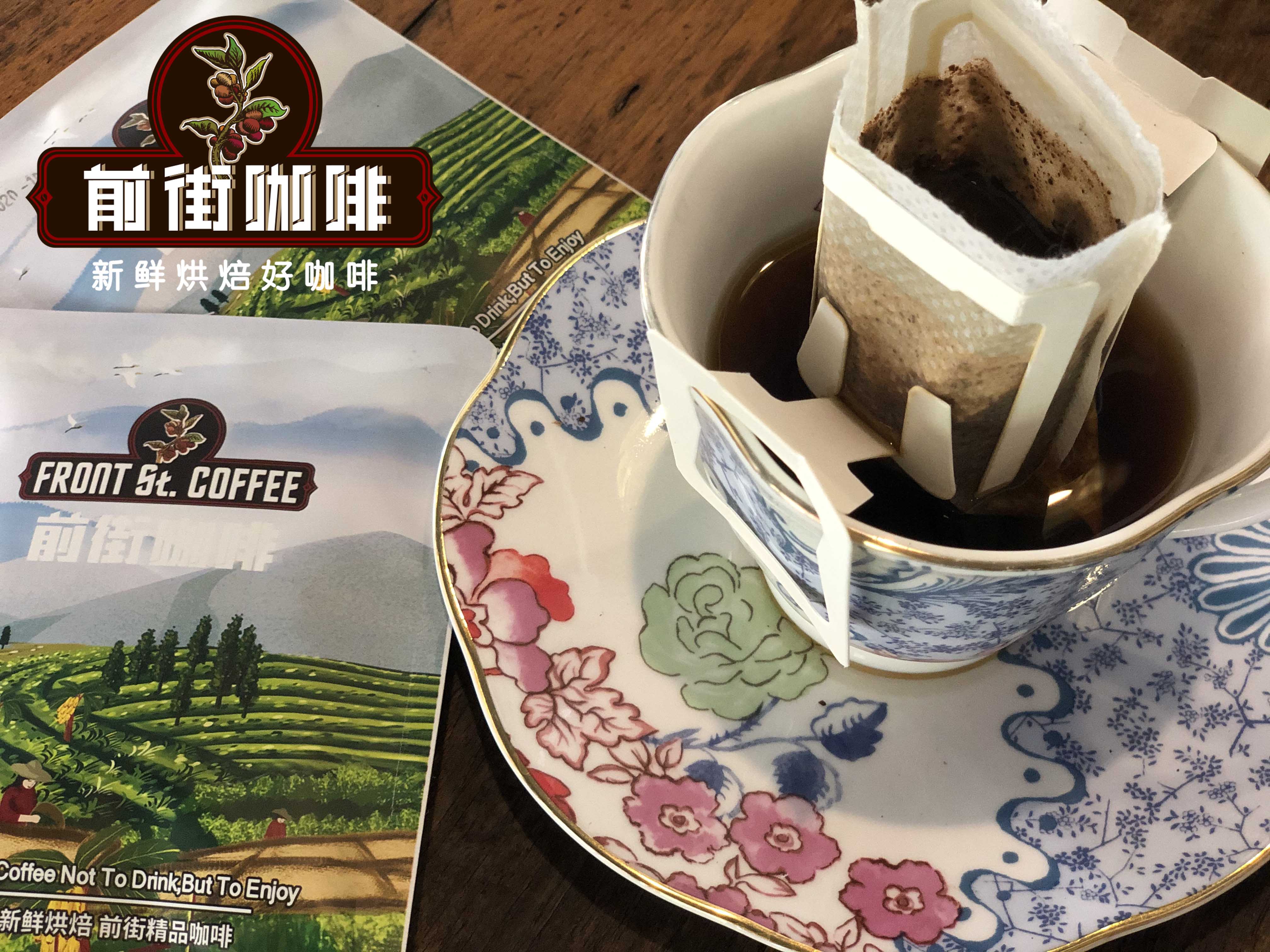
Drip bag coffee can also be thought of as a form of pour-over, because it brews in much the same way. The filter bag does the job of the filter paper, and the coffee already inside removes the grinding step; you don't even need a gooseneck kettle, which saves considerable time and effort. That convenience is why more and more enthusiasts who come to FrontStreet Coffee for single-origin coffee also ask about drip bags—clear evidence of the growing demand.
What Is Instant Coffee?
Instant coffee is a dry coffee extract made by evaporating the water from brewed coffee extract. It dissolves quickly in hot water and takes up little space and volume in storage and transport, which makes it easy to keep for long periods.
Instant coffee also tends to use Robusta beans. Anyone who knows coffee will tell you that single-origin beans generally means Arabica, and Robusta cannot meet single-origin standards. That is why Robusta is reserved for instant coffee or espresso blends.
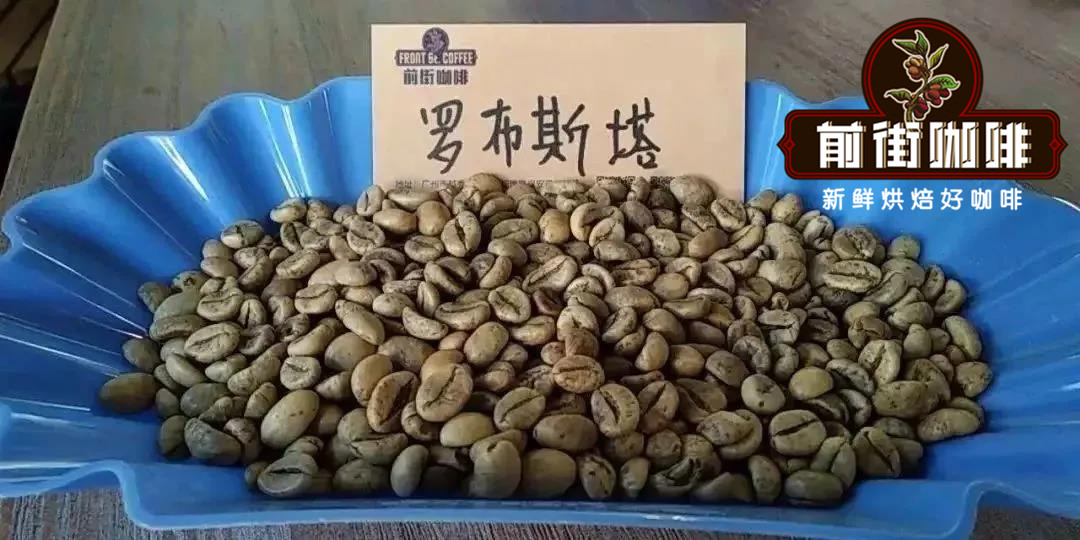
The reason comes down to caffeine: Robusta contains 2.7% to 4%, more than double Arabica. Robusta also holds more amino acids and chlorogenic acid than Arabica, and chlorogenic acid is a source of bitterness. Instant coffee therefore tastes relatively bitter with limited flavour, may lose much of coffee's essence during production, and can pose certain health concerns when consumed regularly.
Differences Between Drip Bag Coffee and Instant Coffee
From the above, several differences stand out:
1. Drip bag coffee uses Arabica beans, while instant coffee uses Robusta.
2. Instant coffee's flavour and mouthfeel fall short of drip bag coffee.
3. Drip bag coffee brews much like pour-over, while instant coffee simply dissolves in water.
4. Long-term consumption of instant coffee may harm health, whereas drip bag coffee is relatively more nutritious and refreshing.
Precautions for Brewing Drip Bag Coffee
Given those differences, drip bag coffee cannot simply be treated like instant coffee—added to water—nor steeped like a tea bag. Below are several mistakes first-time users make.
1. Watch the Brewing Water Volume
Some first-timers drop the bag straight into a cup and pour in hot water. That is not impossible, but the flavour is diluted and the cup turns weak. Unless you genuinely like a thin American-style coffee, FrontStreet Coffee suggests using only 150-180cc of water for a 10g drip bag. Exceed that and you not only dilute the coffee but also begin extracting unwanted flavours. If you prefer a lighter cup, FrontStreet Coffee suggests brewing to 150cc first, then removing the bag and topping up with hot water.
2. Never Let a Drip Bag Soak Continuously
Although drip bags were inspired by tea bags, they do not work the same way. Longer steeping does concentrate flavour like tea, but continuous soaking keeps releasing caffeine, causing over-extraction and drawing out bitterness and off-flavours. FrontStreet Coffee suggests discarding a drip bag after 4 minutes of brewing—or repurposing it as plant fertiliser.
3. Watch the Brewing Temperature
Drip bag coffee is essentially ground single-origin coffee, so its temperature needs match pour-over. You cannot brew too cool, or you will under-extract. Control the water temperature: FrontStreet Coffee suggests freshly boiled water left to cool for 1-2 minutes.
4. Do Not Re-brew a Drip Bag
As noted above, a drip bag cannot soak for long, which means it cannot be re-brewed either. Otherwise you get a poor-tasting—and potentially unwholesome—cup.
Those are the precautions. Next, FrontStreet Coffee walks through the correct brewing method.
Correct Drip Bag Coffee Brewing Method
1. Warm the Cup
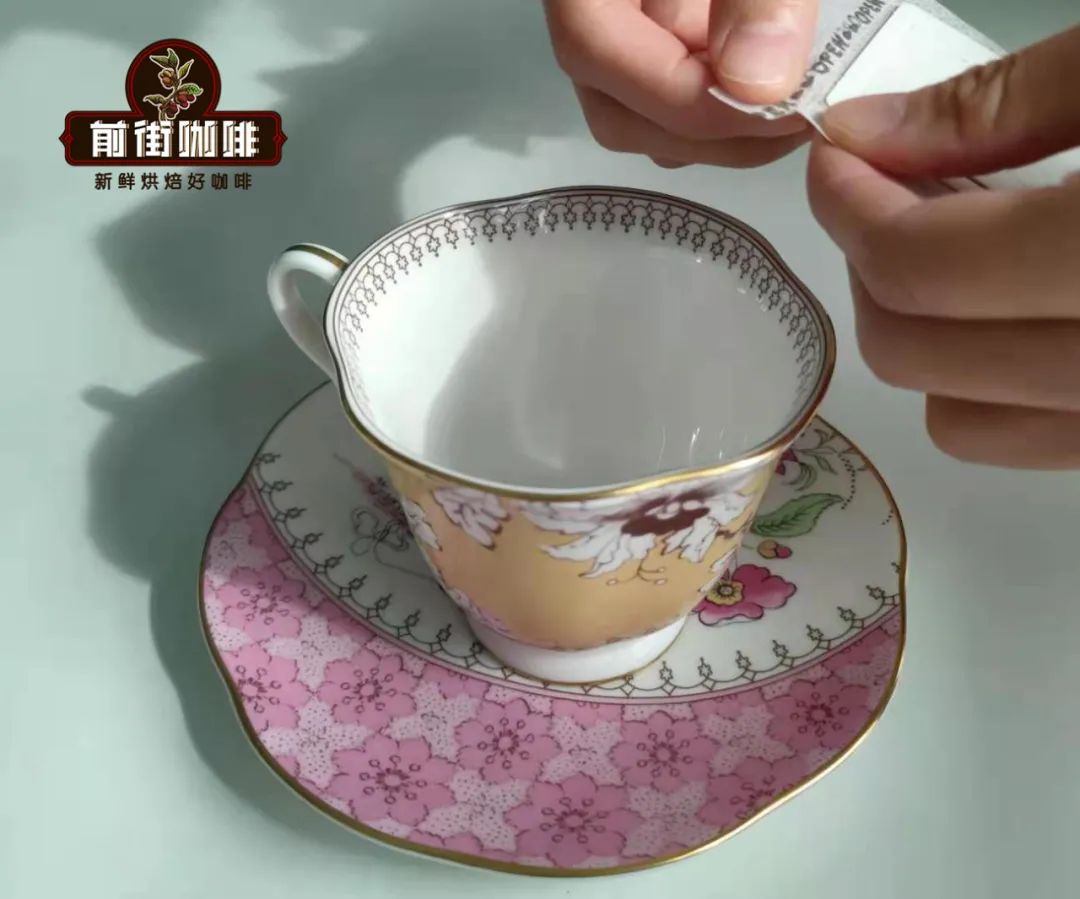
Prepare your cup and pour in some hot water to warm it. This keeps the brewed coffee from cooling too fast. Coffee reveals different flavours as temperature falls, creating layers of taste, and if it cools too quickly you miss many of those experiences.
2. Water Temperature
Brewing temperature matters. The recommended range is 85-90 degrees Celsius. If the cup tastes too bitter, try lowering the temperature; if it is too weak or astringent, raise it slightly—but stay within 85-90 degrees.
3. Hang the Bag
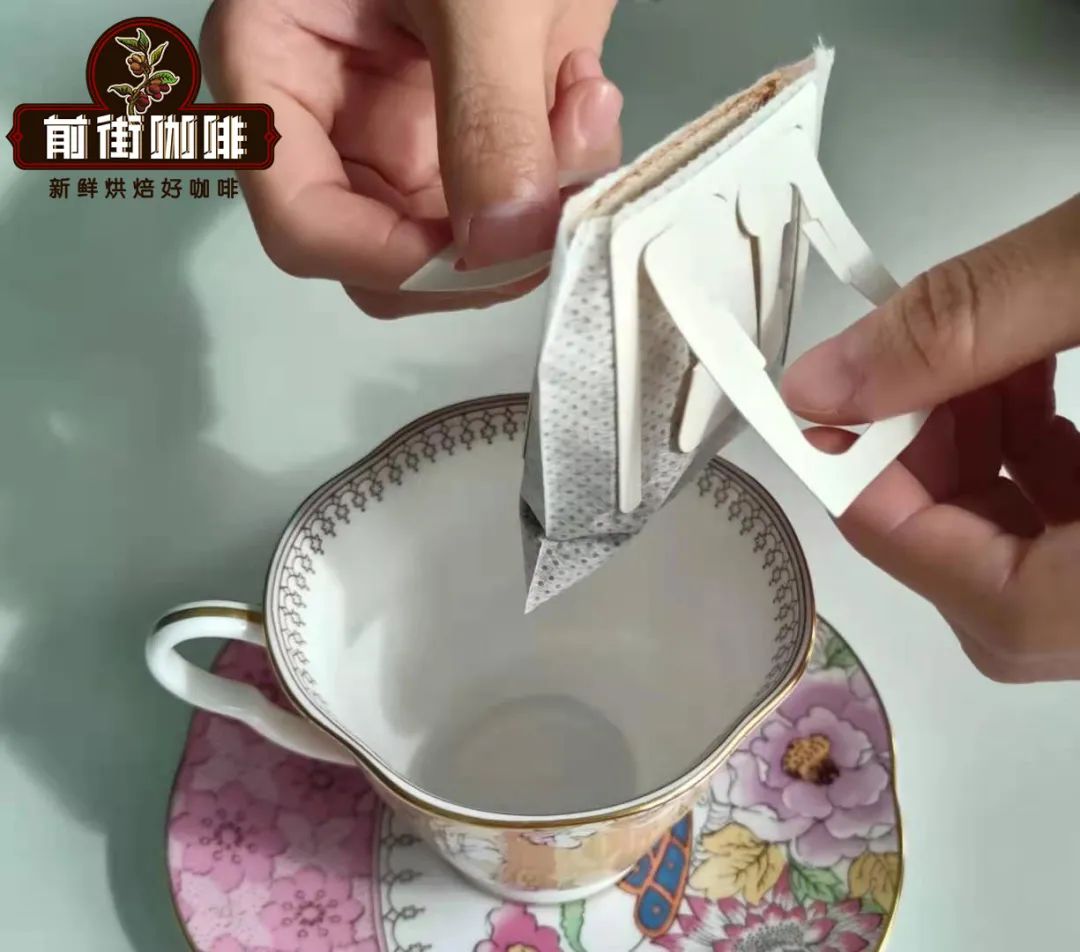
Shake the bag gently first so the grounds settle and won't scatter when you open it. Pour the warm-up water out of the cup. Tear the seal, open the paper tabs on both sides, shake to level the grounds, and hang it on the rim.
4. Pre-wet the Drip Bag
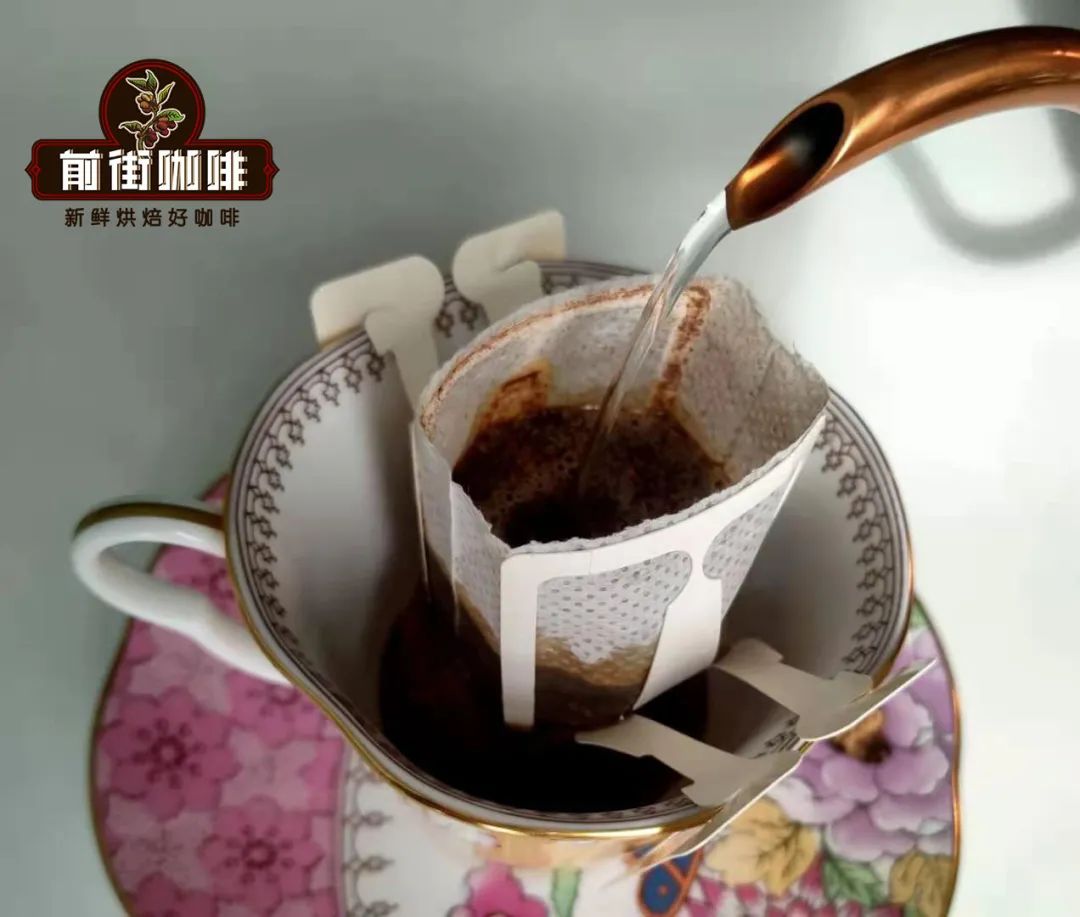
The first pour should just wet the grounds—too much or too little affects the flavour. Wait 20 seconds for the grounds to absorb the water fully. Strength can be tuned by pre-wetting time: extend to 40 seconds for a stronger cup.
5. Water Addition
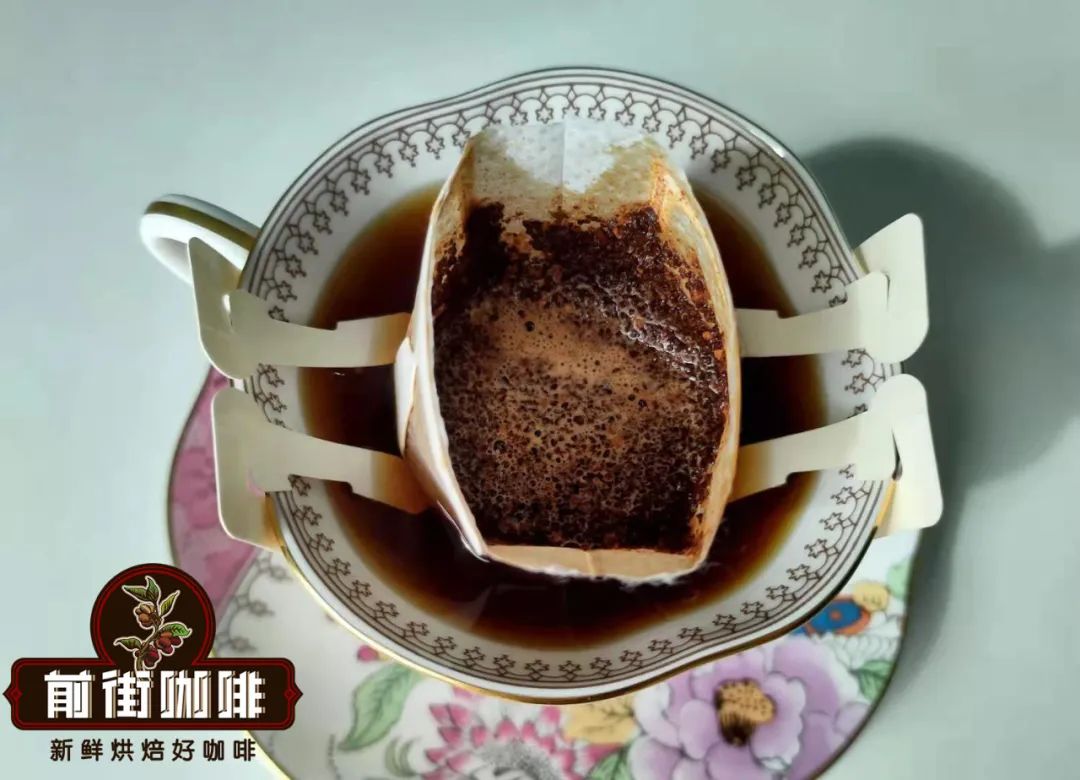
The second pour can fill the bag to eight-tenths full. Use a thin, steady stream. When the water level drops back to the pre-wet height, add more to eight-tenths full, continuing until you have extracted 150-180cc. Once extraction is done, you need not wait for all the water to drain—simply discard the bag.
FrontStreet Coffee's Drip Bag Recommendations
As FrontStreet Coffee noted, drip bag coffee is pre-ground single-origin coffee sealed in filter bags, which removes the need for a grinder, filter paper, and dripper. So how do you choose? Because drip bag coffee is essentially single-origin coffee, the simplest approach is to choose the beans you already enjoy. Indonesia Mandheling and Honduras Sherry from FrontStreet Coffee, for example, can both be prepared as drip bags.
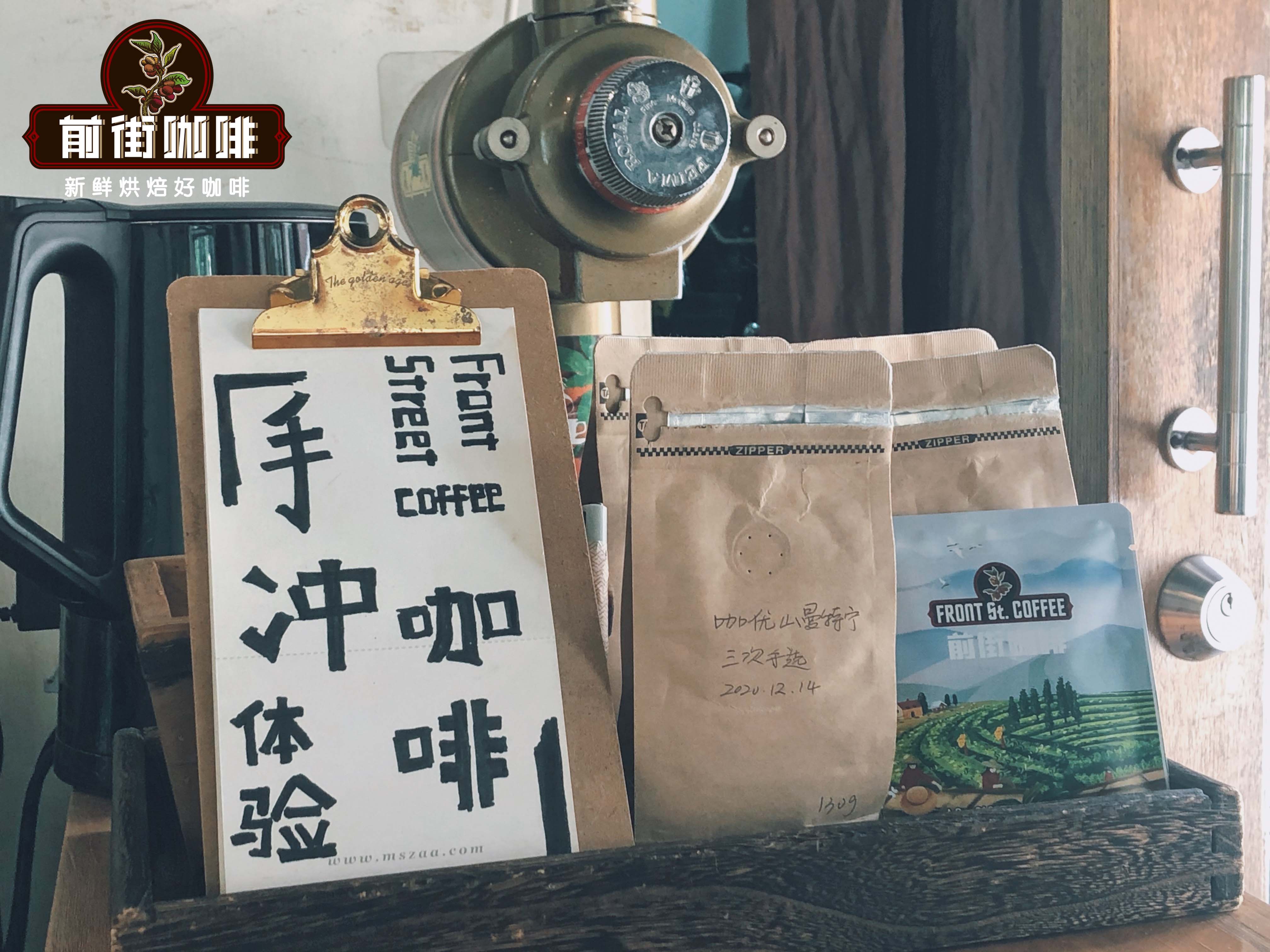
If you are unsure which drip bag flavours to try, don't worry. Below are several of FrontStreet Coffee's most popular drip bag coffees.
The selection spans Asia, Africa, and Latin America—the world's three major coffee-producing regions.
1. FrontStreet Coffee Ethiopia Natural Red Cherry Coffee Beans
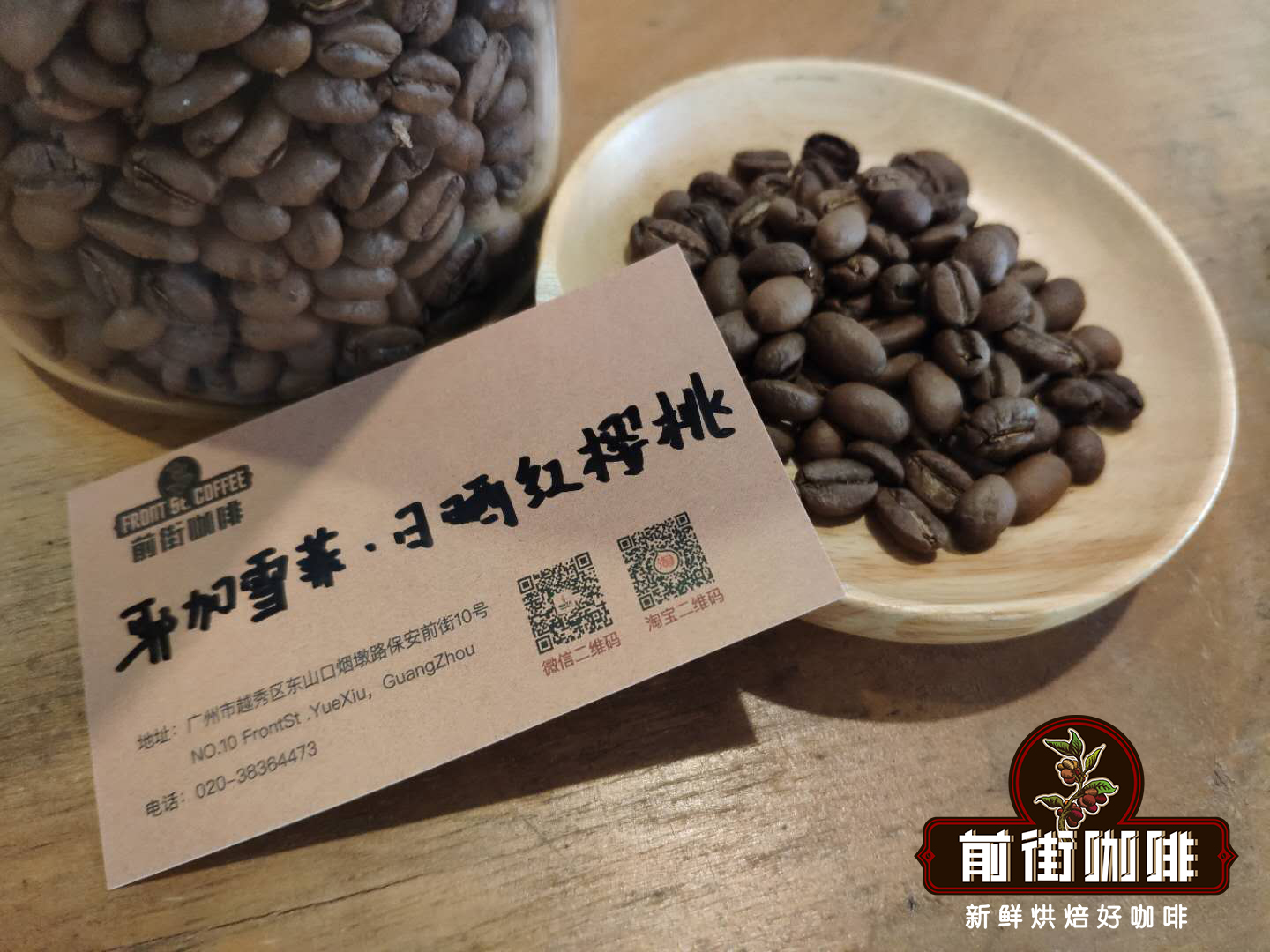
Region: Yirgacheffe
Altitude: 2000-2200m
Variety: Heirloom
Processing: Natural
Flavor: Tropical fruits, strawberry, berries, cream
FrontStreet Coffee's Red Cherry comes from Ethiopia's famous Yirgacheffe region. The name comes from a local quality-improvement programme called the "Red Cherry Project," launched by a Dutch green coffee company.
That company, Trabocca, created the project because Ethiopian coffee quality was inconsistent at the time, leaving little room to raise prices and leaving farmers with very low incomes. To help in a meaningful way, it worked with local farmers to fix quality at the source—buying only fully ripe cherries by hand and paying more for them, which raised farmers' quality standards and encouraged better cultivation.
2. FrontStreet Coffee Honduras Sherry Coffee Beans
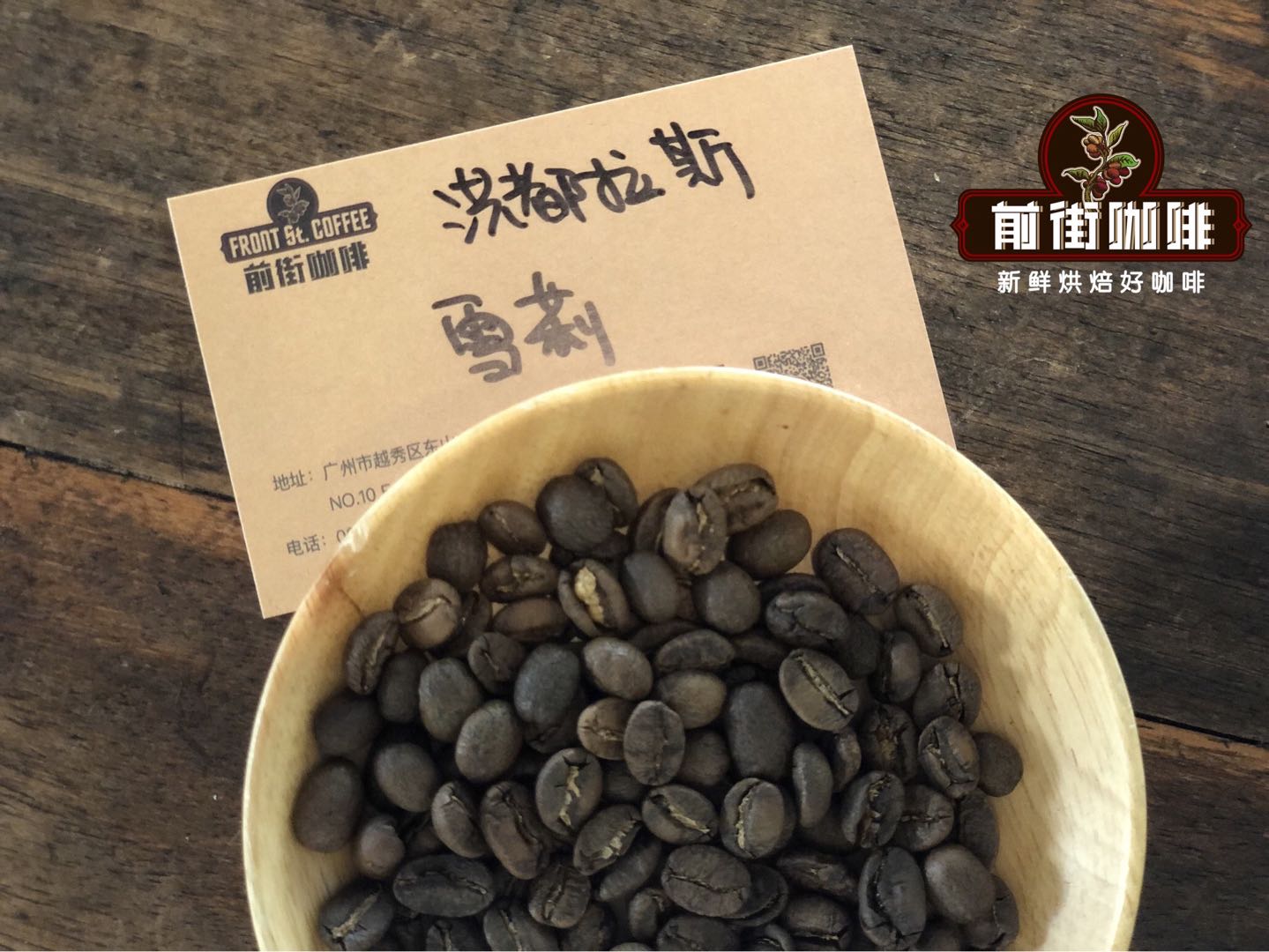
Region: Marcala
Estate: Moca Estate
Altitude: 500-1700 meters
Varieties: Caturra, Catuai, Pacas
Processing: Fine washed + Whiskey sherry barrel fermentation
Flavor: Vanilla cream, fermented wine aroma, nuts, dark chocolate, maple sweetness
This Honduras Sherry is a favourite because it carries a whiskey-like wine aroma while tasting of vanilla cream—quite charming. Enthusiasts asked FrontStreet Coffee so persistently for a drip bag version that it became one. It is also one of the blend components FrontStreet Coffee uses for espresso, which speaks to its popularity.
3. FrontStreet Coffee Indonesia Golden Mandheling Coffee Beans
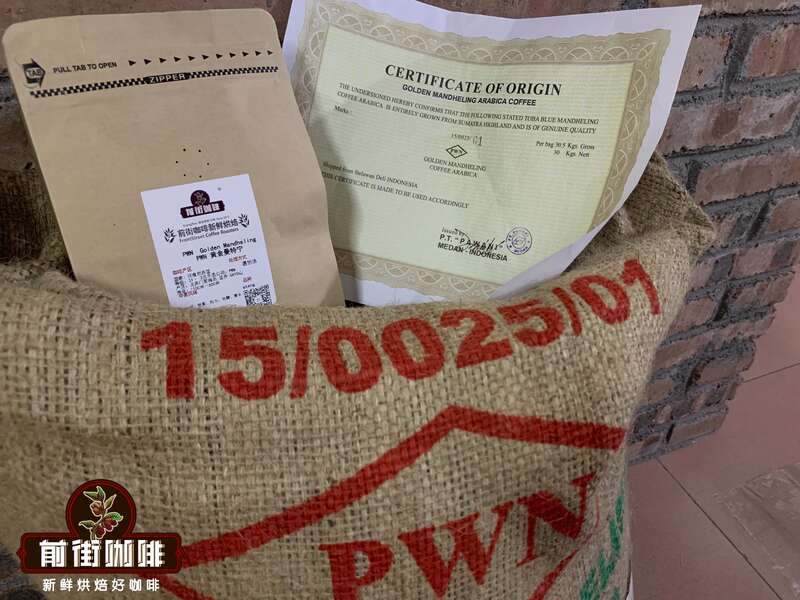
Region: North Sumatra, Aceh Gayo Mountain
Company: PWN
Altitude: 1100-1600 meters
Variety: Ateng
Processing: Wet-hulled
Flavor: Herbal, caramel, dark chocolate, rich and clean, well-balanced, persistent aftertaste
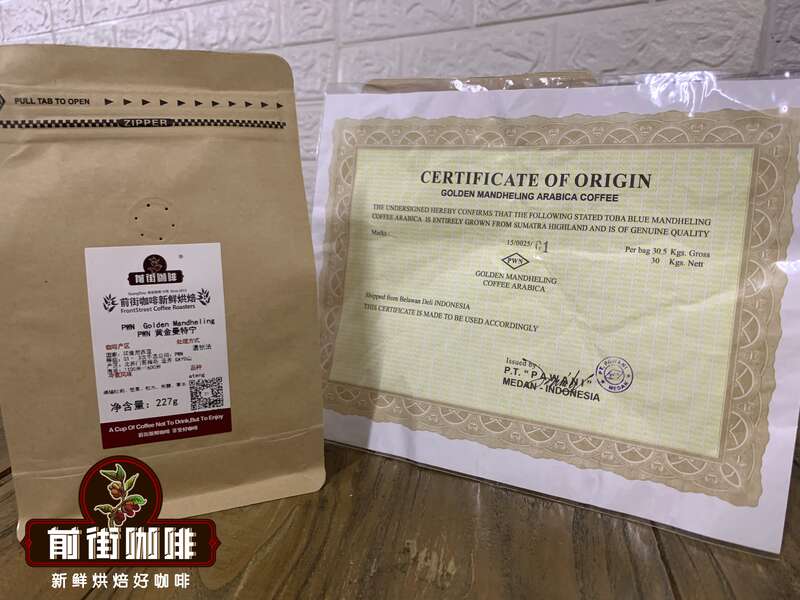
FrontStreet Coffee's Indonesia Golden Mandheling meets the standard of 18 mesh or above, with fewer than 3 defective beans (300g green bean sample), placing it in the highest G1 grade. The beans are deep green with a uniform flat shape. Qualified Golden Mandheling also undergoes three manual selections and one machine selection. FrontStreet Coffee found that Mandheling processed this way loses the earthy impurities typical of ordinary Mandheling and tastes cleaner and brighter.
4. FrontStreet Coffee Brazil Red Bourbon Coffee Beans
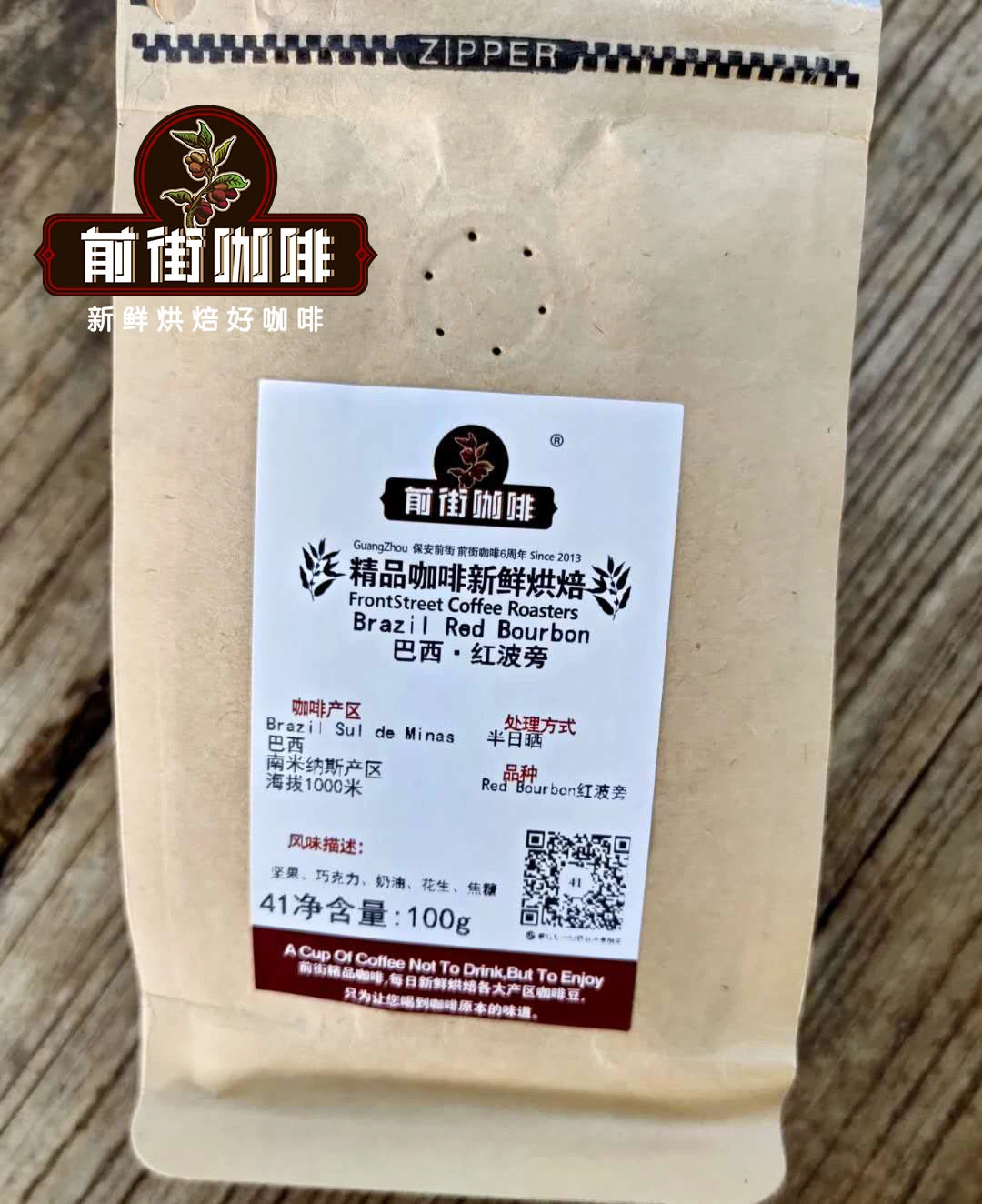
Region: South Minas
Altitude: 1000 meters
Variety: Red Bourbon
Processing: Pulped natural
Flavor: Nuts, chocolate, cream, peanut, caramel
Brazil is the world's number one coffee producer, and its coffee is indispensable to classic coffee flavour. The Bourbon variety was also discovered in Brazil, so Brazil Red Bourbon is bound to taste excellent. As FrontStreet Coffee understands it, Bourbon grown at high altitude generally has a better aroma and bright acidity, drinking something like red wine.
The above is FrontStreet Coffee's summary of the differences between drip bag coffee and instant coffee. We hope it helps enthusiasts enjoy their favourite specialty beans that much more.
FrontStreet Coffee Recommendation
Once you understand that a drip bag is really just pour-over in miniature, the dripper behind it starts to matter. FrontStreet Coffee's own favourite is the Hario V60, designed by a Tokyo glassmaker founded in 1921. Redesigned in 2004 and named for its distinctive 60-degree cone, the V60 forces water toward the centre before it drips through, stretching the contact between water and grounds so aroma and flavour extract fully. Its single large aperture lets liquid flow freely, which means the flow rate—and therefore the flavour—depends on how well the brewer controls the pour.
That fast, clean extraction is exactly why the V60 flatters the floral and fruity beans that define the third wave. FrontStreet Coffee's washed Gedingding Cooperative from Yirgacheffe, with its citrus, berry, and floral notes and green-tea finish, is a natural fit; so is FrontStreet Coffee's natural Huakui, packed with tropical fruit, or the Kenya Cherry Tomato from the Sika region, with its bright cherry-tomato and dark-plum acidity built on SL28 and SL34 and a 72-hour double washed fermentation. If you lean toward richer cups, FrontStreet Coffee's PWN Golden Mandheling and Brazil Queen's Estate both shine through a V60 when you slow the pour. Among the many V60 materials, FrontStreet Coffee favours the resin version: it holds heat well and, in standard industrial production, moulds to the tightest tolerances.
For drip bags, the same principles apply: keep the water at 85-90°C, pour 150-180cc for a 10g bag, and pull the bag before it over-extracts. If you want a touch more control and aroma, brew the same single-origin beans through a V60 at a 1:15 ratio and let the pour decide the cup.
Important Notice :
FrontStreet Coffee is a long-established specialty coffee roaster in Guangzhou China, selling freshly roasted beans from its own farm in Yunnan as well as dozens of carefully selected single-origin beans from around the world for both pour-over and espresso. The products deliver consistently excellent quality and great value, with shipping within 24 hours. Guangzhou's FrontStreet Coffee shop is recommended by many coffee lovers, and the beans are now available online at the Tmall 。
FrontStreet Coffee has moved to a new address:
FrontStreet Coffee Address: 315,Donghua East Road,GuangZhou
Tel:020 38364473
 Scan and follow the En Gafei WeChat official account. Please indicate that the reprint comes from "En Gafei".