What Coffee Beans Are Suitable for French Press? How Long Should French Press Coffee Steep for the Best Taste?

These days, enjoying a proper pour-over at home means assembling quite a kit: gooseneck kettle, server, dripper, filters, thermometer... The setup is elaborate, and it all takes up cabinet space between brews. Does that mean great coffee is out of reach without a full pour-over station? Ask any barista at FrontStreet Coffee and they'll immediately reach for their dust-covered French press.
The French Press: Simple and Convenient
The French press—also called a press pot or cafetière—is one of the simplest, most convenient ways to brew coffee. The design is actually old: around the 1850s, a craftsman and a merchant jointly patented a "piston-filter coffee device"—a metal canister with a movable rod, perforated at the bottom and lined on either side with layers of flannel. Press the rod down and the grounds are trapped at the bottom of the pot, leaving a relatively clean cup.
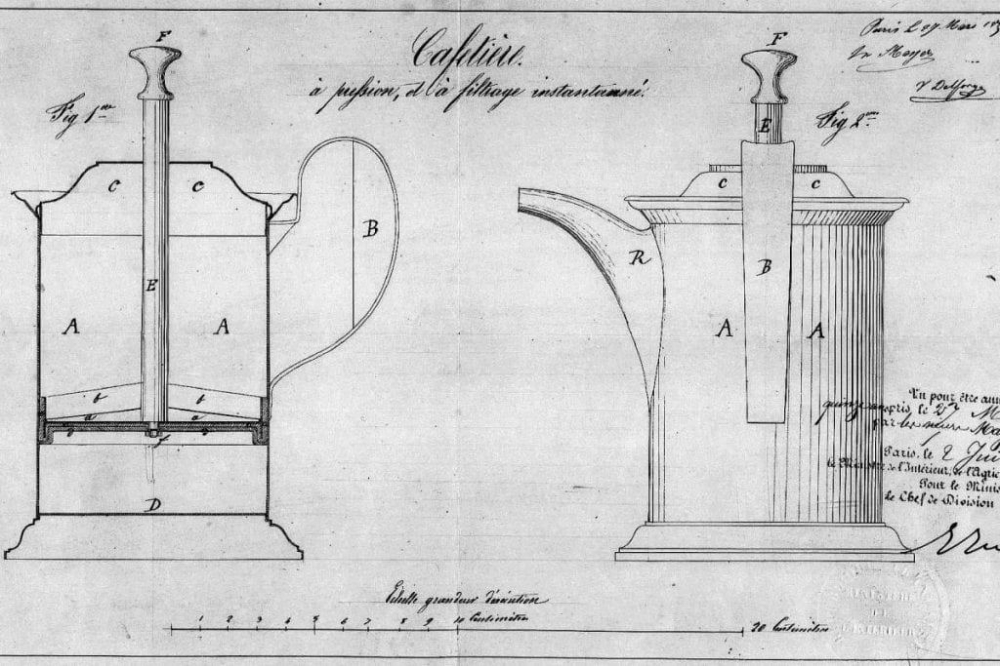
After decades of refinement, a Milanese company finally registered a patent for the modernized French press in the late 1920s, and the French press we know today spread around the world.
Interestingly, its earliest use wasn't coffee at all but tea. Tea infusers typically have coarser screens, while coffee filters are finer. But if you love coffee and lack either the time or the pricey gear, the French press is a superb option.
FrontStreet Coffee's French Press Tutorial
Because French press coffee tends toward a richer mouthfeel and fuller flavor, FrontStreet Coffee will use Flower Champion coffee beans as its example for brewing a delicious French press cup. As always, a little background first.
The Story of Flower Champion Coffee
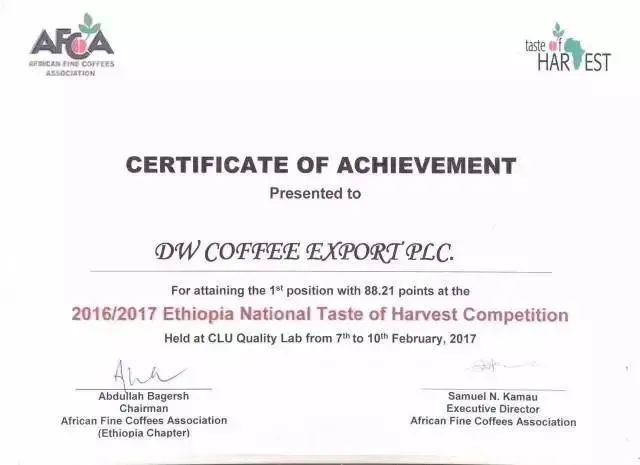
Flower Champion beans come from the Buku Abel processing station in the Hambela sub-region of Guji, Ethiopia, and are naturally processed. In 2017, DW company entered Buku Abel's natural lots in that year's TOH competition, where they took first place in the Ethiopian natural category on the strength of their rich strawberry-and-cream flavor. A Beijing green bean merchant then imported the same championship lot. Impressed by that strawberry cream profile, they believed that with improvements in post-harvest processing, this coffee could become the next big thing—so they named it "Flower Champion," meaning "the leader among flowers," in hopes of exactly that.
That same year, at the China round of the World Coffee Brewers Championship, while nearly every competitor poured Geisha, contestant Li Jianfei used that very same batch of Flower Champion and took second place. Once word got out that the beans were Ethiopian, Flower Champion's fame took off.
The naming convention is "Flower Champion X.0," with the number advancing each year: Flower Champion 2.0 in 2018, 3.0 in 2019, 4.0 in 2020, and 5.0 in 2021. With 2022's arrival, Flower Champion 6.0 is on the way—FrontStreet Coffee has already pre-ordered the batch, and it should appear on our bean menu soon.
Today, on a menu of nearly fifty different beans, FrontStreet Coffee offers Flower Champion 5.0 and Small Bean Flower Champion. We first noticed the small-bean lots in the 2018 and 2019 shipments, and through side-by-side comparisons found that these smaller beans were the main source of Flower Champion's signature aroma. In 2020, DW began processing them separately under the Small Bean Flower Champion label.
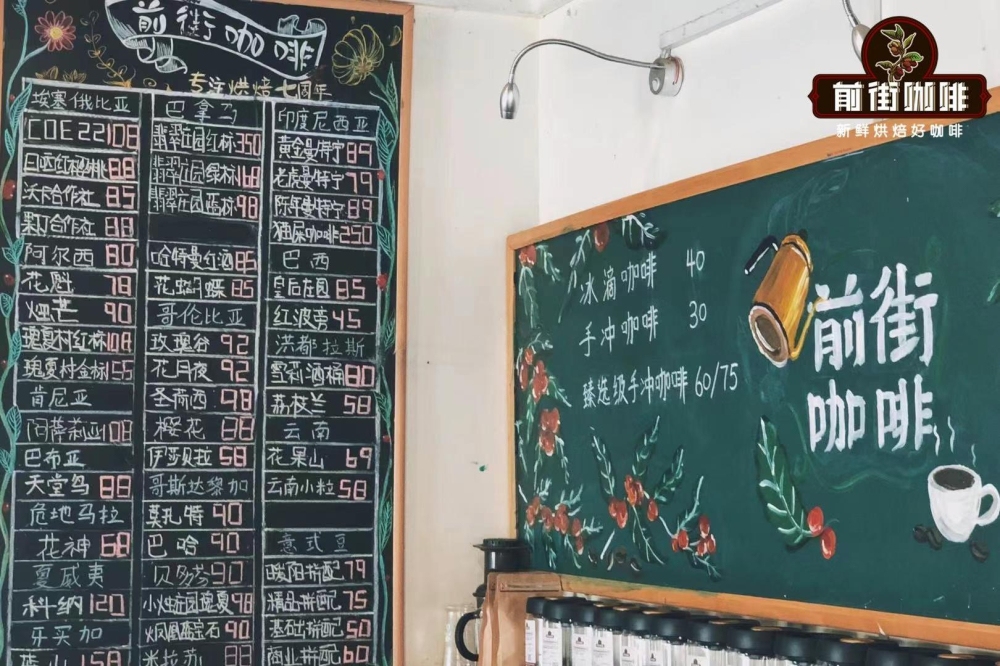
FrontStreet Coffee cupped Flower Champion 5.0 against Small Bean Flower Champion and found that Small Bean's flavor sits closer to the 2017 championship batch's strawberry-cream profile, while Flower Champion 5.0 leans toward Guji's characteristic citrus, berry notes, and tea-like qualities.
How to Brew French Press Coffee
Your hands aren't a barista's hands, so even if you've loved Flower Champion at a café, replicating it at home can be a struggle. Compared with the choreography of pour-over, many people turn to the simplest brewing method of all: the French press.
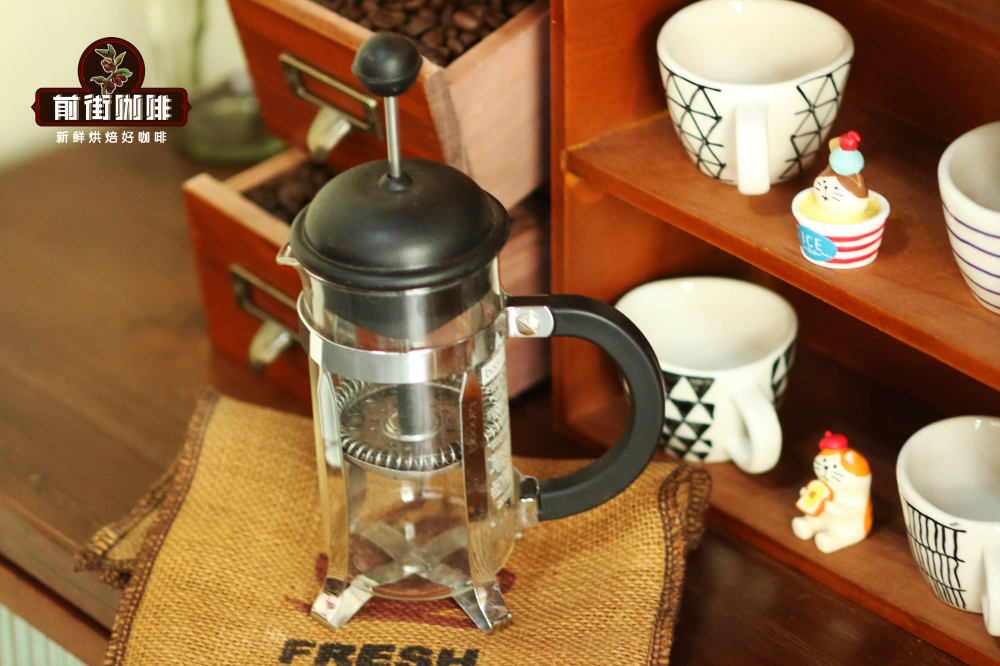
The question, then: how do you brew Flower Champion in a French press without bitterness or astringency, and actually get a delicious cup?
FrontStreet Coffee's French Press Recipe
Brewing equipment: French press
Water temperature: 90°C
Coffee amount: 15g
Coffee-to-water ratio: 1:15
Grind size: 70% pass-through rate on a #20 sieve
First, preheat the French press thoroughly with hot water, then pour it out.
Add 15g of ground coffee, then pour in 225g of 90°C water.
Leave the plunger at its highest position, fit the lid, and let it steep for 4 minutes.
After 4 minutes, press the plunger down gently and slowly—stopping at one-quarter of the pot's height—then pour the coffee out and enjoy.
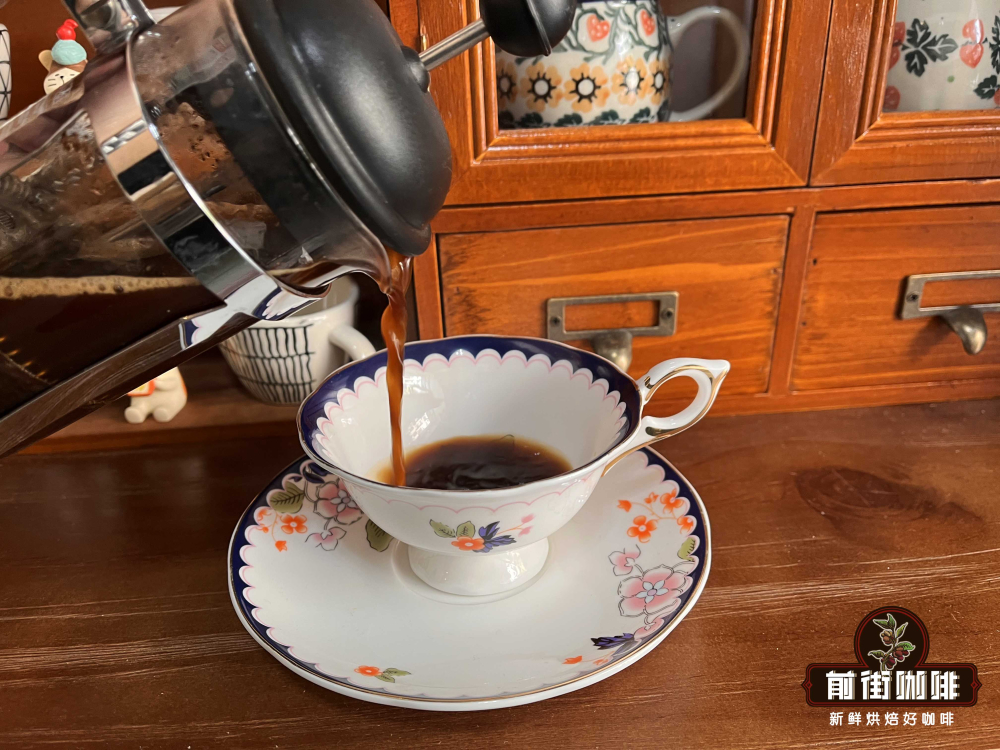
Brewed this way, Flower Champion opens with an immediate wave of mixed berry aroma, layered berry-juice flavors, and a creamy mouthfeel—full-bodied and rich throughout.
Brewing Considerations
Flower Champion is medium-light roasted, and its flavor compounds extract slowly in hot water, so FrontStreet Coffee recommends a relatively high water temperature to speed extraction along.
For our pour-over service, FrontStreet Coffee typically uses a three-pour extraction. Because the water spends only a short time in contact with the grounds before dripping into the server, we grind Flower Champion to an 80% pass-through rate on a #20 sieve—a bit finer than for French press.
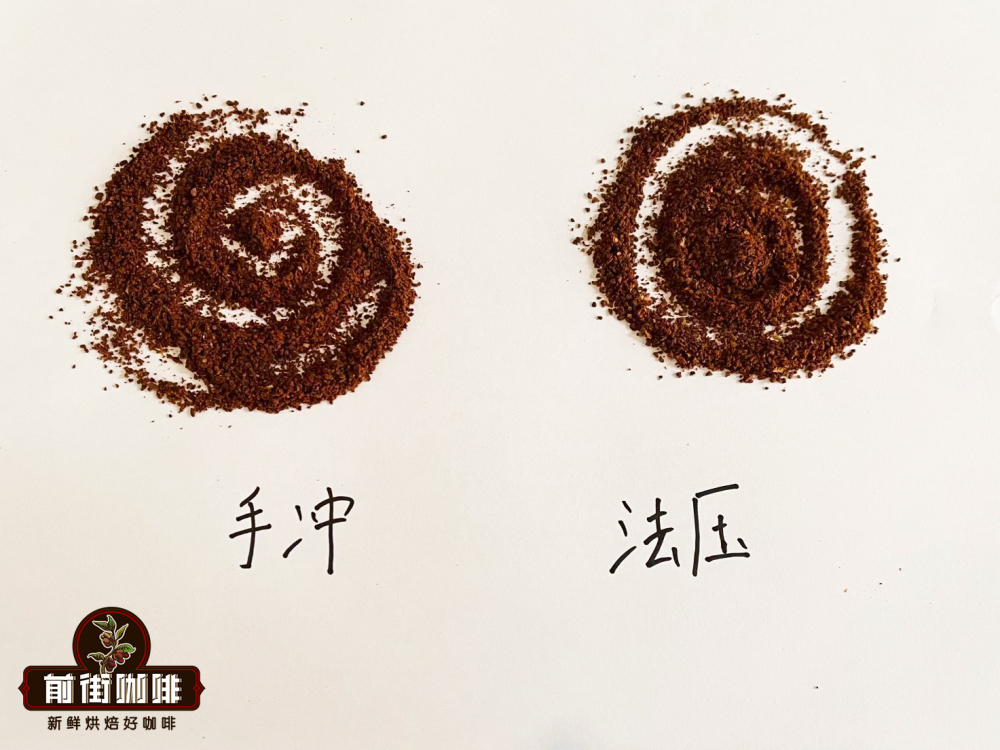
French press, however, involves long full immersion in hot water. To avoid over-extraction and the bitterness and astringency that follow, FrontStreet Coffee recommends a coarser grind—70% pass-through on a #20 sieve. Coarser grounds mean larger particles and less total surface area in contact with the water. Grind too fine and you'll over-extract; grind too coarse and you'll under-extract, ending up with a watery cup and harsh acidity.
FrontStreet Coffee Recommendation
If you're after an effortless brewer, the French press really is the obvious choice—making coffee in one is as simple as making tea: add grounds, add hot water, stir, press. Just keep in mind that it's a full-immersion device with a metal mesh filter, so the cup carries richer oils and a heavier, rounder body. If you can't stand sediment or fine particles in your cup, it may not be for you. And since the grounds steep in hot water for several minutes, the method theoretically flatters medium and dark roasts best, which express their sweetness and caramel-toned flavors more fully than delicate light roasts.
For a low-acid, full-bodied black coffee, FrontStreet Coffee's PWN Golden Mandheling is the first pick. As one of Asia's most famous specialty coffees, it goes through three rounds of hand sorting plus one machine pass, leaving the beans uniform and bright. Roasted medium-dark, it shows big beans and intense spice, caramel, cedar, and dark chocolate aromas, and pulls a mellow, full-bodied French press cup with a nice layer of oils.
If you'd rather have something fragrant and floral, go for FrontStreet Coffee's Strawberry Sugar, a Geisha blend custom-built from Costa Rica honey-processed and Panama washed Geisha lots. Steeped in a French press, it unfolds notes of rose, citrus, grape, and dried blueberry—and with milk it turns unmistakably into strawberry gummy candy. On the details: FrontStreet Coffee suggests a coarse-sugar grind (EK43s at 10.5, or 26 clicks on a typical hand grinder), the classic 1:15 ratio, water about 1-2°C hotter than you'd use for pour-over to compensate for the lack of agitation, and a 4-minute steep as your starting point, adjusting toward 3-5 minutes depending on roast depth.
Important Notice :
FrontStreet Coffee is a long-established specialty coffee roaster in Guangzhou China, selling freshly roasted beans from its own farm in Yunnan as well as dozens of carefully selected single-origin beans from around the world for both pour-over and espresso. The products deliver consistently excellent quality and great value, with shipping within 24 hours. Guangzhou's FrontStreet Coffee shop is recommended by many coffee lovers, and the beans are now available online at the Tmall 。
FrontStreet Coffee has moved to a new address:
FrontStreet Coffee Address: 315,Donghua East Road,GuangZhou
Tel:020 38364473
 Scan and follow the En Gafei WeChat official account. Please indicate that the reprint comes from "En Gafei".